
Global Trade Tensions Escalate as Trump Imposes New Tariff Deadlines
In This Article
HIGHLIGHTS
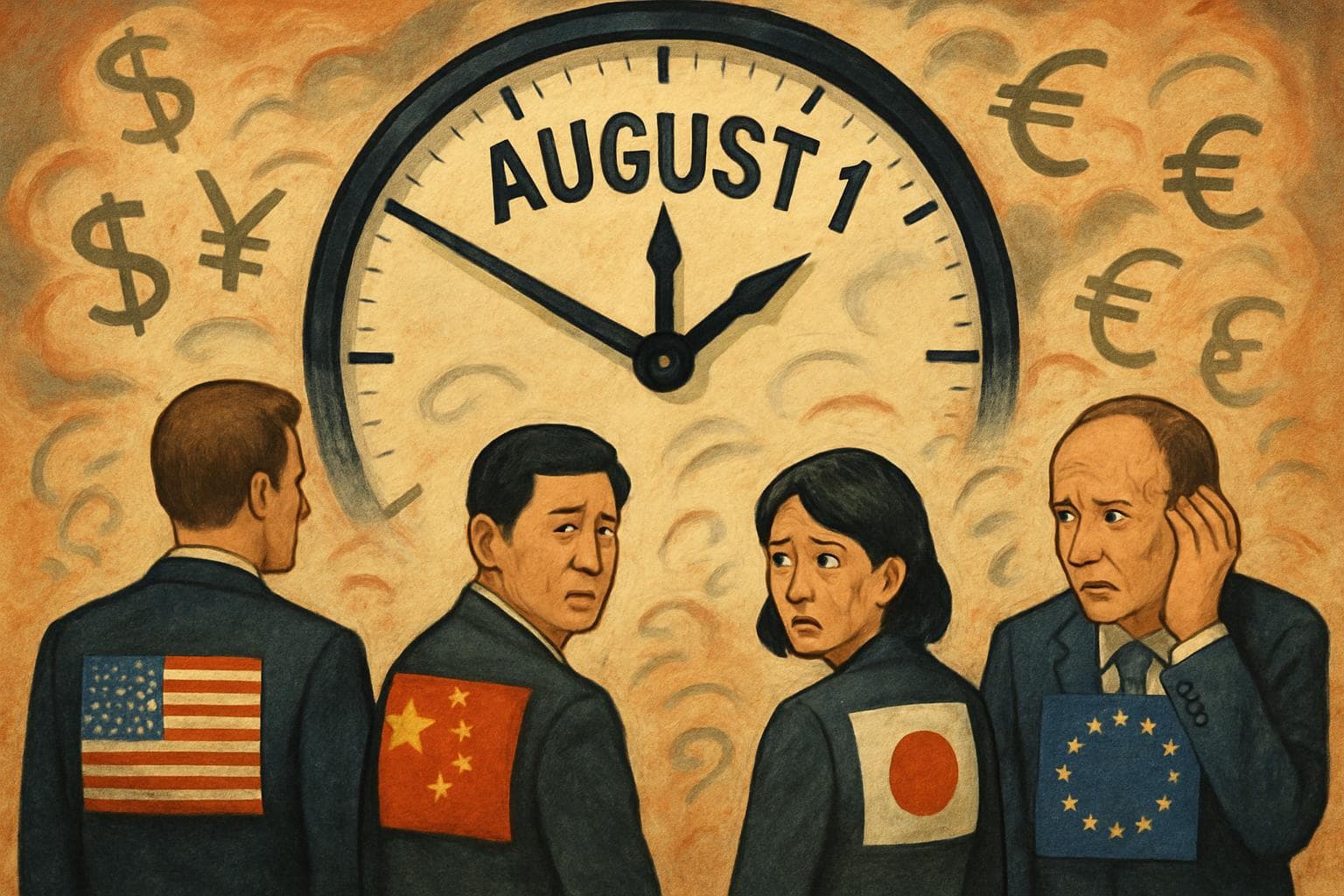
- President Trump has announced new tariffs ranging from 25% to 50% on various countries, with a deadline of August 1 to negotiate deals.
- Japan, a key US ally, faces a 25% tariff despite ongoing negotiations to protect its car industry and resist US rice imports.
- Southeast Asian nations, including Thailand and Malaysia, are under pressure from tariffs amid US-China trade tensions.
- US Secretary of State Marco Rubio reassured ASEAN countries of continued US commitment, despite looming tariffs.
- The European Union and the US are negotiating a framework trade deal to avoid steep tariffs on EU exports.
In a significant escalation of global trade tensions, President Donald Trump has issued a series of tariff threats to numerous countries, including key US allies and Southeast Asian nations. The latest salvo includes tariffs ranging from 25% to 50%, with an August 1 deadline for countries to negotiate new trade agreements with the United States.
Japan Faces Tariff Challenges
Japan, a long-standing ally of the US, finds itself in a precarious position as it faces a 25% tariff on its goods. Prime Minister Shigeru Ishiba described the situation as "deeply regrettable," highlighting Japan's efforts to shield its car industry while resisting US demands to open its rice markets. Despite multiple rounds of negotiations and visits to Washington, Japan remains on the list of 23 nations targeted by the new tariffs.
Southeast Asia Under Pressure
Southeast Asian countries, including Thailand, Malaysia, and Indonesia, are grappling with the impact of Trump's trade policies. These nations, which are heavily reliant on exports, have been warned of tariffs ranging from 20% to 40%. The tariffs coincide with ongoing US-China trade tensions, as Washington targets Chinese exports rerouted through third countries.
During his visit to Malaysia, US Secretary of State Marco Rubio sought to reassure ASEAN countries of Washington's commitment, stating that they might secure "better" trade deals than other regions. However, Malaysian Prime Minister Anwar Ibrahim condemned the tariffs, describing the trade war as "the new weather of our time."
European Union Negotiations
Meanwhile, the European Union is in discussions with the US to finalize a framework trade deal that could avert 50% tariffs on EU exports. The negotiations come amid a broader context of global trade uncertainty, with countries scrambling to meet the US's demands.
WHAT THIS MIGHT MEAN
As the August 1 deadline approaches, countries are under immense pressure to negotiate favorable trade deals with the US. Failure to do so could result in significant economic repercussions, particularly for export-driven economies in Southeast Asia. The situation also presents an opportunity for China to strengthen its ties with ASEAN nations, potentially altering the balance of power in the region.
Experts suggest that while the US aims to secure better trade terms, the unpredictability of Trump's policies could undermine long-term relationships with key partners. The outcome of these negotiations will likely shape global trade dynamics for years to come, with potential implications for international economic stability.
Related Articles

UK Faces Dilemmas Amid Iran Conflict and China Spying Allegations
China Sets Lowest GDP Growth Target in Decades Amid Economic Challenges
Cuba Faces Widespread Blackout Amid Deepening Fuel Crisis
Senate Blocks Resolution to Limit Trump's Military Actions in Iran

Spain's Sánchez Stands Firm Against Trump's Trade Threat Over Iran Stance

Tech Giants Pledge to Cover AI Data Center Energy Costs Amid Rising Electricity Concerns
Global Trade Tensions Escalate as Trump Imposes New Tariff Deadlines
In This Article
HIGHLIGHTS
- President Trump has announced new tariffs ranging from 25% to 50% on various countries, with a deadline of August 1 to negotiate deals.
- Japan, a key US ally, faces a 25% tariff despite ongoing negotiations to protect its car industry and resist US rice imports.
- Southeast Asian nations, including Thailand and Malaysia, are under pressure from tariffs amid US-China trade tensions.
- US Secretary of State Marco Rubio reassured ASEAN countries of continued US commitment, despite looming tariffs.
- The European Union and the US are negotiating a framework trade deal to avoid steep tariffs on EU exports.
In a significant escalation of global trade tensions, President Donald Trump has issued a series of tariff threats to numerous countries, including key US allies and Southeast Asian nations. The latest salvo includes tariffs ranging from 25% to 50%, with an August 1 deadline for countries to negotiate new trade agreements with the United States.
Japan Faces Tariff Challenges
Japan, a long-standing ally of the US, finds itself in a precarious position as it faces a 25% tariff on its goods. Prime Minister Shigeru Ishiba described the situation as "deeply regrettable," highlighting Japan's efforts to shield its car industry while resisting US demands to open its rice markets. Despite multiple rounds of negotiations and visits to Washington, Japan remains on the list of 23 nations targeted by the new tariffs.
Southeast Asia Under Pressure
Southeast Asian countries, including Thailand, Malaysia, and Indonesia, are grappling with the impact of Trump's trade policies. These nations, which are heavily reliant on exports, have been warned of tariffs ranging from 20% to 40%. The tariffs coincide with ongoing US-China trade tensions, as Washington targets Chinese exports rerouted through third countries.
During his visit to Malaysia, US Secretary of State Marco Rubio sought to reassure ASEAN countries of Washington's commitment, stating that they might secure "better" trade deals than other regions. However, Malaysian Prime Minister Anwar Ibrahim condemned the tariffs, describing the trade war as "the new weather of our time."
European Union Negotiations
Meanwhile, the European Union is in discussions with the US to finalize a framework trade deal that could avert 50% tariffs on EU exports. The negotiations come amid a broader context of global trade uncertainty, with countries scrambling to meet the US's demands.
WHAT THIS MIGHT MEAN
As the August 1 deadline approaches, countries are under immense pressure to negotiate favorable trade deals with the US. Failure to do so could result in significant economic repercussions, particularly for export-driven economies in Southeast Asia. The situation also presents an opportunity for China to strengthen its ties with ASEAN nations, potentially altering the balance of power in the region.
Experts suggest that while the US aims to secure better trade terms, the unpredictability of Trump's policies could undermine long-term relationships with key partners. The outcome of these negotiations will likely shape global trade dynamics for years to come, with potential implications for international economic stability.
Related Articles
UK Faces Dilemmas Amid Iran Conflict and China Spying Allegations
China Sets Lowest GDP Growth Target in Decades Amid Economic Challenges
Cuba Faces Widespread Blackout Amid Deepening Fuel Crisis
Senate Blocks Resolution to Limit Trump's Military Actions in Iran
Spain's Sánchez Stands Firm Against Trump's Trade Threat Over Iran Stance
Tech Giants Pledge to Cover AI Data Center Energy Costs Amid Rising Electricity Concerns