
Trump Imposes New Tariffs on Iran's Trade Partners Amid Legal Challenges

In This Article
HIGHLIGHTS
- President Trump announced a 25% tariff on countries trading with Iran, effective immediately, though details remain unclear.
- The US Supreme Court is set to rule on the legality of Trump's global trade tariffs, which are challenged by 12 states and small businesses.
- Iran's major trade partners include China, Iraq, and the UAE, with oil and food as primary exports.
- Trump warns of a "complete mess" if the Supreme Court overturns his tariffs, citing potential refund complications.
- The tariffs are based on the International Emergency Economic Powers Act, which is under legal scrutiny.
In a bold move, President Donald Trump has declared a 25% tariff on any country engaging in trade with Iran, effective immediately. This announcement comes as Iran faces significant anti-government protests, with thousands reportedly affected. The new tariffs are part of Trump's broader strategy to exert economic pressure on Iran, but the specifics of implementation remain vague.
Impact on Iran's Trade Partners
Iran's trade network is extensive, with China, Iraq, and the United Arab Emirates among its largest partners. According to Trade Data Monitor, China imported over $14 billion in goods from Iran in the year leading up to October 2025. Iran's exports are predominantly fuel-related, but it also ships food products like pistachios and tomatoes. Despite its export strength, Iran imports a significant amount of food and gold, with gold imports reaching $6.7 billion recently.
Legal Challenges and Supreme Court Decision
The legality of Trump's tariffs is under scrutiny, with the US Supreme Court expected to deliver a ruling soon. The tariffs, initially imposed under the International Emergency Economic Powers Act, face challenges from 12 states and small businesses. Critics argue that Trump exceeded his authority, and two lower courts have previously ruled against the tariffs. The Supreme Court's decision will be a critical test of Trump's economic policies.
Potential Consequences of Overturning Tariffs
Trump has warned of chaos if the Supreme Court overturns the tariffs, suggesting that reversing them could lead to complex refund claims. "It would be a complete mess," Trump stated, emphasizing the difficulty of calculating and processing potential refunds. Justice Amy Coney Barrett also noted the potential complications during a November hearing.
Broader Context and Implications
The tariffs are part of a broader strategy to isolate Iran economically, as the country grapples with internal unrest. The US has long imposed sanctions on Iran, and these new measures aim to increase pressure. However, the lack of clarity on how the tariffs will be enforced raises questions about their effectiveness and potential global economic repercussions.
WHAT THIS MIGHT MEAN
The upcoming Supreme Court decision could significantly impact the future of US trade policy. If the court rules against the tariffs, it may limit the president's ability to unilaterally impose such measures, potentially leading to a reevaluation of existing trade strategies. Conversely, a ruling in favor of the tariffs could embolden the administration to pursue further economic actions against Iran and other nations.
Economically, the tariffs could strain relations with key trade partners, particularly those heavily involved in Iranian commerce. Countries like China and the UAE may seek alternative markets or challenge the tariffs through diplomatic channels. The situation also underscores the broader geopolitical tensions surrounding Iran, with the US leveraging economic tools to influence international relations.
Related Articles
China Sets Lowest GDP Growth Target in Decades Amid Economic Challenges

UK Faces Dilemmas Amid Iran Conflict and China Spying Allegations
UK-Iran Tensions: Starmer Defends Cautious Approach Amid Trump Criticism
Tech Giants Pledge to Cover AI Data Center Energy Costs Amid Rising Electricity Concerns
Senate Blocks Resolution to Limit Trump's Military Actions in Iran
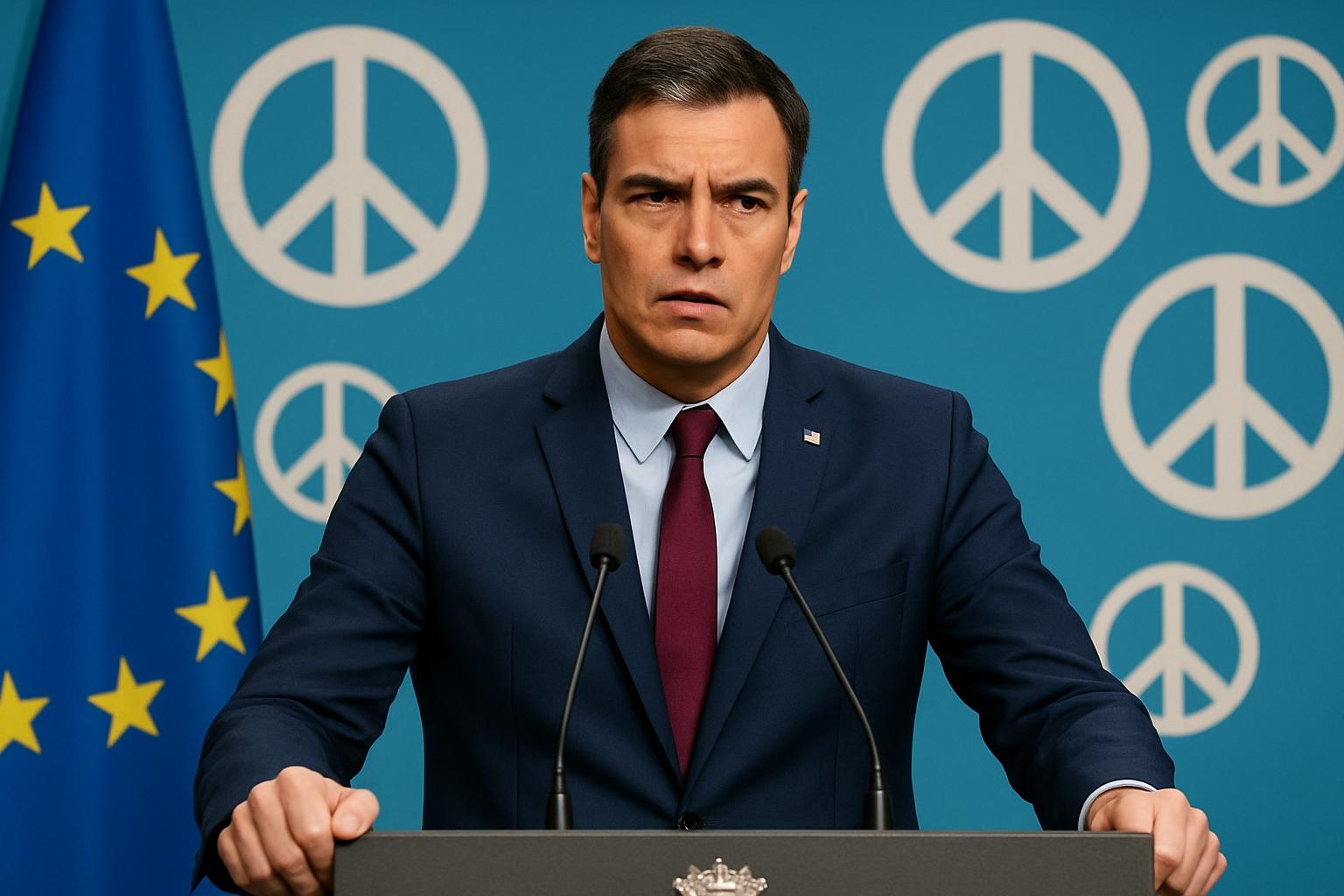
Spain's Sánchez Stands Firm Against Trump's Trade Threat Over Iran Stance
Trump Imposes New Tariffs on Iran's Trade Partners Amid Legal Challenges
In This Article
 Daniel Rivera| Published
 HIGHLIGHTS
- President Trump announced a 25% tariff on countries trading with Iran, effective immediately, though details remain unclear.
- The US Supreme Court is set to rule on the legality of Trump's global trade tariffs, which are challenged by 12 states and small businesses.
- Iran's major trade partners include China, Iraq, and the UAE, with oil and food as primary exports.
- Trump warns of a "complete mess" if the Supreme Court overturns his tariffs, citing potential refund complications.
- The tariffs are based on the International Emergency Economic Powers Act, which is under legal scrutiny.
In a bold move, President Donald Trump has declared a 25% tariff on any country engaging in trade with Iran, effective immediately. This announcement comes as Iran faces significant anti-government protests, with thousands reportedly affected. The new tariffs are part of Trump's broader strategy to exert economic pressure on Iran, but the specifics of implementation remain vague.
Impact on Iran's Trade Partners
Iran's trade network is extensive, with China, Iraq, and the United Arab Emirates among its largest partners. According to Trade Data Monitor, China imported over $14 billion in goods from Iran in the year leading up to October 2025. Iran's exports are predominantly fuel-related, but it also ships food products like pistachios and tomatoes. Despite its export strength, Iran imports a significant amount of food and gold, with gold imports reaching $6.7 billion recently.
Legal Challenges and Supreme Court Decision
The legality of Trump's tariffs is under scrutiny, with the US Supreme Court expected to deliver a ruling soon. The tariffs, initially imposed under the International Emergency Economic Powers Act, face challenges from 12 states and small businesses. Critics argue that Trump exceeded his authority, and two lower courts have previously ruled against the tariffs. The Supreme Court's decision will be a critical test of Trump's economic policies.
Potential Consequences of Overturning Tariffs
Trump has warned of chaos if the Supreme Court overturns the tariffs, suggesting that reversing them could lead to complex refund claims. "It would be a complete mess," Trump stated, emphasizing the difficulty of calculating and processing potential refunds. Justice Amy Coney Barrett also noted the potential complications during a November hearing.
Broader Context and Implications
The tariffs are part of a broader strategy to isolate Iran economically, as the country grapples with internal unrest. The US has long imposed sanctions on Iran, and these new measures aim to increase pressure. However, the lack of clarity on how the tariffs will be enforced raises questions about their effectiveness and potential global economic repercussions.
WHAT THIS MIGHT MEAN
The upcoming Supreme Court decision could significantly impact the future of US trade policy. If the court rules against the tariffs, it may limit the president's ability to unilaterally impose such measures, potentially leading to a reevaluation of existing trade strategies. Conversely, a ruling in favor of the tariffs could embolden the administration to pursue further economic actions against Iran and other nations.
Economically, the tariffs could strain relations with key trade partners, particularly those heavily involved in Iranian commerce. Countries like China and the UAE may seek alternative markets or challenge the tariffs through diplomatic channels. The situation also underscores the broader geopolitical tensions surrounding Iran, with the US leveraging economic tools to influence international relations.
Related Articles
China Sets Lowest GDP Growth Target in Decades Amid Economic Challenges
UK Faces Dilemmas Amid Iran Conflict and China Spying Allegations
UK-Iran Tensions: Starmer Defends Cautious Approach Amid Trump Criticism
Tech Giants Pledge to Cover AI Data Center Energy Costs Amid Rising Electricity Concerns
Senate Blocks Resolution to Limit Trump's Military Actions in Iran
Spain's Sánchez Stands Firm Against Trump's Trade Threat Over Iran Stance