
Trump's Ambitious Plan to Revitalize Venezuela's Oil Industry Amid Geopolitical Tensions
In This Article
HIGHLIGHTS
- Donald Trump plans to leverage Venezuela's vast oil reserves following the capture of President Nicolás Maduro, aiming to revitalize the country's oil industry with US investment.
- Venezuela holds the world's largest proven oil reserves, yet its production has significantly declined due to infrastructure issues and political instability.
- US oil companies, including Chevron and potentially ExxonMobil and ConocoPhillips, are expected to play a role in rebuilding Venezuela's oil infrastructure, though they have not confirmed any commitments.
- The capture of Maduro has heightened geopolitical tensions, leading to a rise in gold prices as investors seek safe-haven assets amid uncertainty.
- Legal experts highlight the challenges of proving Maduro's involvement in drug trafficking, which forms part of the charges he faces in the US.
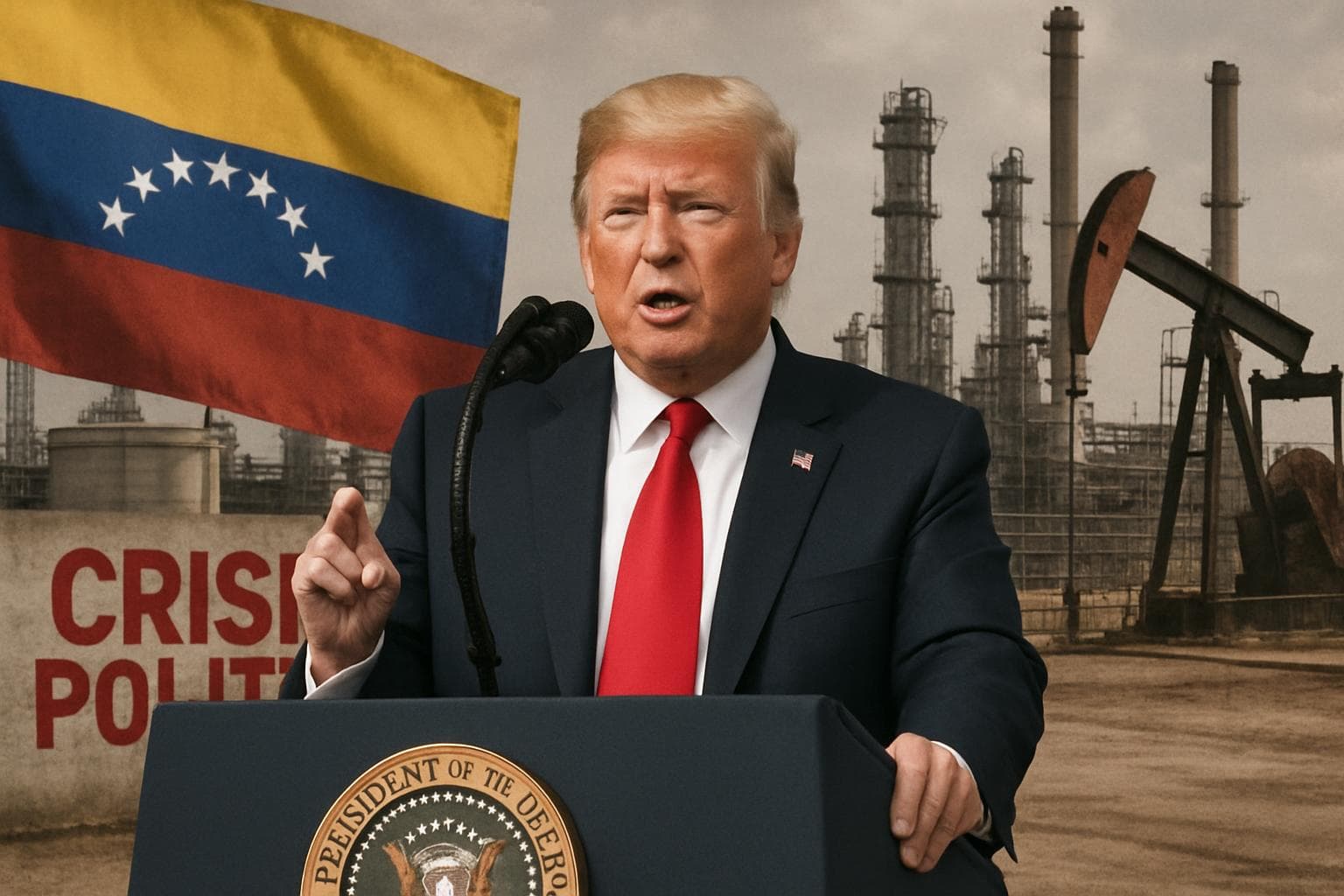
In a bold move following the capture of Venezuelan President Nicolás Maduro, US President Donald Trump has unveiled plans to tap into Venezuela's vast oil reserves, aiming to rejuvenate the country's beleaguered oil industry with significant American investment. This initiative comes as Venezuela, despite possessing the world's largest proven oil reserves, struggles with declining production due to years of underinvestment and political turmoil.
Venezuela's Oil Potential and Challenges
Venezuela's oil reserves, estimated at around 303 billion barrels, represent a significant portion of the world's total. However, the country's production has plummeted from 3.5 million barrels per day in the late 1990s to approximately 860,000 barrels per day in recent years. This decline is attributed to deteriorating infrastructure and the exodus of skilled personnel from the state-run oil company, PDVSA.
US Oil Companies' Role
Trump has expressed confidence that major US oil firms will invest billions to restore Venezuela's oil infrastructure. While Chevron continues to operate in the country, other giants like ExxonMobil and ConocoPhillips have yet to commit to any specific plans. Analysts suggest that these companies may partner with PDVSA to develop the reserves, although the legal and political landscape remains complex.
Geopolitical and Economic Repercussions
The capture of Maduro has intensified geopolitical tensions, prompting investors to flock to safe-haven assets like gold, which saw a 1.8% increase in prices. Meanwhile, oil prices have fluctuated as markets assess the potential impact of US intervention on global supplies. Legal experts caution that proving Maduro's alleged involvement in drug trafficking will be challenging, as he faces charges in a US federal court.
Future Prospects and Uncertainties
While Trump's plan promises economic revitalization for Venezuela, the path forward is fraught with uncertainties. The success of US oil companies in reviving production hinges on political stability and the resolution of legal hurdles. Additionally, the broader geopolitical implications of US involvement in Venezuela's oil industry remain to be seen, as the international community closely monitors these developments.
WHAT THIS MIGHT MEAN
The future of Venezuela's oil industry under US influence will largely depend on the political stability of the region and the ability of US companies to navigate complex legal frameworks. If successful, this could lead to a significant increase in oil production, benefiting both Venezuela's economy and global oil markets. However, the potential for prolonged geopolitical tensions and legal challenges could hinder progress. Experts suggest that a collaborative approach involving international stakeholders may be necessary to ensure a sustainable and peaceful transition.
Related Articles
Trump's New Tariff Strategy Sparks Global Trade Uncertainty

Tech Giants Pledge to Cover AI Data Center Energy Costs Amid Rising Electricity Concerns
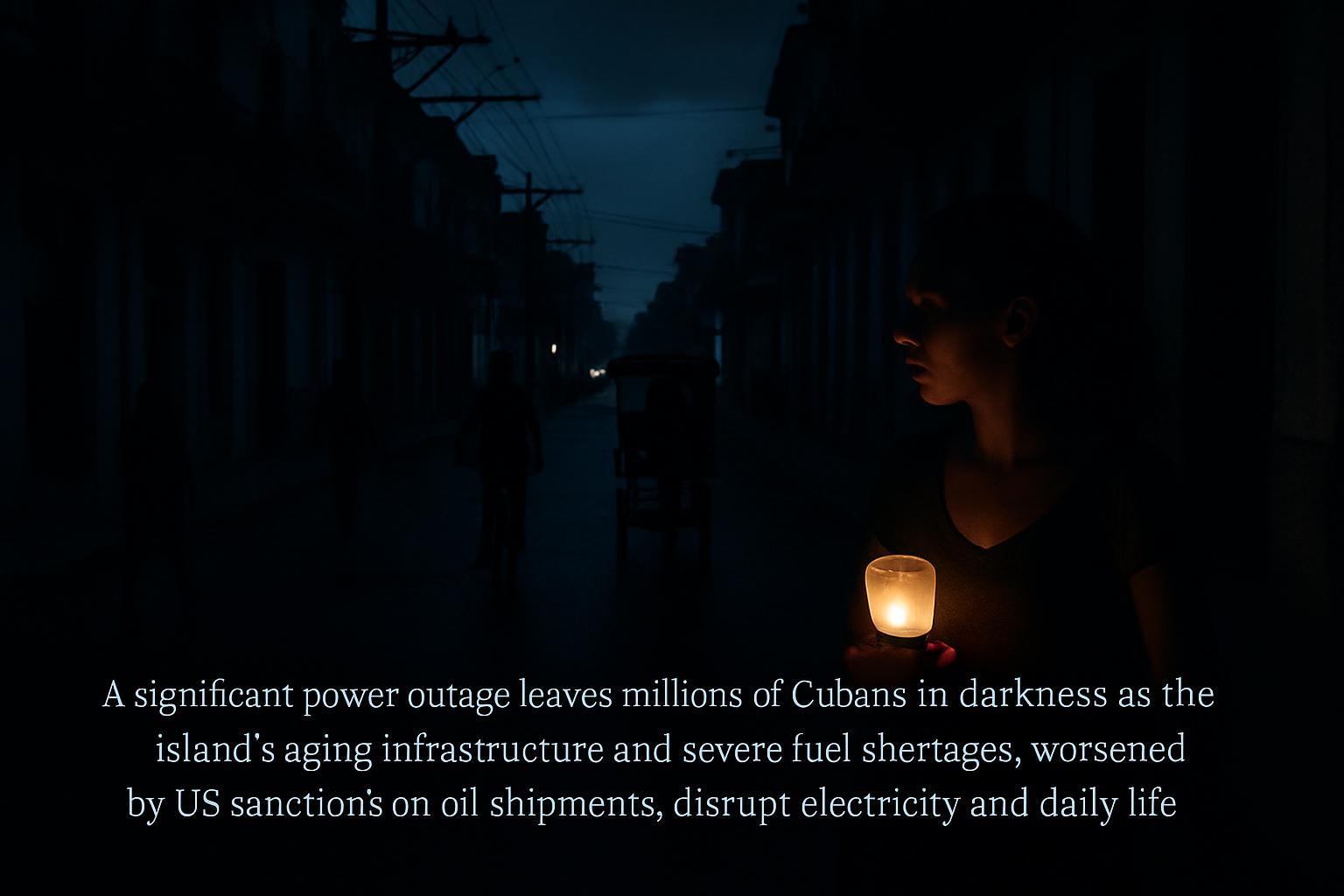
Cuba Faces Widespread Blackout Amid Deepening Fuel Crisis
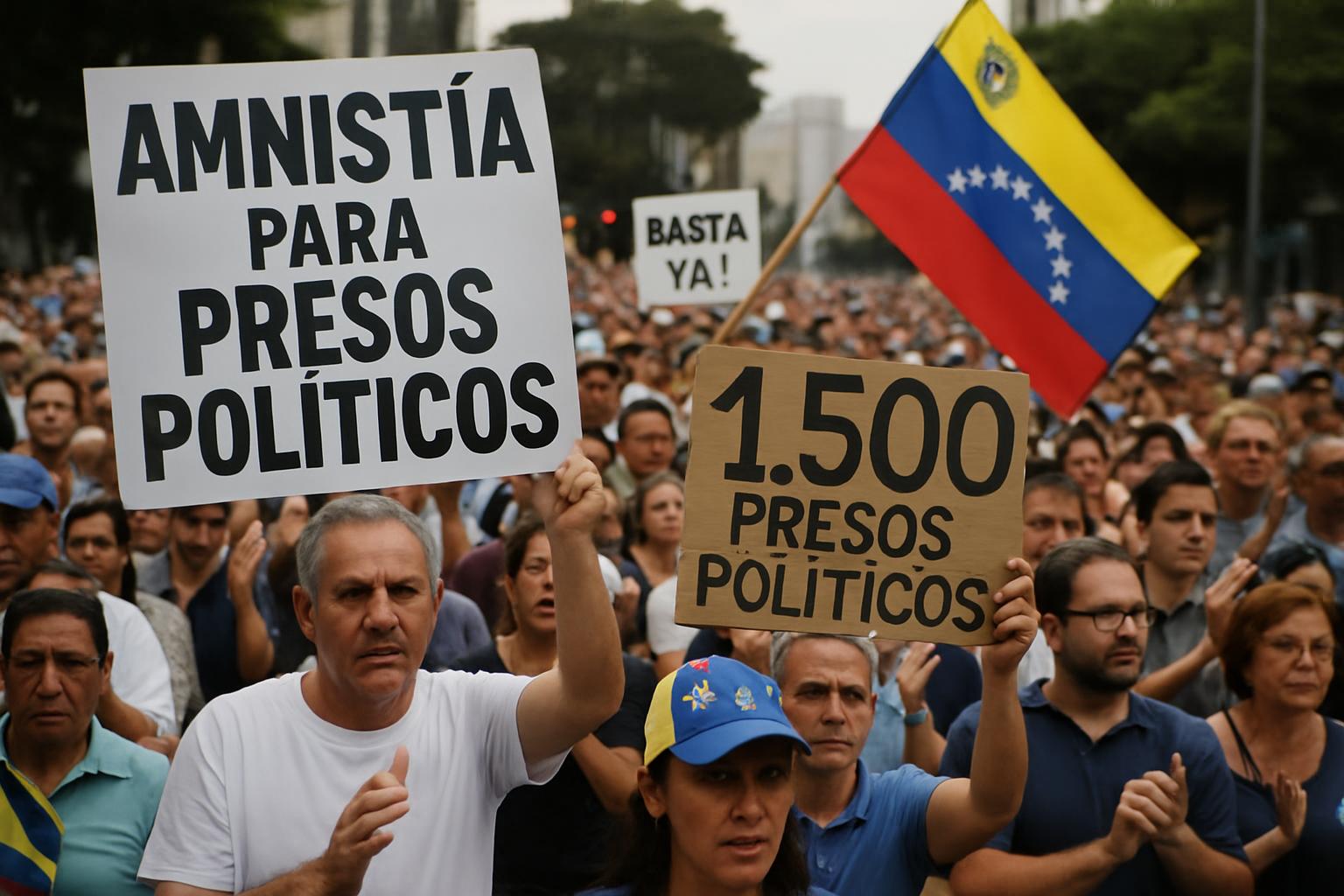
Venezuelan Political Prisoners Seek Amnesty Amidst Hopes for Democratic Transition
Congress Subpoenas Attorney General Bondi in Epstein Investigation

UK Faces Dilemmas Amid Iran Conflict and China Spying Allegations
Trump's Ambitious Plan to Revitalize Venezuela's Oil Industry Amid Geopolitical Tensions
In This Article
 Daniel Rivera| Published
 HIGHLIGHTS
- Donald Trump plans to leverage Venezuela's vast oil reserves following the capture of President Nicolás Maduro, aiming to revitalize the country's oil industry with US investment.
- Venezuela holds the world's largest proven oil reserves, yet its production has significantly declined due to infrastructure issues and political instability.
- US oil companies, including Chevron and potentially ExxonMobil and ConocoPhillips, are expected to play a role in rebuilding Venezuela's oil infrastructure, though they have not confirmed any commitments.
- The capture of Maduro has heightened geopolitical tensions, leading to a rise in gold prices as investors seek safe-haven assets amid uncertainty.
- Legal experts highlight the challenges of proving Maduro's involvement in drug trafficking, which forms part of the charges he faces in the US.
In a bold move following the capture of Venezuelan President Nicolás Maduro, US President Donald Trump has unveiled plans to tap into Venezuela's vast oil reserves, aiming to rejuvenate the country's beleaguered oil industry with significant American investment. This initiative comes as Venezuela, despite possessing the world's largest proven oil reserves, struggles with declining production due to years of underinvestment and political turmoil.
Venezuela's Oil Potential and Challenges
Venezuela's oil reserves, estimated at around 303 billion barrels, represent a significant portion of the world's total. However, the country's production has plummeted from 3.5 million barrels per day in the late 1990s to approximately 860,000 barrels per day in recent years. This decline is attributed to deteriorating infrastructure and the exodus of skilled personnel from the state-run oil company, PDVSA.
US Oil Companies' Role
Trump has expressed confidence that major US oil firms will invest billions to restore Venezuela's oil infrastructure. While Chevron continues to operate in the country, other giants like ExxonMobil and ConocoPhillips have yet to commit to any specific plans. Analysts suggest that these companies may partner with PDVSA to develop the reserves, although the legal and political landscape remains complex.
Geopolitical and Economic Repercussions
The capture of Maduro has intensified geopolitical tensions, prompting investors to flock to safe-haven assets like gold, which saw a 1.8% increase in prices. Meanwhile, oil prices have fluctuated as markets assess the potential impact of US intervention on global supplies. Legal experts caution that proving Maduro's alleged involvement in drug trafficking will be challenging, as he faces charges in a US federal court.
Future Prospects and Uncertainties
While Trump's plan promises economic revitalization for Venezuela, the path forward is fraught with uncertainties. The success of US oil companies in reviving production hinges on political stability and the resolution of legal hurdles. Additionally, the broader geopolitical implications of US involvement in Venezuela's oil industry remain to be seen, as the international community closely monitors these developments.
WHAT THIS MIGHT MEAN
The future of Venezuela's oil industry under US influence will largely depend on the political stability of the region and the ability of US companies to navigate complex legal frameworks. If successful, this could lead to a significant increase in oil production, benefiting both Venezuela's economy and global oil markets. However, the potential for prolonged geopolitical tensions and legal challenges could hinder progress. Experts suggest that a collaborative approach involving international stakeholders may be necessary to ensure a sustainable and peaceful transition.
Related Articles
Trump's New Tariff Strategy Sparks Global Trade Uncertainty
Tech Giants Pledge to Cover AI Data Center Energy Costs Amid Rising Electricity Concerns
Cuba Faces Widespread Blackout Amid Deepening Fuel Crisis
Venezuelan Political Prisoners Seek Amnesty Amidst Hopes for Democratic Transition
Congress Subpoenas Attorney General Bondi in Epstein Investigation
UK Faces Dilemmas Amid Iran Conflict and China Spying Allegations