
Trump's Remarks on Somali-Americans Stir Fear and Defiance in Minneapolis
In This Article
HIGHLIGHTS
- President Trump has intensified his criticism of the Somali-American community, calling them "garbage" and questioning their presence in the US.
- Trump's remarks have heightened fear among Somali-Americans in Minnesota, with community leaders expressing concerns over potential violence.
- The Trump administration plans to increase federal immigration enforcement in Minneapolis, targeting Somali residents with deportation orders.
- Minneapolis city officials, including Mayor Jacob Frey, have publicly supported the Somali community and implemented measures to limit federal enforcement actions.
- Allegations of fraud involving some Somali residents have been cited by Trump, though they represent a small fraction of the community.
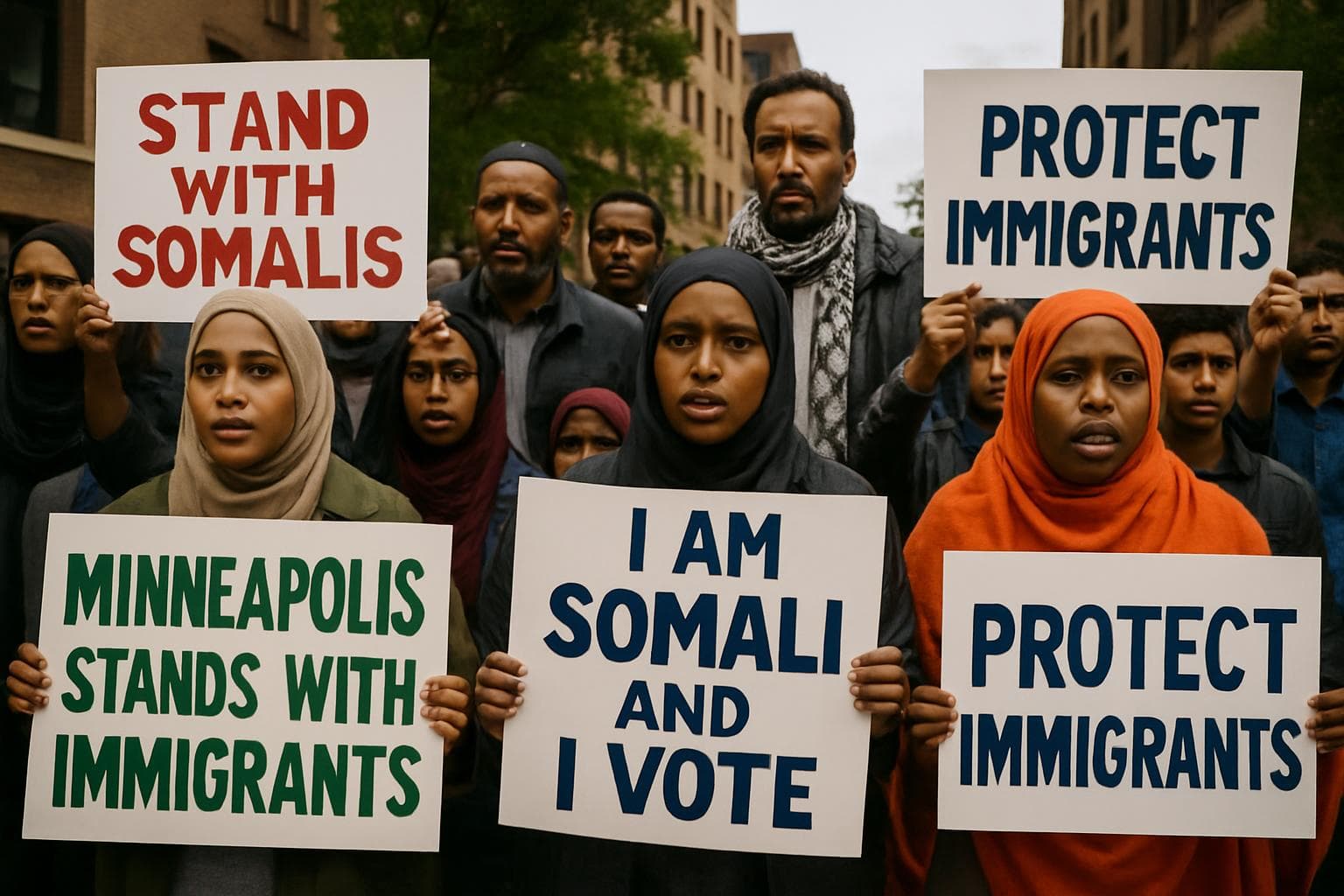
President Donald Trump's recent comments targeting the Somali-American community have sparked fear and defiance in Minneapolis, a city known for its significant Somali population. Trump's remarks, which included calling Somalis "garbage" and questioning their presence in the United States, have been met with strong reactions from community leaders and local officials.
Heightened Fear Among Somali-Americans
In Minnesota, home to a large Somali-American community, Trump's comments have intensified existing fears. Aj Awed, executive director of the Cedar-Riverside Community Council, described the apprehension as "palpable." He noted that the president's words could incite violence against immigrants, stating, "When the president puts a bull's eye on the immigrant community here, that could encourage others to become more radicalised."
The fear is compounded by reports of increased federal immigration enforcement targeting undocumented immigrants in Minnesota. Community leaders are reconsidering public events due to safety concerns, as many Somali-Americans worry about being targeted despite their legal status.
Minneapolis Stands Behind Its Somali Community
In response to Trump's rhetoric, Minneapolis officials have taken steps to support the Somali community. Mayor Jacob Frey issued an executive order prohibiting the use of city-owned properties for immigration enforcement operations. The city has also promoted free legal clinics to assist residents with immigration issues.
"Minneapolis is – and will remain – a city that stands up for our residents," Frey stated, emphasizing the city's commitment to protecting its diverse population.
Fraud Allegations and Political Tensions
Trump's criticism of the Somali community has been partly fueled by allegations of fraud involving some Somali residents. Federal prosecutors have charged dozens of individuals in a scheme that defrauded Minnesota's social assistance program during the COVID-19 pandemic. While these cases involve a small fraction of the community, Trump has used them to paint a broader negative picture.
The House Oversight Committee has launched an investigation into Minnesota Governor Tim Walz's handling of the fraud allegations, adding another layer of political tension to the situation.
Community Resilience and Advocacy
Despite the challenges, Somali-Americans in Minneapolis remain resilient. Jamal Osman, a Minneapolis City Council member and naturalized citizen, expressed the community's frustration with being unfairly targeted. "Yes, people commit crimes, but an entire community should not be blamed based on what some individuals did," he said.
Community activists are organizing rights training and planning protective measures to support their neighbors, demonstrating a strong sense of solidarity and advocacy in the face of adversity.
WHAT THIS MIGHT MEAN
The ongoing tension between the Trump administration and the Somali-American community in Minneapolis could have significant legal and political implications. Increased federal enforcement actions may lead to heightened community unrest and further strain relations between local and federal authorities.
Politically, Trump's remarks and the subsequent response from Minneapolis officials highlight the deep divisions in the US over immigration policy and racial rhetoric. As the situation unfolds, it may influence broader national conversations about immigration reform and community protection measures.
Experts suggest that continued advocacy and legal support for immigrant communities will be crucial in navigating these challenges and ensuring that the rights of all residents are upheld.
Images from the Web

Related Articles
Congress Subpoenas Attorney General Bondi in Epstein Investigation

Senate Blocks Resolution to Limit Trump's Military Actions in Iran
Spain's Sánchez Stands Firm Against Trump's Trade Threat Over Iran Stance
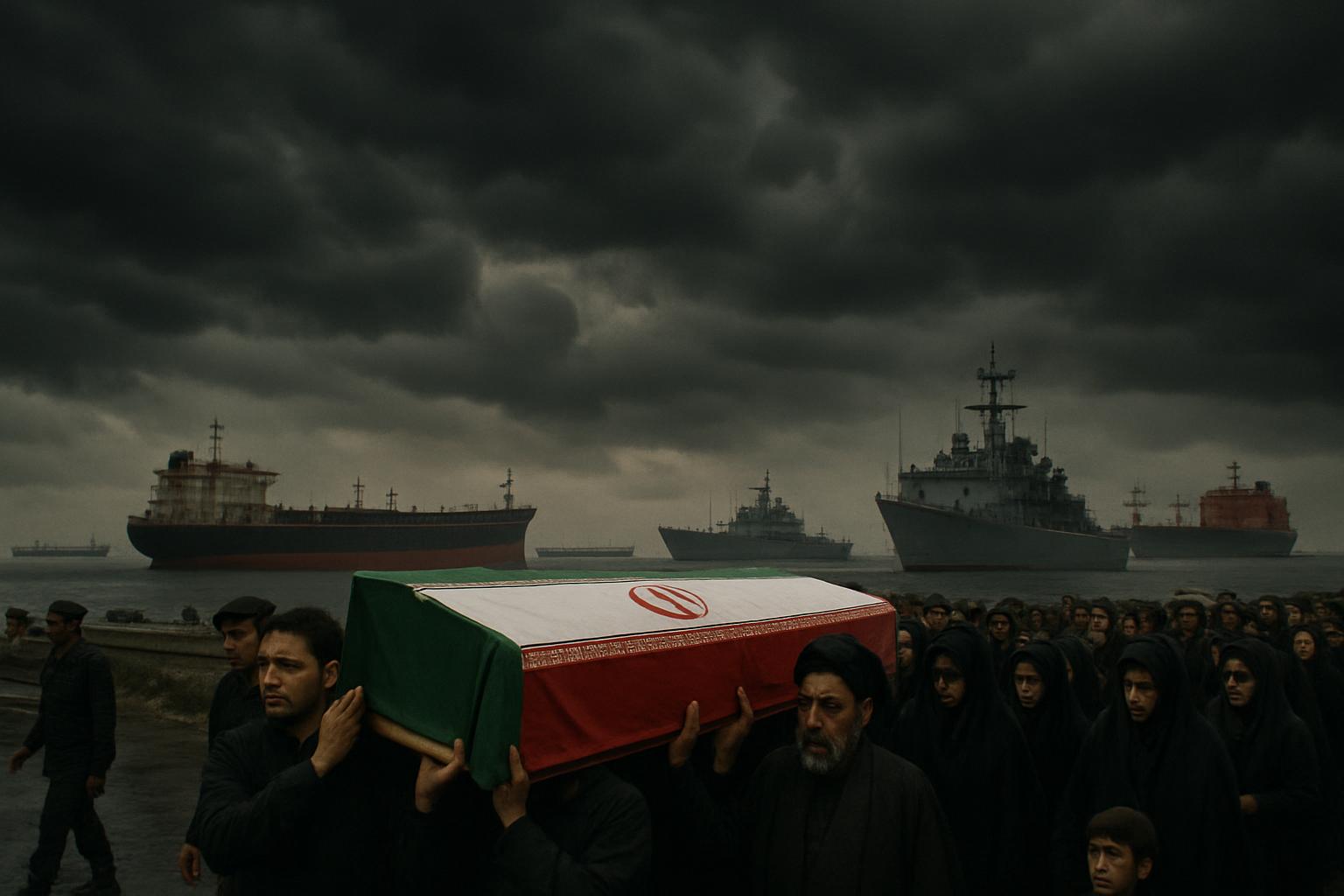
Iran Postpones Khamenei Funeral Amid Escalating US-Israeli Strikes

Cuba Faces Widespread Blackout Amid Deepening Fuel Crisis

UK Faces Dilemmas Amid Iran Conflict and China Spying Allegations
Trump's Remarks on Somali-Americans Stir Fear and Defiance in Minneapolis
In This Article
 Ethan Brooks| Published
 HIGHLIGHTS
- President Trump has intensified his criticism of the Somali-American community, calling them "garbage" and questioning their presence in the US.
- Trump's remarks have heightened fear among Somali-Americans in Minnesota, with community leaders expressing concerns over potential violence.
- The Trump administration plans to increase federal immigration enforcement in Minneapolis, targeting Somali residents with deportation orders.
- Minneapolis city officials, including Mayor Jacob Frey, have publicly supported the Somali community and implemented measures to limit federal enforcement actions.
- Allegations of fraud involving some Somali residents have been cited by Trump, though they represent a small fraction of the community.
President Donald Trump's recent comments targeting the Somali-American community have sparked fear and defiance in Minneapolis, a city known for its significant Somali population. Trump's remarks, which included calling Somalis "garbage" and questioning their presence in the United States, have been met with strong reactions from community leaders and local officials.
Heightened Fear Among Somali-Americans
In Minnesota, home to a large Somali-American community, Trump's comments have intensified existing fears. Aj Awed, executive director of the Cedar-Riverside Community Council, described the apprehension as "palpable." He noted that the president's words could incite violence against immigrants, stating, "When the president puts a bull's eye on the immigrant community here, that could encourage others to become more radicalised."
The fear is compounded by reports of increased federal immigration enforcement targeting undocumented immigrants in Minnesota. Community leaders are reconsidering public events due to safety concerns, as many Somali-Americans worry about being targeted despite their legal status.
Minneapolis Stands Behind Its Somali Community
In response to Trump's rhetoric, Minneapolis officials have taken steps to support the Somali community. Mayor Jacob Frey issued an executive order prohibiting the use of city-owned properties for immigration enforcement operations. The city has also promoted free legal clinics to assist residents with immigration issues.
"Minneapolis is – and will remain – a city that stands up for our residents," Frey stated, emphasizing the city's commitment to protecting its diverse population.
Fraud Allegations and Political Tensions
Trump's criticism of the Somali community has been partly fueled by allegations of fraud involving some Somali residents. Federal prosecutors have charged dozens of individuals in a scheme that defrauded Minnesota's social assistance program during the COVID-19 pandemic. While these cases involve a small fraction of the community, Trump has used them to paint a broader negative picture.
The House Oversight Committee has launched an investigation into Minnesota Governor Tim Walz's handling of the fraud allegations, adding another layer of political tension to the situation.
Community Resilience and Advocacy
Despite the challenges, Somali-Americans in Minneapolis remain resilient. Jamal Osman, a Minneapolis City Council member and naturalized citizen, expressed the community's frustration with being unfairly targeted. "Yes, people commit crimes, but an entire community should not be blamed based on what some individuals did," he said.
Community activists are organizing rights training and planning protective measures to support their neighbors, demonstrating a strong sense of solidarity and advocacy in the face of adversity.
WHAT THIS MIGHT MEAN
The ongoing tension between the Trump administration and the Somali-American community in Minneapolis could have significant legal and political implications. Increased federal enforcement actions may lead to heightened community unrest and further strain relations between local and federal authorities.
Politically, Trump's remarks and the subsequent response from Minneapolis officials highlight the deep divisions in the US over immigration policy and racial rhetoric. As the situation unfolds, it may influence broader national conversations about immigration reform and community protection measures.
Experts suggest that continued advocacy and legal support for immigrant communities will be crucial in navigating these challenges and ensuring that the rights of all residents are upheld.
Images from the Web
Related Articles
Congress Subpoenas Attorney General Bondi in Epstein Investigation
Senate Blocks Resolution to Limit Trump's Military Actions in Iran
Spain's Sánchez Stands Firm Against Trump's Trade Threat Over Iran Stance
Iran Postpones Khamenei Funeral Amid Escalating US-Israeli Strikes
Cuba Faces Widespread Blackout Amid Deepening Fuel Crisis
UK Faces Dilemmas Amid Iran Conflict and China Spying Allegations