
Trump's USAID Cuts Could Lead to 14 Million Deaths, Warns Lancet Report
In This Article
HIGHLIGHTS
- President Trump's decision to cut USAID funding could lead to over 14 million additional deaths by 2030, with a third being children.
- The Lancet study highlights the potential reversal of two decades of progress in health among vulnerable populations due to these cuts.
- Former Presidents Obama and Bush have publicly criticized the closure of USAID, calling it a "travesty" and a "colossal mistake."
- The USAID funding cuts are part of Trump's "America First" policy, aiming to reduce international aid spending.
- The US, historically the largest humanitarian aid provider, has seen its aid programs significantly reduced, impacting global aid efforts.
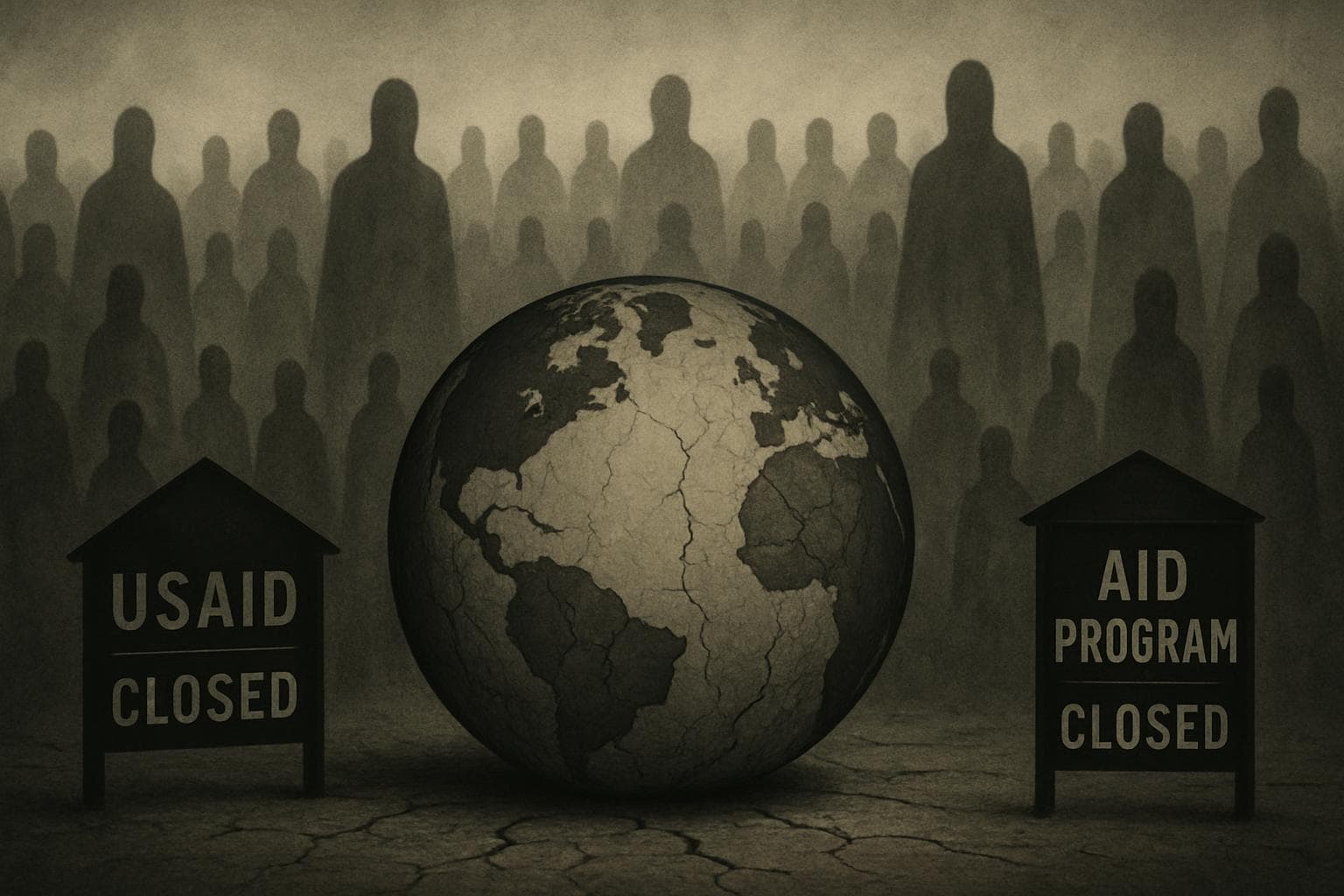
President Donald Trump's decision to drastically reduce funding for the US Agency for International Development (USAID) could result in over 14 million additional deaths by 2030, according to a recent study published in The Lancet medical journal. The report warns that a third of these deaths could be among children, marking a significant setback for global health progress.
Impact of Aid Cuts
The Trump administration's move to cut 83% of USAID's programs, as announced by US Secretary of State Marco Rubio, has sparked widespread condemnation from humanitarian organizations worldwide. The cuts are part of Trump's broader "America First" policy, which seeks to curtail what he perceives as wasteful overseas spending. The Lancet study, co-authored by Davide Rasella, suggests that the funding reductions could reverse two decades of health improvements in low- and middle-income countries, likening the impact to a global pandemic or major armed conflict.
Criticism from Former Presidents
In a rare public rebuke, former Presidents Barack Obama and George W. Bush criticized the closure of USAID, describing it as a "travesty" and a "colossal mistake." During a farewell video for USAID staff, Obama emphasized the agency's critical role in saving lives and fostering economic growth, which has turned aid recipients into US trade partners. The agency, founded by President John F. Kennedy, has historically enjoyed bipartisan support and has been instrumental in combating diseases like HIV, malaria, and tuberculosis.
Global Aid Landscape
The US has long been the world's largest provider of humanitarian aid, operating in over 60 countries. However, the recent funding cuts have prompted other nations, including the UK, France, and Germany, to follow suit with their own reductions. This has led to what the United Nations describes as "the deepest funding cuts ever to hit the international humanitarian sector." Despite the cuts, Rubio stated that approximately 1,000 US programs would continue under the State Department's oversight, albeit with a focus on more effective administration.
WHAT THIS MIGHT MEAN
The closure of USAID and the subsequent funding cuts could have far-reaching implications for global health and development. Experts warn that without a reversal of these cuts, vulnerable populations in low- and middle-income countries will face increased mortality rates and deteriorating health systems. The decision may also strain diplomatic relations, as the US's role as a leading humanitarian aid provider diminishes.
Politically, the move has sparked significant backlash, not only from former presidents but also from international allies and humanitarian organizations. If the cuts remain in place, the US may face challenges in maintaining its influence on the global stage and could see a decline in its soft power. As the world grapples with these changes, the need for innovative solutions and increased collaboration among international donors becomes more pressing than ever.
Related Articles
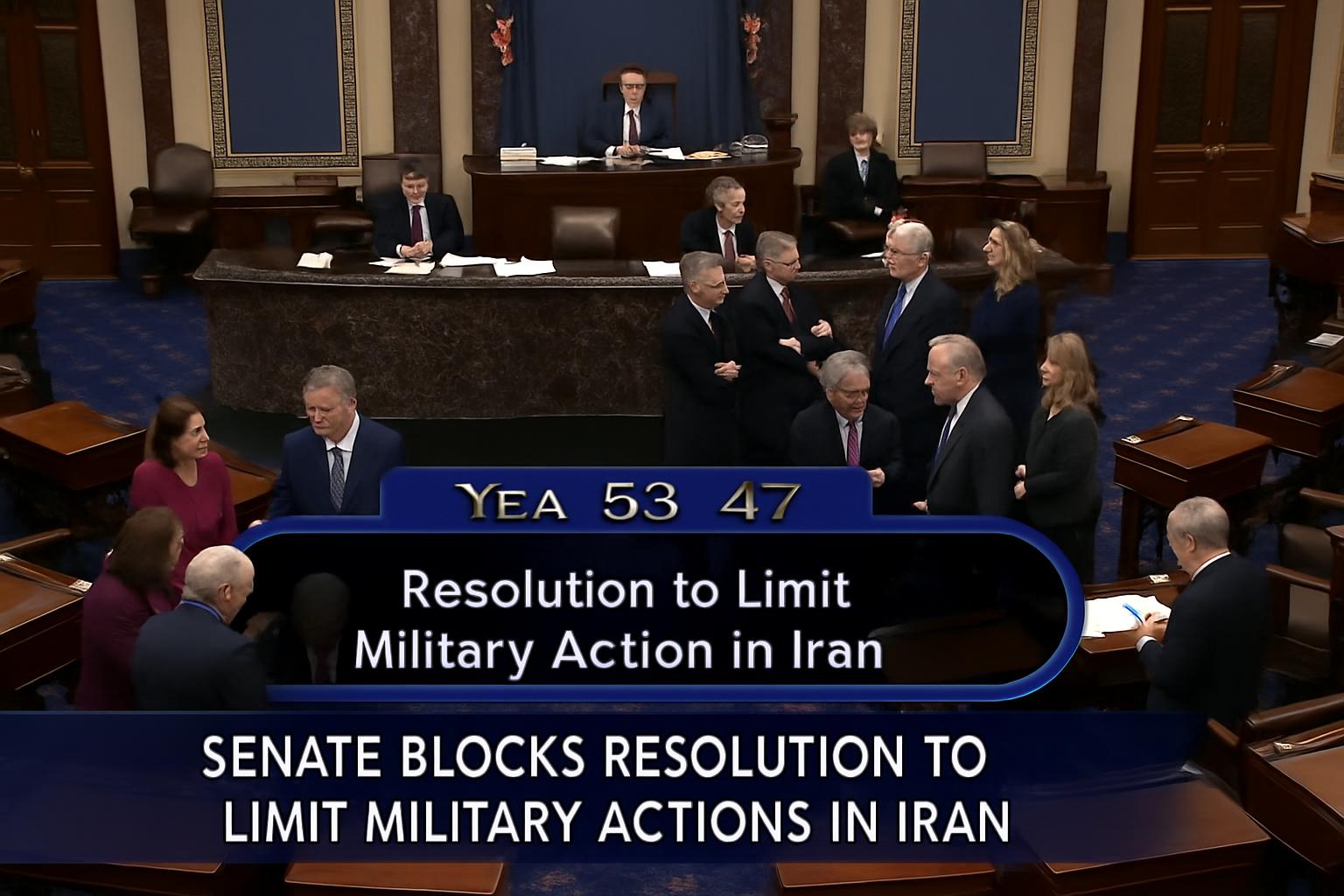
Senate Blocks Resolution to Limit Trump's Military Actions in Iran
Intensified US-Israel Strikes on Iran Spark Global Outcry

UK-Iran Tensions: Starmer Defends Cautious Approach Amid Trump Criticism
Spain's Sánchez Stands Firm Against Trump's Trade Threat Over Iran Stance
Congress Subpoenas Attorney General Bondi in Epstein Investigation

UK Faces Dilemmas Amid Iran Conflict and China Spying Allegations
Trump's USAID Cuts Could Lead to 14 Million Deaths, Warns Lancet Report
In This Article
 Ethan Brooks| Published
 HIGHLIGHTS
- President Trump's decision to cut USAID funding could lead to over 14 million additional deaths by 2030, with a third being children.
- The Lancet study highlights the potential reversal of two decades of progress in health among vulnerable populations due to these cuts.
- Former Presidents Obama and Bush have publicly criticized the closure of USAID, calling it a "travesty" and a "colossal mistake."
- The USAID funding cuts are part of Trump's "America First" policy, aiming to reduce international aid spending.
- The US, historically the largest humanitarian aid provider, has seen its aid programs significantly reduced, impacting global aid efforts.
President Donald Trump's decision to drastically reduce funding for the US Agency for International Development (USAID) could result in over 14 million additional deaths by 2030, according to a recent study published in The Lancet medical journal. The report warns that a third of these deaths could be among children, marking a significant setback for global health progress.
Impact of Aid Cuts
The Trump administration's move to cut 83% of USAID's programs, as announced by US Secretary of State Marco Rubio, has sparked widespread condemnation from humanitarian organizations worldwide. The cuts are part of Trump's broader "America First" policy, which seeks to curtail what he perceives as wasteful overseas spending. The Lancet study, co-authored by Davide Rasella, suggests that the funding reductions could reverse two decades of health improvements in low- and middle-income countries, likening the impact to a global pandemic or major armed conflict.
Criticism from Former Presidents
In a rare public rebuke, former Presidents Barack Obama and George W. Bush criticized the closure of USAID, describing it as a "travesty" and a "colossal mistake." During a farewell video for USAID staff, Obama emphasized the agency's critical role in saving lives and fostering economic growth, which has turned aid recipients into US trade partners. The agency, founded by President John F. Kennedy, has historically enjoyed bipartisan support and has been instrumental in combating diseases like HIV, malaria, and tuberculosis.
Global Aid Landscape
The US has long been the world's largest provider of humanitarian aid, operating in over 60 countries. However, the recent funding cuts have prompted other nations, including the UK, France, and Germany, to follow suit with their own reductions. This has led to what the United Nations describes as "the deepest funding cuts ever to hit the international humanitarian sector." Despite the cuts, Rubio stated that approximately 1,000 US programs would continue under the State Department's oversight, albeit with a focus on more effective administration.
WHAT THIS MIGHT MEAN
The closure of USAID and the subsequent funding cuts could have far-reaching implications for global health and development. Experts warn that without a reversal of these cuts, vulnerable populations in low- and middle-income countries will face increased mortality rates and deteriorating health systems. The decision may also strain diplomatic relations, as the US's role as a leading humanitarian aid provider diminishes.
Politically, the move has sparked significant backlash, not only from former presidents but also from international allies and humanitarian organizations. If the cuts remain in place, the US may face challenges in maintaining its influence on the global stage and could see a decline in its soft power. As the world grapples with these changes, the need for innovative solutions and increased collaboration among international donors becomes more pressing than ever.
Related Articles
Senate Blocks Resolution to Limit Trump's Military Actions in Iran
Intensified US-Israel Strikes on Iran Spark Global Outcry
UK-Iran Tensions: Starmer Defends Cautious Approach Amid Trump Criticism
Spain's Sánchez Stands Firm Against Trump's Trade Threat Over Iran Stance
Congress Subpoenas Attorney General Bondi in Epstein Investigation
UK Faces Dilemmas Amid Iran Conflict and China Spying Allegations