
Trump's Vetoes Spark Political Tensions Over Water Projects and Tribal Rights
In This Article
HIGHLIGHTS
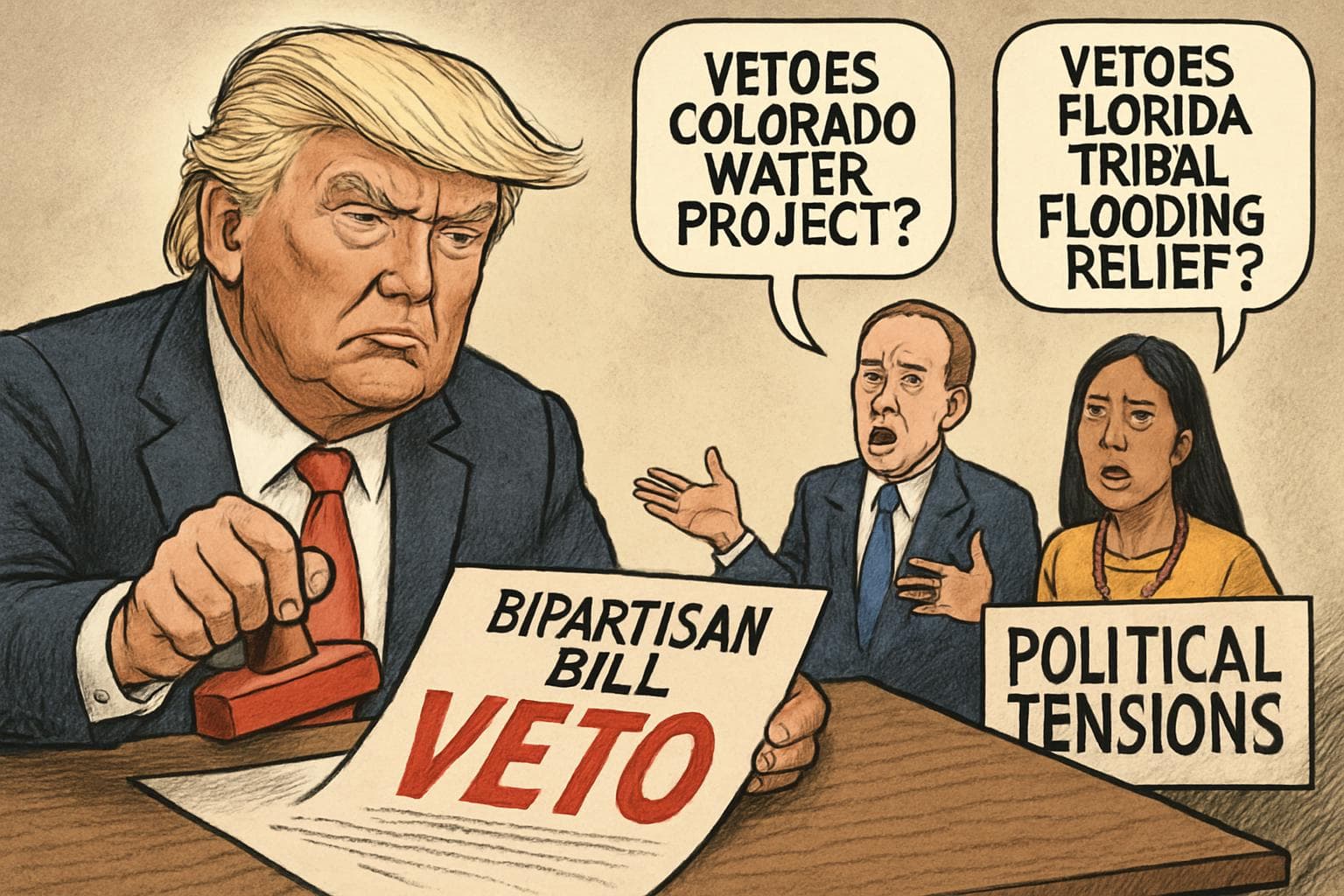
- President Trump vetoed two bipartisan bills, marking his first vetoes of his second term, potentially setting up a legislative showdown.
- One vetoed bill aimed to fund a water project in Colorado, which Representative Lauren Boebert claims is political retaliation.
- The second vetoed bill involved a flooding mitigation project for the Miccosukee Tribe in Florida, linked to a controversial detention center.
- Trump cited economic concerns and unauthorized land use as reasons for the vetoes, aligning with his administration's fiscal policies.
- The vetoes follow Trump's pardon of Tina Peters, a Colorado official convicted of election-related offenses, highlighting ongoing political tensions.
President Donald Trump has issued his first vetoes since retaking the White House, rejecting two bipartisan bills that have stirred political tensions and raised questions about potential retaliation. The vetoes, which could lead to a legislative confrontation, involve a water project in Colorado and a tribal flooding mitigation effort in Florida.
Colorado Water Project Veto
One of the vetoed bills, sponsored by Republican Representative Lauren Boebert, aimed to fund a long-standing project to provide safe drinking water to 39 communities in Colorado's eastern plains. The region struggles with high salt levels and radioactive contamination in its groundwater. Trump, in his veto message, criticized the project as economically unviable, stating, "My Administration is committed to preventing American taxpayers from funding expensive and unreliable policies."
Boebert, a staunch Trump ally, expressed her disappointment, suggesting the veto might be politically motivated due to her recent push for the release of Jeffrey Epstein files. "I sincerely hope this veto has nothing to do with political retaliation," she remarked, highlighting the bill's unanimous support in Congress.
Miccosukee Tribe and "Alligator Alcatraz"
The second vetoed bill involved a $14 million project to protect the Miccosukee Tribe's Osceola Camp in Florida's Everglades. The tribe has been embroiled in a legal battle against the construction of an immigration detention center, dubbed "Alligator Alcatraz," which they argue poses environmental risks. Trump justified the veto by citing unauthorized land use and the tribe's opposition to his immigration policies.
Political Context and Implications
These vetoes come amid Trump's ongoing conflict with Colorado's political leaders over the imprisonment of Tina Peters, a former county clerk convicted of election-related offenses. Despite Trump's federal pardon, Peters remains incarcerated under state charges. Trump's call for her release has become a rallying point for his supporters, further complicating the political landscape.
WHAT THIS MIGHT MEAN
The vetoes could lead to a significant legislative battle if Congress attempts to override them, testing the strength of bipartisan support. Representative Boebert's claims of political retaliation may fuel further divisions within the Republican Party, especially among Trump's allies. Additionally, the Miccosukee Tribe's legal challenges could gain momentum, potentially impacting future tribal and environmental policies. As Trump navigates these controversies, his administration's stance on fiscal responsibility and immigration remains a focal point, influencing both domestic and tribal relations.
Related Articles
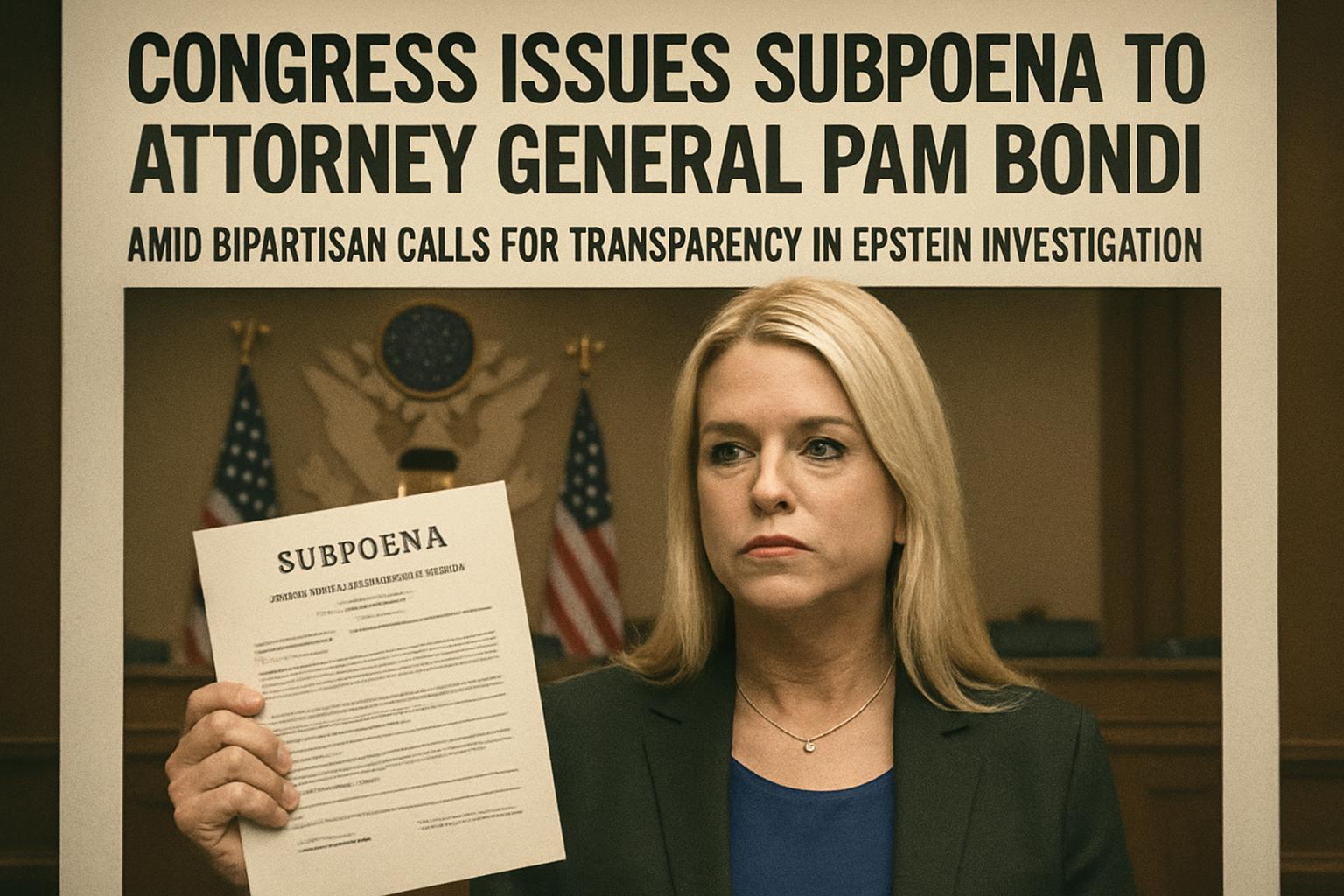
Congress Subpoenas Attorney General Bondi in Epstein Investigation
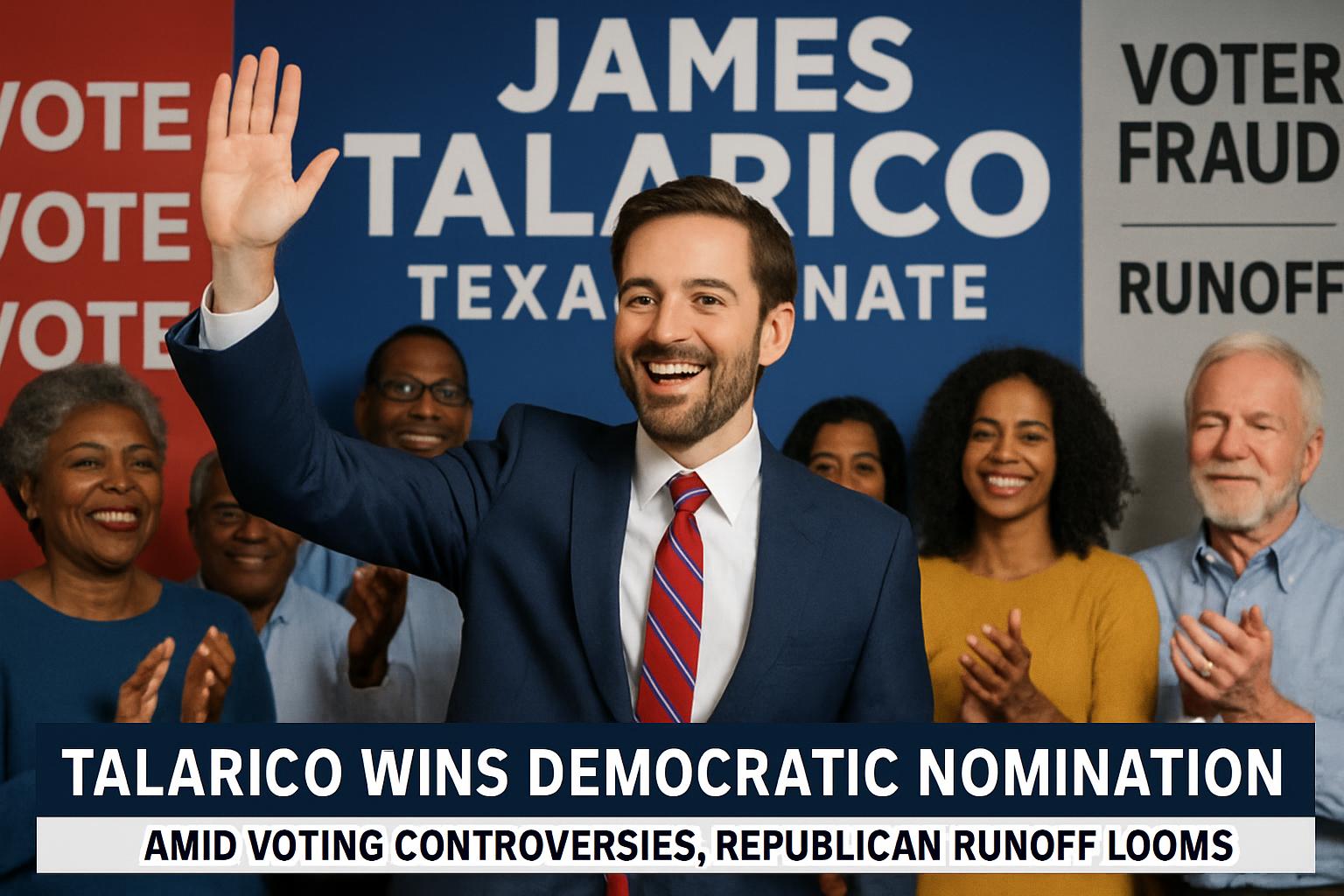
James Talarico Secures Democratic Nomination in Texas Senate Race Amidst Republican Runoff
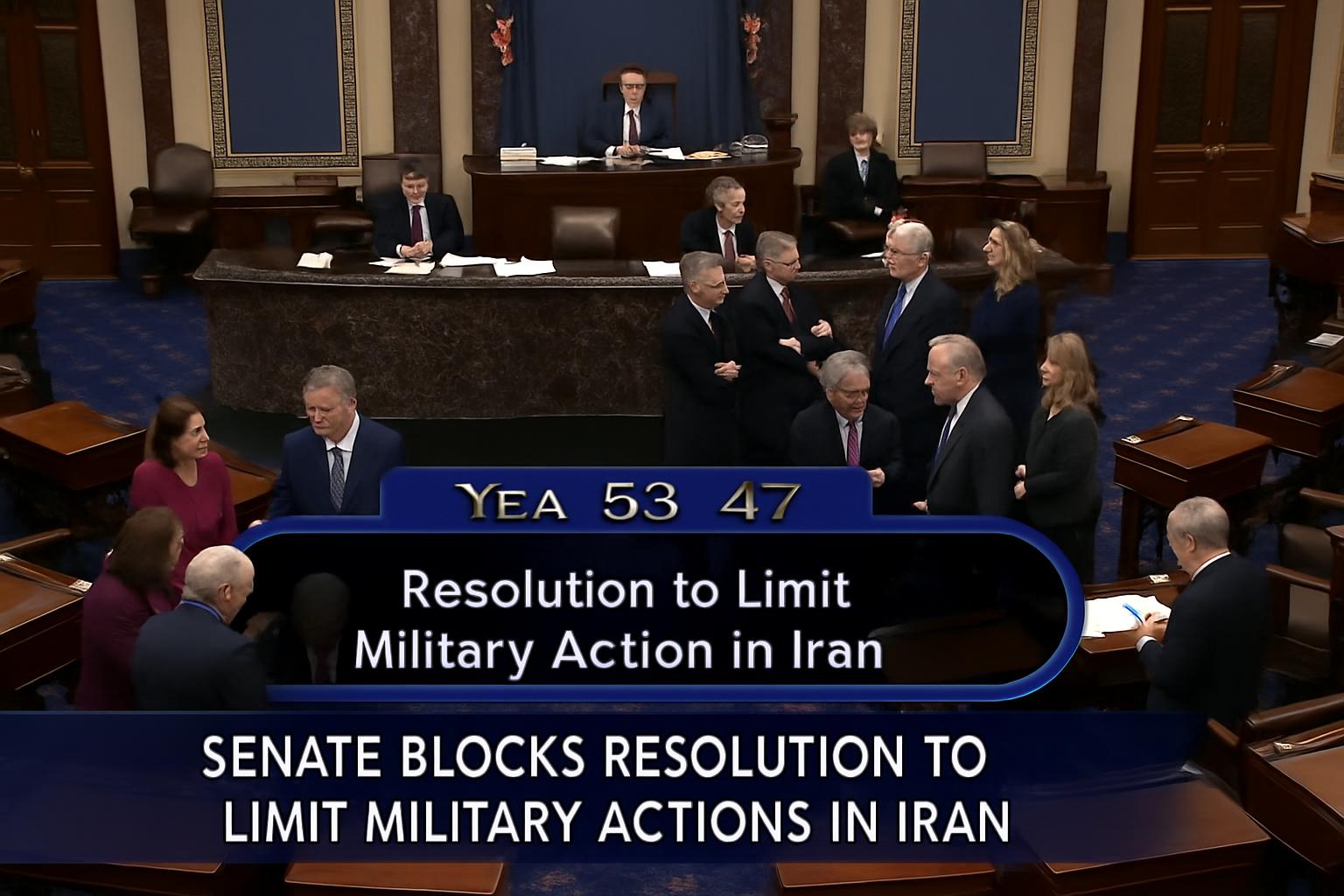
Senate Blocks Resolution to Limit Trump's Military Actions in Iran

Armed Intruder Fatally Shot at Mar-a-Lago by Secret Service

Tech Giants Pledge to Cover AI Data Center Energy Costs Amid Rising Electricity Concerns
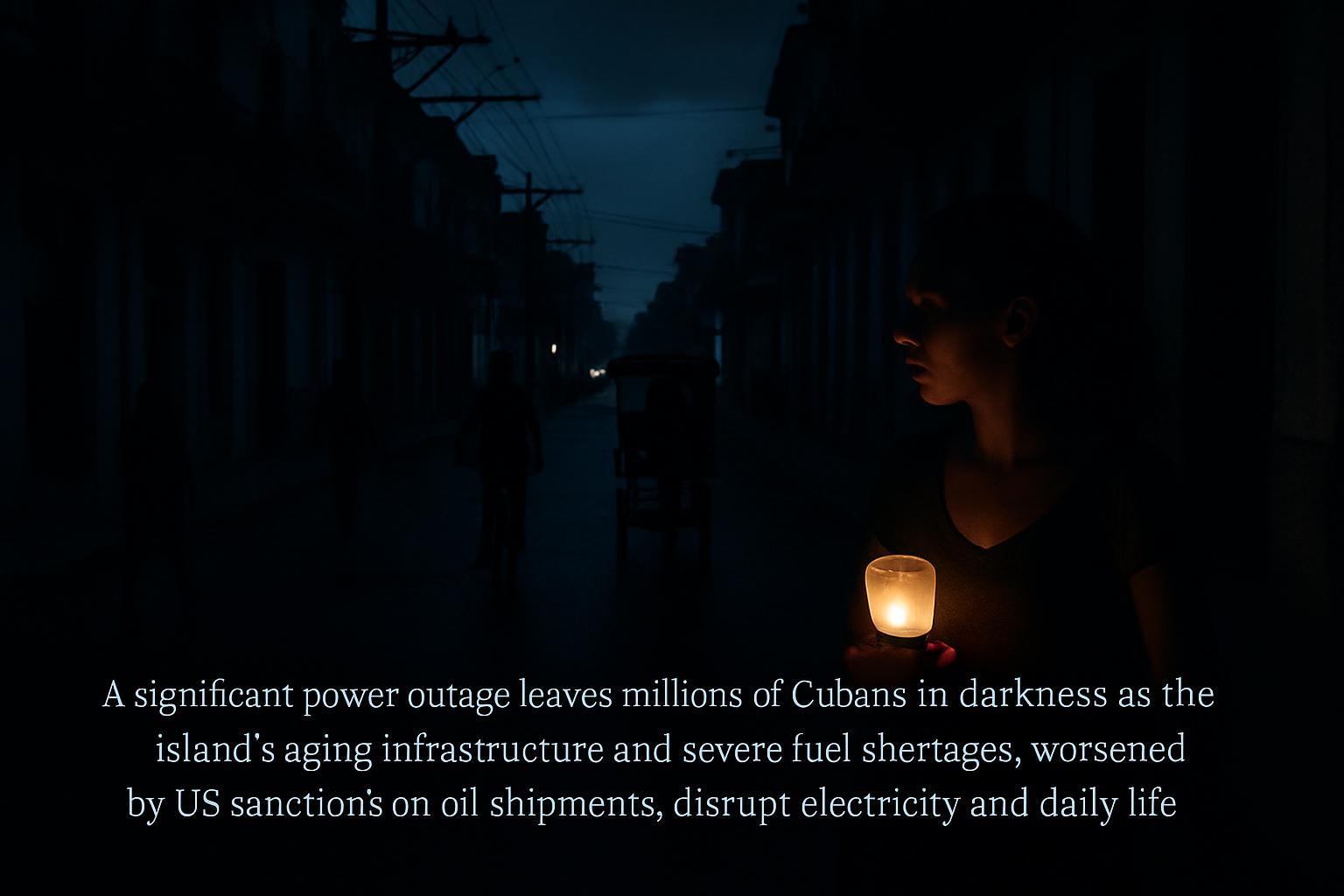
Cuba Faces Widespread Blackout Amid Deepening Fuel Crisis
Trump's Vetoes Spark Political Tensions Over Water Projects and Tribal Rights
In This Article
 Alex Carter| Published
 HIGHLIGHTS
- President Trump vetoed two bipartisan bills, marking his first vetoes of his second term, potentially setting up a legislative showdown.
- One vetoed bill aimed to fund a water project in Colorado, which Representative Lauren Boebert claims is political retaliation.
- The second vetoed bill involved a flooding mitigation project for the Miccosukee Tribe in Florida, linked to a controversial detention center.
- Trump cited economic concerns and unauthorized land use as reasons for the vetoes, aligning with his administration's fiscal policies.
- The vetoes follow Trump's pardon of Tina Peters, a Colorado official convicted of election-related offenses, highlighting ongoing political tensions.
President Donald Trump has issued his first vetoes since retaking the White House, rejecting two bipartisan bills that have stirred political tensions and raised questions about potential retaliation. The vetoes, which could lead to a legislative confrontation, involve a water project in Colorado and a tribal flooding mitigation effort in Florida.
Colorado Water Project Veto
One of the vetoed bills, sponsored by Republican Representative Lauren Boebert, aimed to fund a long-standing project to provide safe drinking water to 39 communities in Colorado's eastern plains. The region struggles with high salt levels and radioactive contamination in its groundwater. Trump, in his veto message, criticized the project as economically unviable, stating, "My Administration is committed to preventing American taxpayers from funding expensive and unreliable policies."
Boebert, a staunch Trump ally, expressed her disappointment, suggesting the veto might be politically motivated due to her recent push for the release of Jeffrey Epstein files. "I sincerely hope this veto has nothing to do with political retaliation," she remarked, highlighting the bill's unanimous support in Congress.
Miccosukee Tribe and "Alligator Alcatraz"
The second vetoed bill involved a $14 million project to protect the Miccosukee Tribe's Osceola Camp in Florida's Everglades. The tribe has been embroiled in a legal battle against the construction of an immigration detention center, dubbed "Alligator Alcatraz," which they argue poses environmental risks. Trump justified the veto by citing unauthorized land use and the tribe's opposition to his immigration policies.
Political Context and Implications
These vetoes come amid Trump's ongoing conflict with Colorado's political leaders over the imprisonment of Tina Peters, a former county clerk convicted of election-related offenses. Despite Trump's federal pardon, Peters remains incarcerated under state charges. Trump's call for her release has become a rallying point for his supporters, further complicating the political landscape.
WHAT THIS MIGHT MEAN
The vetoes could lead to a significant legislative battle if Congress attempts to override them, testing the strength of bipartisan support. Representative Boebert's claims of political retaliation may fuel further divisions within the Republican Party, especially among Trump's allies. Additionally, the Miccosukee Tribe's legal challenges could gain momentum, potentially impacting future tribal and environmental policies. As Trump navigates these controversies, his administration's stance on fiscal responsibility and immigration remains a focal point, influencing both domestic and tribal relations.
Related Articles
Congress Subpoenas Attorney General Bondi in Epstein Investigation
James Talarico Secures Democratic Nomination in Texas Senate Race Amidst Republican Runoff
Senate Blocks Resolution to Limit Trump's Military Actions in Iran
Armed Intruder Fatally Shot at Mar-a-Lago by Secret Service
Tech Giants Pledge to Cover AI Data Center Energy Costs Amid Rising Electricity Concerns
Cuba Faces Widespread Blackout Amid Deepening Fuel Crisis