
UK Air Traffic Control Outage Sparks Flight Disruptions and Criticism
In This Article
HIGHLIGHTS
- A radar-related technical failure at NATS caused over 150 flight cancellations and delays in the UK.
- The incident, lasting 20 minutes, was deemed an "isolated event" with no evidence of a cyber attack.
- Transport Secretary Heidi Alexander confirmed normal operations resumed and urged passengers to check flight statuses.
- Ryanair has called for NATS CEO Martin Rolfe's resignation, citing repeated failures since 2023.
- NATS is conducting an internal investigation, but no formal report will be submitted to the Department for Transport.
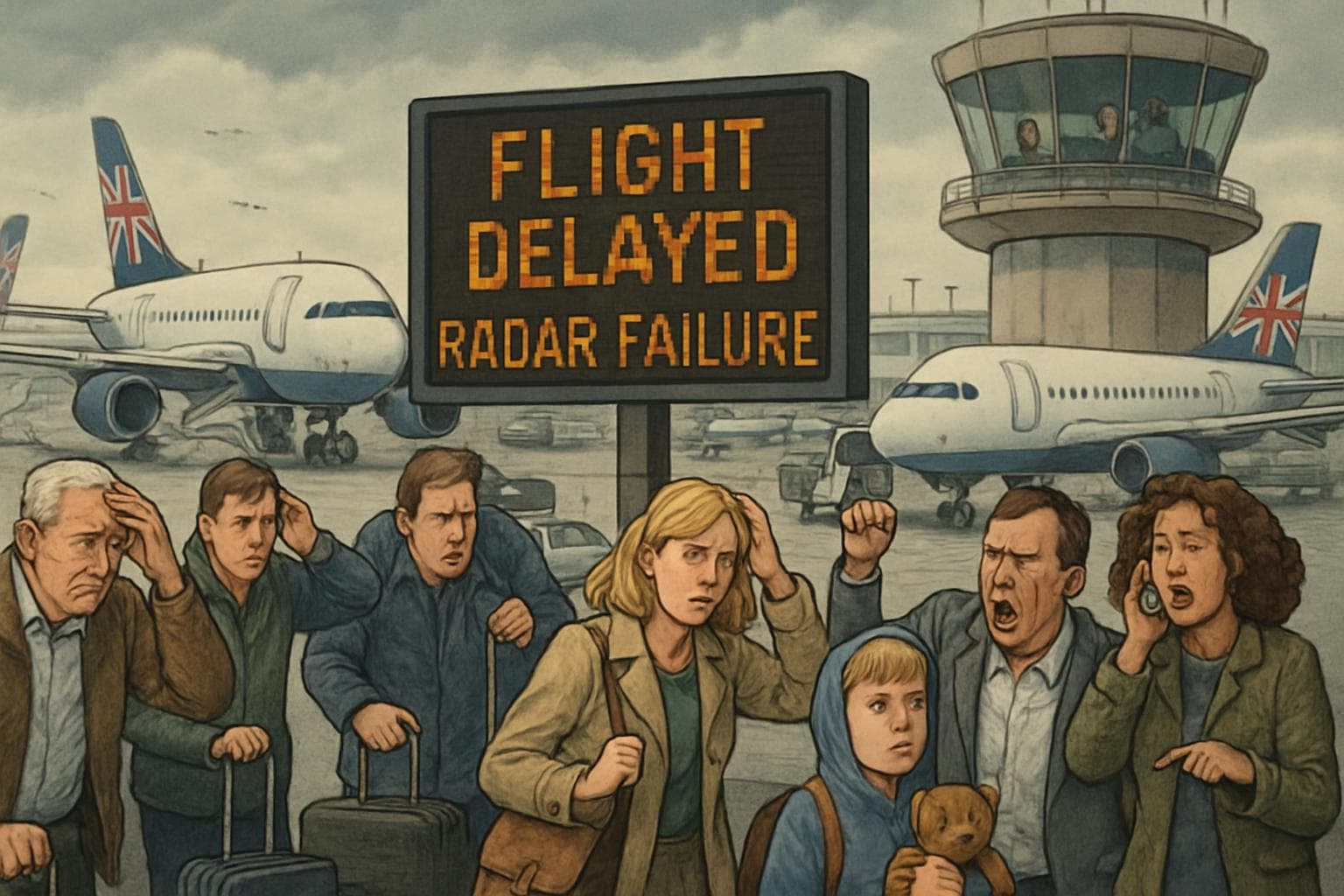
A brief radar-related technical failure at the UK's National Air Traffic Services (NATS) led to significant flight disruptions on Wednesday, affecting airports across the country. The outage, which lasted only 20 minutes, resulted in over 150 flight cancellations and numerous delays, with the impact extending into Thursday.
Technical Fault and Response
NATS, responsible for managing UK airspace, attributed the disruption to a radar display issue at its Swanwick control centre. The organization swiftly switched to a backup system, ensuring safety by reducing air traffic during the incident. Transport Secretary Heidi Alexander confirmed that the fault was an "isolated event" with no evidence of malign activity, dismissing concerns of a cyber attack.
Airline Reactions and Passenger Impact
The disruption primarily affected Heathrow, where 84 departures and 71 arrivals were cancelled. Some flights were diverted to European cities, and a few British Airways flights faced cancellations on Thursday due to logistical challenges. Passengers were advised to check with airlines for updated flight information. Ryanair, vocal in its criticism, called for the resignation of NATS CEO Martin Rolfe, arguing that lessons from previous failures had not been learned.
Ongoing Investigations and Future Measures
NATS is conducting an internal investigation to understand the root cause of the failure. However, no formal report will be submitted to the Department for Transport. Despite the criticism, former CANSO director Graham Lake defended NATS, emphasizing the inevitability of technical failures and the quick recovery time.
WHAT THIS MIGHT MEAN
The recent air traffic control failure highlights the vulnerability of critical infrastructure to technical glitches. While NATS has assured that the incident was isolated, the repeated disruptions have raised concerns about the robustness of the UK's air traffic management systems. Moving forward, NATS may need to enhance its technical resilience and communication strategies to restore confidence among airlines and passengers.
The call for Martin Rolfe's resignation underscores the pressure on leadership to ensure operational reliability. If similar incidents occur, it could lead to increased scrutiny from regulatory bodies and potential policy changes to prevent future disruptions. As the aviation industry continues to recover from pandemic-related challenges, maintaining seamless air traffic operations remains crucial for passenger trust and economic stability.
Related Articles

UK Government to Reform Asylum Seeker Support and Employment Policies

UK Faces Dilemmas Amid Iran Conflict and China Spying Allegations
UK Reinforces Military Presence in Cyprus Amid Middle East Tensions

UK-Iran Tensions: Starmer Defends Cautious Approach Amid Trump Criticism

Persistent Safety Concerns in Nottingham Maternity Services Amidst Calls for Systemic Reform

Diplomatic Tensions Rise as Trump Criticizes Starmer's Iran Policy
UK Air Traffic Control Outage Sparks Flight Disruptions and Criticism
In This Article
 Ethan Brooks| Published
 HIGHLIGHTS
- A radar-related technical failure at NATS caused over 150 flight cancellations and delays in the UK.
- The incident, lasting 20 minutes, was deemed an "isolated event" with no evidence of a cyber attack.
- Transport Secretary Heidi Alexander confirmed normal operations resumed and urged passengers to check flight statuses.
- Ryanair has called for NATS CEO Martin Rolfe's resignation, citing repeated failures since 2023.
- NATS is conducting an internal investigation, but no formal report will be submitted to the Department for Transport.
A brief radar-related technical failure at the UK's National Air Traffic Services (NATS) led to significant flight disruptions on Wednesday, affecting airports across the country. The outage, which lasted only 20 minutes, resulted in over 150 flight cancellations and numerous delays, with the impact extending into Thursday.
Technical Fault and Response
NATS, responsible for managing UK airspace, attributed the disruption to a radar display issue at its Swanwick control centre. The organization swiftly switched to a backup system, ensuring safety by reducing air traffic during the incident. Transport Secretary Heidi Alexander confirmed that the fault was an "isolated event" with no evidence of malign activity, dismissing concerns of a cyber attack.
Airline Reactions and Passenger Impact
The disruption primarily affected Heathrow, where 84 departures and 71 arrivals were cancelled. Some flights were diverted to European cities, and a few British Airways flights faced cancellations on Thursday due to logistical challenges. Passengers were advised to check with airlines for updated flight information. Ryanair, vocal in its criticism, called for the resignation of NATS CEO Martin Rolfe, arguing that lessons from previous failures had not been learned.
Ongoing Investigations and Future Measures
NATS is conducting an internal investigation to understand the root cause of the failure. However, no formal report will be submitted to the Department for Transport. Despite the criticism, former CANSO director Graham Lake defended NATS, emphasizing the inevitability of technical failures and the quick recovery time.
WHAT THIS MIGHT MEAN
The recent air traffic control failure highlights the vulnerability of critical infrastructure to technical glitches. While NATS has assured that the incident was isolated, the repeated disruptions have raised concerns about the robustness of the UK's air traffic management systems. Moving forward, NATS may need to enhance its technical resilience and communication strategies to restore confidence among airlines and passengers.
The call for Martin Rolfe's resignation underscores the pressure on leadership to ensure operational reliability. If similar incidents occur, it could lead to increased scrutiny from regulatory bodies and potential policy changes to prevent future disruptions. As the aviation industry continues to recover from pandemic-related challenges, maintaining seamless air traffic operations remains crucial for passenger trust and economic stability.
Related Articles
UK Government to Reform Asylum Seeker Support and Employment Policies
UK Faces Dilemmas Amid Iran Conflict and China Spying Allegations
UK Reinforces Military Presence in Cyprus Amid Middle East Tensions
UK-Iran Tensions: Starmer Defends Cautious Approach Amid Trump Criticism
Persistent Safety Concerns in Nottingham Maternity Services Amidst Calls for Systemic Reform
Diplomatic Tensions Rise as Trump Criticizes Starmer's Iran Policy