
UK Government to Boost Electric Vehicle Subsidies Amid Tax Concerns
In This Article
HIGHLIGHTS
- The UK government plans to inject an additional £1.3 billion into the Electric Car Grant scheme to encourage the adoption of electric vehicles (EVs).
- A further £200 million will be allocated to expand the charging infrastructure across the country, addressing range anxiety among potential EV buyers.
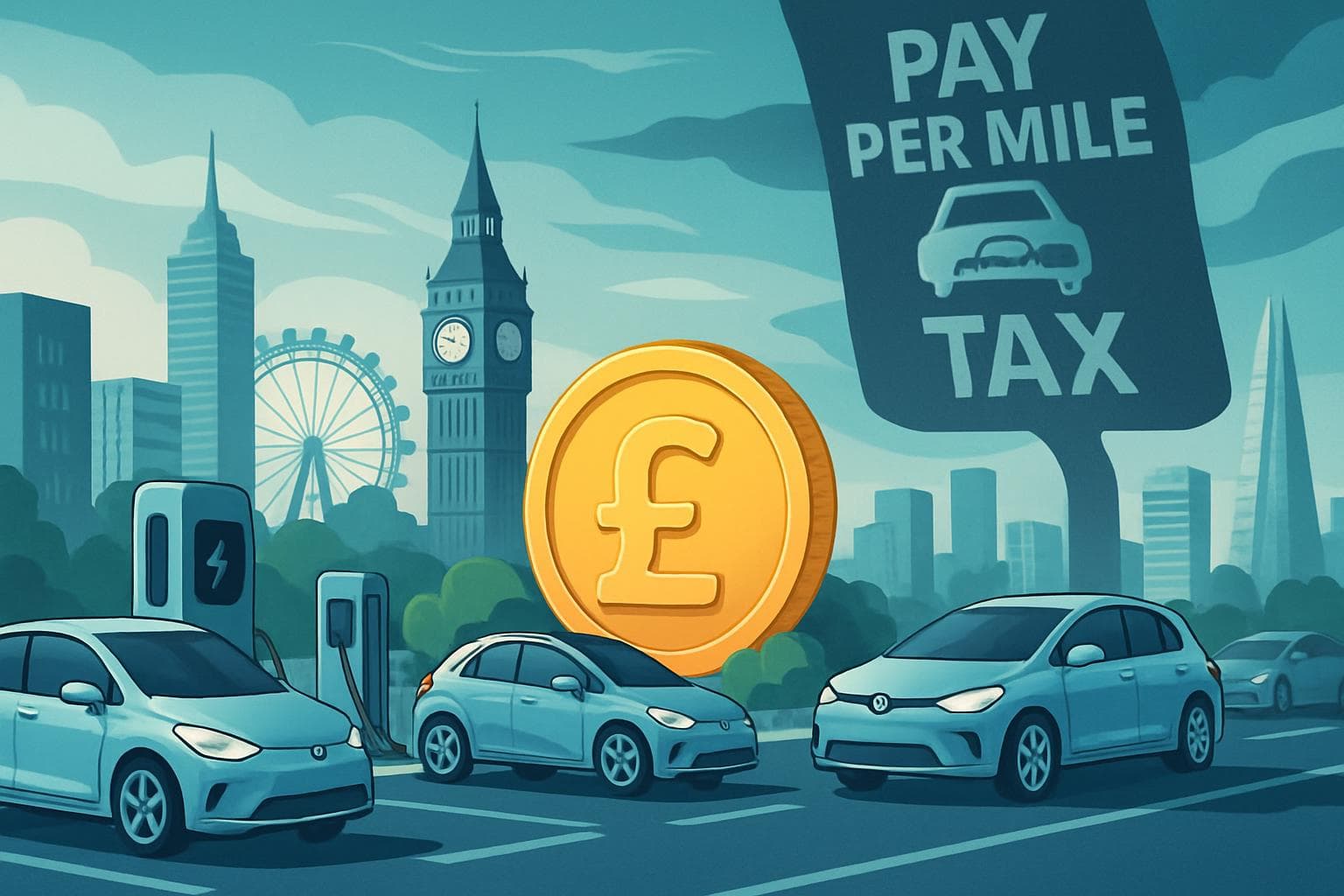
- The government is considering a new pay-per-mile tax on EVs, which could potentially increase the cost of ownership by £276 annually.
- The Electric Car Grant scheme, initially funded with £650 million, has so far assisted 35,000 drivers in purchasing EVs.
- The proposed pay-per-mile tax aims to compensate for the decline in fuel duty revenue as the UK transitions to zero-emission vehicles.
The UK government is set to announce a significant increase in funding for electric vehicle (EV) subsidies, with an additional £1.3 billion earmarked for the Electric Car Grant scheme. This move, expected to be revealed in next week's budget by Chancellor Rachel Reeves, aims to bolster the transition to zero-emission vehicles as the country prepares for a 2030 ban on new petrol and diesel cars.
Expanding Charging Infrastructure
Alongside the subsidy boost, the government will allocate £200 million to enhance the UK's charging infrastructure. This investment is intended to alleviate range anxiety, a common concern among prospective EV buyers, by increasing the number of charging points available nationwide. Currently, there are nearly 87,000 charging points across approximately 44,000 locations, including supermarket car parks and lamppost chargers.
Potential Pay-Per-Mile Tax
Despite the positive reception of increased subsidies, there are concerns about a proposed pay-per-mile tax on EVs. This tax, which could add an estimated £276 to the annual cost of owning an EV, is part of a broader strategy to address the anticipated decline in fuel duty revenue. As more drivers switch to electric vehicles, the government seeks to ensure a fair taxation system for all road users.
Mixed Reactions from Experts
The announcement has elicited mixed reactions from industry experts. Ginny Buckley, founder of electrifying.com, praised the subsidy increase but criticized the potential tax, stating, "You can’t incentivize people to get EVs while also floating the idea of pay-per-mile chargers." Meanwhile, Richard Holden, the shadow transport secretary, expressed concern over the financial burden on taxpayers, describing the subsidies as "madness" amid rising inflation.
The Future of Electric Vehicles in the UK
The Electric Car Grant scheme, which offers up to £3,750 off eligible vehicles, has already supported 35,000 drivers in transitioning to EVs. However, a study by New AutoMotive suggests the scheme has not significantly expanded the market, as EV registrations remain consistent with pre-grant levels. The government hopes the additional funding will further stimulate the market and support its goal of making one in three cars sold next year zero-emission.
WHAT THIS MIGHT MEAN
The proposed pay-per-mile tax could have significant implications for the EV market. While it aims to address the shortfall in fuel duty revenue, it may deter potential buyers, slowing the transition to electric vehicles. The government will need to carefully balance taxation policies with incentives to maintain momentum in the EV sector.
Additionally, the expansion of charging infrastructure is crucial to overcoming range anxiety and encouraging more drivers to switch to electric vehicles. As the UK moves towards its 2030 zero-emission target, the success of these initiatives will be pivotal in shaping the future of transportation in the country.
Related Articles
Trump's New Tariff Strategy Sparks Global Trade Uncertainty

US Supreme Court Ruling on Tariffs Sparks Uncertainty for UK and Global Trade
Middle East Conflict Drives UK Energy Prices to New Highs

Canada and Australia Forge Strategic Partnership Amid Global Uncertainty

UK Government to Reform Asylum Seeker Support and Employment Policies

UK Faces Dilemmas Amid Iran Conflict and China Spying Allegations
UK Government to Boost Electric Vehicle Subsidies Amid Tax Concerns
In This Article
 Daniel Rivera| Published
 HIGHLIGHTS
- The UK government plans to inject an additional £1.3 billion into the Electric Car Grant scheme to encourage the adoption of electric vehicles (EVs).
- A further £200 million will be allocated to expand the charging infrastructure across the country, addressing range anxiety among potential EV buyers.
- The government is considering a new pay-per-mile tax on EVs, which could potentially increase the cost of ownership by £276 annually.
- The Electric Car Grant scheme, initially funded with £650 million, has so far assisted 35,000 drivers in purchasing EVs.
- The proposed pay-per-mile tax aims to compensate for the decline in fuel duty revenue as the UK transitions to zero-emission vehicles.
The UK government is set to announce a significant increase in funding for electric vehicle (EV) subsidies, with an additional £1.3 billion earmarked for the Electric Car Grant scheme. This move, expected to be revealed in next week's budget by Chancellor Rachel Reeves, aims to bolster the transition to zero-emission vehicles as the country prepares for a 2030 ban on new petrol and diesel cars.
Expanding Charging Infrastructure
Alongside the subsidy boost, the government will allocate £200 million to enhance the UK's charging infrastructure. This investment is intended to alleviate range anxiety, a common concern among prospective EV buyers, by increasing the number of charging points available nationwide. Currently, there are nearly 87,000 charging points across approximately 44,000 locations, including supermarket car parks and lamppost chargers.
Potential Pay-Per-Mile Tax
Despite the positive reception of increased subsidies, there are concerns about a proposed pay-per-mile tax on EVs. This tax, which could add an estimated £276 to the annual cost of owning an EV, is part of a broader strategy to address the anticipated decline in fuel duty revenue. As more drivers switch to electric vehicles, the government seeks to ensure a fair taxation system for all road users.
Mixed Reactions from Experts
The announcement has elicited mixed reactions from industry experts. Ginny Buckley, founder of electrifying.com, praised the subsidy increase but criticized the potential tax, stating, "You can’t incentivize people to get EVs while also floating the idea of pay-per-mile chargers." Meanwhile, Richard Holden, the shadow transport secretary, expressed concern over the financial burden on taxpayers, describing the subsidies as "madness" amid rising inflation.
The Future of Electric Vehicles in the UK
The Electric Car Grant scheme, which offers up to £3,750 off eligible vehicles, has already supported 35,000 drivers in transitioning to EVs. However, a study by New AutoMotive suggests the scheme has not significantly expanded the market, as EV registrations remain consistent with pre-grant levels. The government hopes the additional funding will further stimulate the market and support its goal of making one in three cars sold next year zero-emission.
WHAT THIS MIGHT MEAN
The proposed pay-per-mile tax could have significant implications for the EV market. While it aims to address the shortfall in fuel duty revenue, it may deter potential buyers, slowing the transition to electric vehicles. The government will need to carefully balance taxation policies with incentives to maintain momentum in the EV sector.
Additionally, the expansion of charging infrastructure is crucial to overcoming range anxiety and encouraging more drivers to switch to electric vehicles. As the UK moves towards its 2030 zero-emission target, the success of these initiatives will be pivotal in shaping the future of transportation in the country.
Related Articles
Trump's New Tariff Strategy Sparks Global Trade Uncertainty
US Supreme Court Ruling on Tariffs Sparks Uncertainty for UK and Global Trade
Middle East Conflict Drives UK Energy Prices to New Highs
Canada and Australia Forge Strategic Partnership Amid Global Uncertainty
UK Government to Reform Asylum Seeker Support and Employment Policies
UK Faces Dilemmas Amid Iran Conflict and China Spying Allegations