
UK Faces Arctic Chill as Communities Recover from Storm Claudia's Devastating Floods
In This Article
HIGHLIGHTS
- Storm Claudia has caused record flooding in the West Midlands, with Herefordshire and Worcestershire severely affected.
- Monmouth, Wales, experienced unprecedented flooding, prompting community support and emergency responses.
- The UK is bracing for a cold snap with Arctic air bringing freezing temperatures and potential snow.
- Flood warnings remain in place across parts of England and Wales, with ongoing clean-up efforts.
- Local authorities and residents are calling for a review of flood defences in light of climate change impacts.
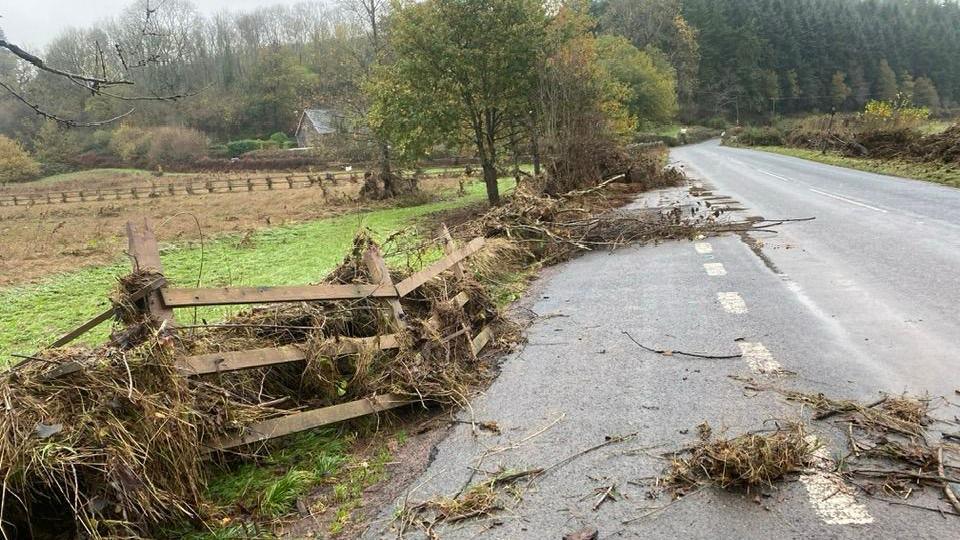
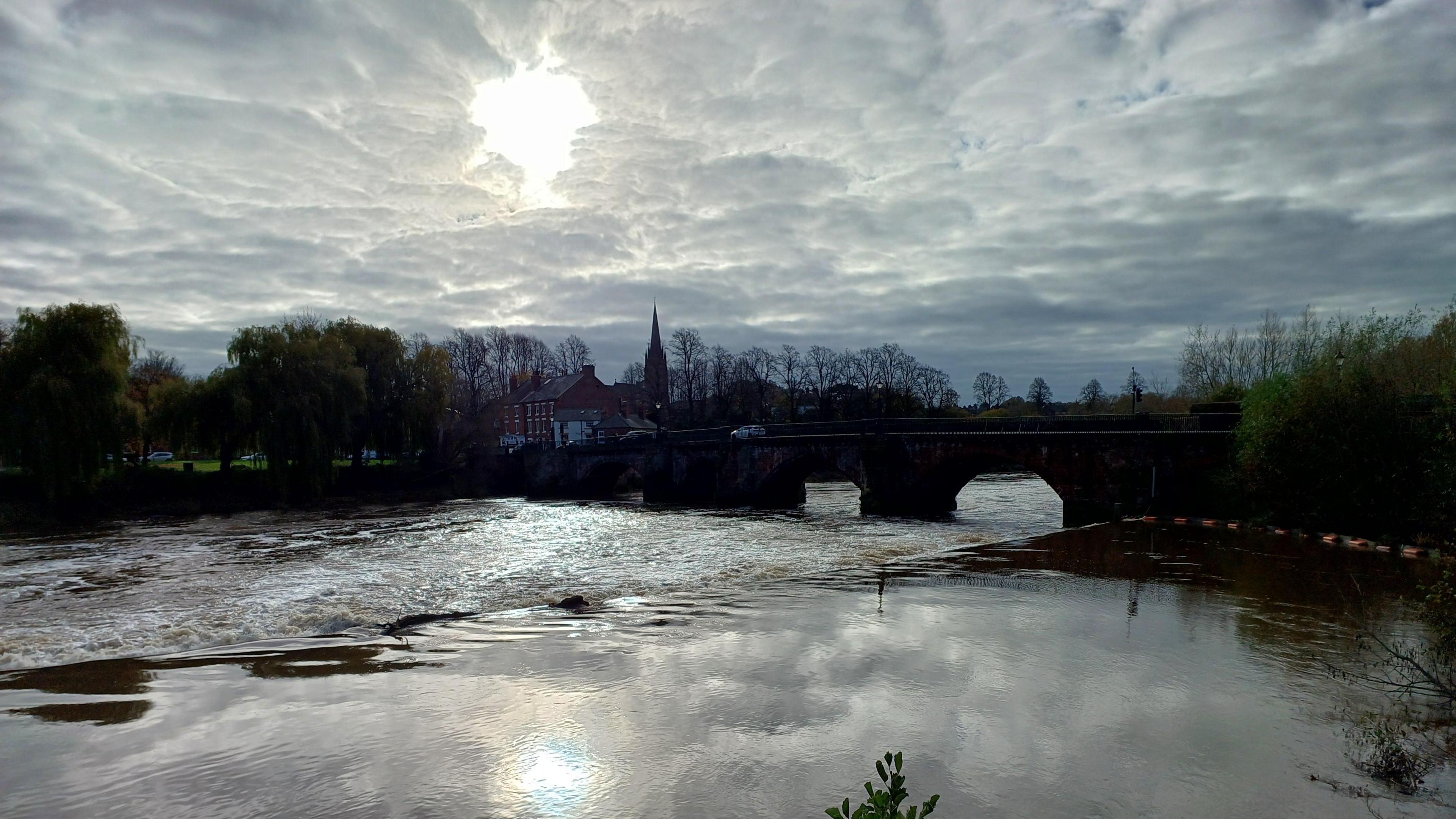
As the UK braces for a cold snap with Arctic air sweeping across the nation, communities continue to grapple with the aftermath of Storm Claudia, which unleashed record flooding in parts of the West Midlands and Wales. The storm, which brought more than a month's worth of rain in just a few days, has left a trail of destruction, prompting emergency responses and community solidarity.
Flooding in the West Midlands
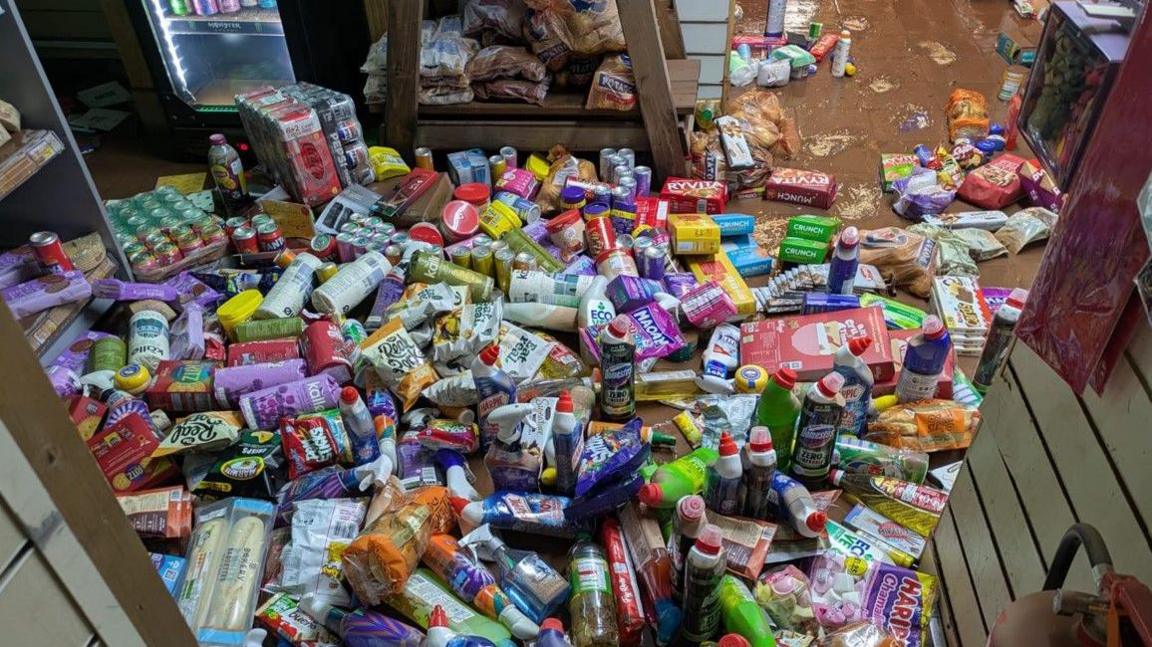
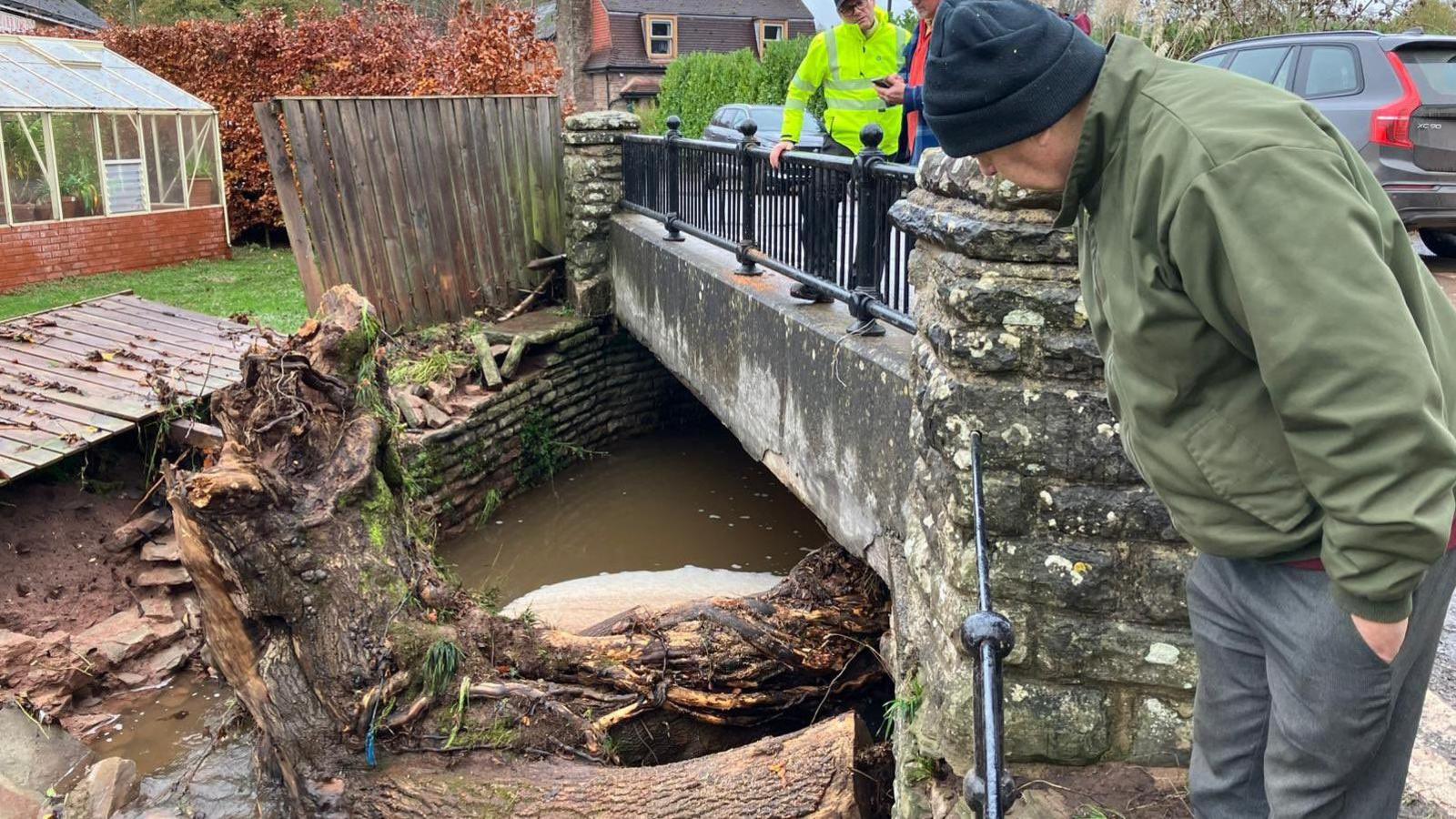
In the West Midlands, Herefordshire and Worcestershire bore the brunt of the storm's fury. The Dulas Brook in Ewyas Harold reached unprecedented levels, while Suckley recorded 80.6mm of rain in just 12 hours. Flood warnings remain in place for the Severn, Avon, and Teme rivers, with levels peaking in Shropshire. Local shop owner Bennie Krige, who was on holiday in South Africa, rushed back home upon witnessing the rising waters via CCTV. "I just knew that I needed to book a flight," he recounted.
Monmouth's Community Spirit
In Monmouth, Wales, residents and businesses are rallying together to support those affected by the severe flooding. The River Monnow surpassed previous record levels, leading to a major incident declaration, which was later rescinded. Local MP Catherine Fookes praised the community's resilience, noting the need to reassess flood defences in light of climate change. "This amount of water, coming very fast in a short space of hours, was most definitely unprecedented," she stated.
Cold Snap and Ongoing Challenges
As Storm Claudia retreats, the UK is set to experience a significant drop in temperatures, with the Met Office forecasting snow on higher ground in Scotland and northern England. The UK Health Security Agency has issued cold weather alerts, warning of potential impacts on health and social care services. Despite the storm's departure, flood warnings persist, and the Environment Agency cautions that minor flooding impacts may continue.
Calls for Action
The recent flooding has reignited calls for improved flood defences and climate change mitigation strategies. Herefordshire Council and local residents are urging for swift action to prevent future disasters. "We learn from every flood event," said Matt Lawrence from the Environment Agency, emphasizing the need for ongoing investigations and community engagement.
WHAT THIS MIGHT MEAN
As the UK navigates the dual challenges of post-storm recovery and an impending cold snap, the focus will likely shift towards long-term solutions to mitigate future flooding risks. Experts suggest that climate change is exacerbating extreme weather events, necessitating a reevaluation of existing flood defences. Local authorities may seek additional funding to bolster infrastructure and support affected communities. The coming weeks will be crucial in assessing the effectiveness of current measures and planning for a more resilient future.
Images from the Web
Related Articles

Saharan Dust to Illuminate UK Skies with Vivid Sunrises and Sunsets

Police Federation Chief Arrested Amid Fraud Investigation

Canada and Australia Forge Strategic Partnership Amid Global Uncertainty

UK Government to Reform Asylum Seeker Support and Employment Policies

Sisters Tragically Drown at Eryri National Park's Watkin Path
Middle East Conflict Drives UK Energy Prices to New Highs
UK Faces Arctic Chill as Communities Recover from Storm Claudia's Devastating Floods
In This Article
 Leila Hassan| Published
 HIGHLIGHTS
- Storm Claudia has caused record flooding in the West Midlands, with Herefordshire and Worcestershire severely affected.
- Monmouth, Wales, experienced unprecedented flooding, prompting community support and emergency responses.
- The UK is bracing for a cold snap with Arctic air bringing freezing temperatures and potential snow.
- Flood warnings remain in place across parts of England and Wales, with ongoing clean-up efforts.
- Local authorities and residents are calling for a review of flood defences in light of climate change impacts.
As the UK braces for a cold snap with Arctic air sweeping across the nation, communities continue to grapple with the aftermath of Storm Claudia, which unleashed record flooding in parts of the West Midlands and Wales. The storm, which brought more than a month's worth of rain in just a few days, has left a trail of destruction, prompting emergency responses and community solidarity.
Flooding in the West Midlands
In the West Midlands, Herefordshire and Worcestershire bore the brunt of the storm's fury. The Dulas Brook in Ewyas Harold reached unprecedented levels, while Suckley recorded 80.6mm of rain in just 12 hours. Flood warnings remain in place for the Severn, Avon, and Teme rivers, with levels peaking in Shropshire. Local shop owner Bennie Krige, who was on holiday in South Africa, rushed back home upon witnessing the rising waters via CCTV. "I just knew that I needed to book a flight," he recounted.
Monmouth's Community Spirit
In Monmouth, Wales, residents and businesses are rallying together to support those affected by the severe flooding. The River Monnow surpassed previous record levels, leading to a major incident declaration, which was later rescinded. Local MP Catherine Fookes praised the community's resilience, noting the need to reassess flood defences in light of climate change. "This amount of water, coming very fast in a short space of hours, was most definitely unprecedented," she stated.
Cold Snap and Ongoing Challenges
As Storm Claudia retreats, the UK is set to experience a significant drop in temperatures, with the Met Office forecasting snow on higher ground in Scotland and northern England. The UK Health Security Agency has issued cold weather alerts, warning of potential impacts on health and social care services. Despite the storm's departure, flood warnings persist, and the Environment Agency cautions that minor flooding impacts may continue.
Calls for Action
The recent flooding has reignited calls for improved flood defences and climate change mitigation strategies. Herefordshire Council and local residents are urging for swift action to prevent future disasters. "We learn from every flood event," said Matt Lawrence from the Environment Agency, emphasizing the need for ongoing investigations and community engagement.
WHAT THIS MIGHT MEAN
As the UK navigates the dual challenges of post-storm recovery and an impending cold snap, the focus will likely shift towards long-term solutions to mitigate future flooding risks. Experts suggest that climate change is exacerbating extreme weather events, necessitating a reevaluation of existing flood defences. Local authorities may seek additional funding to bolster infrastructure and support affected communities. The coming weeks will be crucial in assessing the effectiveness of current measures and planning for a more resilient future.
Images from the Web
Related Articles
Saharan Dust to Illuminate UK Skies with Vivid Sunrises and Sunsets
Police Federation Chief Arrested Amid Fraud Investigation
Canada and Australia Forge Strategic Partnership Amid Global Uncertainty
UK Government to Reform Asylum Seeker Support and Employment Policies
Sisters Tragically Drown at Eryri National Park's Watkin Path
Middle East Conflict Drives UK Energy Prices to New Highs