
UK Budget 2026: Economic Challenges and Regional Impacts
In This Article
HIGHLIGHTS
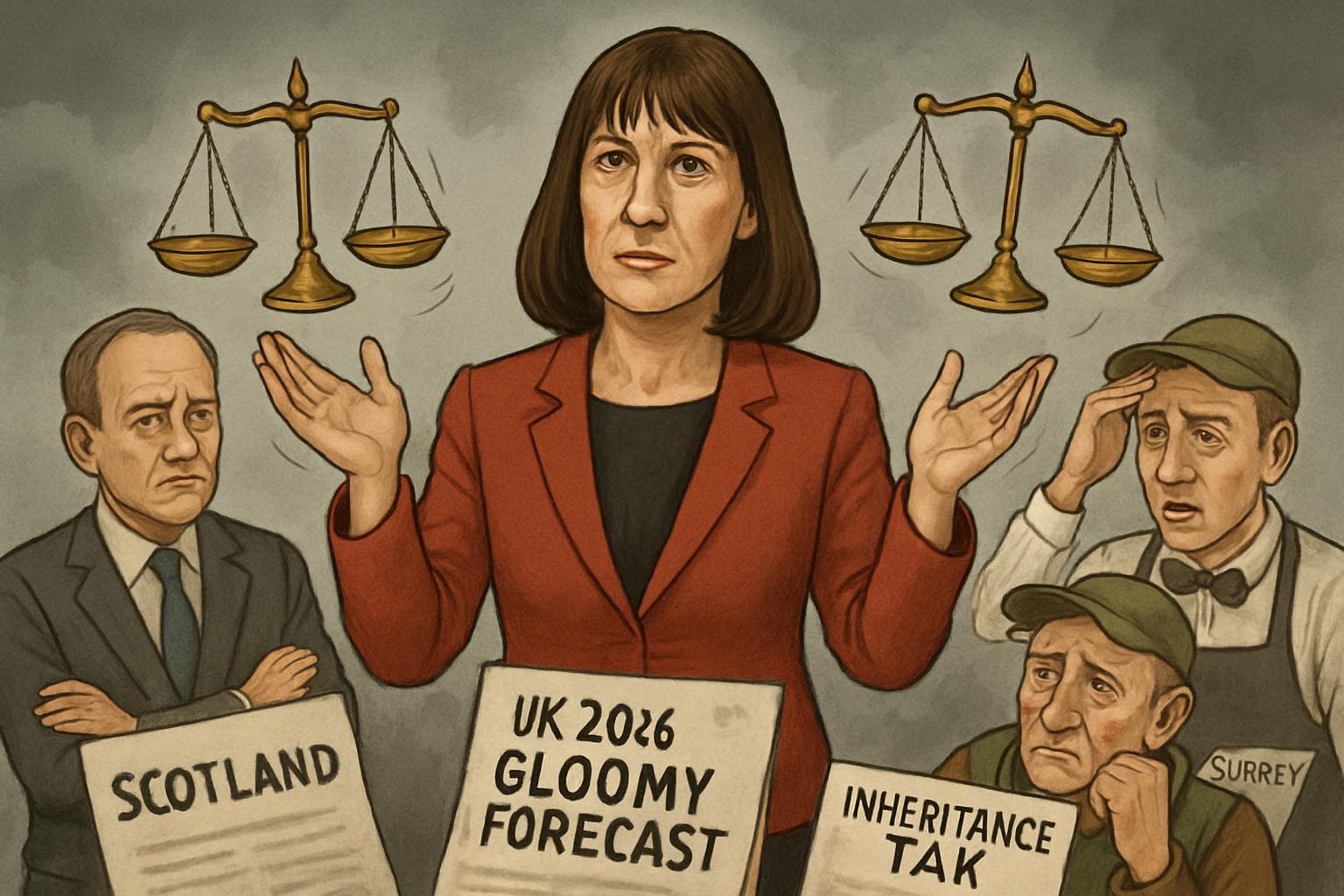
- Chancellor Rachel Reeves is expected to announce downgraded UK economic growth forecasts for the next five years.
- The budget may include tax increases and changes to benefit policies, impacting families and businesses across the UK.
- Inheritance tax changes could affect agricultural assets, raising concerns among farmers in Surrey.
- The Scottish government will face budgetary challenges due to UK-wide fiscal decisions, affecting its 2026/27 plans.
- The hospitality industry in Surrey is advocating for VAT cuts to alleviate financial pressures.
As the UK prepares for the unveiling of its 2026 budget, Chancellor Rachel Reeves faces the daunting task of addressing economic challenges while balancing regional needs. The Office for Budget Responsibility (OBR) has reportedly downgraded the UK's economic growth forecasts for the next five years, a move that could significantly impact fiscal policies and political strategies leading up to the 2029 election.
Economic Growth and Taxation
The OBR's revised growth forecasts highlight a persistent economic slowdown, attributed to a lack of investment under previous administrations. In response, Reeves is expected to announce a series of tax measures, including freezing income tax thresholds until 2030. This decision could draw more taxpayers into higher tax bands as wages rise, potentially increasing government revenue but also placing additional financial burdens on households.
Impact on Scotland and Regional Budgets
The budget's implications extend beyond England, with significant consequences for Scotland. The Scottish government's budget, set to be published in January 2026, will be influenced by UK-wide fiscal decisions. The Barnett formula, which determines Scotland's share of UK resources, may lead to reduced grants, forcing Scottish Finance Secretary Shona Robison to consider similar tax measures to offset the shortfall.
Challenges for the Hospitality Industry
In Surrey, the hospitality sector is advocating for relief measures, such as VAT cuts, to combat economic pressures. Roland Foxcroft, owner of Cellar Magnifique Wine Bar in Woking, expressed concerns about the tough economic climate, noting that many in the industry are struggling to maintain operations and protect jobs.
Inheritance Tax Concerns
Changes to inheritance tax rules, particularly affecting agricultural assets, have sparked worry among farmers in Surrey. Jim Simmons, chair of NFU Surrey, criticized the new tax policy, which will impose a 20% tax on inherited agricultural assets worth over £1 million starting in April 2026. Farmers fear that these changes could threaten their financial sustainability.
WHAT THIS MIGHT MEAN
The upcoming budget announcement is likely to set the stage for significant economic and political shifts in the UK. With downgraded growth forecasts, the government may face increased pressure to implement effective fiscal policies that stimulate economic recovery. The potential tax increases and benefit changes could spark public debate and influence voter sentiment ahead of the 2029 election.
For Scotland, the budget presents a critical juncture as it navigates reduced funding from the UK Treasury. The Scottish government may need to explore alternative revenue sources or adjust spending priorities to maintain essential services.
In Surrey, the hospitality industry's call for VAT cuts underscores the broader challenges faced by businesses nationwide. The government's response to these concerns could play a pivotal role in shaping the sector's recovery and long-term viability.
Related Articles
Trump's New Tariff Strategy Sparks Global Trade Uncertainty

US Supreme Court Ruling on Tariffs Sparks Uncertainty for UK and Global Trade
Middle East Conflict Drives UK Energy Prices to New Highs

Police Federation Chief Arrested Amid Fraud Investigation

Saharan Dust to Illuminate UK Skies with Vivid Sunrises and Sunsets

Canada and Australia Forge Strategic Partnership Amid Global Uncertainty
UK Budget 2026: Economic Challenges and Regional Impacts
In This Article
 Daniel Rivera| Published
 HIGHLIGHTS
- Chancellor Rachel Reeves is expected to announce downgraded UK economic growth forecasts for the next five years.
- The budget may include tax increases and changes to benefit policies, impacting families and businesses across the UK.
- Inheritance tax changes could affect agricultural assets, raising concerns among farmers in Surrey.
- The Scottish government will face budgetary challenges due to UK-wide fiscal decisions, affecting its 2026/27 plans.
- The hospitality industry in Surrey is advocating for VAT cuts to alleviate financial pressures.
As the UK prepares for the unveiling of its 2026 budget, Chancellor Rachel Reeves faces the daunting task of addressing economic challenges while balancing regional needs. The Office for Budget Responsibility (OBR) has reportedly downgraded the UK's economic growth forecasts for the next five years, a move that could significantly impact fiscal policies and political strategies leading up to the 2029 election.
Economic Growth and Taxation
The OBR's revised growth forecasts highlight a persistent economic slowdown, attributed to a lack of investment under previous administrations. In response, Reeves is expected to announce a series of tax measures, including freezing income tax thresholds until 2030. This decision could draw more taxpayers into higher tax bands as wages rise, potentially increasing government revenue but also placing additional financial burdens on households.
Impact on Scotland and Regional Budgets
The budget's implications extend beyond England, with significant consequences for Scotland. The Scottish government's budget, set to be published in January 2026, will be influenced by UK-wide fiscal decisions. The Barnett formula, which determines Scotland's share of UK resources, may lead to reduced grants, forcing Scottish Finance Secretary Shona Robison to consider similar tax measures to offset the shortfall.
Challenges for the Hospitality Industry
In Surrey, the hospitality sector is advocating for relief measures, such as VAT cuts, to combat economic pressures. Roland Foxcroft, owner of Cellar Magnifique Wine Bar in Woking, expressed concerns about the tough economic climate, noting that many in the industry are struggling to maintain operations and protect jobs.
Inheritance Tax Concerns
Changes to inheritance tax rules, particularly affecting agricultural assets, have sparked worry among farmers in Surrey. Jim Simmons, chair of NFU Surrey, criticized the new tax policy, which will impose a 20% tax on inherited agricultural assets worth over £1 million starting in April 2026. Farmers fear that these changes could threaten their financial sustainability.
WHAT THIS MIGHT MEAN
The upcoming budget announcement is likely to set the stage for significant economic and political shifts in the UK. With downgraded growth forecasts, the government may face increased pressure to implement effective fiscal policies that stimulate economic recovery. The potential tax increases and benefit changes could spark public debate and influence voter sentiment ahead of the 2029 election.
For Scotland, the budget presents a critical juncture as it navigates reduced funding from the UK Treasury. The Scottish government may need to explore alternative revenue sources or adjust spending priorities to maintain essential services.
In Surrey, the hospitality industry's call for VAT cuts underscores the broader challenges faced by businesses nationwide. The government's response to these concerns could play a pivotal role in shaping the sector's recovery and long-term viability.
Related Articles
Trump's New Tariff Strategy Sparks Global Trade Uncertainty
US Supreme Court Ruling on Tariffs Sparks Uncertainty for UK and Global Trade
Middle East Conflict Drives UK Energy Prices to New Highs
Police Federation Chief Arrested Amid Fraud Investigation
Saharan Dust to Illuminate UK Skies with Vivid Sunrises and Sunsets
Canada and Australia Forge Strategic Partnership Amid Global Uncertainty