
UK Urges Diplomatic Resolution Amid US-Iran Tensions Over Nuclear Strikes
In This Article
HIGHLIGHTS
- UK Foreign Secretary David Lammy urged Iran to return to negotiations amid heightened tensions following US airstrikes on Iranian nuclear sites.
- Lammy emphasized the importance of diplomacy, warning Iran against retaliatory actions such as closing the Strait of Hormuz.
- The UK government has not explicitly supported the US strikes, focusing instead on diplomatic solutions and regional stability.
- Iran continues to enrich uranium to 60%, breaching international agreements, while the UK remains committed to the 2015 nuclear deal.
- Prime Minister Keir Starmer assured efforts to de-escalate tensions to prevent further economic impacts, particularly on energy prices.
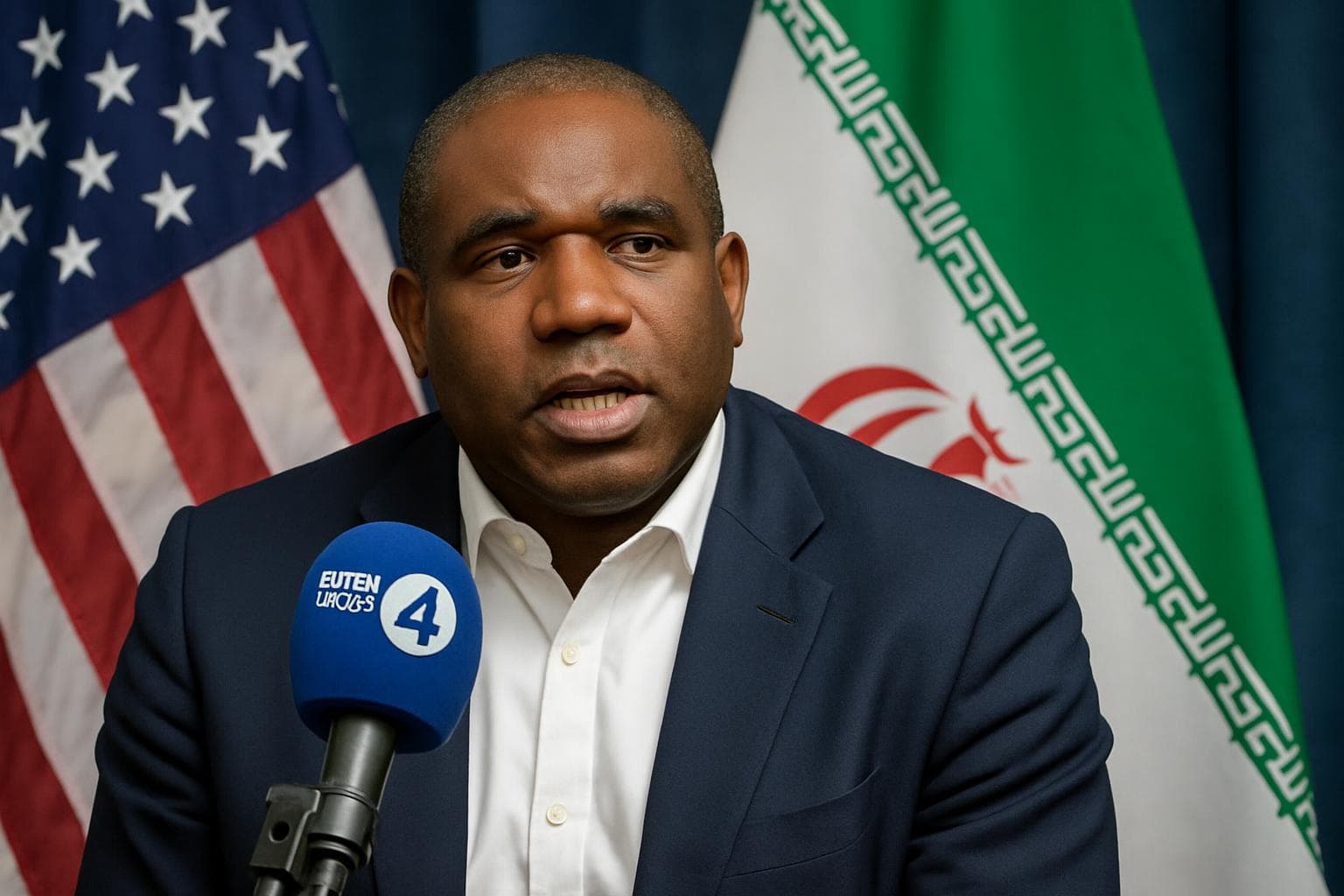
In the wake of recent US airstrikes on Iranian nuclear facilities, UK Foreign Secretary David Lammy has called for Iran to engage in diplomatic talks to defuse escalating tensions. Speaking on BBC Radio 4, Lammy highlighted the potential for "catastrophic" consequences if Iran retaliates by targeting US bases or obstructing the Strait of Hormuz, a critical shipping lane.
Lammy's comments come after the US conducted strikes on three Iranian nuclear sites, aiming to hinder Iran's nuclear program. Despite the military action, Lammy stressed the importance of diplomacy, urging Iran to take the "off-ramp" and return to negotiations with the E3—comprising the UK, Germany, and France—and the US.
The UK has refrained from explicitly supporting the US strikes, with Lammy sidestepping questions about their legality. Instead, he emphasized the need for Iran to comply with international obligations, particularly regarding uranium enrichment levels, which currently exceed the limits set by the 2015 nuclear deal.
Prime Minister Keir Starmer reiterated the UK's commitment to de-escalation, noting the potential economic repercussions of heightened Middle East tensions, particularly on energy prices. While the UK was not involved in the US military action, Starmer assured that efforts are underway to stabilize the situation.
Despite the strikes, Iran reportedly maintains a stockpile of highly enriched uranium, posing ongoing challenges to international diplomatic efforts. Lammy acknowledged the difficulty of recent discussions with Iran but maintained that a diplomatic resolution remains possible.
WHAT THIS MIGHT MEAN
The current situation presents several potential outcomes. If Iran chooses to retaliate, regional tensions could escalate, potentially impacting global oil markets and leading to further economic instability. Conversely, a return to negotiations could pave the way for a renewed nuclear agreement, easing tensions and stabilizing the region.
The UK's diplomatic stance may influence broader international efforts to address Iran's nuclear ambitions. Continued engagement with European allies and the US will be crucial in shaping a cohesive strategy. Experts suggest that maintaining open communication channels with Iran is vital to achieving a peaceful resolution and preventing further escalation.
As the situation develops, the international community will closely monitor Iran's actions and the responses of key global players. The outcome of these diplomatic efforts could have significant implications for regional security and global economic stability.
Related Articles

UK-Iran Tensions: Starmer Defends Cautious Approach Amid Trump Criticism
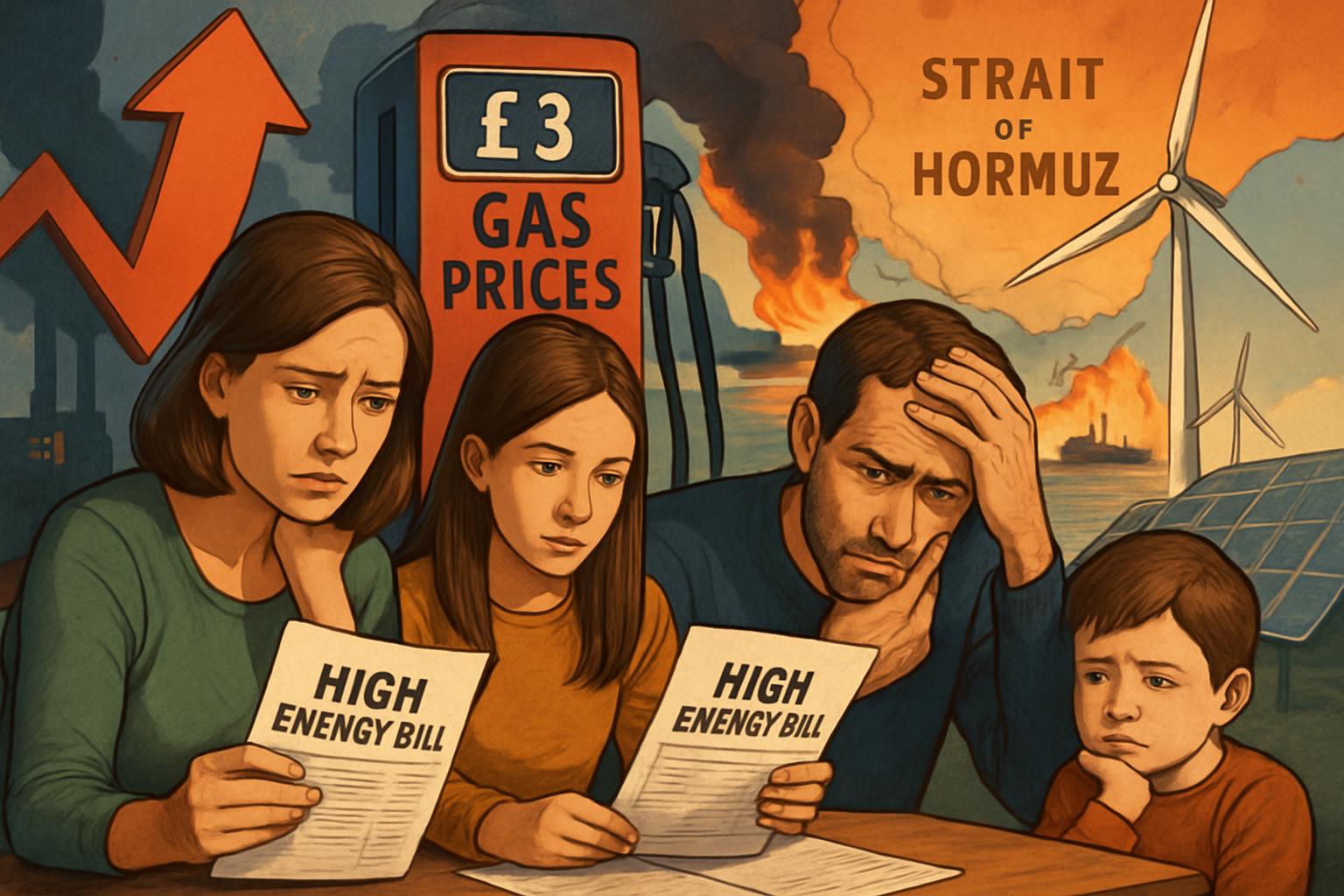
Middle East Conflict Drives UK Energy Prices to New Highs
US and Israel Intensify Military Campaign as Iran's Capabilities Dwindle

Intensified US-Israel Strikes on Iran Spark Global Outcry
Iran Postpones Khamenei Funeral Amid Escalating US-Israeli Strikes
Canada and Australia Forge Strategic Partnership Amid Global Uncertainty
UK Urges Diplomatic Resolution Amid US-Iran Tensions Over Nuclear Strikes
In This Article
 Ethan Brooks| Published
 HIGHLIGHTS
- UK Foreign Secretary David Lammy urged Iran to return to negotiations amid heightened tensions following US airstrikes on Iranian nuclear sites.
- Lammy emphasized the importance of diplomacy, warning Iran against retaliatory actions such as closing the Strait of Hormuz.
- The UK government has not explicitly supported the US strikes, focusing instead on diplomatic solutions and regional stability.
- Iran continues to enrich uranium to 60%, breaching international agreements, while the UK remains committed to the 2015 nuclear deal.
- Prime Minister Keir Starmer assured efforts to de-escalate tensions to prevent further economic impacts, particularly on energy prices.
In the wake of recent US airstrikes on Iranian nuclear facilities, UK Foreign Secretary David Lammy has called for Iran to engage in diplomatic talks to defuse escalating tensions. Speaking on BBC Radio 4, Lammy highlighted the potential for "catastrophic" consequences if Iran retaliates by targeting US bases or obstructing the Strait of Hormuz, a critical shipping lane.
Lammy's comments come after the US conducted strikes on three Iranian nuclear sites, aiming to hinder Iran's nuclear program. Despite the military action, Lammy stressed the importance of diplomacy, urging Iran to take the "off-ramp" and return to negotiations with the E3—comprising the UK, Germany, and France—and the US.
The UK has refrained from explicitly supporting the US strikes, with Lammy sidestepping questions about their legality. Instead, he emphasized the need for Iran to comply with international obligations, particularly regarding uranium enrichment levels, which currently exceed the limits set by the 2015 nuclear deal.
Prime Minister Keir Starmer reiterated the UK's commitment to de-escalation, noting the potential economic repercussions of heightened Middle East tensions, particularly on energy prices. While the UK was not involved in the US military action, Starmer assured that efforts are underway to stabilize the situation.
Despite the strikes, Iran reportedly maintains a stockpile of highly enriched uranium, posing ongoing challenges to international diplomatic efforts. Lammy acknowledged the difficulty of recent discussions with Iran but maintained that a diplomatic resolution remains possible.
WHAT THIS MIGHT MEAN
The current situation presents several potential outcomes. If Iran chooses to retaliate, regional tensions could escalate, potentially impacting global oil markets and leading to further economic instability. Conversely, a return to negotiations could pave the way for a renewed nuclear agreement, easing tensions and stabilizing the region.
The UK's diplomatic stance may influence broader international efforts to address Iran's nuclear ambitions. Continued engagement with European allies and the US will be crucial in shaping a cohesive strategy. Experts suggest that maintaining open communication channels with Iran is vital to achieving a peaceful resolution and preventing further escalation.
As the situation develops, the international community will closely monitor Iran's actions and the responses of key global players. The outcome of these diplomatic efforts could have significant implications for regional security and global economic stability.
Related Articles
UK-Iran Tensions: Starmer Defends Cautious Approach Amid Trump Criticism
Middle East Conflict Drives UK Energy Prices to New Highs
US and Israel Intensify Military Campaign as Iran's Capabilities Dwindle
Intensified US-Israel Strikes on Iran Spark Global Outcry
Iran Postpones Khamenei Funeral Amid Escalating US-Israeli Strikes
Canada and Australia Forge Strategic Partnership Amid Global Uncertainty