
UK Car Production Plummets Amid US Tariffs as Chinese Exports to UK Surge
In This Article
HIGHLIGHTS
- UK car production hit a 76-year low in May, with exports to the US halving due to tariffs imposed by the Trump administration.
- A new trade agreement between the US and UK will reduce import taxes on British cars, potentially boosting exports.
- Chinese exports to the UK surged by 16.1% in May, as firms seek alternative markets to avoid US tariffs.
- UK policymakers are monitoring the impact of increased Chinese imports on inflation and domestic industries.
- The UK government is consulting on measures to protect local industries from being undercut by cheap imports.
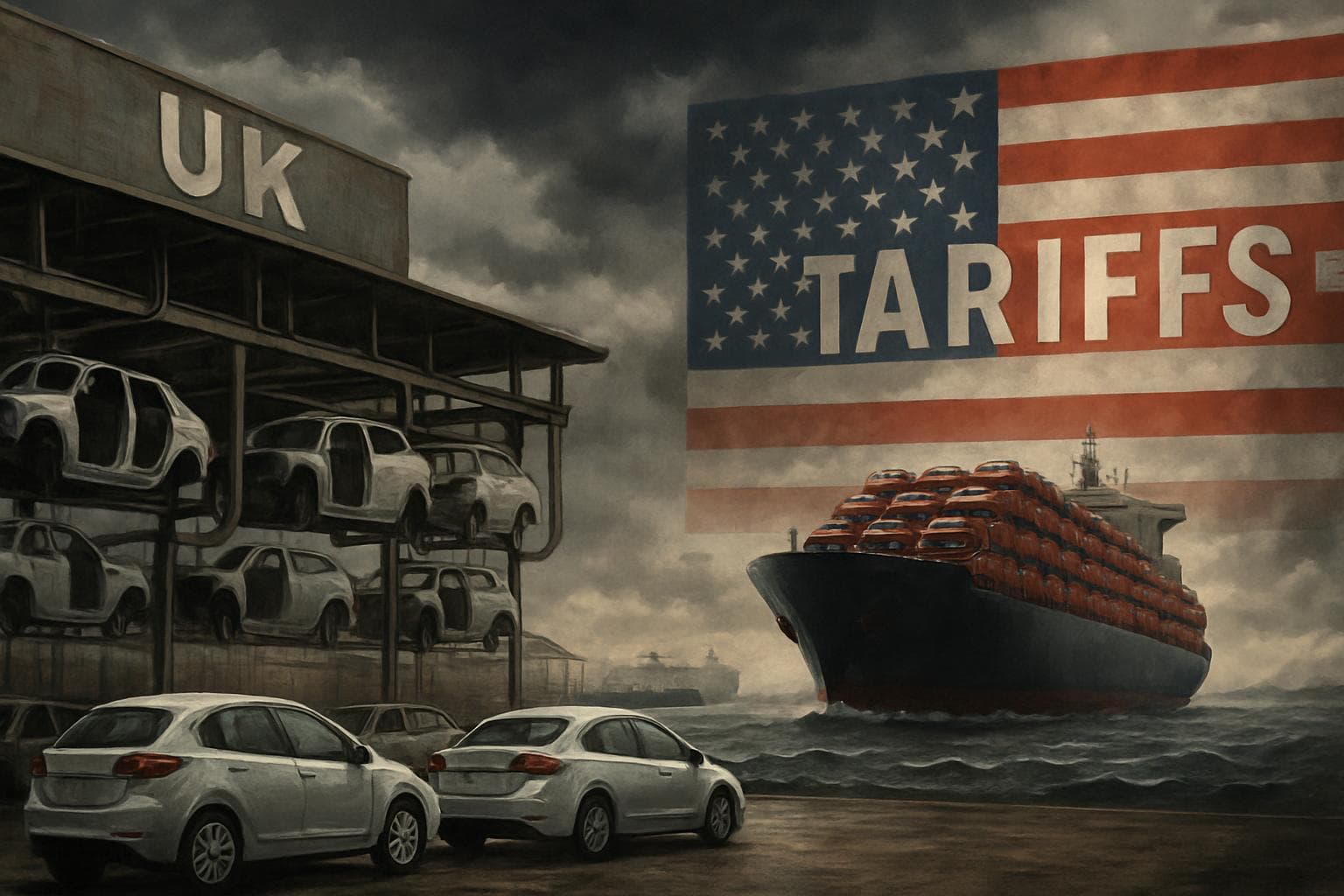
UK car production experienced a significant downturn in May, reaching its lowest level since 1949, as US tariffs severely impacted exports. According to the Society of Motor Manufacturers and Traders (SMMT), production fell by nearly a third compared to the previous year, with only 49,810 units produced. This decline, excluding the pandemic-affected 2020, marks a 76-year low for the industry.
Impact of US Tariffs on UK Car Exports
The drop in production was largely attributed to the Trump administration's imposition of a 25% tariff on cars and car parts in March, which led several UK car manufacturers to halt shipments to the US. Notably, Jaguar Land Rover and Aston Martin reduced their exports, causing the US share of UK car exports to fall from nearly a fifth to just over a tenth in May. However, a recent trade agreement between the US and UK promises to cut import taxes on 100,000 British cars per year from 25% to 10%, potentially revitalizing exports.
Rise in Chinese Exports to the UK
Meanwhile, Chinese exports to the UK saw a significant increase, rising by 16.1% in May compared to the same month last year. This surge is seen as a strategic move by Chinese firms to find alternative markets amid US tariffs. The Bank of England has noted that this influx of cheaper goods could help curb inflation, although there are concerns about the potential impact on domestic industries.
Government Measures and Industry Concerns
The UK government is taking steps to address these challenges. Business Secretary Jonathan Reynolds announced a six-week consultation to explore extending protections for the steel sector, which faces the threat of being undercut by cheap imports. Additionally, Chancellor Rachel Reeves has pledged to review the tax regime that allows low-value parcels to enter the UK duty-free, a move aimed at leveling the playing field for local retailers.
WHAT THIS MIGHT MEAN
The reduction in US tariffs on UK cars could provide a much-needed boost to the British automotive industry, potentially reversing the recent production slump. However, the influx of Chinese goods presents a complex challenge. While it may help control inflation, it also risks undermining local industries. The UK government's proactive measures, including consultations and potential policy adjustments, will be crucial in balancing these competing interests. As global trade dynamics continue to evolve, the UK must navigate these changes carefully to protect its economic interests while fostering growth.
Related Articles
Middle East Conflict Drives UK Energy Prices to New Highs
China Sets Lowest GDP Growth Target in Decades Amid Economic Challenges

Tech Giants Pledge to Cover AI Data Center Energy Costs Amid Rising Electricity Concerns
Canada and Australia Forge Strategic Partnership Amid Global Uncertainty

UK Faces Dilemmas Amid Iran Conflict and China Spying Allegations

UK Reinforces Military Presence in Cyprus Amid Middle East Tensions
UK Car Production Plummets Amid US Tariffs as Chinese Exports to UK Surge
In This Article
 Daniel Rivera| Published
 HIGHLIGHTS
- UK car production hit a 76-year low in May, with exports to the US halving due to tariffs imposed by the Trump administration.
- A new trade agreement between the US and UK will reduce import taxes on British cars, potentially boosting exports.
- Chinese exports to the UK surged by 16.1% in May, as firms seek alternative markets to avoid US tariffs.
- UK policymakers are monitoring the impact of increased Chinese imports on inflation and domestic industries.
- The UK government is consulting on measures to protect local industries from being undercut by cheap imports.
UK car production experienced a significant downturn in May, reaching its lowest level since 1949, as US tariffs severely impacted exports. According to the Society of Motor Manufacturers and Traders (SMMT), production fell by nearly a third compared to the previous year, with only 49,810 units produced. This decline, excluding the pandemic-affected 2020, marks a 76-year low for the industry.
Impact of US Tariffs on UK Car Exports
The drop in production was largely attributed to the Trump administration's imposition of a 25% tariff on cars and car parts in March, which led several UK car manufacturers to halt shipments to the US. Notably, Jaguar Land Rover and Aston Martin reduced their exports, causing the US share of UK car exports to fall from nearly a fifth to just over a tenth in May. However, a recent trade agreement between the US and UK promises to cut import taxes on 100,000 British cars per year from 25% to 10%, potentially revitalizing exports.
Rise in Chinese Exports to the UK
Meanwhile, Chinese exports to the UK saw a significant increase, rising by 16.1% in May compared to the same month last year. This surge is seen as a strategic move by Chinese firms to find alternative markets amid US tariffs. The Bank of England has noted that this influx of cheaper goods could help curb inflation, although there are concerns about the potential impact on domestic industries.
Government Measures and Industry Concerns
The UK government is taking steps to address these challenges. Business Secretary Jonathan Reynolds announced a six-week consultation to explore extending protections for the steel sector, which faces the threat of being undercut by cheap imports. Additionally, Chancellor Rachel Reeves has pledged to review the tax regime that allows low-value parcels to enter the UK duty-free, a move aimed at leveling the playing field for local retailers.
WHAT THIS MIGHT MEAN
The reduction in US tariffs on UK cars could provide a much-needed boost to the British automotive industry, potentially reversing the recent production slump. However, the influx of Chinese goods presents a complex challenge. While it may help control inflation, it also risks undermining local industries. The UK government's proactive measures, including consultations and potential policy adjustments, will be crucial in balancing these competing interests. As global trade dynamics continue to evolve, the UK must navigate these changes carefully to protect its economic interests while fostering growth.
Related Articles
Middle East Conflict Drives UK Energy Prices to New Highs
China Sets Lowest GDP Growth Target in Decades Amid Economic Challenges
Tech Giants Pledge to Cover AI Data Center Energy Costs Amid Rising Electricity Concerns
Canada and Australia Forge Strategic Partnership Amid Global Uncertainty
UK Faces Dilemmas Amid Iran Conflict and China Spying Allegations
UK Reinforces Military Presence in Cyprus Amid Middle East Tensions