
UK Eyes Closer EU Single Market Alignment Amidst Brexit Strategy Debate

In This Article
HIGHLIGHTS
- UK Prime Minister Keir Starmer advocates for closer alignment with the EU single market, prioritizing national interest over rejoining the customs union.
- Starmer emphasizes maintaining trade deals with the US and India, suggesting alignment with the single market won't disrupt these agreements.
- The Labour leader rules out rejoining the EU single market or customs union, focusing instead on sector-specific alignments.
- Discussions continue on a youth mobility scheme, with Starmer denying any return to full freedom of movement.
- Critics, including Reform UK and some Conservatives, argue that closer ties with the EU could undermine UK sovereignty.
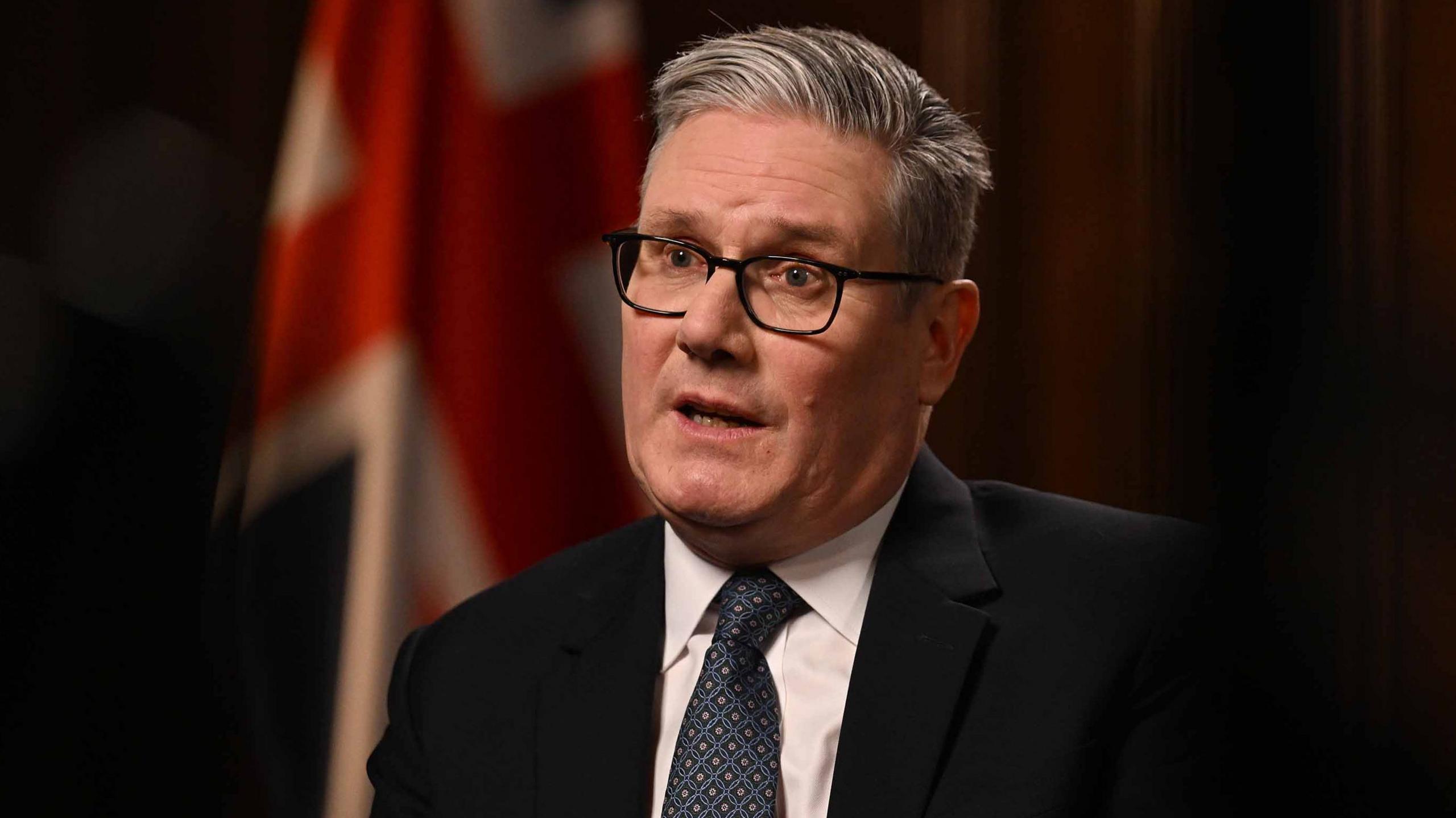
The UK is considering a strategic shift towards closer alignment with the European Union's single market, as Prime Minister Keir Starmer signals a potential recalibration of post-Brexit relations. In recent statements, Starmer emphasized that any alignment would be pursued only if it serves the national interest, distancing himself from calls to rejoin the EU customs union.
Strategic Realignment with the EU
Starmer's comments, made during an interview with the BBC's Laura Kuenssberg, highlight a nuanced approach to the UK's post-Brexit strategy. He stressed the importance of maintaining existing trade agreements with the United States and India, suggesting that aligning with the single market would not compromise these deals. "We are better looking to the single market rather than the customs union for our further alignment," Starmer stated, underscoring the potential economic benefits of such a move.
Sector-Specific Alignments
The Labour leader's approach involves evaluating alignment on a sector-by-sector basis, with current negotiations focusing on food and agriculture standards. This strategy aims to reduce trade barriers without revisiting the broader commitments of the Brexit deal. Starmer reiterated that this is not an attempt to reverse Brexit, but rather to enhance the UK's economic position.
Youth Mobility and Migration Concerns
Discussions are also underway regarding a youth mobility scheme, which would facilitate travel and work opportunities for young people across Europe. Starmer has firmly denied that this initiative would lead to a return to full freedom of movement, a point of contention among Brexit critics.
Political Reactions and Criticism
The proposal for closer ties with the EU has sparked criticism from various political quarters. Reform UK leader Nigel Farage and some Conservative figures have voiced concerns that increased cooperation with the EU could undermine the UK's ability to independently regulate and negotiate trade deals. Shadow Foreign Secretary Priti Patel labeled the move a "Brexit betrayal," arguing it compromises the UK's regulatory freedom.
WHAT THIS MIGHT MEAN
As the UK explores closer alignment with the EU single market, several potential outcomes could unfold. If successful, this strategy might bolster the UK's economic ties with Europe, potentially easing trade barriers and enhancing market access for British exporters. However, it could also reignite political debates over sovereignty and the extent of EU influence on UK policies.
The ongoing negotiations around sector-specific alignments and the youth mobility scheme will be critical in shaping the future of UK-EU relations. Should these discussions lead to tangible agreements, they may set a precedent for further cooperation in other sectors. Conversely, failure to reach consensus could stall progress and exacerbate existing tensions within the UK political landscape.
Experts suggest that the UK's approach will need to balance economic pragmatism with political realities, ensuring that any alignment with the EU serves the broader national interest without compromising the UK's post-Brexit autonomy.
Images from the Web
Related Articles
China Sets Lowest GDP Growth Target in Decades Amid Economic Challenges

UK Faces Dilemmas Amid Iran Conflict and China Spying Allegations

Labour MP's Husband Arrested in UK-China Espionage Probe
UK Government to Reform Asylum Seeker Support and Employment Policies
Reform UK Aims to Reshape Welsh Politics with New Manifesto

UK-Iran Tensions: Starmer Defends Cautious Approach Amid Trump Criticism
UK Eyes Closer EU Single Market Alignment Amidst Brexit Strategy Debate
In This Article
 Daniel Rivera| Published
 HIGHLIGHTS
- UK Prime Minister Keir Starmer advocates for closer alignment with the EU single market, prioritizing national interest over rejoining the customs union.
- Starmer emphasizes maintaining trade deals with the US and India, suggesting alignment with the single market won't disrupt these agreements.
- The Labour leader rules out rejoining the EU single market or customs union, focusing instead on sector-specific alignments.
- Discussions continue on a youth mobility scheme, with Starmer denying any return to full freedom of movement.
- Critics, including Reform UK and some Conservatives, argue that closer ties with the EU could undermine UK sovereignty.
The UK is considering a strategic shift towards closer alignment with the European Union's single market, as Prime Minister Keir Starmer signals a potential recalibration of post-Brexit relations. In recent statements, Starmer emphasized that any alignment would be pursued only if it serves the national interest, distancing himself from calls to rejoin the EU customs union.
Strategic Realignment with the EU
Starmer's comments, made during an interview with the BBC's Laura Kuenssberg, highlight a nuanced approach to the UK's post-Brexit strategy. He stressed the importance of maintaining existing trade agreements with the United States and India, suggesting that aligning with the single market would not compromise these deals. "We are better looking to the single market rather than the customs union for our further alignment," Starmer stated, underscoring the potential economic benefits of such a move.
Sector-Specific Alignments
The Labour leader's approach involves evaluating alignment on a sector-by-sector basis, with current negotiations focusing on food and agriculture standards. This strategy aims to reduce trade barriers without revisiting the broader commitments of the Brexit deal. Starmer reiterated that this is not an attempt to reverse Brexit, but rather to enhance the UK's economic position.
Youth Mobility and Migration Concerns
Discussions are also underway regarding a youth mobility scheme, which would facilitate travel and work opportunities for young people across Europe. Starmer has firmly denied that this initiative would lead to a return to full freedom of movement, a point of contention among Brexit critics.
Political Reactions and Criticism
The proposal for closer ties with the EU has sparked criticism from various political quarters. Reform UK leader Nigel Farage and some Conservative figures have voiced concerns that increased cooperation with the EU could undermine the UK's ability to independently regulate and negotiate trade deals. Shadow Foreign Secretary Priti Patel labeled the move a "Brexit betrayal," arguing it compromises the UK's regulatory freedom.
WHAT THIS MIGHT MEAN
As the UK explores closer alignment with the EU single market, several potential outcomes could unfold. If successful, this strategy might bolster the UK's economic ties with Europe, potentially easing trade barriers and enhancing market access for British exporters. However, it could also reignite political debates over sovereignty and the extent of EU influence on UK policies.
The ongoing negotiations around sector-specific alignments and the youth mobility scheme will be critical in shaping the future of UK-EU relations. Should these discussions lead to tangible agreements, they may set a precedent for further cooperation in other sectors. Conversely, failure to reach consensus could stall progress and exacerbate existing tensions within the UK political landscape.
Experts suggest that the UK's approach will need to balance economic pragmatism with political realities, ensuring that any alignment with the EU serves the broader national interest without compromising the UK's post-Brexit autonomy.
Images from the Web
Related Articles
China Sets Lowest GDP Growth Target in Decades Amid Economic Challenges
UK Faces Dilemmas Amid Iran Conflict and China Spying Allegations
Labour MP's Husband Arrested in UK-China Espionage Probe
UK Government to Reform Asylum Seeker Support and Employment Policies
Reform UK Aims to Reshape Welsh Politics with New Manifesto
UK-Iran Tensions: Starmer Defends Cautious Approach Amid Trump Criticism