
UK Government Considers New Tax Measures for Electric Vehicles in Upcoming Budget
In This Article
HIGHLIGHTS
- Chancellor Rachel Reeves may introduce a new tax for electric vehicles (EVs) in the upcoming 26 November Budget.
- A proposed pay-per-mile charge could see EV drivers paying 3p per mile from 2028, potentially raising £375 million annually.
- The UK aims to ban new petrol and diesel car sales by 2030 to meet its net zero target by 2050.
- Vehicle Excise Duty (VED) on EVs began in April 2025, with additional charges for luxury models.
- Industry leaders warn that new taxes could deter EV adoption amid already slowing demand.
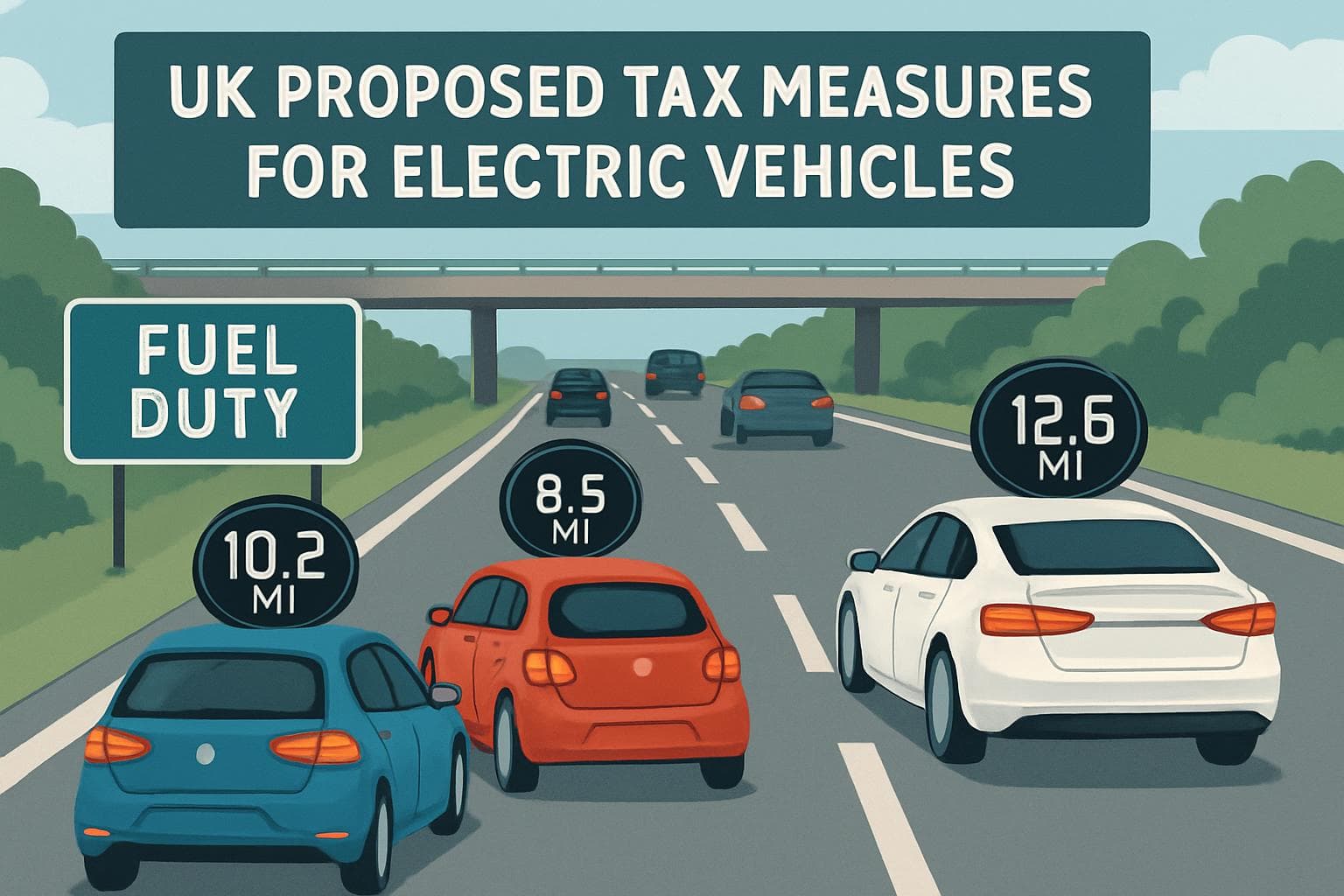
As the UK accelerates its transition to electric vehicles (EVs), Chancellor Rachel Reeves is expected to announce new tax measures in the 26 November Budget. The government is contemplating a pay-per-mile charge for EVs, aiming to replace dwindling fuel duty revenues as the country moves towards its net zero target by 2050.
Proposed Pay-Per-Mile Charge
The proposed scheme, set to begin in 2028, could see EV drivers paying an additional 3p per mile. This measure is anticipated to generate approximately £375 million annually, based on current Department for Transport figures indicating that battery electric cars average 8,900 miles per year. The Treasury has hinted at the introduction of this charge, although specifics remain undisclosed.
Current and Future Taxation on EVs
Since April 2025, EVs have been subject to Vehicle Excise Duty (VED), with new cars incurring a £10 fee in the first year, rising to £195 in the second year. Vehicles registered after March 2025 and costing over £40,000 are also liable for a "luxury car tax" of £425 annually for five years. These measures reflect the government's efforts to create a fairer system for all drivers, as highlighted by a government spokesperson.
Industry Concerns and Transition Challenges
The automotive industry has expressed concerns over the potential impact of new taxes on EV adoption. Ford has warned that additional charges could deter buyers, especially as demand for electric vehicles has recently slowed. The Society of Motor Manufacturers and Traders (SMMT) reported an increase in EV registrations from 29,800 in October 2024 to 36,800 in October 2025, but the momentum appears to be waning.
Balancing Revenue and Environmental Goals
The UK government faces the challenge of balancing revenue needs with environmental commitments. With fuel duty contributing £24.4 billion annually, finding a sustainable replacement is crucial. The proposed road pricing scheme aims to address this shortfall while supporting the transition to cleaner transportation.
WHAT THIS MIGHT MEAN
The introduction of a pay-per-mile charge could significantly impact the UK's EV market. While it may provide a necessary revenue stream, it risks slowing the adoption of electric vehicles, potentially hindering the country's progress towards its net zero target. Policymakers must carefully consider the balance between incentivizing EV uptake and maintaining fiscal sustainability.
Experts suggest that any new taxation scheme should be straightforward and transparent to gain public acceptance. The government may also need to explore complementary measures, such as subsidies or incentives, to encourage EV purchases and ensure a smooth transition away from fossil fuels. As the Budget announcement approaches, stakeholders will be closely watching for details on how these changes will be implemented and their potential implications for the automotive industry and consumers alike.
Related Articles
Trump's New Tariff Strategy Sparks Global Trade Uncertainty

US Supreme Court Ruling on Tariffs Sparks Uncertainty for UK and Global Trade
Middle East Conflict Drives UK Energy Prices to New Highs

Canada and Australia Forge Strategic Partnership Amid Global Uncertainty

UK Government to Reform Asylum Seeker Support and Employment Policies

UK Faces Dilemmas Amid Iran Conflict and China Spying Allegations
UK Government Considers New Tax Measures for Electric Vehicles in Upcoming Budget
In This Article
 Daniel Rivera| Published
 HIGHLIGHTS
- Chancellor Rachel Reeves may introduce a new tax for electric vehicles (EVs) in the upcoming 26 November Budget.
- A proposed pay-per-mile charge could see EV drivers paying 3p per mile from 2028, potentially raising £375 million annually.
- The UK aims to ban new petrol and diesel car sales by 2030 to meet its net zero target by 2050.
- Vehicle Excise Duty (VED) on EVs began in April 2025, with additional charges for luxury models.
- Industry leaders warn that new taxes could deter EV adoption amid already slowing demand.
As the UK accelerates its transition to electric vehicles (EVs), Chancellor Rachel Reeves is expected to announce new tax measures in the 26 November Budget. The government is contemplating a pay-per-mile charge for EVs, aiming to replace dwindling fuel duty revenues as the country moves towards its net zero target by 2050.
Proposed Pay-Per-Mile Charge
The proposed scheme, set to begin in 2028, could see EV drivers paying an additional 3p per mile. This measure is anticipated to generate approximately £375 million annually, based on current Department for Transport figures indicating that battery electric cars average 8,900 miles per year. The Treasury has hinted at the introduction of this charge, although specifics remain undisclosed.
Current and Future Taxation on EVs
Since April 2025, EVs have been subject to Vehicle Excise Duty (VED), with new cars incurring a £10 fee in the first year, rising to £195 in the second year. Vehicles registered after March 2025 and costing over £40,000 are also liable for a "luxury car tax" of £425 annually for five years. These measures reflect the government's efforts to create a fairer system for all drivers, as highlighted by a government spokesperson.
Industry Concerns and Transition Challenges
The automotive industry has expressed concerns over the potential impact of new taxes on EV adoption. Ford has warned that additional charges could deter buyers, especially as demand for electric vehicles has recently slowed. The Society of Motor Manufacturers and Traders (SMMT) reported an increase in EV registrations from 29,800 in October 2024 to 36,800 in October 2025, but the momentum appears to be waning.
Balancing Revenue and Environmental Goals
The UK government faces the challenge of balancing revenue needs with environmental commitments. With fuel duty contributing £24.4 billion annually, finding a sustainable replacement is crucial. The proposed road pricing scheme aims to address this shortfall while supporting the transition to cleaner transportation.
WHAT THIS MIGHT MEAN
The introduction of a pay-per-mile charge could significantly impact the UK's EV market. While it may provide a necessary revenue stream, it risks slowing the adoption of electric vehicles, potentially hindering the country's progress towards its net zero target. Policymakers must carefully consider the balance between incentivizing EV uptake and maintaining fiscal sustainability.
Experts suggest that any new taxation scheme should be straightforward and transparent to gain public acceptance. The government may also need to explore complementary measures, such as subsidies or incentives, to encourage EV purchases and ensure a smooth transition away from fossil fuels. As the Budget announcement approaches, stakeholders will be closely watching for details on how these changes will be implemented and their potential implications for the automotive industry and consumers alike.
Related Articles
Trump's New Tariff Strategy Sparks Global Trade Uncertainty
US Supreme Court Ruling on Tariffs Sparks Uncertainty for UK and Global Trade
Middle East Conflict Drives UK Energy Prices to New Highs
Canada and Australia Forge Strategic Partnership Amid Global Uncertainty
UK Government to Reform Asylum Seeker Support and Employment Policies
UK Faces Dilemmas Amid Iran Conflict and China Spying Allegations