
UK Government Introduces Reforms to Reduce Court Backlogs by Limiting Jury Trials
In This Article
HIGHLIGHTS
- The UK government plans to eliminate jury trials for crimes with sentences of less than three years to address court backlogs.
- Justice Secretary David Lammy announced "swift courts" to expedite cases, with serious crimes still tried by jury.
- Critics argue the reforms won't significantly reduce backlogs and may undermine the justice system's integrity.
- The reforms follow recommendations by retired judge Sir Brian Leveson, aiming to prevent system collapse.
- The changes have sparked debate among MPs and legal professionals, with concerns about fairness and access to justice.
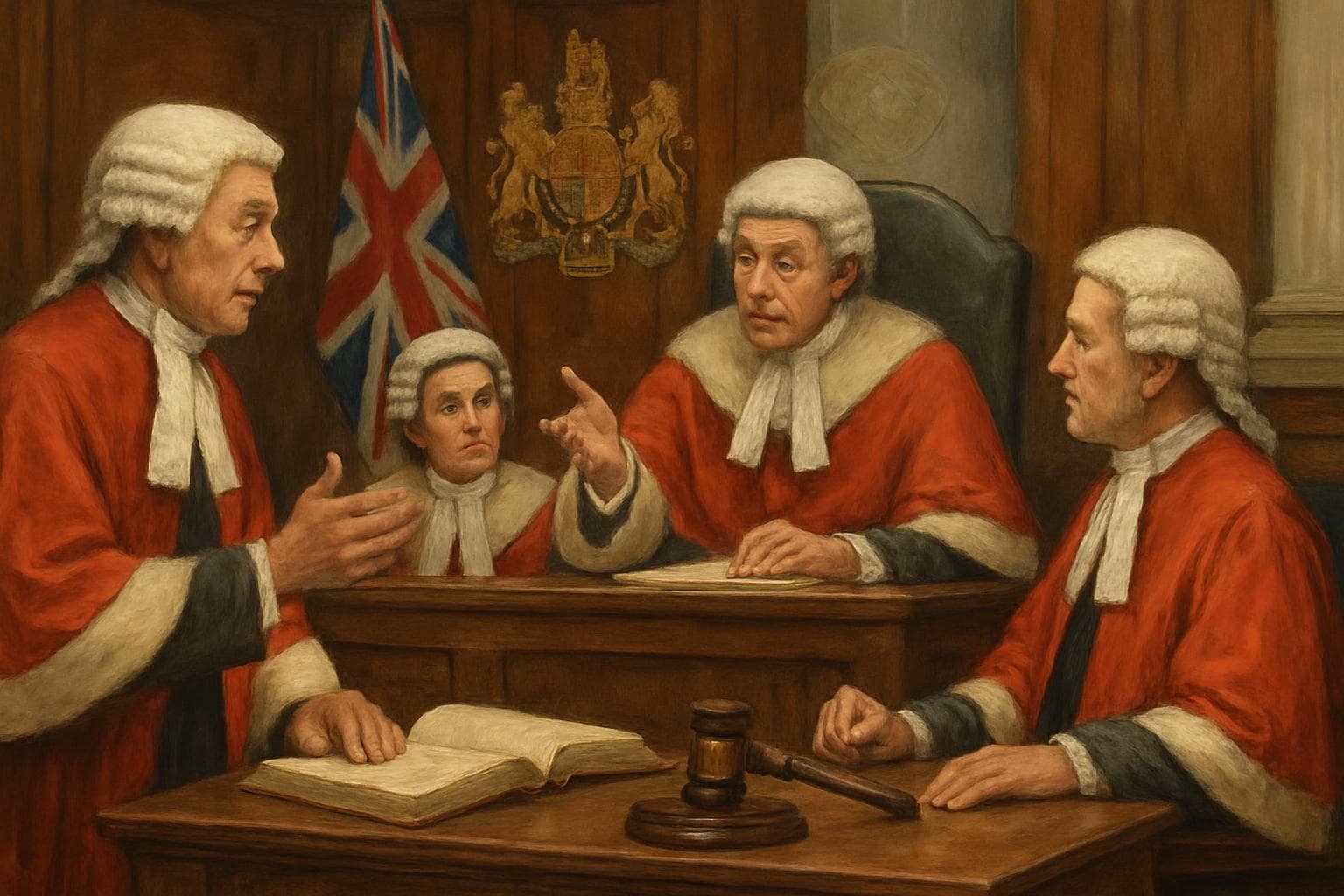
In a bid to tackle the growing backlog in the UK court system, Justice Secretary David Lammy has announced significant reforms that will see jury trials scrapped for crimes carrying sentences of less than three years. The move aims to expedite the judicial process by introducing "swift courts," while ensuring that serious offences such as murder and rape continue to be heard by a jury.
Addressing the Court Backlog
The UK court system is currently grappling with a backlog of nearly 80,000 cases, a figure projected to rise to over 100,000 by 2028 without intervention. Lammy emphasized the urgency of the situation, stating that "justice delayed is justice denied," as victims and witnesses increasingly withdraw from lengthy proceedings. The reforms are based on recommendations by retired judge Sir Brian Leveson, who warned of a potential system collapse without fundamental changes.
Key Changes and Reactions
Under the new system, defendants in cases with likely sentences of three years or less will no longer have the option of a jury trial. Instead, these cases will be heard by magistrates or a new judge-only division. Magistrates' sentencing powers will be extended from one year to 18 months, with the possibility of further extension. The reforms also include judge-only trials for complex fraud and financial crimes, which have traditionally burdened jurors with their complexity and duration.
The announcement has sparked a heated debate among MPs and legal professionals. Critics, including Labour MPs and the Criminal Bar Association, argue that the changes may not effectively reduce backlogs and could undermine the justice system's integrity. Stella Creasy, MP for Walthamstow, questioned the impact of reducing jury trials, which currently account for only 3% of cases.
Balancing Reform and Tradition
Despite the controversy, Lammy defended the reforms as necessary to prevent the justice system from collapsing. He acknowledged the importance of the jury system, stating, "I also believe fundamentally in the jury system... But I don’t want the system to collapse." The reforms are seen as a compromise following cabinet discussions, with Lammy backing down from more radical proposals that would have limited jury trials to only the most serious offences.
WHAT THIS MIGHT MEAN
The proposed reforms to the UK justice system could lead to significant changes in how cases are processed, potentially reducing delays and improving efficiency. However, the impact on defendants' rights and the overall fairness of the system remains a concern. Legal experts warn that the reforms may not address the root causes of the backlog, such as funding cuts and resource shortages.
If implemented, the changes could set a precedent for further reforms in the justice system, prompting debates on the balance between efficiency and the right to a fair trial. The success of the reforms will likely depend on their execution and the government's ability to address underlying issues in the court system. As the situation unfolds, the legal community and policymakers will closely monitor the outcomes to ensure justice is served effectively and equitably.
Related Articles

UK Government Considers Removing Andrew Mountbatten-Windsor from Royal Succession Amid Arrest
Court System Faces Collapse Amidst Growing Backlog, Warns Former Judge

UK Government Launches Campaign to Tackle Harmful Online Content for Children

Keir Starmer Faces Leadership Crisis Amid Calls for Resignation
Keir Starmer Faces Resignation Calls Amid Mandelson-Epstein Scandal
Starmer Defends Plan to Cut Jury Trials Amidst Growing Backlash
UK Government Introduces Reforms to Reduce Court Backlogs by Limiting Jury Trials
In This Article
 Ethan Brooks| Published
 HIGHLIGHTS
- The UK government plans to eliminate jury trials for crimes with sentences of less than three years to address court backlogs.
- Justice Secretary David Lammy announced "swift courts" to expedite cases, with serious crimes still tried by jury.
- Critics argue the reforms won't significantly reduce backlogs and may undermine the justice system's integrity.
- The reforms follow recommendations by retired judge Sir Brian Leveson, aiming to prevent system collapse.
- The changes have sparked debate among MPs and legal professionals, with concerns about fairness and access to justice.
In a bid to tackle the growing backlog in the UK court system, Justice Secretary David Lammy has announced significant reforms that will see jury trials scrapped for crimes carrying sentences of less than three years. The move aims to expedite the judicial process by introducing "swift courts," while ensuring that serious offences such as murder and rape continue to be heard by a jury.
Addressing the Court Backlog
The UK court system is currently grappling with a backlog of nearly 80,000 cases, a figure projected to rise to over 100,000 by 2028 without intervention. Lammy emphasized the urgency of the situation, stating that "justice delayed is justice denied," as victims and witnesses increasingly withdraw from lengthy proceedings. The reforms are based on recommendations by retired judge Sir Brian Leveson, who warned of a potential system collapse without fundamental changes.
Key Changes and Reactions
Under the new system, defendants in cases with likely sentences of three years or less will no longer have the option of a jury trial. Instead, these cases will be heard by magistrates or a new judge-only division. Magistrates' sentencing powers will be extended from one year to 18 months, with the possibility of further extension. The reforms also include judge-only trials for complex fraud and financial crimes, which have traditionally burdened jurors with their complexity and duration.
The announcement has sparked a heated debate among MPs and legal professionals. Critics, including Labour MPs and the Criminal Bar Association, argue that the changes may not effectively reduce backlogs and could undermine the justice system's integrity. Stella Creasy, MP for Walthamstow, questioned the impact of reducing jury trials, which currently account for only 3% of cases.
Balancing Reform and Tradition
Despite the controversy, Lammy defended the reforms as necessary to prevent the justice system from collapsing. He acknowledged the importance of the jury system, stating, "I also believe fundamentally in the jury system... But I don’t want the system to collapse." The reforms are seen as a compromise following cabinet discussions, with Lammy backing down from more radical proposals that would have limited jury trials to only the most serious offences.
WHAT THIS MIGHT MEAN
The proposed reforms to the UK justice system could lead to significant changes in how cases are processed, potentially reducing delays and improving efficiency. However, the impact on defendants' rights and the overall fairness of the system remains a concern. Legal experts warn that the reforms may not address the root causes of the backlog, such as funding cuts and resource shortages.
If implemented, the changes could set a precedent for further reforms in the justice system, prompting debates on the balance between efficiency and the right to a fair trial. The success of the reforms will likely depend on their execution and the government's ability to address underlying issues in the court system. As the situation unfolds, the legal community and policymakers will closely monitor the outcomes to ensure justice is served effectively and equitably.
Related Articles
UK Government Considers Removing Andrew Mountbatten-Windsor from Royal Succession Amid Arrest
Court System Faces Collapse Amidst Growing Backlog, Warns Former Judge
UK Government Launches Campaign to Tackle Harmful Online Content for Children
Keir Starmer Faces Leadership Crisis Amid Calls for Resignation
Keir Starmer Faces Resignation Calls Amid Mandelson-Epstein Scandal
Starmer Defends Plan to Cut Jury Trials Amidst Growing Backlash