
Calls for Stricter Regulation as DIY Health Tests Raise Accuracy Concerns
In This Article
HIGHLIGHTS
- DIY health tests in the UK may provide inaccurate results, prompting calls for stricter regulation.
- Studies from the University of Birmingham found 60% of self-test kits to be "high risk" due to poor instructions and lack of accuracy data.
- The UK self-test market is projected to reach £660m by 2030, raising concerns about potential exploitation of vulnerable groups.
- The Medicines and Healthcare products Regulatory Agency (MHRA) is reviewing safety standards to enhance the reliability of these tests.
- Experts warn that misleading results could increase pressure on NHS services, urging consumers to consult healthcare professionals.
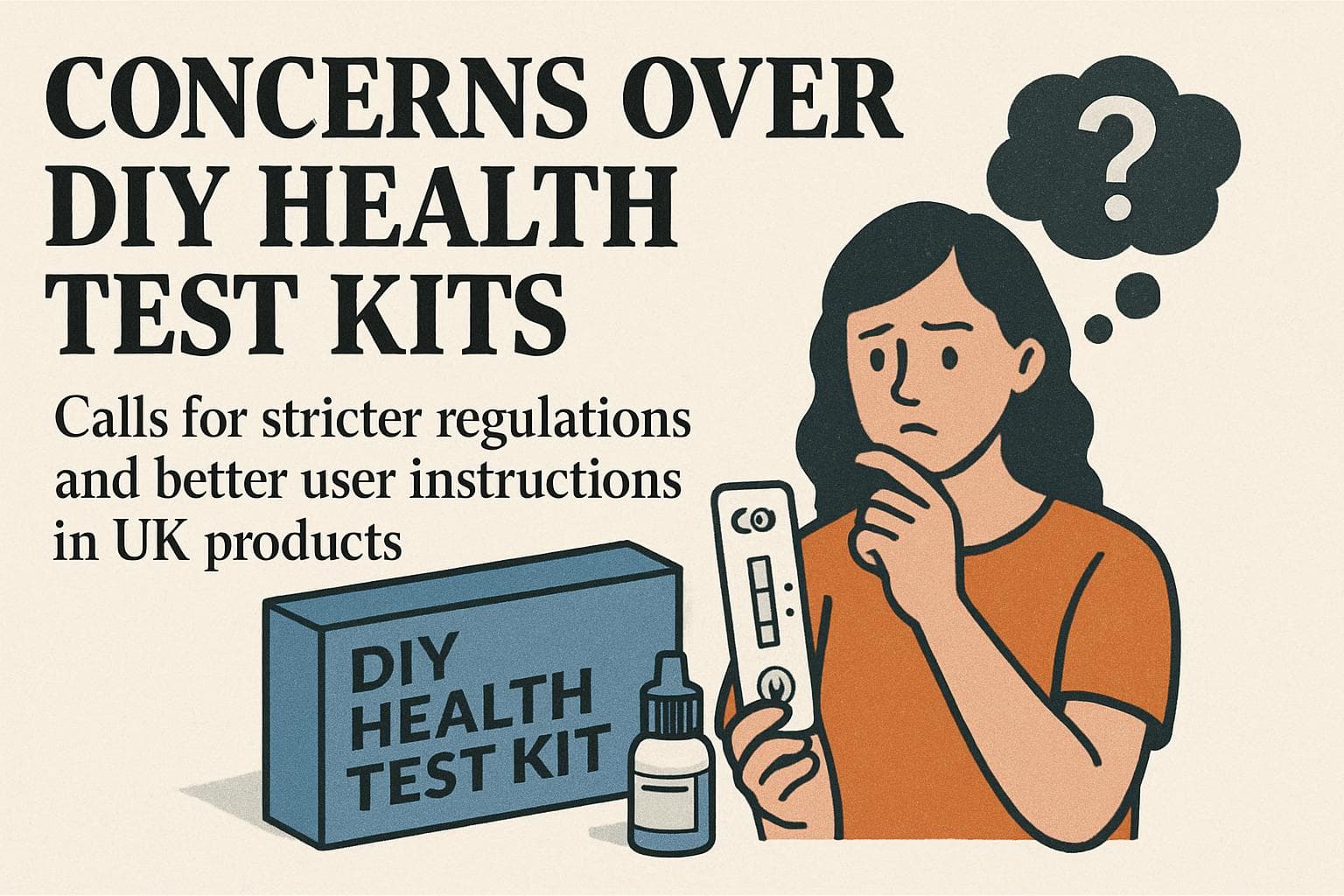
The burgeoning market for DIY health tests in the UK is under scrutiny following new research that highlights significant accuracy issues. Studies conducted by the University of Birmingham, published in the British Medical Journal (BMJ), reveal that many self-test kits available in supermarkets and pharmacies may provide misleading results, prompting calls for enhanced regulation.
Concerns Over Accuracy and Safety
Researchers analyzed 30 self-test kits, covering conditions such as bowel cancer, vitamin deficiencies, and thyroid issues, and found that 60% were classified as "high risk." The studies noted that many kits lacked clear instructions and failed to provide sufficient accuracy data. Prof Jon Deeks, who led the research, emphasized the potential public health benefits of self-tests but stressed the need for them to be accurate and user-friendly.
Regulatory Response and Market Growth
In response, the Medicines and Healthcare products Regulatory Agency (MHRA) announced plans to overhaul safety standards for medical devices. Joseph Burt, head of diagnostics at the MHRA, stated that the agency is committed to ensuring the safety of self-tests and is exploring new transparency measures. The UK self-test market is expected to grow significantly, with revenues projected to reach £660m by 2030, raising concerns about the exploitation of vulnerable groups.
Impact on Healthcare Services
Experts warn that inaccurate DIY test results could lead to unnecessary consultations with healthcare professionals, placing additional strain on NHS services. Dr. Clare Davenport, co-lead author of the studies, questioned the utility of these tests if users are advised to seek professional advice regardless of the outcome. The Royal College of Pathologists also highlighted the risk of "false reassurance" and the potential for "unnecessary consequences" for the NHS.
WHAT THIS MIGHT MEAN
The findings from the University of Birmingham could prompt significant changes in the regulation of DIY health tests. If the MHRA implements stricter standards, manufacturers may be required to provide more robust evidence of accuracy and usability, potentially improving consumer trust. However, the growing market for self-tests could also lead to increased scrutiny over the ethical implications of their accessibility, particularly for vulnerable populations. As the industry evolves, balancing innovation with consumer safety will be crucial to ensuring these tests contribute positively to public health.
Related Articles
Persistent Safety Concerns in Nottingham Maternity Services Amidst Calls for Systemic Reform
UK Clinical Trial on Puberty Blockers Paused Amid Safety Concerns

UK Government to Reform Asylum Seeker Support and Employment Policies
Birmingham's Proactive Approach to Measles Outbreak Offers Lessons for North London
Canada and Australia Forge Strategic Partnership Amid Global Uncertainty

Middle East Conflict Drives UK Energy Prices to New Highs
Calls for Stricter Regulation as DIY Health Tests Raise Accuracy Concerns
In This Article
 Maya Singh| Published
 HIGHLIGHTS
- DIY health tests in the UK may provide inaccurate results, prompting calls for stricter regulation.
- Studies from the University of Birmingham found 60% of self-test kits to be "high risk" due to poor instructions and lack of accuracy data.
- The UK self-test market is projected to reach £660m by 2030, raising concerns about potential exploitation of vulnerable groups.
- The Medicines and Healthcare products Regulatory Agency (MHRA) is reviewing safety standards to enhance the reliability of these tests.
- Experts warn that misleading results could increase pressure on NHS services, urging consumers to consult healthcare professionals.
The burgeoning market for DIY health tests in the UK is under scrutiny following new research that highlights significant accuracy issues. Studies conducted by the University of Birmingham, published in the British Medical Journal (BMJ), reveal that many self-test kits available in supermarkets and pharmacies may provide misleading results, prompting calls for enhanced regulation.
Concerns Over Accuracy and Safety
Researchers analyzed 30 self-test kits, covering conditions such as bowel cancer, vitamin deficiencies, and thyroid issues, and found that 60% were classified as "high risk." The studies noted that many kits lacked clear instructions and failed to provide sufficient accuracy data. Prof Jon Deeks, who led the research, emphasized the potential public health benefits of self-tests but stressed the need for them to be accurate and user-friendly.
Regulatory Response and Market Growth
In response, the Medicines and Healthcare products Regulatory Agency (MHRA) announced plans to overhaul safety standards for medical devices. Joseph Burt, head of diagnostics at the MHRA, stated that the agency is committed to ensuring the safety of self-tests and is exploring new transparency measures. The UK self-test market is expected to grow significantly, with revenues projected to reach £660m by 2030, raising concerns about the exploitation of vulnerable groups.
Impact on Healthcare Services
Experts warn that inaccurate DIY test results could lead to unnecessary consultations with healthcare professionals, placing additional strain on NHS services. Dr. Clare Davenport, co-lead author of the studies, questioned the utility of these tests if users are advised to seek professional advice regardless of the outcome. The Royal College of Pathologists also highlighted the risk of "false reassurance" and the potential for "unnecessary consequences" for the NHS.
WHAT THIS MIGHT MEAN
The findings from the University of Birmingham could prompt significant changes in the regulation of DIY health tests. If the MHRA implements stricter standards, manufacturers may be required to provide more robust evidence of accuracy and usability, potentially improving consumer trust. However, the growing market for self-tests could also lead to increased scrutiny over the ethical implications of their accessibility, particularly for vulnerable populations. As the industry evolves, balancing innovation with consumer safety will be crucial to ensuring these tests contribute positively to public health.
Related Articles
Persistent Safety Concerns in Nottingham Maternity Services Amidst Calls for Systemic Reform
UK Clinical Trial on Puberty Blockers Paused Amid Safety Concerns
UK Government to Reform Asylum Seeker Support and Employment Policies
Birmingham's Proactive Approach to Measles Outbreak Offers Lessons for North London
Canada and Australia Forge Strategic Partnership Amid Global Uncertainty
Middle East Conflict Drives UK Energy Prices to New Highs