
Constructive Talks Offer Hope to Avert UK Doctors' Strike Amid Pay Dispute
In This Article
HIGHLIGHTS
- Constructive talks between the BMA and Health Secretary Wes Streeting aim to avert a five-day doctors' strike starting 25 July.
- The BMA is pushing for a 29% pay rise, citing a real-term pay reduction since 2008, while the government stands firm on a 5.4% increase.
- Streeting is exploring non-pay solutions, including student loan forgiveness, to improve doctors' working conditions.
- Previous strikes have led to significant disruptions, costing the NHS £1.5 billion and cancelling 1.5 million appointments.
- The BMA sees a "window of opportunity" for further negotiations, with debt relief as a potential compromise.
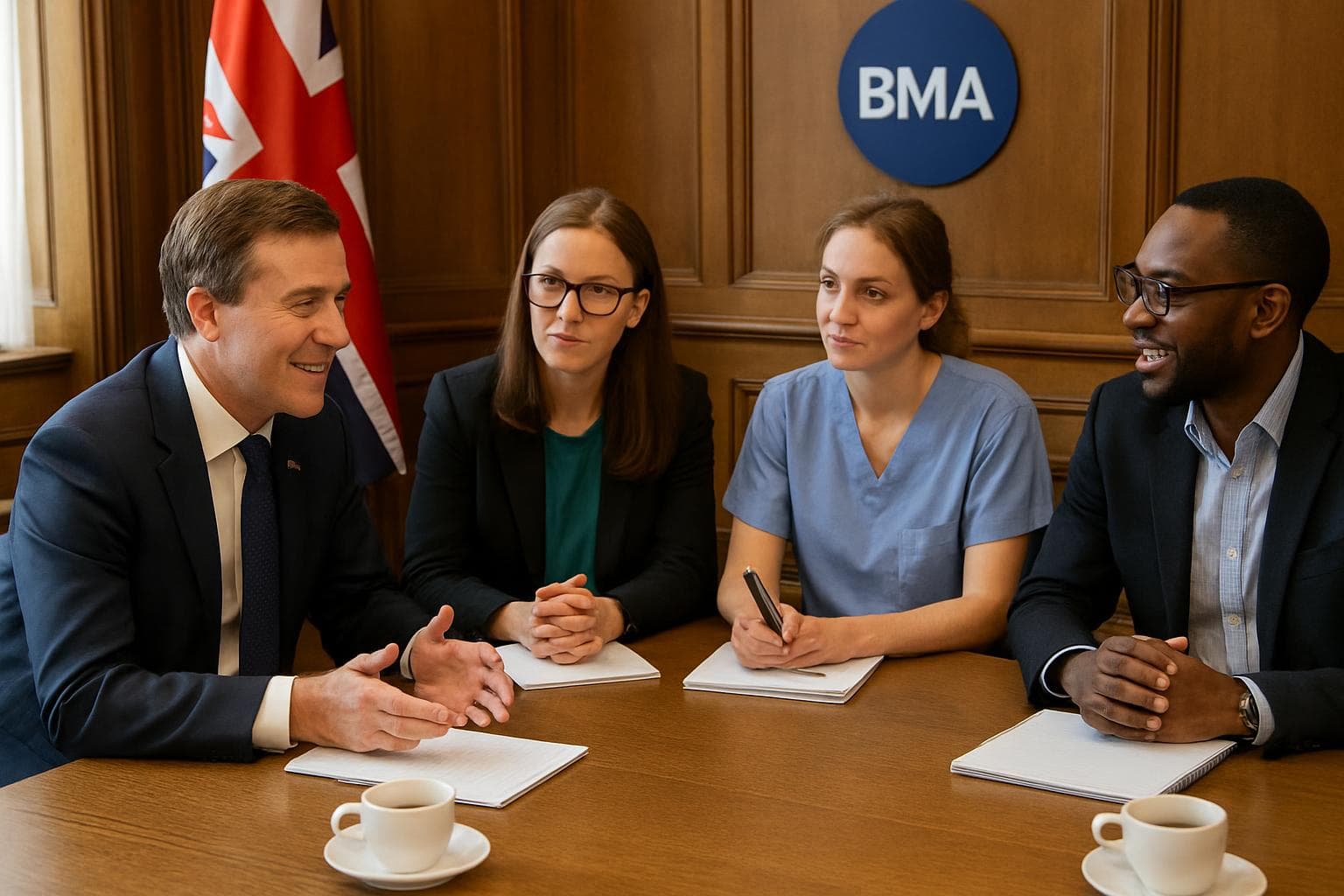
In a bid to prevent a looming strike by resident doctors, the British Medical Association (BMA) and Health Secretary Wes Streeting have engaged in what both parties describe as "constructive" discussions. The talks, which took place in Westminster, aim to resolve a pay dispute that could see doctors walk out for five consecutive days starting 25 July.
Background of the Dispute
The BMA, representing 55,000 resident doctors, is demanding a 29% pay increase to address what it claims is a 20% real-term pay reduction since 2008. The government, however, has offered a 5.4% pay rise for this year, following a 22% increase over the past two years. Streeting has labeled the BMA's demand as "unreasonable," emphasizing the financial constraints facing the NHS.
Exploring Creative Solutions
While the government remains firm on the pay issue, Streeting is considering alternative measures to improve working conditions. Among these is a potential student loan forgiveness scheme, which could alleviate financial burdens for doctors without setting a precedent for other public sector workers. This proposal is seen as a possible compromise, with the BMA expressing openness to such creative solutions.
Impact of Previous Strikes
The ongoing pay dispute has already led to significant disruptions within the NHS. Previous strikes by resident doctors have resulted in the cancellation of approximately 1.5 million appointments and cost the health service an estimated £1.5 billion. As hospitals prepare for the potential strike, plans are being made to reschedule appointments and ensure coverage by senior doctors.
A Window of Opportunity
Despite the challenges, both the BMA and the government acknowledge a "window of opportunity" for further negotiations. Dr. Ross Nieuwoudt of the BMA highlighted the importance of finding a genuine path to improving the value of being a doctor in the UK. With talks set to continue, the focus remains on reaching a resolution that addresses both pay and working conditions.
WHAT THIS MIGHT MEAN
As negotiations continue, the potential for a breakthrough hinges on the government's willingness to offer meaningful non-pay incentives, such as student loan forgiveness. If successful, this could set a precedent for addressing similar disputes in other public sectors. However, failure to reach an agreement may result in prolonged industrial action, further straining the NHS and impacting patient care. Experts suggest that a balanced approach, addressing both financial and working condition concerns, is crucial for sustainable resolution.
Related Articles
UK Achieves Record Budget Surplus Amid Calls for Fiscal Policy Reform
NHS Staff Pay Rise Sparks Union Outrage Amid Inflation Concerns

England Proposes Vaping Ban in Cars with Children to Protect Public Health
UK Government to Reform Asylum Seeker Support and Employment Policies
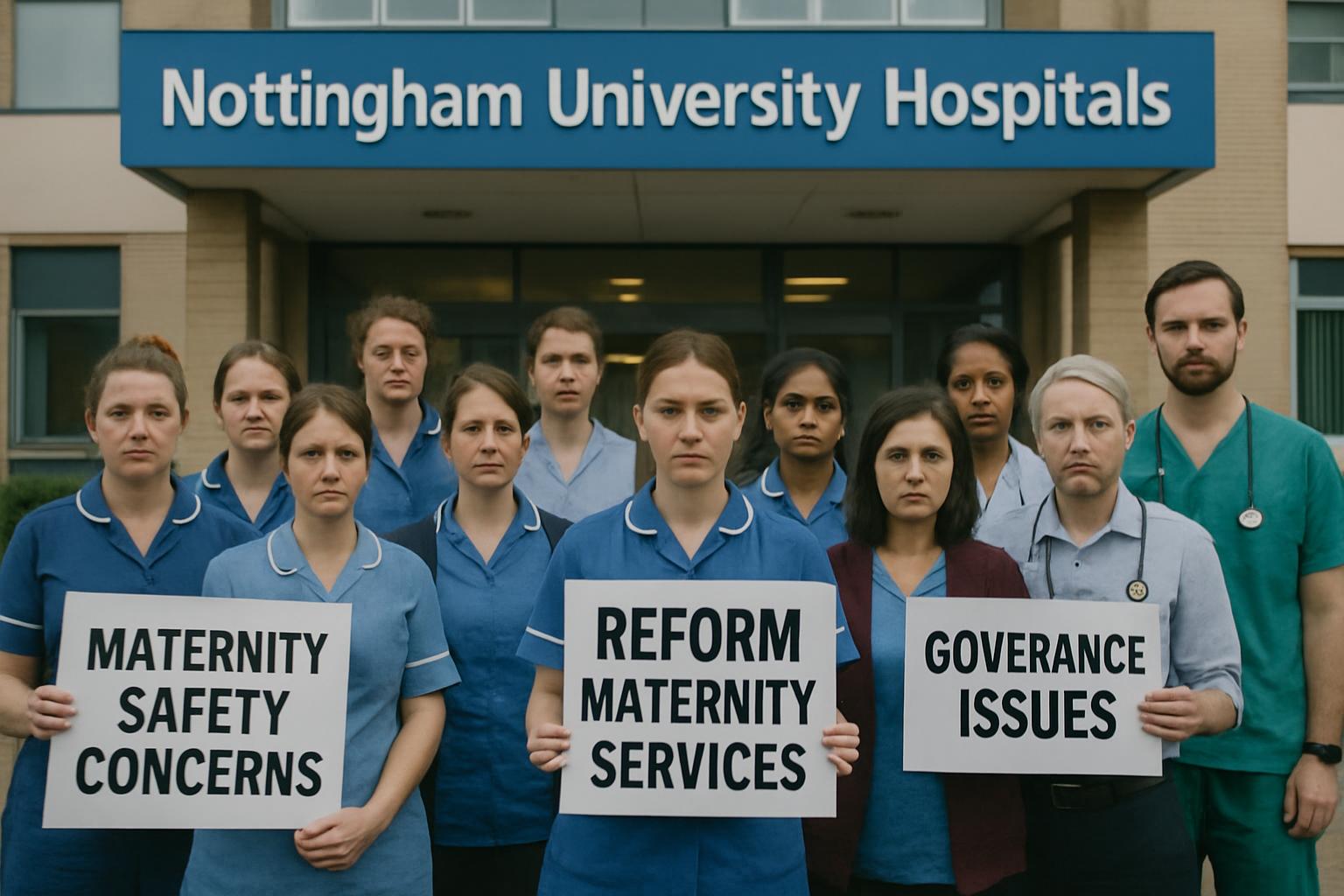
Persistent Safety Concerns in Nottingham Maternity Services Amidst Calls for Systemic Reform
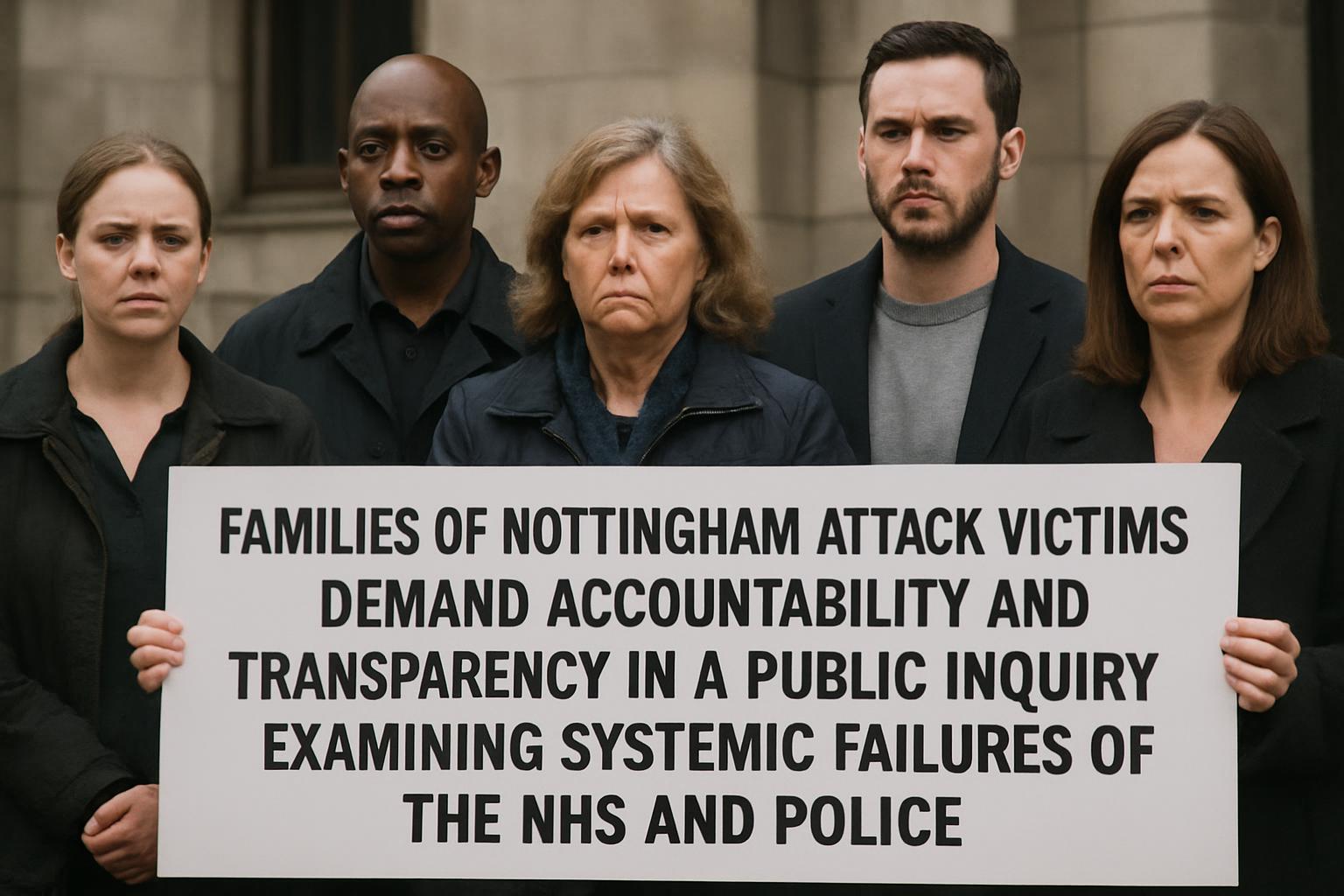
Nottingham Attacks Inquiry: Families Demand Accountability and Truth
Constructive Talks Offer Hope to Avert UK Doctors' Strike Amid Pay Dispute
In This Article
 Daniel Rivera| Published
 HIGHLIGHTS
- Constructive talks between the BMA and Health Secretary Wes Streeting aim to avert a five-day doctors' strike starting 25 July.
- The BMA is pushing for a 29% pay rise, citing a real-term pay reduction since 2008, while the government stands firm on a 5.4% increase.
- Streeting is exploring non-pay solutions, including student loan forgiveness, to improve doctors' working conditions.
- Previous strikes have led to significant disruptions, costing the NHS £1.5 billion and cancelling 1.5 million appointments.
- The BMA sees a "window of opportunity" for further negotiations, with debt relief as a potential compromise.
In a bid to prevent a looming strike by resident doctors, the British Medical Association (BMA) and Health Secretary Wes Streeting have engaged in what both parties describe as "constructive" discussions. The talks, which took place in Westminster, aim to resolve a pay dispute that could see doctors walk out for five consecutive days starting 25 July.
Background of the Dispute
The BMA, representing 55,000 resident doctors, is demanding a 29% pay increase to address what it claims is a 20% real-term pay reduction since 2008. The government, however, has offered a 5.4% pay rise for this year, following a 22% increase over the past two years. Streeting has labeled the BMA's demand as "unreasonable," emphasizing the financial constraints facing the NHS.
Exploring Creative Solutions
While the government remains firm on the pay issue, Streeting is considering alternative measures to improve working conditions. Among these is a potential student loan forgiveness scheme, which could alleviate financial burdens for doctors without setting a precedent for other public sector workers. This proposal is seen as a possible compromise, with the BMA expressing openness to such creative solutions.
Impact of Previous Strikes
The ongoing pay dispute has already led to significant disruptions within the NHS. Previous strikes by resident doctors have resulted in the cancellation of approximately 1.5 million appointments and cost the health service an estimated £1.5 billion. As hospitals prepare for the potential strike, plans are being made to reschedule appointments and ensure coverage by senior doctors.
A Window of Opportunity
Despite the challenges, both the BMA and the government acknowledge a "window of opportunity" for further negotiations. Dr. Ross Nieuwoudt of the BMA highlighted the importance of finding a genuine path to improving the value of being a doctor in the UK. With talks set to continue, the focus remains on reaching a resolution that addresses both pay and working conditions.
WHAT THIS MIGHT MEAN
As negotiations continue, the potential for a breakthrough hinges on the government's willingness to offer meaningful non-pay incentives, such as student loan forgiveness. If successful, this could set a precedent for addressing similar disputes in other public sectors. However, failure to reach an agreement may result in prolonged industrial action, further straining the NHS and impacting patient care. Experts suggest that a balanced approach, addressing both financial and working condition concerns, is crucial for sustainable resolution.
Related Articles
UK Achieves Record Budget Surplus Amid Calls for Fiscal Policy Reform
NHS Staff Pay Rise Sparks Union Outrage Amid Inflation Concerns
England Proposes Vaping Ban in Cars with Children to Protect Public Health
UK Government to Reform Asylum Seeker Support and Employment Policies
Persistent Safety Concerns in Nottingham Maternity Services Amidst Calls for Systemic Reform
Nottingham Attacks Inquiry: Families Demand Accountability and Truth