
UK Economic Growth Faces Challenges Amid Tax Rises and Spending Cuts, OECD Warns
In This Article
HIGHLIGHTS
- The OECD forecasts UK economic growth of 1.4% in 2023, slowing to 1.2% in 2026, with tax rises and spending cuts impacting growth.
- UK inflation is expected to remain the highest among G7 nations at 3.5% this year, dropping to 2.5% in 2024.
- The UK will be the second-fastest growing G7 economy this year, but growth is predicted to slow due to fiscal consolidation.
- Interest rates are expected to decrease to 3.5% by 2026, providing a slight economic boost.
- Unemployment is projected to rise to 5% by 2027, according to the OECD.
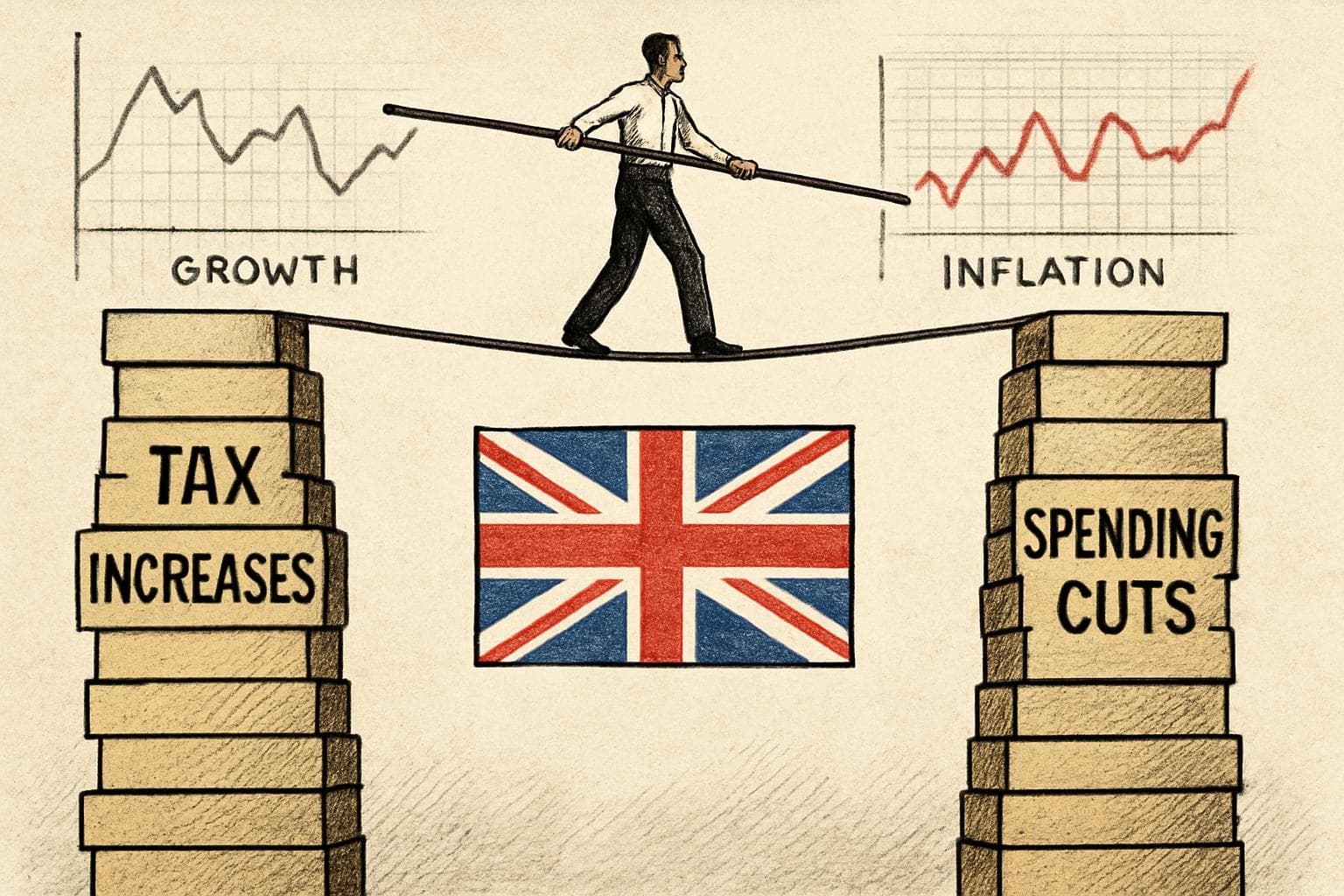
The UK's economic growth is set to face significant challenges due to increased taxes and tighter government spending, according to the latest forecast from the Organization for Economic Co-operation and Development (OECD). The influential global policy group predicts that the UK economy will grow by 1.4% this year, before slowing to 1.2% in 2026. This outlook comes shortly after the UK government's Budget announcement, which included £26 billion in tax increases over the next five years.
Economic Growth and Inflation Outlook
Despite the anticipated slowdown, the UK is expected to be the second-fastest growing economy among the G7 nations this year, trailing only the United States. However, the OECD warns that fiscal consolidation measures, such as higher taxes and reduced government spending, will act as a "headwind" to economic growth. These measures are likely to weigh on household disposable income and consumer expenditure, further slowing consumption.
The OECD also projects that UK inflation will remain the highest among the G7 countries at 3.5% this year, although it is expected to decrease to 2.5% in 2024. This reduction is partly attributed to recent measures aimed at lowering energy and fuel costs.
Interest Rates and Employment
The Bank of England is anticipated to implement two more interest rate cuts, bringing the key rate down to 3.5% by 2026. This move is expected to provide a slight boost to the economy, alongside a gradual improvement in global trade. However, the OECD predicts that unemployment will rise to 5% by 2027.
Political Reactions and Implications
Chancellor Rachel Reeves has defended her Budget, stating that it aims to cut waiting lists, borrowing, and the cost of living. She welcomed the OECD's upgraded growth forecast and reduced inflation prediction for next year. In contrast, Shadow Chancellor Mel Stride criticized the Budget, arguing that it punishes work, businesses, and investment, leading to weaker growth.
WHAT THIS MIGHT MEAN
Looking ahead, the UK's economic trajectory will largely depend on the effectiveness of fiscal policies and global economic conditions. The anticipated interest rate cuts could stimulate growth, but the impact of tax increases and spending constraints may continue to weigh on consumer expenditure. As the UK navigates these economic challenges, the government's ability to balance fiscal consolidation with growth-promoting measures will be crucial. Additionally, the political landscape may shift as public and business reactions to the Budget unfold, potentially influencing future economic policies and priorities.
Related Articles
China Sets Lowest GDP Growth Target in Decades Amid Economic Challenges

Trump Raises Import Tariffs to 15% After Supreme Court Setback

Breakthrough Drug Offers Hope for Children with Severe Epilepsy

Cuba Faces Widespread Blackout Amid Deepening Fuel Crisis
Middle East Conflict Drives UK Energy Prices to New Highs

UK Faces Dilemmas Amid Iran Conflict and China Spying Allegations
UK Economic Growth Faces Challenges Amid Tax Rises and Spending Cuts, OECD Warns
In This Article
 Daniel Rivera| Published
 HIGHLIGHTS
- The OECD forecasts UK economic growth of 1.4% in 2023, slowing to 1.2% in 2026, with tax rises and spending cuts impacting growth.
- UK inflation is expected to remain the highest among G7 nations at 3.5% this year, dropping to 2.5% in 2024.
- The UK will be the second-fastest growing G7 economy this year, but growth is predicted to slow due to fiscal consolidation.
- Interest rates are expected to decrease to 3.5% by 2026, providing a slight economic boost.
- Unemployment is projected to rise to 5% by 2027, according to the OECD.
The UK's economic growth is set to face significant challenges due to increased taxes and tighter government spending, according to the latest forecast from the Organization for Economic Co-operation and Development (OECD). The influential global policy group predicts that the UK economy will grow by 1.4% this year, before slowing to 1.2% in 2026. This outlook comes shortly after the UK government's Budget announcement, which included £26 billion in tax increases over the next five years.
Economic Growth and Inflation Outlook
Despite the anticipated slowdown, the UK is expected to be the second-fastest growing economy among the G7 nations this year, trailing only the United States. However, the OECD warns that fiscal consolidation measures, such as higher taxes and reduced government spending, will act as a "headwind" to economic growth. These measures are likely to weigh on household disposable income and consumer expenditure, further slowing consumption.
The OECD also projects that UK inflation will remain the highest among the G7 countries at 3.5% this year, although it is expected to decrease to 2.5% in 2024. This reduction is partly attributed to recent measures aimed at lowering energy and fuel costs.
Interest Rates and Employment
The Bank of England is anticipated to implement two more interest rate cuts, bringing the key rate down to 3.5% by 2026. This move is expected to provide a slight boost to the economy, alongside a gradual improvement in global trade. However, the OECD predicts that unemployment will rise to 5% by 2027.
Political Reactions and Implications
Chancellor Rachel Reeves has defended her Budget, stating that it aims to cut waiting lists, borrowing, and the cost of living. She welcomed the OECD's upgraded growth forecast and reduced inflation prediction for next year. In contrast, Shadow Chancellor Mel Stride criticized the Budget, arguing that it punishes work, businesses, and investment, leading to weaker growth.
WHAT THIS MIGHT MEAN
Looking ahead, the UK's economic trajectory will largely depend on the effectiveness of fiscal policies and global economic conditions. The anticipated interest rate cuts could stimulate growth, but the impact of tax increases and spending constraints may continue to weigh on consumer expenditure. As the UK navigates these economic challenges, the government's ability to balance fiscal consolidation with growth-promoting measures will be crucial. Additionally, the political landscape may shift as public and business reactions to the Budget unfold, potentially influencing future economic policies and priorities.
Related Articles
China Sets Lowest GDP Growth Target in Decades Amid Economic Challenges
Trump Raises Import Tariffs to 15% After Supreme Court Setback
Breakthrough Drug Offers Hope for Children with Severe Epilepsy
Cuba Faces Widespread Blackout Amid Deepening Fuel Crisis
Middle East Conflict Drives UK Energy Prices to New Highs
UK Faces Dilemmas Amid Iran Conflict and China Spying Allegations