
UK Economy Stagnates as Budget Challenges Loom for Rachel Reeves
In This Article
HIGHLIGHTS
- The UK economy grew by only 0.1% in the third quarter, with a contraction in September, partly due to a cyber-attack on Jaguar Land Rover.
- Rachel Reeves faces a challenging task with the upcoming Budget, needing to balance fiscal consolidation with stimulating economic growth.
- Consumer confidence remains low, with high savings rates and weak business investment contributing to the sluggish growth.
- The Bank of England may consider further rate cuts, as inflation remains high and economic growth falters.
- The UK government provided a £1.5bn loan guarantee to Jaguar Land Rover to support economic resilience, though the funds were not used.
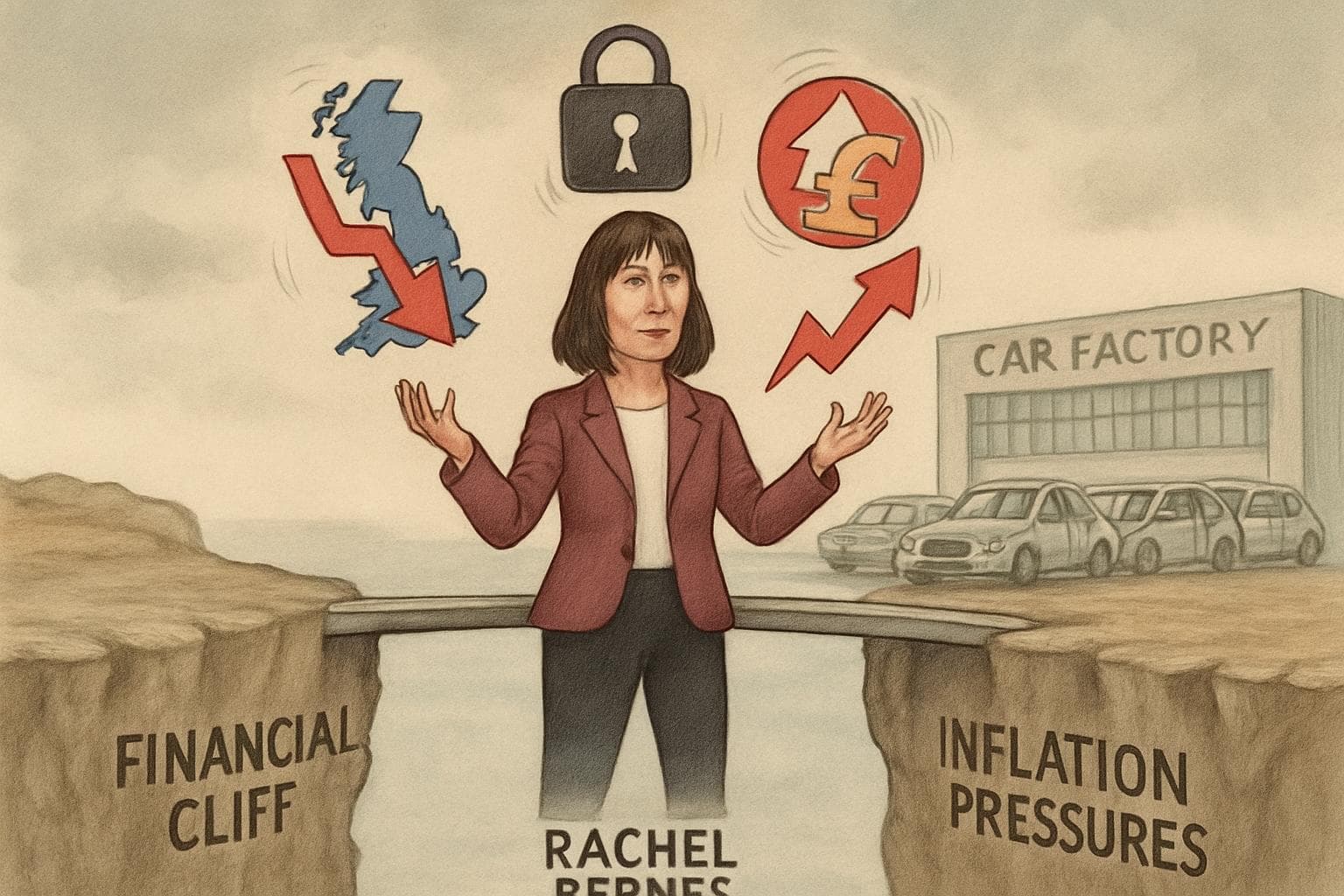
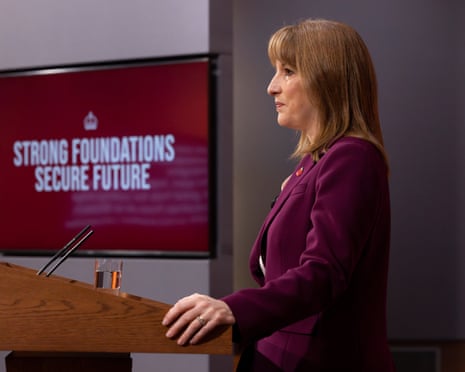
The UK economy is grappling with sluggish growth, as recent figures reveal a mere 0.1% increase in GDP for the third quarter of 2023. This disappointing performance, exacerbated by a cyber-attack on Jaguar Land Rover (JLR), underscores the challenges facing Chancellor Rachel Reeves as she prepares for the upcoming Budget.
Economic Growth Stalls
The latest data from the Office for National Statistics (ONS) highlights a contraction in the UK economy during September, attributed in part to a significant decline in car production following the JLR cyber-attack. This incident led to a 28.6% drop in output in the car industry, shaving 0.16 percentage points off the quarterly GDP figures. Despite a strong start to the year, the UK economy has returned to a slower growth trajectory, with consumer-facing services and business investment showing signs of weakness.
Budgetary Challenges
Rachel Reeves is tasked with navigating a complex economic landscape as she prepares to deliver the autumn Budget. The chancellor must address a potential fiscal shortfall of up to £30 billion while avoiding measures that could further dampen economic activity. The challenge is compounded by inflation rates nearly double the Bank of England's target, necessitating careful fiscal policy decisions to stimulate growth without exacerbating inflationary pressures.
Consumer and Business Confidence
Consumer confidence remains fragile, with high savings rates indicating caution among UK households. Business investment also remains subdued, with a 0.3% decline in the third quarter, despite government efforts to promote a pro-business environment. The uncertainty surrounding fiscal policy and potential tax changes has further contributed to the reluctance of businesses and consumers to spend.
Government Support and Economic Resilience
In response to the JLR cyber-attack, the UK government provided a £1.5 billion loan guarantee to support the company and its supply chain. Although the funds were not utilized, this move highlights the government's role in promoting economic resilience. The Bank of England's potential rate cuts could offer some relief, as declining government borrowing costs and fixed mortgage rates provide a silver lining amid the economic challenges.
WHAT THIS MIGHT MEAN
Looking ahead, the UK government faces a delicate balancing act in its fiscal policy. The upcoming Budget will need to address the fiscal gap while fostering economic growth and maintaining consumer confidence. Experts suggest that targeted fiscal measures, such as investment in infrastructure and incentives for business innovation, could help stimulate growth without exacerbating inflation.
The potential for further interest rate cuts by the Bank of England may provide some economic relief, but the effectiveness of such measures will depend on broader global economic conditions and domestic policy decisions. As the UK navigates these challenges, the government's ability to instill confidence and stability will be crucial in breaking the cycle of slow growth and uncertainty.
Images from the Web
Related Articles
Trump's New Tariff Strategy Sparks Global Trade Uncertainty

US Supreme Court Ruling on Tariffs Sparks Uncertainty for UK and Global Trade
Middle East Conflict Drives UK Energy Prices to New Highs

Canada and Australia Forge Strategic Partnership Amid Global Uncertainty

UK Government to Reform Asylum Seeker Support and Employment Policies

UK Faces Dilemmas Amid Iran Conflict and China Spying Allegations
UK Economy Stagnates as Budget Challenges Loom for Rachel Reeves
In This Article
 Daniel Rivera| Published
 HIGHLIGHTS
- The UK economy grew by only 0.1% in the third quarter, with a contraction in September, partly due to a cyber-attack on Jaguar Land Rover.
- Rachel Reeves faces a challenging task with the upcoming Budget, needing to balance fiscal consolidation with stimulating economic growth.
- Consumer confidence remains low, with high savings rates and weak business investment contributing to the sluggish growth.
- The Bank of England may consider further rate cuts, as inflation remains high and economic growth falters.
- The UK government provided a £1.5bn loan guarantee to Jaguar Land Rover to support economic resilience, though the funds were not used.
The UK economy is grappling with sluggish growth, as recent figures reveal a mere 0.1% increase in GDP for the third quarter of 2023. This disappointing performance, exacerbated by a cyber-attack on Jaguar Land Rover (JLR), underscores the challenges facing Chancellor Rachel Reeves as she prepares for the upcoming Budget.
Economic Growth Stalls
The latest data from the Office for National Statistics (ONS) highlights a contraction in the UK economy during September, attributed in part to a significant decline in car production following the JLR cyber-attack. This incident led to a 28.6% drop in output in the car industry, shaving 0.16 percentage points off the quarterly GDP figures. Despite a strong start to the year, the UK economy has returned to a slower growth trajectory, with consumer-facing services and business investment showing signs of weakness.
Budgetary Challenges
Rachel Reeves is tasked with navigating a complex economic landscape as she prepares to deliver the autumn Budget. The chancellor must address a potential fiscal shortfall of up to £30 billion while avoiding measures that could further dampen economic activity. The challenge is compounded by inflation rates nearly double the Bank of England's target, necessitating careful fiscal policy decisions to stimulate growth without exacerbating inflationary pressures.
Consumer and Business Confidence
Consumer confidence remains fragile, with high savings rates indicating caution among UK households. Business investment also remains subdued, with a 0.3% decline in the third quarter, despite government efforts to promote a pro-business environment. The uncertainty surrounding fiscal policy and potential tax changes has further contributed to the reluctance of businesses and consumers to spend.
Government Support and Economic Resilience
In response to the JLR cyber-attack, the UK government provided a £1.5 billion loan guarantee to support the company and its supply chain. Although the funds were not utilized, this move highlights the government's role in promoting economic resilience. The Bank of England's potential rate cuts could offer some relief, as declining government borrowing costs and fixed mortgage rates provide a silver lining amid the economic challenges.
WHAT THIS MIGHT MEAN
Looking ahead, the UK government faces a delicate balancing act in its fiscal policy. The upcoming Budget will need to address the fiscal gap while fostering economic growth and maintaining consumer confidence. Experts suggest that targeted fiscal measures, such as investment in infrastructure and incentives for business innovation, could help stimulate growth without exacerbating inflation.
The potential for further interest rate cuts by the Bank of England may provide some economic relief, but the effectiveness of such measures will depend on broader global economic conditions and domestic policy decisions. As the UK navigates these challenges, the government's ability to instill confidence and stability will be crucial in breaking the cycle of slow growth and uncertainty.
Images from the Web
Related Articles
Trump's New Tariff Strategy Sparks Global Trade Uncertainty
US Supreme Court Ruling on Tariffs Sparks Uncertainty for UK and Global Trade
Middle East Conflict Drives UK Energy Prices to New Highs
Canada and Australia Forge Strategic Partnership Amid Global Uncertainty
UK Government to Reform Asylum Seeker Support and Employment Policies
UK Faces Dilemmas Amid Iran Conflict and China Spying Allegations