
UK and European Allies Seek Diplomatic Solutions Amid Iran-Israel Tensions
In This Article
HIGHLIGHTS
- The UK, France, and Germany are engaging in diplomatic talks with Iran amid escalating tensions with Israel.
- The US is contemplating military involvement in support of Israel, with a decision expected within two weeks.
- Israel's military actions in Gaza continue, with reports of casualties and severe humanitarian conditions.
- The UK may play a strategic role due to its military assets in the Indian Ocean, but any involvement must be defensive.
- Iran has dismissed negotiations with the US, citing its alliance with Israel as a barrier.
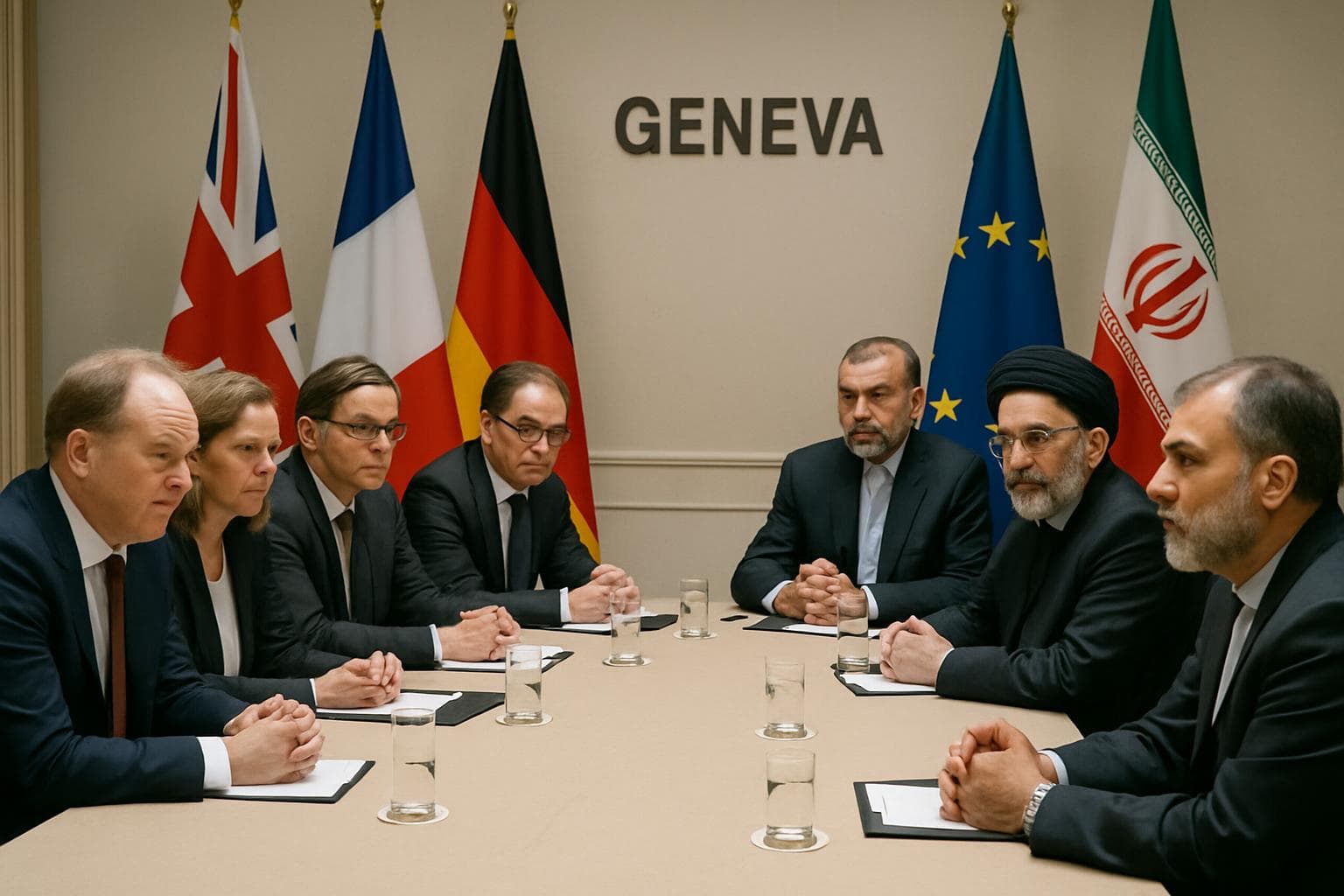
As tensions rise in the Middle East, the UK, France, and Germany are intensifying diplomatic efforts to address the escalating conflict between Iran and Israel. Foreign ministers from these European nations are set to meet with Iranian officials in Geneva, aiming to revive diplomatic channels amidst the ongoing hostilities.
The diplomatic push comes as the United States, under President Donald Trump, considers military intervention in support of Israel. The White House has indicated that a decision on whether to engage militarily with Iran will be made within the next two weeks. This potential involvement follows Israel's recent calls for regime change in Iran, with Defense Minister Israel Katz stating that Iran's Supreme Leader, Ayatollah Ali Khamenei, "can no longer be allowed to exist."
Humanitarian Crisis in Gaza
While the focus has shifted to the Iran-Israel conflict, the humanitarian situation in Gaza remains dire. Reports from Al Jazeera indicate that Israeli forces have killed at least 23 Palestinians in central Gaza, although these figures have not been independently verified due to restrictions on foreign journalists. UNICEF has raised alarms about the deteriorating conditions, noting that only 40% of Gaza's drinking water facilities are operational, posing a severe risk to children and vulnerable populations.
UK's Strategic Role and Legal Constraints
The UK, although not a central player in the conflict, holds significant strategic assets in the region. The Diego Garcia military base, jointly operated with the US, could serve as a staging ground for potential military operations. However, any UK involvement must adhere to legal constraints, with Attorney General Richard Hermer advising that actions remain purely defensive.
Despite strained relations with Israel, partly due to recent sanctions against Israeli ministers, the UK continues to advocate for de-escalation alongside its G7 allies. Foreign Secretary David Lammy is actively engaged in discussions with US and European counterparts to explore diplomatic solutions.
Iran's Stance on US Negotiations
Iran has firmly rejected the possibility of negotiations with the US, labeling it a "partner to Israeli crime against Iran." This stance complicates diplomatic efforts, as European ministers strive to mediate and prevent further escalation.
WHAT THIS MIGHT MEAN
The coming weeks could prove pivotal in determining the trajectory of the Iran-Israel conflict. Should the US decide to intervene militarily, it could significantly alter the regional power dynamics and potentially draw in other nations, including the UK, despite its current diplomatic stance. The humanitarian crisis in Gaza also demands urgent attention, with international organizations warning of severe consequences if conditions do not improve.
Experts suggest that sustained diplomatic engagement, particularly by European nations, could help de-escalate tensions and pave the way for renewed negotiations. However, the entrenched positions of Iran and Israel, coupled with the US's potential military involvement, present formidable challenges to achieving a peaceful resolution.
Images from the Web

Related Articles

UK Faces Dilemmas Amid Iran Conflict and China Spying Allegations
Middle East Conflict Drives UK Energy Prices to New Highs
UK Reinforces Military Presence in Cyprus Amid Middle East Tensions
US and Israel Intensify Military Campaign as Iran's Capabilities Dwindle

Intensified US-Israel Strikes on Iran Spark Global Outcry
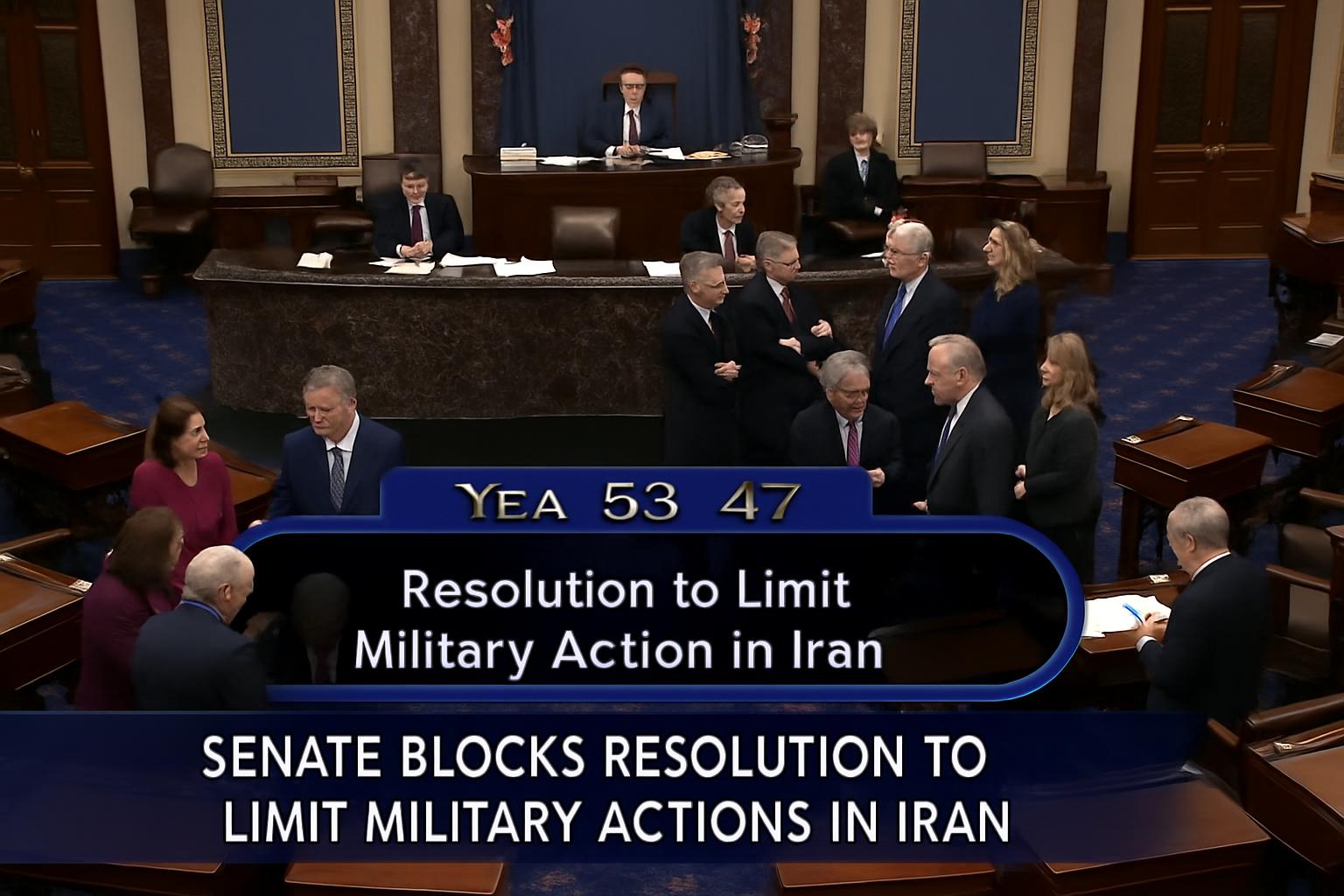
Senate Blocks Resolution to Limit Trump's Military Actions in Iran
UK and European Allies Seek Diplomatic Solutions Amid Iran-Israel Tensions
In This Article
 James Okoro| Published
 HIGHLIGHTS
- The UK, France, and Germany are engaging in diplomatic talks with Iran amid escalating tensions with Israel.
- The US is contemplating military involvement in support of Israel, with a decision expected within two weeks.
- Israel's military actions in Gaza continue, with reports of casualties and severe humanitarian conditions.
- The UK may play a strategic role due to its military assets in the Indian Ocean, but any involvement must be defensive.
- Iran has dismissed negotiations with the US, citing its alliance with Israel as a barrier.
As tensions rise in the Middle East, the UK, France, and Germany are intensifying diplomatic efforts to address the escalating conflict between Iran and Israel. Foreign ministers from these European nations are set to meet with Iranian officials in Geneva, aiming to revive diplomatic channels amidst the ongoing hostilities.
The diplomatic push comes as the United States, under President Donald Trump, considers military intervention in support of Israel. The White House has indicated that a decision on whether to engage militarily with Iran will be made within the next two weeks. This potential involvement follows Israel's recent calls for regime change in Iran, with Defense Minister Israel Katz stating that Iran's Supreme Leader, Ayatollah Ali Khamenei, "can no longer be allowed to exist."
Humanitarian Crisis in Gaza
While the focus has shifted to the Iran-Israel conflict, the humanitarian situation in Gaza remains dire. Reports from Al Jazeera indicate that Israeli forces have killed at least 23 Palestinians in central Gaza, although these figures have not been independently verified due to restrictions on foreign journalists. UNICEF has raised alarms about the deteriorating conditions, noting that only 40% of Gaza's drinking water facilities are operational, posing a severe risk to children and vulnerable populations.
UK's Strategic Role and Legal Constraints
The UK, although not a central player in the conflict, holds significant strategic assets in the region. The Diego Garcia military base, jointly operated with the US, could serve as a staging ground for potential military operations. However, any UK involvement must adhere to legal constraints, with Attorney General Richard Hermer advising that actions remain purely defensive.
Despite strained relations with Israel, partly due to recent sanctions against Israeli ministers, the UK continues to advocate for de-escalation alongside its G7 allies. Foreign Secretary David Lammy is actively engaged in discussions with US and European counterparts to explore diplomatic solutions.
Iran's Stance on US Negotiations
Iran has firmly rejected the possibility of negotiations with the US, labeling it a "partner to Israeli crime against Iran." This stance complicates diplomatic efforts, as European ministers strive to mediate and prevent further escalation.
WHAT THIS MIGHT MEAN
The coming weeks could prove pivotal in determining the trajectory of the Iran-Israel conflict. Should the US decide to intervene militarily, it could significantly alter the regional power dynamics and potentially draw in other nations, including the UK, despite its current diplomatic stance. The humanitarian crisis in Gaza also demands urgent attention, with international organizations warning of severe consequences if conditions do not improve.
Experts suggest that sustained diplomatic engagement, particularly by European nations, could help de-escalate tensions and pave the way for renewed negotiations. However, the entrenched positions of Iran and Israel, coupled with the US's potential military involvement, present formidable challenges to achieving a peaceful resolution.
Images from the Web
Related Articles
UK Faces Dilemmas Amid Iran Conflict and China Spying Allegations
Middle East Conflict Drives UK Energy Prices to New Highs
UK Reinforces Military Presence in Cyprus Amid Middle East Tensions
US and Israel Intensify Military Campaign as Iran's Capabilities Dwindle
Intensified US-Israel Strikes on Iran Spark Global Outcry
Senate Blocks Resolution to Limit Trump's Military Actions in Iran