
UK and EU Summon Russian Ambassadors Following Deadly Missile Strikes on Kyiv
In This Article
HIGHLIGHTS
- Russia's missile strikes on Kyiv resulted in at least 23 deaths, including four children, and significant damage to the British Council and EU offices.
- The UK and EU have summoned their Russian ambassadors, condemning the attacks as "senseless" and a threat to peace efforts.
- Ukrainian President Zelenskyy called for increased sanctions on Russia, emphasizing the need for international pressure.
- EU defense ministers are meeting in Copenhagen to discuss military support for Ukraine amid the ongoing conflict.
- The strikes mark one of the largest aerial assaults on Kyiv since the conflict began, involving nearly 600 drones and over 30 missiles.
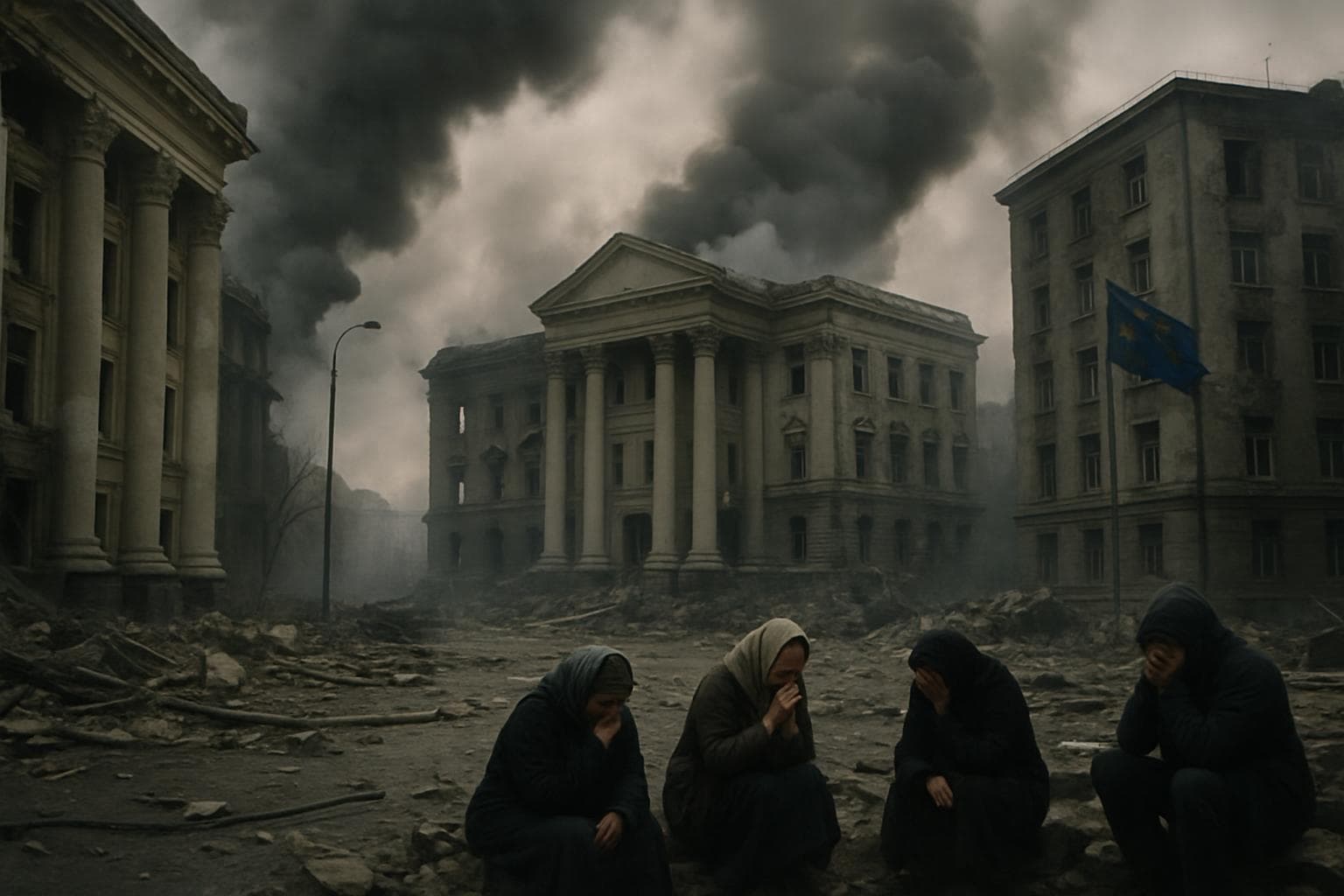
In a dramatic escalation of the ongoing conflict, Russia launched a massive missile assault on Kyiv, resulting in at least 23 fatalities, including four children, and causing extensive damage to key diplomatic buildings. The British Council and the EU delegation offices in the Ukrainian capital were among the structures severely impacted by the strikes, which Ukrainian officials described as one of the largest aerial attacks since the war began.
International Condemnation and Diplomatic Summons
In response to the attacks, the UK and the European Union have summoned their Russian ambassadors, condemning the violence as "senseless" and a direct threat to peace efforts. UK Foreign Secretary David Lammy stated, "The killing and destruction must stop," emphasizing that the strikes would only strengthen Western resolve to support Ukraine. Similarly, EU foreign policy chief Kaja Kallas criticized Russia's actions as a deliberate escalation.
Ukrainian Response and Calls for Sanctions
Ukrainian President Volodymyr Zelenskyy has urged international partners to impose tougher sanctions on Russia, arguing that the attacks demonstrate Moscow's lack of interest in peace negotiations. "Until Russia takes real steps towards peace, pressure must be intensified," Zelenskyy stated following a call with EU Commission President Ursula von der Leyen.
Military Support Discussions in Copenhagen
As the situation in Ukraine deteriorates, EU defense ministers are convening in Copenhagen to discuss potential military support for Kyiv. Lithuanian Defense Minister Dovilė Šakalienė remarked that Russian President Vladimir Putin is "cheaply buying time to kill more people," while Estonia's Defense Minister Hanno Pevkur advocated for Ukraine's NATO membership as a security guarantee.
Human Impact and Continued Tensions
The missile strikes have left Kyiv residents in mourning and recovery efforts underway. Personal accounts from survivors, like Ivan Zhelezko, highlight the human toll of the conflict. Despite the devastation, many Ukrainians remain defiant, determined to endure the hardships imposed by the ongoing war.
WHAT THIS MIGHT MEAN
The recent missile strikes on Kyiv could further complicate diplomatic efforts to resolve the conflict. With both the UK and EU taking a firm stance against Russia, the likelihood of successful peace negotiations appears slim. The international community's response, particularly in terms of sanctions and military support, will be crucial in shaping the next phase of the conflict. Experts suggest that increased pressure on Russia could either push Moscow towards negotiations or lead to further escalation. As the situation unfolds, the resilience and strategic decisions of Ukraine and its allies will play a pivotal role in determining the outcome of this protracted conflict.
Related Articles
Russian LNG Tanker Sinks in Mediterranean Amid Accusations of Ukrainian Drone Attack
UK-Iran Tensions: Starmer Defends Cautious Approach Amid Trump Criticism

UK Government to Reform Asylum Seeker Support and Employment Policies

UK Faces Dilemmas Amid Iran Conflict and China Spying Allegations
UK Reinforces Military Presence in Cyprus Amid Middle East Tensions
Persistent Safety Concerns in Nottingham Maternity Services Amidst Calls for Systemic Reform
UK and EU Summon Russian Ambassadors Following Deadly Missile Strikes on Kyiv
In This Article
 Ethan Brooks| Published
 HIGHLIGHTS
- Russia's missile strikes on Kyiv resulted in at least 23 deaths, including four children, and significant damage to the British Council and EU offices.
- The UK and EU have summoned their Russian ambassadors, condemning the attacks as "senseless" and a threat to peace efforts.
- Ukrainian President Zelenskyy called for increased sanctions on Russia, emphasizing the need for international pressure.
- EU defense ministers are meeting in Copenhagen to discuss military support for Ukraine amid the ongoing conflict.
- The strikes mark one of the largest aerial assaults on Kyiv since the conflict began, involving nearly 600 drones and over 30 missiles.
In a dramatic escalation of the ongoing conflict, Russia launched a massive missile assault on Kyiv, resulting in at least 23 fatalities, including four children, and causing extensive damage to key diplomatic buildings. The British Council and the EU delegation offices in the Ukrainian capital were among the structures severely impacted by the strikes, which Ukrainian officials described as one of the largest aerial attacks since the war began.
International Condemnation and Diplomatic Summons
In response to the attacks, the UK and the European Union have summoned their Russian ambassadors, condemning the violence as "senseless" and a direct threat to peace efforts. UK Foreign Secretary David Lammy stated, "The killing and destruction must stop," emphasizing that the strikes would only strengthen Western resolve to support Ukraine. Similarly, EU foreign policy chief Kaja Kallas criticized Russia's actions as a deliberate escalation.
Ukrainian Response and Calls for Sanctions
Ukrainian President Volodymyr Zelenskyy has urged international partners to impose tougher sanctions on Russia, arguing that the attacks demonstrate Moscow's lack of interest in peace negotiations. "Until Russia takes real steps towards peace, pressure must be intensified," Zelenskyy stated following a call with EU Commission President Ursula von der Leyen.
Military Support Discussions in Copenhagen
As the situation in Ukraine deteriorates, EU defense ministers are convening in Copenhagen to discuss potential military support for Kyiv. Lithuanian Defense Minister Dovilė Šakalienė remarked that Russian President Vladimir Putin is "cheaply buying time to kill more people," while Estonia's Defense Minister Hanno Pevkur advocated for Ukraine's NATO membership as a security guarantee.
Human Impact and Continued Tensions
The missile strikes have left Kyiv residents in mourning and recovery efforts underway. Personal accounts from survivors, like Ivan Zhelezko, highlight the human toll of the conflict. Despite the devastation, many Ukrainians remain defiant, determined to endure the hardships imposed by the ongoing war.
WHAT THIS MIGHT MEAN
The recent missile strikes on Kyiv could further complicate diplomatic efforts to resolve the conflict. With both the UK and EU taking a firm stance against Russia, the likelihood of successful peace negotiations appears slim. The international community's response, particularly in terms of sanctions and military support, will be crucial in shaping the next phase of the conflict. Experts suggest that increased pressure on Russia could either push Moscow towards negotiations or lead to further escalation. As the situation unfolds, the resilience and strategic decisions of Ukraine and its allies will play a pivotal role in determining the outcome of this protracted conflict.
Related Articles
Russian LNG Tanker Sinks in Mediterranean Amid Accusations of Ukrainian Drone Attack
UK-Iran Tensions: Starmer Defends Cautious Approach Amid Trump Criticism
UK Government to Reform Asylum Seeker Support and Employment Policies
UK Faces Dilemmas Amid Iran Conflict and China Spying Allegations
UK Reinforces Military Presence in Cyprus Amid Middle East Tensions
Persistent Safety Concerns in Nottingham Maternity Services Amidst Calls for Systemic Reform