
UK Navigates Diplomatic Strain Amid US-Iran Tensions

In This Article
HIGHLIGHTS
- Sir Keir Starmer faces diplomatic challenges as US airstrikes on Iran escalate tensions, despite his calls for de-escalation.
- The UK was informed but not involved in "Operation Midnight Hammer," avoiding legal complications and potential military backlash.
- US President Trump's unpredictable actions have strained UK-US relations, with the UK supporting US goals but not its methods.
- Iran's potential retaliation raises global security concerns, with the UK preparing to evacuate nationals from volatile regions.
- Legal and political implications loom as the UK navigates its stance on the US's unilateral military actions.
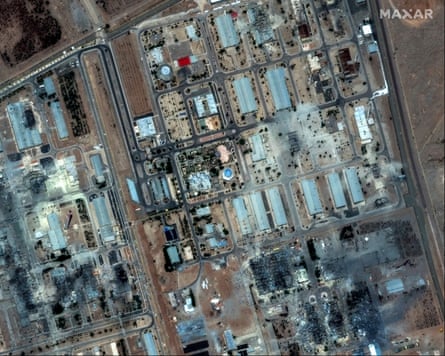
The recent US airstrikes on Iran have placed UK Prime Minister Sir Keir Starmer in a precarious diplomatic position, as he balances calls for de-escalation with maintaining a strategic relationship with the United States. Despite Starmer's efforts to avoid direct UK involvement, the US's "Operation Midnight Hammer" has intensified global tensions, with Iran vowing retaliation.
UK's Diplomatic Tightrope
Throughout the week, Sir Keir Starmer has been advocating for de-escalation in the Middle East, a stance that has not been heeded by the White House. The UK government, while informed of the US's intentions, was not asked to participate in the military operation, which involved B-2 bombers flying directly from Missouri to Iran. This decision spared the UK from immediate legal and military entanglements, as confirmed by former national security chief Peter Ricketts, who noted the potential legal complications of such involvement.
Strained UK-US Relations
The unpredictability of US President Donald Trump has further complicated UK-US relations. Starmer, who previously expressed confidence in Trump's restraint after a G7 summit dinner, now faces the reality of Trump's sudden military intervention. The UK supports the US's goal of preventing a nuclear-armed Iran but remains critical of the methods employed, highlighting a divergence in international law perspectives between the two nations.
Global Security Concerns
As Iran considers its response, global security hangs in the balance. The UK has bolstered measures to protect its armed forces in the Middle East and is preparing to evacuate British nationals from Israel and the Occupied Palestinian Territories. The potential for a drawn-out conflict raises fears of a broader military engagement, with the UK caught in the diplomatic crossfire.
WHAT THIS MIGHT MEAN
The UK's diplomatic strategy will be tested in the coming weeks as it navigates the fallout from the US's unilateral military actions. Should Iran retaliate, the UK may face increased pressure to support its ally, potentially leading to further legal and political dilemmas. Experts suggest that the UK's emphasis on diplomatic solutions could serve as a stabilizing force, but the unpredictability of the situation leaves room for significant geopolitical shifts. As the UK continues to advocate for dialogue, the international community watches closely, hoping for a resolution that averts further escalation.
Images from the Web
Related Articles

UK Faces Dilemmas Amid Iran Conflict and China Spying Allegations
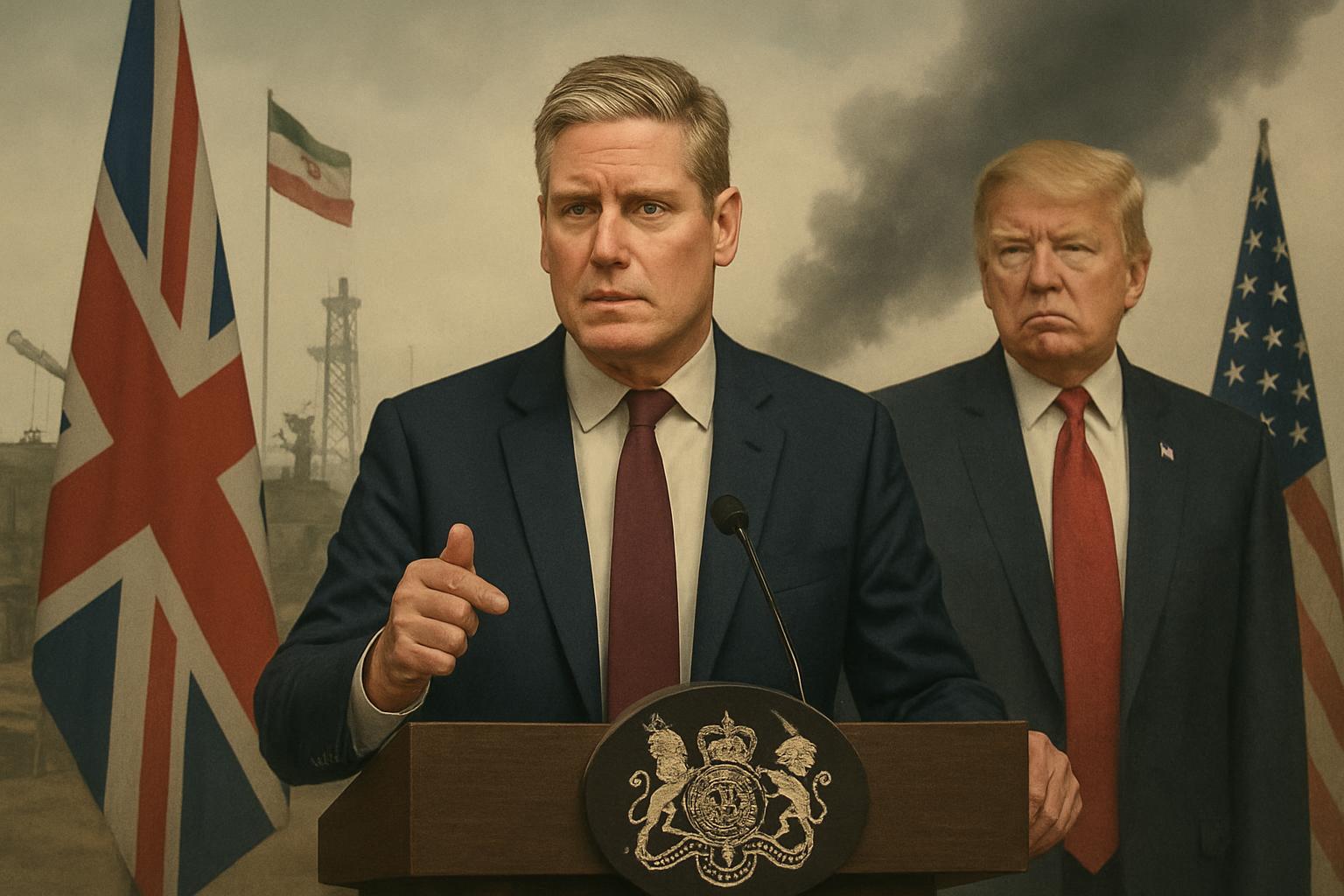
UK-Iran Tensions: Starmer Defends Cautious Approach Amid Trump Criticism
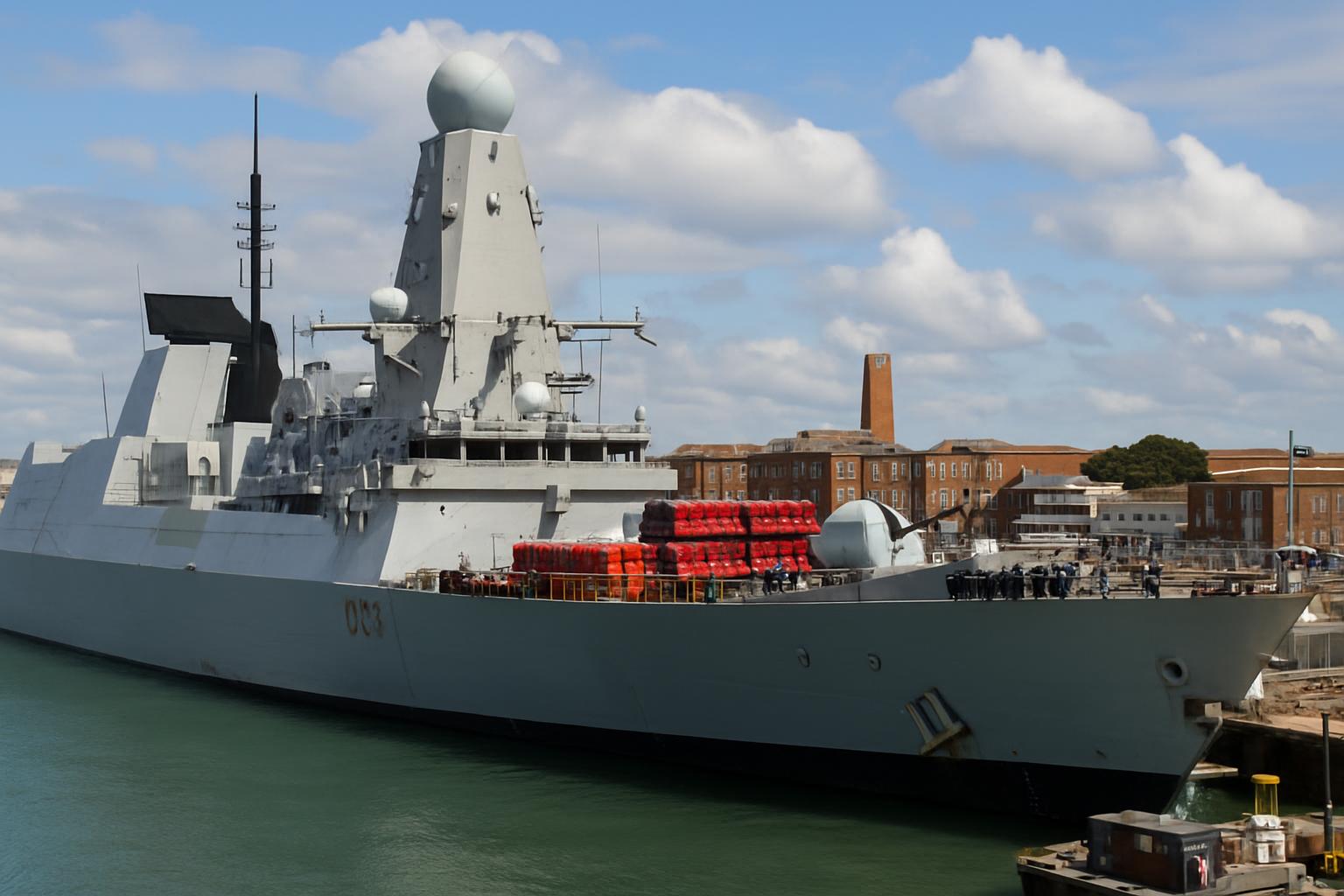
UK Reinforces Military Presence in Cyprus Amid Middle East Tensions
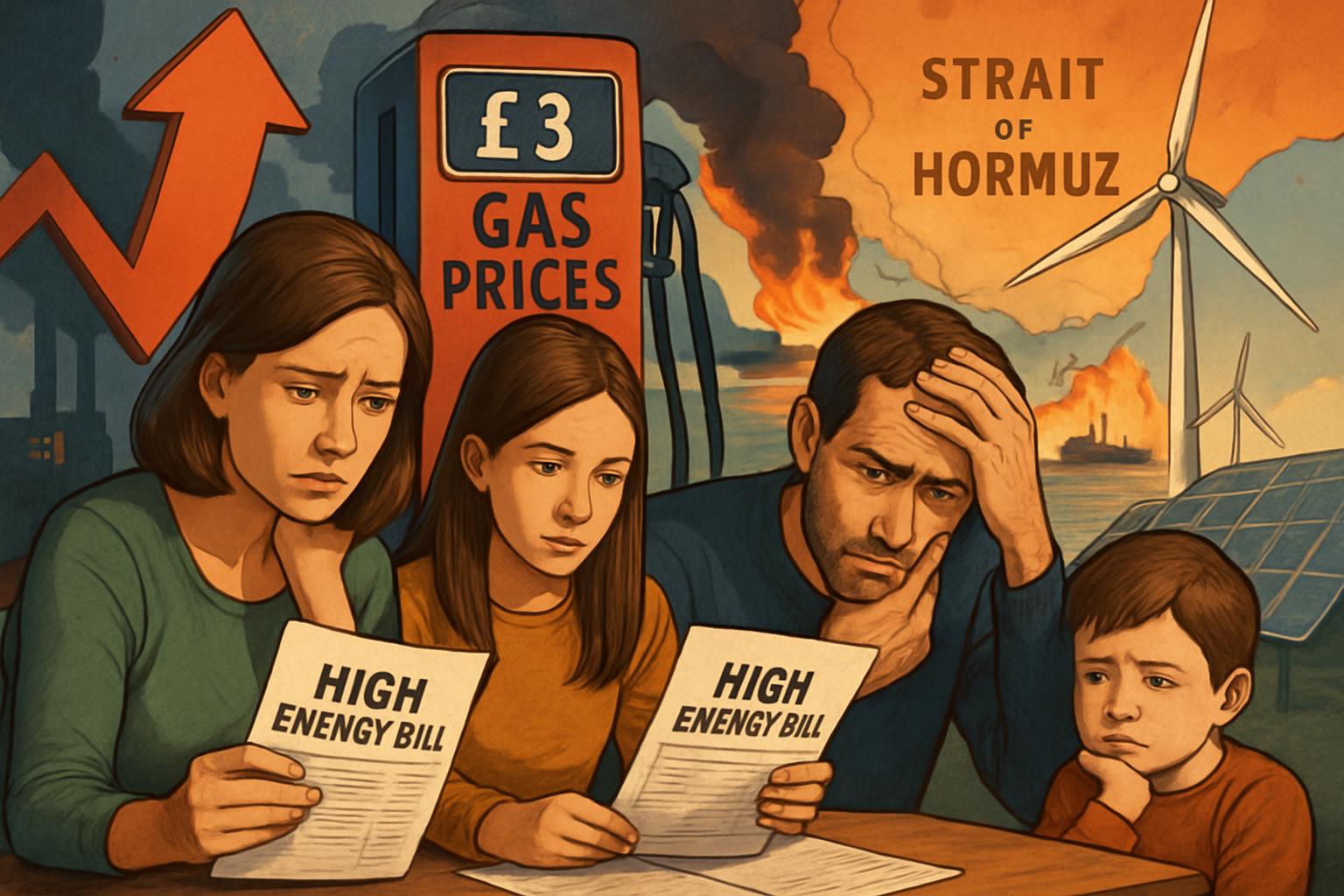
Middle East Conflict Drives UK Energy Prices to New Highs
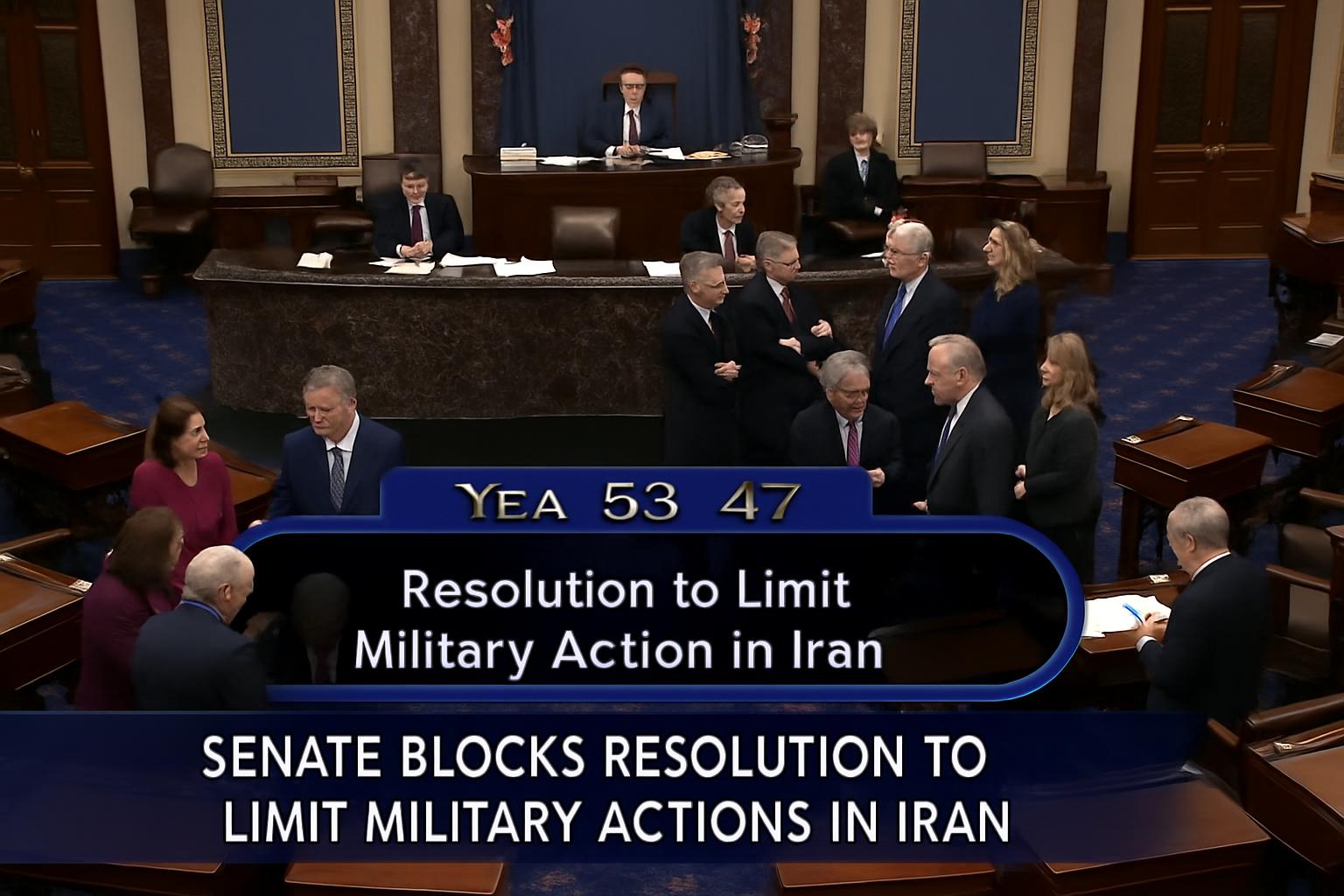
Senate Blocks Resolution to Limit Trump's Military Actions in Iran
Canada and Australia Forge Strategic Partnership Amid Global Uncertainty
UK Navigates Diplomatic Strain Amid US-Iran Tensions
In This Article
 Ethan Brooks| Published
 HIGHLIGHTS
- Sir Keir Starmer faces diplomatic challenges as US airstrikes on Iran escalate tensions, despite his calls for de-escalation.
- The UK was informed but not involved in "Operation Midnight Hammer," avoiding legal complications and potential military backlash.
- US President Trump's unpredictable actions have strained UK-US relations, with the UK supporting US goals but not its methods.
- Iran's potential retaliation raises global security concerns, with the UK preparing to evacuate nationals from volatile regions.
- Legal and political implications loom as the UK navigates its stance on the US's unilateral military actions.
The recent US airstrikes on Iran have placed UK Prime Minister Sir Keir Starmer in a precarious diplomatic position, as he balances calls for de-escalation with maintaining a strategic relationship with the United States. Despite Starmer's efforts to avoid direct UK involvement, the US's "Operation Midnight Hammer" has intensified global tensions, with Iran vowing retaliation.
UK's Diplomatic Tightrope
Throughout the week, Sir Keir Starmer has been advocating for de-escalation in the Middle East, a stance that has not been heeded by the White House. The UK government, while informed of the US's intentions, was not asked to participate in the military operation, which involved B-2 bombers flying directly from Missouri to Iran. This decision spared the UK from immediate legal and military entanglements, as confirmed by former national security chief Peter Ricketts, who noted the potential legal complications of such involvement.
Strained UK-US Relations
The unpredictability of US President Donald Trump has further complicated UK-US relations. Starmer, who previously expressed confidence in Trump's restraint after a G7 summit dinner, now faces the reality of Trump's sudden military intervention. The UK supports the US's goal of preventing a nuclear-armed Iran but remains critical of the methods employed, highlighting a divergence in international law perspectives between the two nations.
Global Security Concerns
As Iran considers its response, global security hangs in the balance. The UK has bolstered measures to protect its armed forces in the Middle East and is preparing to evacuate British nationals from Israel and the Occupied Palestinian Territories. The potential for a drawn-out conflict raises fears of a broader military engagement, with the UK caught in the diplomatic crossfire.
WHAT THIS MIGHT MEAN
The UK's diplomatic strategy will be tested in the coming weeks as it navigates the fallout from the US's unilateral military actions. Should Iran retaliate, the UK may face increased pressure to support its ally, potentially leading to further legal and political dilemmas. Experts suggest that the UK's emphasis on diplomatic solutions could serve as a stabilizing force, but the unpredictability of the situation leaves room for significant geopolitical shifts. As the UK continues to advocate for dialogue, the international community watches closely, hoping for a resolution that averts further escalation.
Images from the Web
Related Articles
UK Faces Dilemmas Amid Iran Conflict and China Spying Allegations
UK-Iran Tensions: Starmer Defends Cautious Approach Amid Trump Criticism
UK Reinforces Military Presence in Cyprus Amid Middle East Tensions
Middle East Conflict Drives UK Energy Prices to New Highs
Senate Blocks Resolution to Limit Trump's Military Actions in Iran
Canada and Australia Forge Strategic Partnership Amid Global Uncertainty