
UK and France Launch Pilot Scheme to Curb Channel Crossings
In This Article
HIGHLIGHTS
- The UK-French "one-in, one-out" pilot scheme aims to reduce Channel crossings by detaining and returning migrants to France.
- The European Commission and EU member states have approved the plan, allowing it to proceed within days.
- The scheme will initially return about 50 migrants per week, compared to the current weekly average of over 800 crossings.
- The UK will accept an equal number of asylum seekers from France, provided they meet security and eligibility criteria.
- The pilot, running until June 2026, seeks to disrupt the business model of people smuggling gangs.
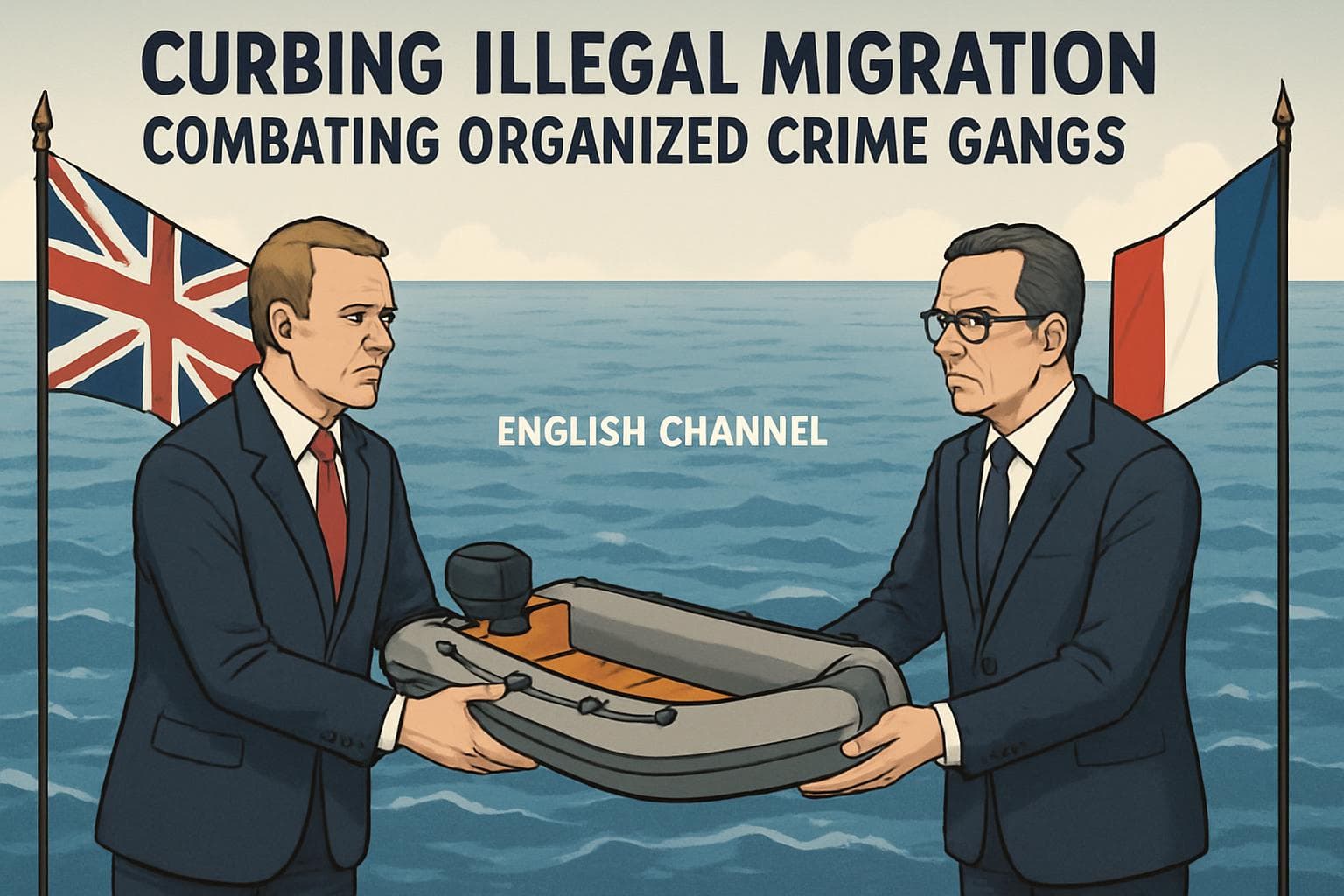
A new UK-French pilot scheme designed to tackle the persistent issue of illegal Channel crossings has officially commenced, following approval from the European Commission and EU member states. The "one-in, one-out" initiative, announced by UK Prime Minister Sir Keir Starmer and French President Emmanuel Macron, aims to reduce the number of small boats making the perilous journey across the Channel.
Under the terms of the agreement, the UK will begin detaining migrants arriving via small boats and returning them to France. In exchange, the UK will accept an equal number of asylum seekers directly from France, contingent on their passing rigorous security and eligibility checks. The scheme, which is set to start within days, is expected to return approximately 50 migrants per week, a significant reduction from the current weekly average of over 800 crossings.
The pilot program, operational until June 2026, represents a concerted effort to undermine the business model of organized crime gangs profiting from illegal immigration. Home Secretary Yvette Cooper emphasized the importance of the initiative, stating, "This is an important step towards undermining the business model of the organized crime gangs that are behind these crossings."
The UK government has committed £100 million to fund 300 National Crime Agency officers tasked with dismantling people smuggling operations. Despite criticism from the Conservative party, which argues the scheme will have minimal impact, Sir Keir Starmer remains optimistic. He described the plan as a "product of months of grown-up diplomacy" and a decisive move to restore order to UK borders.
WHAT THIS MIGHT MEAN
As the UK-French pilot scheme unfolds, its success will largely depend on the cooperation between the two nations and the effectiveness of the new measures in deterring illegal crossings. Should the initiative prove successful, it could serve as a model for future international collaborations on migration issues. However, legal challenges may arise, particularly from human rights organizations concerned about the treatment of asylum seekers.
Politically, the scheme's outcome could influence public opinion and policy decisions in both the UK and France. A reduction in Channel crossings may bolster the current UK government's standing, while failure could lead to increased scrutiny and pressure for alternative solutions. The pilot's progress will be closely monitored, with its results potentially shaping the broader European approach to migration and border control.
Related Articles
UK Government to Reform Asylum Seeker Support and Employment Policies

UK Faces Dilemmas Amid Iran Conflict and China Spying Allegations
UK Reinforces Military Presence in Cyprus Amid Middle East Tensions

UK-Iran Tensions: Starmer Defends Cautious Approach Amid Trump Criticism
Persistent Safety Concerns in Nottingham Maternity Services Amidst Calls for Systemic Reform
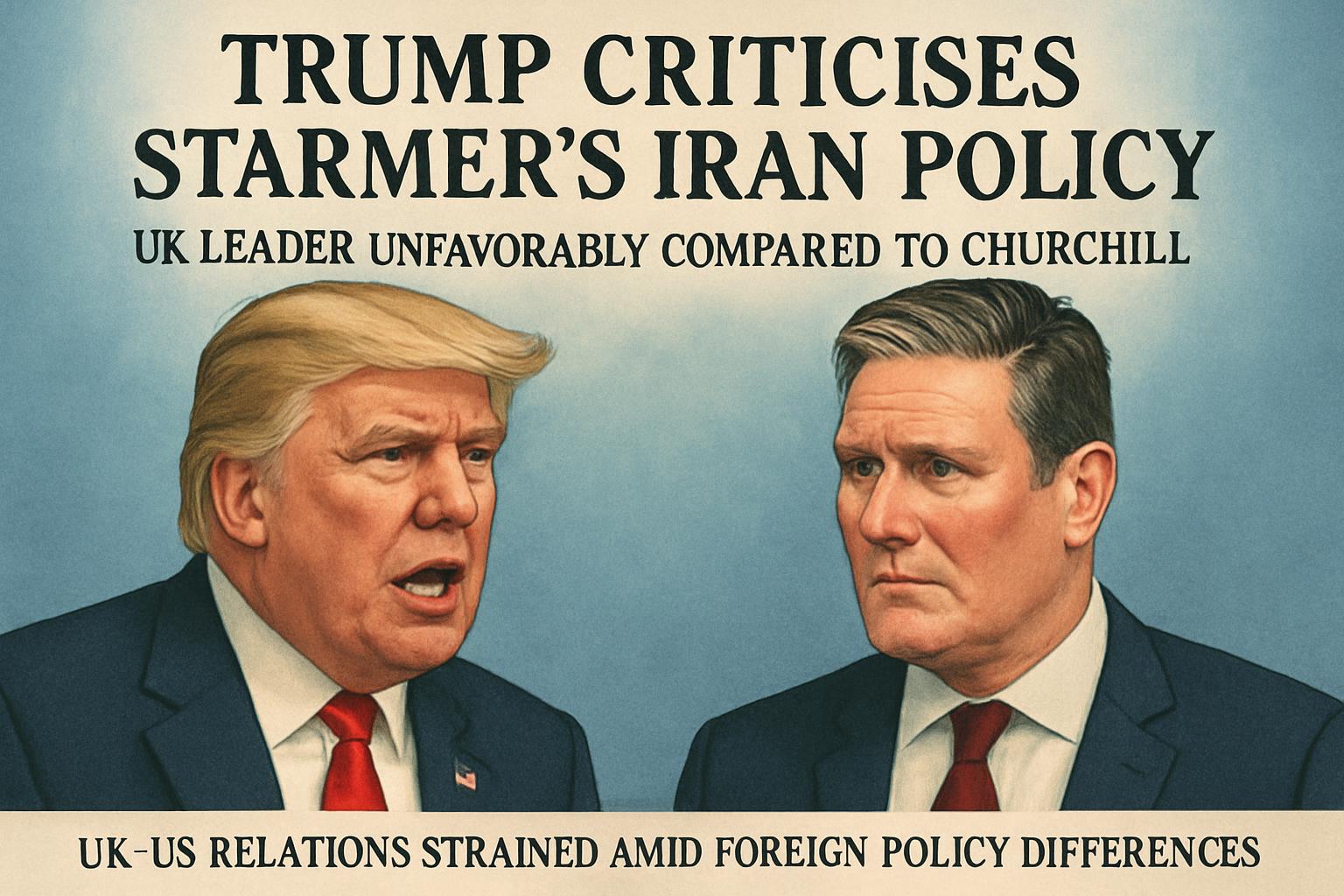
Diplomatic Tensions Rise as Trump Criticizes Starmer's Iran Policy
UK and France Launch Pilot Scheme to Curb Channel Crossings
In This Article
 Ethan Brooks| Published
 HIGHLIGHTS
- The UK-French "one-in, one-out" pilot scheme aims to reduce Channel crossings by detaining and returning migrants to France.
- The European Commission and EU member states have approved the plan, allowing it to proceed within days.
- The scheme will initially return about 50 migrants per week, compared to the current weekly average of over 800 crossings.
- The UK will accept an equal number of asylum seekers from France, provided they meet security and eligibility criteria.
- The pilot, running until June 2026, seeks to disrupt the business model of people smuggling gangs.
A new UK-French pilot scheme designed to tackle the persistent issue of illegal Channel crossings has officially commenced, following approval from the European Commission and EU member states. The "one-in, one-out" initiative, announced by UK Prime Minister Sir Keir Starmer and French President Emmanuel Macron, aims to reduce the number of small boats making the perilous journey across the Channel.
Under the terms of the agreement, the UK will begin detaining migrants arriving via small boats and returning them to France. In exchange, the UK will accept an equal number of asylum seekers directly from France, contingent on their passing rigorous security and eligibility checks. The scheme, which is set to start within days, is expected to return approximately 50 migrants per week, a significant reduction from the current weekly average of over 800 crossings.
The pilot program, operational until June 2026, represents a concerted effort to undermine the business model of organized crime gangs profiting from illegal immigration. Home Secretary Yvette Cooper emphasized the importance of the initiative, stating, "This is an important step towards undermining the business model of the organized crime gangs that are behind these crossings."
The UK government has committed £100 million to fund 300 National Crime Agency officers tasked with dismantling people smuggling operations. Despite criticism from the Conservative party, which argues the scheme will have minimal impact, Sir Keir Starmer remains optimistic. He described the plan as a "product of months of grown-up diplomacy" and a decisive move to restore order to UK borders.
WHAT THIS MIGHT MEAN
As the UK-French pilot scheme unfolds, its success will largely depend on the cooperation between the two nations and the effectiveness of the new measures in deterring illegal crossings. Should the initiative prove successful, it could serve as a model for future international collaborations on migration issues. However, legal challenges may arise, particularly from human rights organizations concerned about the treatment of asylum seekers.
Politically, the scheme's outcome could influence public opinion and policy decisions in both the UK and France. A reduction in Channel crossings may bolster the current UK government's standing, while failure could lead to increased scrutiny and pressure for alternative solutions. The pilot's progress will be closely monitored, with its results potentially shaping the broader European approach to migration and border control.
Related Articles
UK Government to Reform Asylum Seeker Support and Employment Policies
UK Faces Dilemmas Amid Iran Conflict and China Spying Allegations
UK Reinforces Military Presence in Cyprus Amid Middle East Tensions
UK-Iran Tensions: Starmer Defends Cautious Approach Amid Trump Criticism
Persistent Safety Concerns in Nottingham Maternity Services Amidst Calls for Systemic Reform
Diplomatic Tensions Rise as Trump Criticizes Starmer's Iran Policy