
UK and France Explore Solutions as Channel Migrant Numbers Surge
In This Article
HIGHLIGHTS
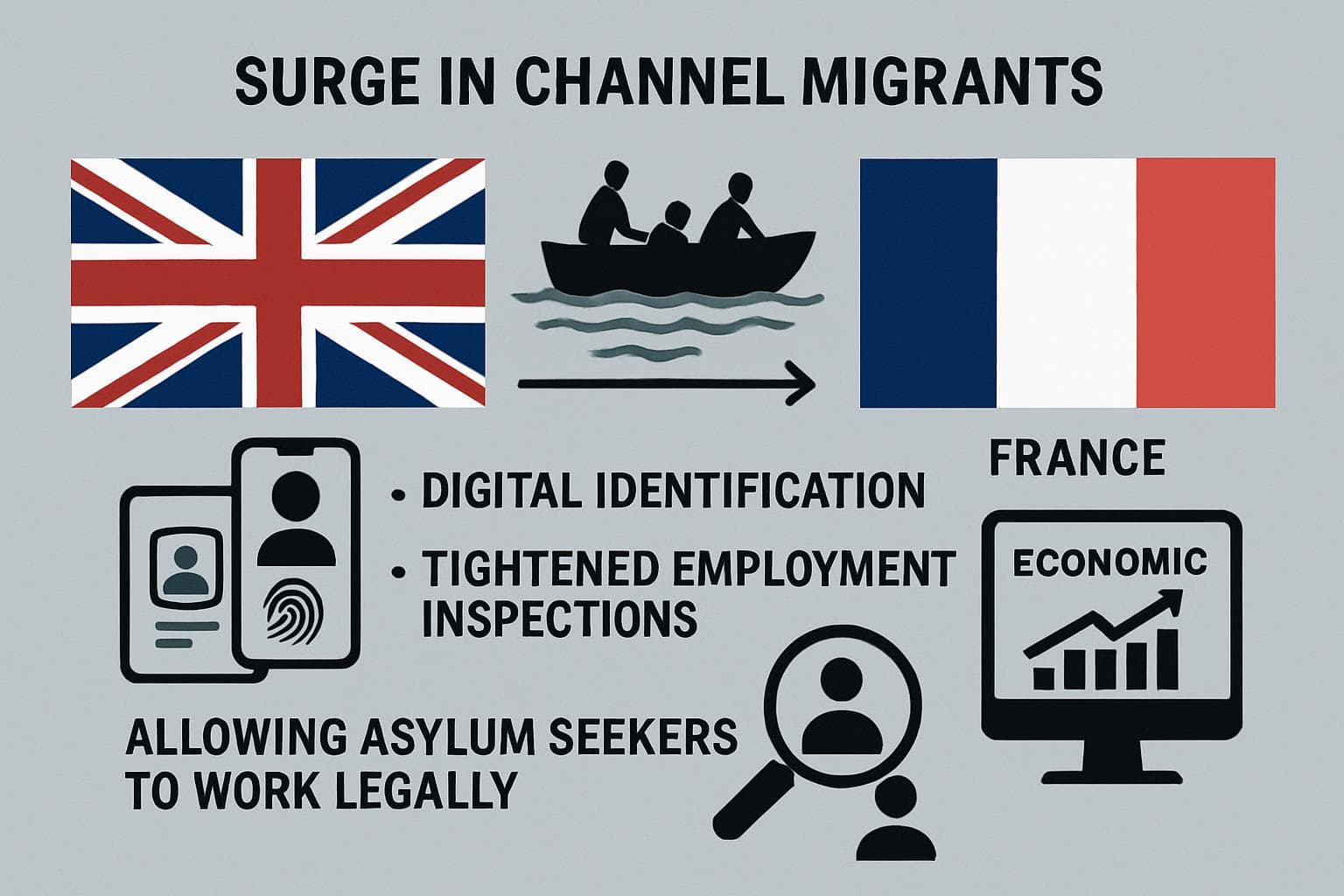
- UK and France seek "new and innovative solutions" to address record levels of Channel migrants.
- The UK's informal economy is cited as a "pull factor" for asylum seekers, despite being smaller than France's.
- The UK government has increased enforcement against illegal employment, with a rise in employer fines.
- Former PM Tony Blair advocates for digital identification to combat illegal work.
- Allowing asylum seekers to work legally could benefit the UK economy by £1.2bn over five years.
The UK and France are collaborating on "new and innovative solutions" to tackle the increasing number of migrants crossing the Channel, a challenge that has reached unprecedented levels this year. Prime Minister Sir Keir Starmer and French President Emmanuel Macron have emphasized the need for cooperative efforts, as the UK continues to invest heavily in preventing these crossings.
Informal Economy as a Pull Factor
A significant factor attracting migrants to the UK is the potential to work within its informal economy. Despite the UK's informal economy being smaller than France's—11% compared to 14%—it still offers opportunities for undocumented work. This has prompted the UK government to intensify its crackdown on illegal employment. Home Secretary Yvette Cooper has highlighted this as a "pull factor," leading to increased inspections and arrests of employers hiring unauthorized workers. In the past year, over 10,000 visits were conducted, resulting in more than 7,000 arrests and fines totaling £111 million.
Calls for Digital Identification
In response to the challenges of illegal employment, former Prime Minister Tony Blair and several Labour MPs have proposed the introduction of a digital identification system. This measure, already in place in many EU countries, could help verify individuals' right to work and reduce off-the-books employment. However, the effectiveness of digital IDs remains debated, as countries with such systems still report significant informal economies.
Economic Benefits of Legal Work
Advocates argue that allowing asylum seekers to work legally could yield substantial economic benefits. A report by the Commission on the Integration of Refugees suggests that granting work rights to asylum seekers after six months could contribute £1.2 billion to the UK economy over five years. This proposal aligns with EU standards, where asylum seekers can work after nine months, a period set to decrease to six months next year.
WHAT THIS MIGHT MEAN
As the UK and France continue to address the surge in Channel crossings, the effectiveness of their joint efforts remains to be seen. The introduction of digital identification could potentially streamline the verification process for employment, though its impact on reducing the informal economy is uncertain. Meanwhile, allowing asylum seekers to work legally could not only align the UK with EU standards but also provide an economic boost. The ongoing debate over these measures highlights the complexity of balancing immigration control with humanitarian and economic considerations.
Related Articles
Trump's New Tariff Strategy Sparks Global Trade Uncertainty
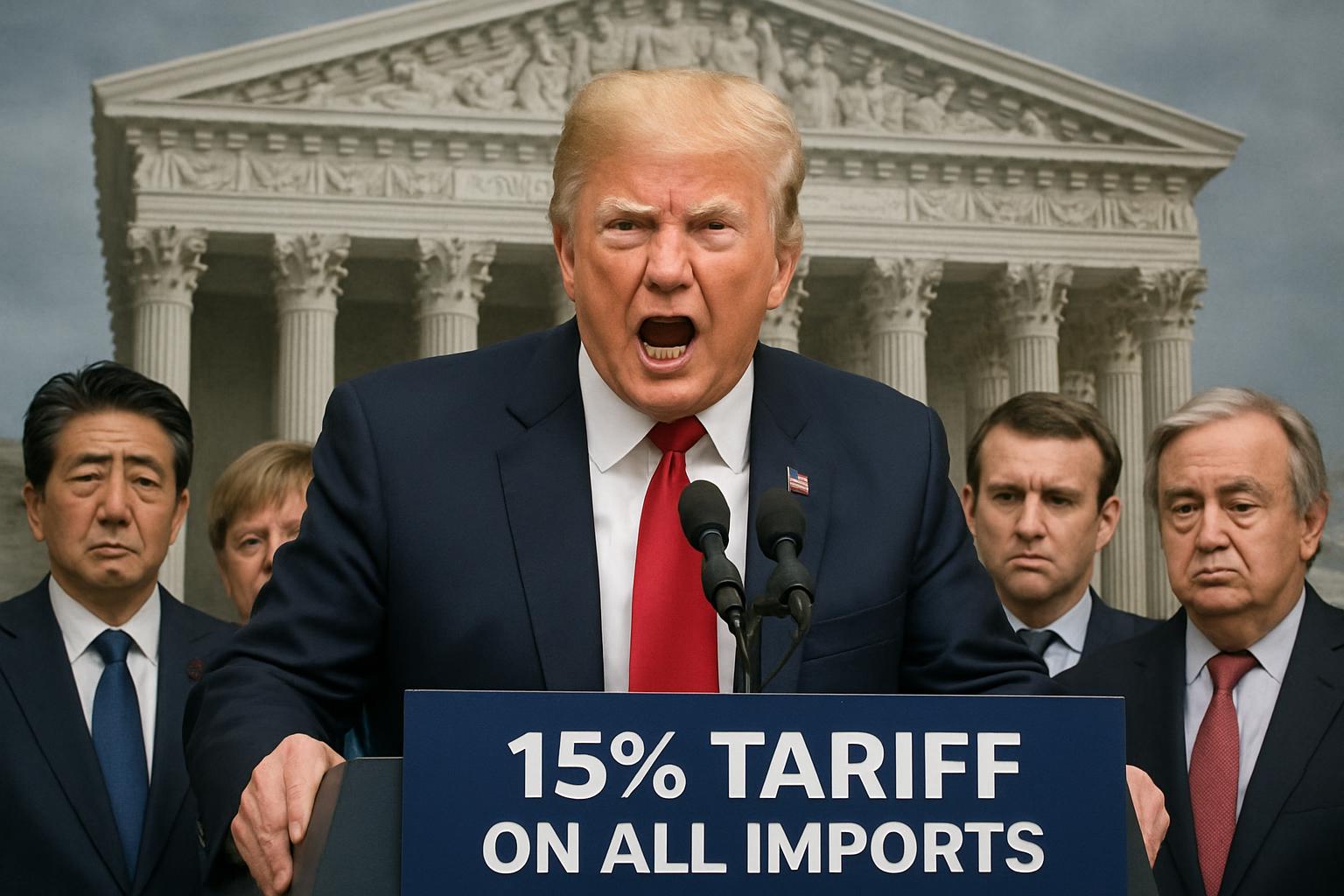
Trump Raises Import Tariffs to 15% After Supreme Court Setback
US Supreme Court Ruling Sparks Trade Uncertainty in Asia and Beyond

Canada and Australia Forge Strategic Partnership Amid Global Uncertainty
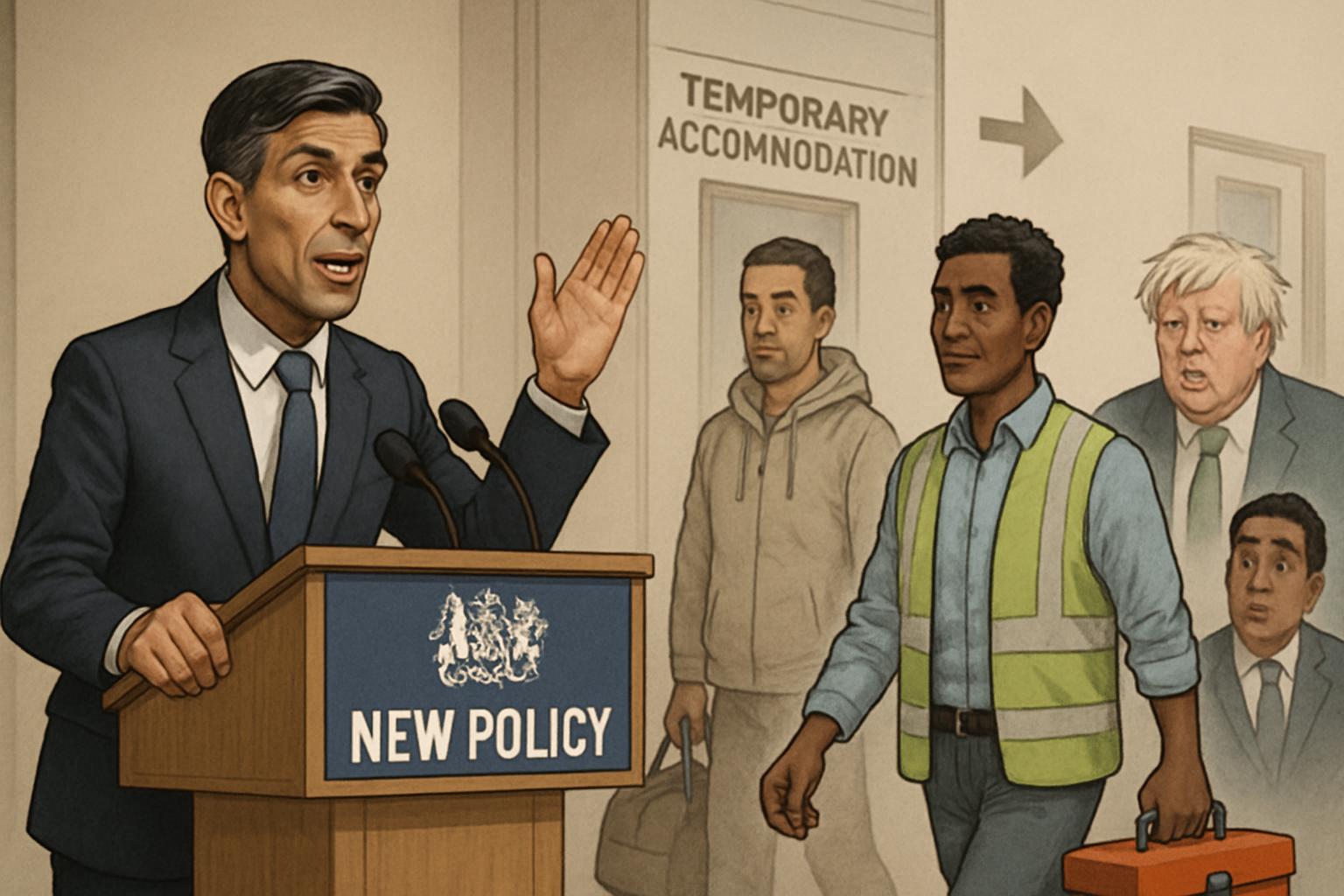
UK Government to Reform Asylum Seeker Support and Employment Policies
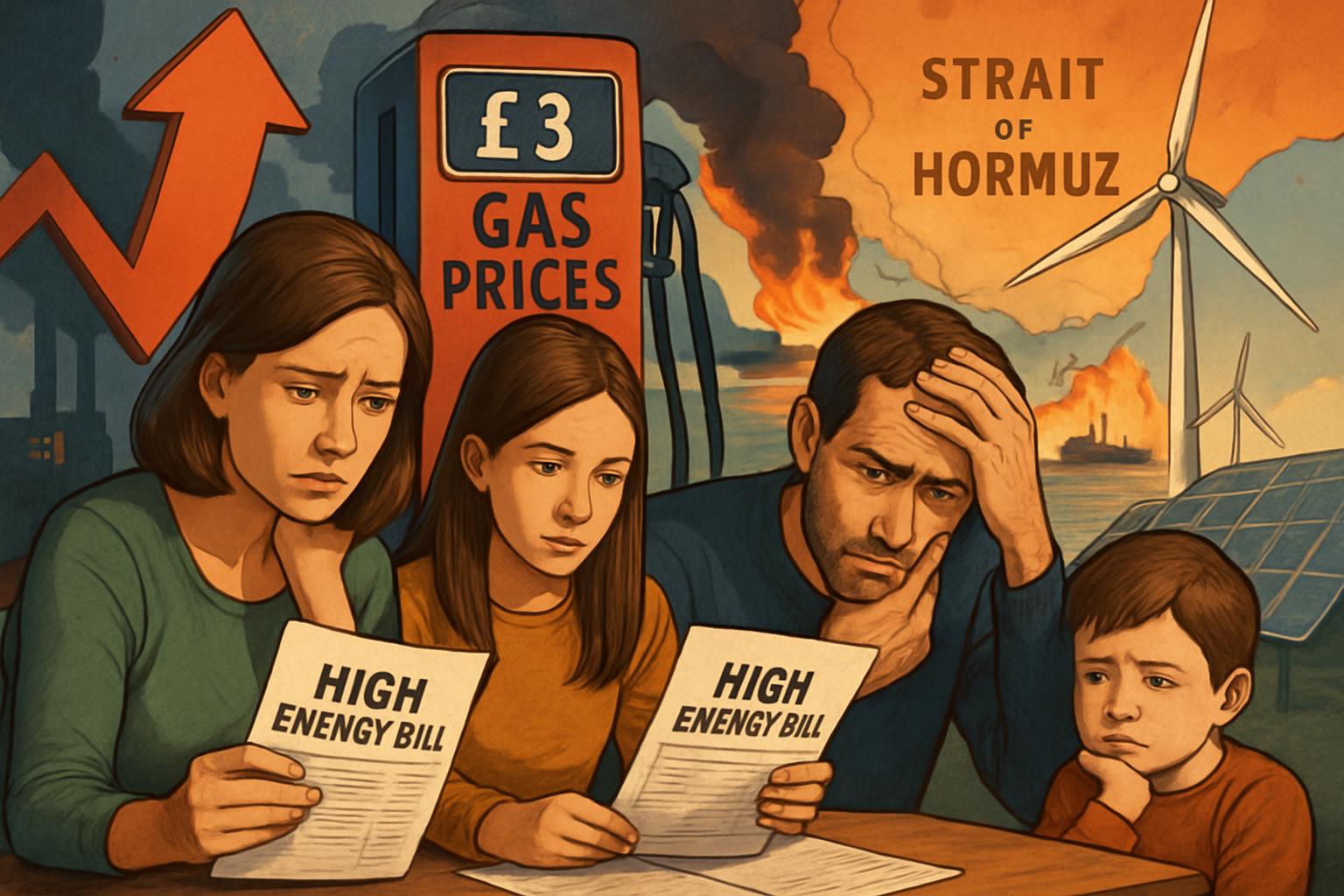
Middle East Conflict Drives UK Energy Prices to New Highs
UK and France Explore Solutions as Channel Migrant Numbers Surge
In This Article
 Daniel Rivera| Published
 HIGHLIGHTS
- UK and France seek "new and innovative solutions" to address record levels of Channel migrants.
- The UK's informal economy is cited as a "pull factor" for asylum seekers, despite being smaller than France's.
- The UK government has increased enforcement against illegal employment, with a rise in employer fines.
- Former PM Tony Blair advocates for digital identification to combat illegal work.
- Allowing asylum seekers to work legally could benefit the UK economy by £1.2bn over five years.
The UK and France are collaborating on "new and innovative solutions" to tackle the increasing number of migrants crossing the Channel, a challenge that has reached unprecedented levels this year. Prime Minister Sir Keir Starmer and French President Emmanuel Macron have emphasized the need for cooperative efforts, as the UK continues to invest heavily in preventing these crossings.
Informal Economy as a Pull Factor
A significant factor attracting migrants to the UK is the potential to work within its informal economy. Despite the UK's informal economy being smaller than France's—11% compared to 14%—it still offers opportunities for undocumented work. This has prompted the UK government to intensify its crackdown on illegal employment. Home Secretary Yvette Cooper has highlighted this as a "pull factor," leading to increased inspections and arrests of employers hiring unauthorized workers. In the past year, over 10,000 visits were conducted, resulting in more than 7,000 arrests and fines totaling £111 million.
Calls for Digital Identification
In response to the challenges of illegal employment, former Prime Minister Tony Blair and several Labour MPs have proposed the introduction of a digital identification system. This measure, already in place in many EU countries, could help verify individuals' right to work and reduce off-the-books employment. However, the effectiveness of digital IDs remains debated, as countries with such systems still report significant informal economies.
Economic Benefits of Legal Work
Advocates argue that allowing asylum seekers to work legally could yield substantial economic benefits. A report by the Commission on the Integration of Refugees suggests that granting work rights to asylum seekers after six months could contribute £1.2 billion to the UK economy over five years. This proposal aligns with EU standards, where asylum seekers can work after nine months, a period set to decrease to six months next year.
WHAT THIS MIGHT MEAN
As the UK and France continue to address the surge in Channel crossings, the effectiveness of their joint efforts remains to be seen. The introduction of digital identification could potentially streamline the verification process for employment, though its impact on reducing the informal economy is uncertain. Meanwhile, allowing asylum seekers to work legally could not only align the UK with EU standards but also provide an economic boost. The ongoing debate over these measures highlights the complexity of balancing immigration control with humanitarian and economic considerations.
Related Articles
Trump's New Tariff Strategy Sparks Global Trade Uncertainty
Trump Raises Import Tariffs to 15% After Supreme Court Setback
US Supreme Court Ruling Sparks Trade Uncertainty in Asia and Beyond
Canada and Australia Forge Strategic Partnership Amid Global Uncertainty
UK Government to Reform Asylum Seeker Support and Employment Policies
Middle East Conflict Drives UK Energy Prices to New Highs