
UK to Introduce Free Chickenpox Vaccine for Children in 2026
In This Article
HIGHLIGHTS
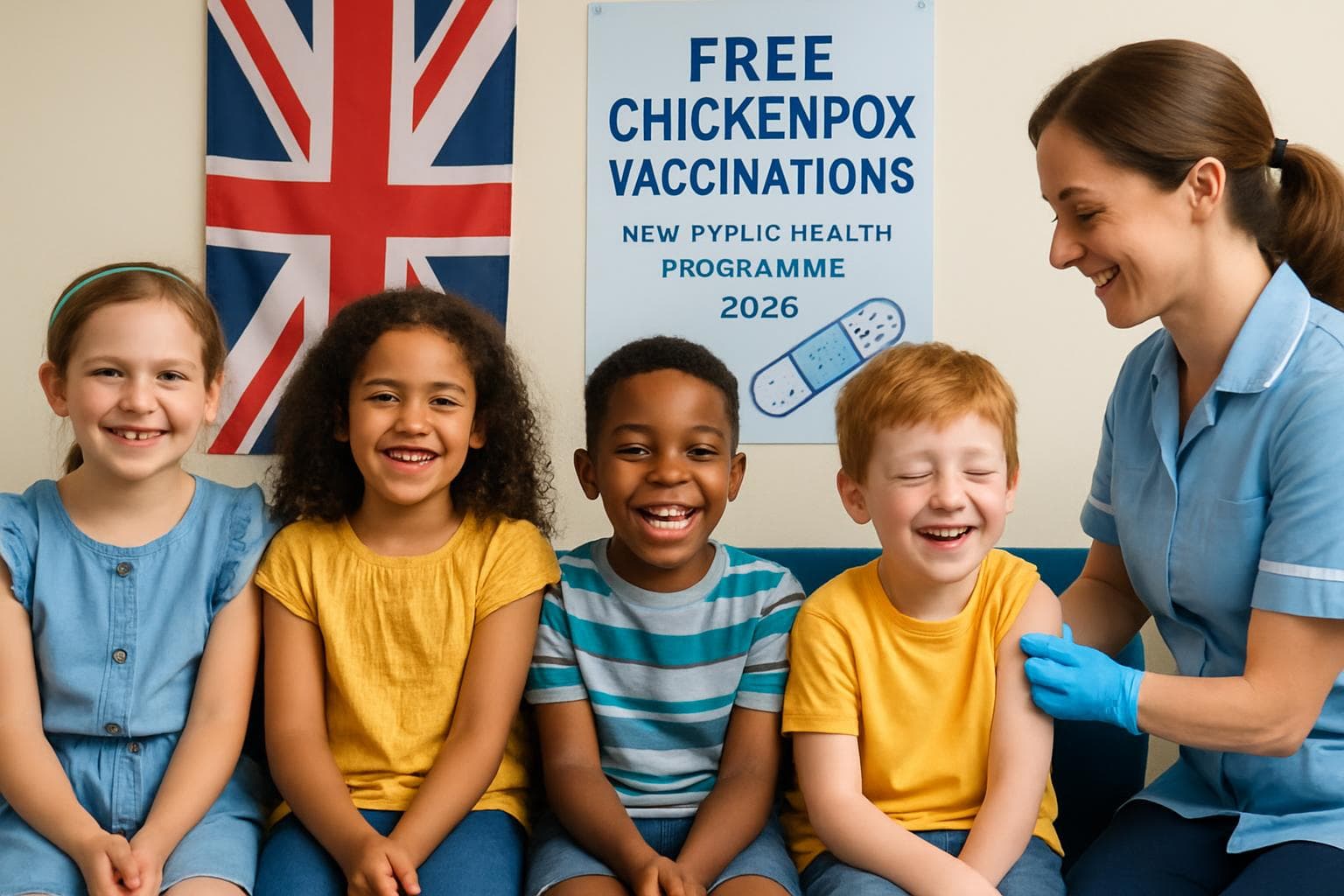
- From January 2026, children in England, Wales, and Northern Ireland will receive a free chickenpox vaccine through the NHS.
- The vaccine will be part of the MMRV vaccine, which also protects against measles, mumps, and rubella.
- Chickenpox, caused by the varicella zoster virus, is highly contagious and can lead to serious complications, especially in adults and pregnant women.
- The introduction of the vaccine aims to reduce chickenpox cases and prevent severe complications, aligning the UK with countries like the US and Germany.
- Scotland is expected to offer the vaccine, but no specific date has been announced yet.
In a significant public health development, the UK government has announced that children in England, Wales, and Northern Ireland will be offered a free chickenpox vaccine starting January 2026. This initiative, part of the NHS's routine childhood immunisation programme, aims to curb the spread of the highly contagious varicella zoster virus, which causes chickenpox.
Understanding Chickenpox and Its Risks
Chickenpox is a common childhood illness characterized by an itchy rash, fever, and muscle aches. While most cases are mild, the disease can lead to serious complications such as encephalitis, pneumonitis, and even stroke, particularly in adults and pregnant women. The virus is easily transmitted through direct contact or airborne droplets, making it a public health concern.
The New Vaccination Programme
The upcoming vaccination programme will incorporate the chickenpox vaccine into the existing MMRV vaccine, which also protects against measles, mumps, and rubella. Children will receive two doses at 12 and 18 months of age. This decision follows recommendations from the Joint Committee on Vaccination and Immunisation (JCVI), which highlighted the vaccine's potential to significantly reduce severe chickenpox cases and related hospital admissions.
Global Context and Historical Practices
The UK is joining other countries like Germany, Canada, and the US, which have already integrated the chickenpox vaccine into their childhood immunisation schedules. Historically, some parents organized "chickenpox parties" to expose their children to the virus early, but the new vaccine offers a safer alternative. By reducing the virus's circulation, the vaccine also protects vulnerable groups, including adults who have never contracted chickenpox and pregnant women.
Future Prospects
Scotland is expected to follow suit, although a specific timeline has not been provided. Currently, the chickenpox vaccine is available privately in the UK, costing up to £200. The NHS's inclusion of the vaccine is anticipated to make it more accessible, potentially saving lives and reducing healthcare costs.
WHAT THIS MIGHT MEAN
The introduction of the chickenpox vaccine in the UK could lead to a significant decrease in the number of cases and complications associated with the disease. This move aligns with global public health strategies and could prompt further discussions on expanding vaccination programmes to include other preventable diseases. Experts suggest that the success of this initiative may encourage similar policies in other regions, ultimately enhancing public health outcomes and reducing the burden on healthcare systems. As the rollout progresses, monitoring its impact on chickenpox incidence and healthcare costs will be crucial in evaluating its long-term benefits.
Related Articles

Saharan Dust to Illuminate UK Skies with Vivid Sunrises and Sunsets

UK Government to Reform Asylum Seeker Support and Employment Policies
UK Reinforces Military Presence in Cyprus Amid Middle East Tensions

UK-Iran Tensions: Starmer Defends Cautious Approach Amid Trump Criticism
Persistent Safety Concerns in Nottingham Maternity Services Amidst Calls for Systemic Reform

Diplomatic Tensions Rise as Trump Criticizes Starmer's Iran Policy
UK to Introduce Free Chickenpox Vaccine for Children in 2026
In This Article
 Ethan Brooks| Published
 HIGHLIGHTS
- From January 2026, children in England, Wales, and Northern Ireland will receive a free chickenpox vaccine through the NHS.
- The vaccine will be part of the MMRV vaccine, which also protects against measles, mumps, and rubella.
- Chickenpox, caused by the varicella zoster virus, is highly contagious and can lead to serious complications, especially in adults and pregnant women.
- The introduction of the vaccine aims to reduce chickenpox cases and prevent severe complications, aligning the UK with countries like the US and Germany.
- Scotland is expected to offer the vaccine, but no specific date has been announced yet.
In a significant public health development, the UK government has announced that children in England, Wales, and Northern Ireland will be offered a free chickenpox vaccine starting January 2026. This initiative, part of the NHS's routine childhood immunisation programme, aims to curb the spread of the highly contagious varicella zoster virus, which causes chickenpox.
Understanding Chickenpox and Its Risks
Chickenpox is a common childhood illness characterized by an itchy rash, fever, and muscle aches. While most cases are mild, the disease can lead to serious complications such as encephalitis, pneumonitis, and even stroke, particularly in adults and pregnant women. The virus is easily transmitted through direct contact or airborne droplets, making it a public health concern.
The New Vaccination Programme
The upcoming vaccination programme will incorporate the chickenpox vaccine into the existing MMRV vaccine, which also protects against measles, mumps, and rubella. Children will receive two doses at 12 and 18 months of age. This decision follows recommendations from the Joint Committee on Vaccination and Immunisation (JCVI), which highlighted the vaccine's potential to significantly reduce severe chickenpox cases and related hospital admissions.
Global Context and Historical Practices
The UK is joining other countries like Germany, Canada, and the US, which have already integrated the chickenpox vaccine into their childhood immunisation schedules. Historically, some parents organized "chickenpox parties" to expose their children to the virus early, but the new vaccine offers a safer alternative. By reducing the virus's circulation, the vaccine also protects vulnerable groups, including adults who have never contracted chickenpox and pregnant women.
Future Prospects
Scotland is expected to follow suit, although a specific timeline has not been provided. Currently, the chickenpox vaccine is available privately in the UK, costing up to £200. The NHS's inclusion of the vaccine is anticipated to make it more accessible, potentially saving lives and reducing healthcare costs.
WHAT THIS MIGHT MEAN
The introduction of the chickenpox vaccine in the UK could lead to a significant decrease in the number of cases and complications associated with the disease. This move aligns with global public health strategies and could prompt further discussions on expanding vaccination programmes to include other preventable diseases. Experts suggest that the success of this initiative may encourage similar policies in other regions, ultimately enhancing public health outcomes and reducing the burden on healthcare systems. As the rollout progresses, monitoring its impact on chickenpox incidence and healthcare costs will be crucial in evaluating its long-term benefits.
Related Articles
Saharan Dust to Illuminate UK Skies with Vivid Sunrises and Sunsets
UK Government to Reform Asylum Seeker Support and Employment Policies
UK Reinforces Military Presence in Cyprus Amid Middle East Tensions
UK-Iran Tensions: Starmer Defends Cautious Approach Amid Trump Criticism
Persistent Safety Concerns in Nottingham Maternity Services Amidst Calls for Systemic Reform
Diplomatic Tensions Rise as Trump Criticizes Starmer's Iran Policy