
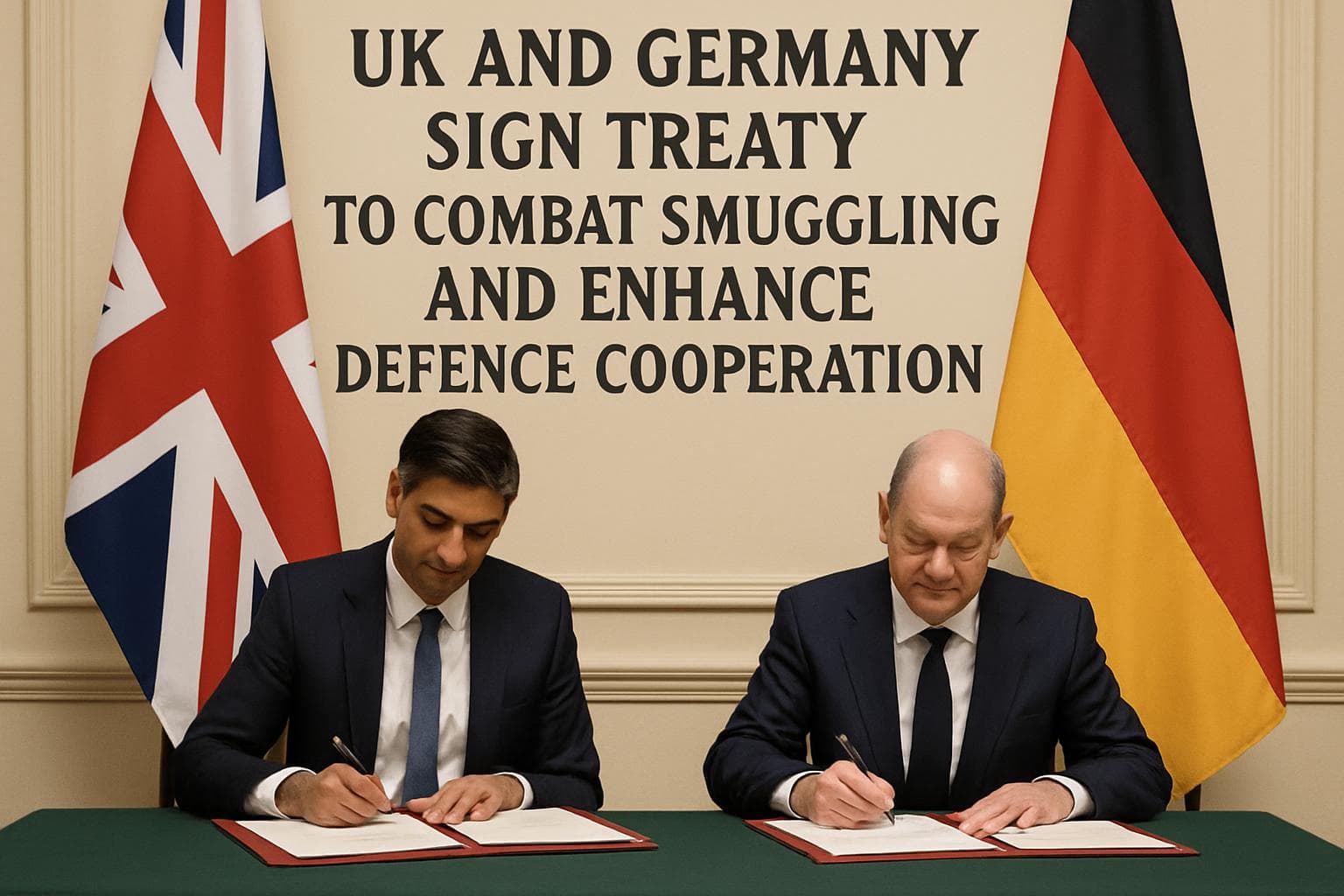
UK and Germany Forge New Treaty to Combat Smuggling and Boost Defence Ties
In This Article
HIGHLIGHTS
- Germany plans to tighten laws against people-smuggling to the UK by the end of the year, as part of a new UK-Germany treaty.
- The treaty aims to disrupt smuggling operations by targeting warehouses and logistical hubs in Germany used for Channel crossings.
- The agreement also includes expanded defence cooperation, with a focus on joint export campaigns for military equipment.
- The treaty marks a strategic effort by the UK to strengthen ties with Germany post-Brexit, without reopening formal EU relations.
- The UK and Germany will also explore educational and cultural exchanges, enhancing youth mobility between the two nations.
In a significant diplomatic move, the UK and Germany have signed a new bilateral treaty aimed at curbing people-smuggling operations and enhancing defence cooperation. The agreement, signed during German Chancellor Friedrich Merz's visit to the UK, marks a pivotal step in addressing illegal Channel crossings and strengthening post-Brexit ties between the two nations.
Crackdown on Smuggling Operations
A central element of the treaty is Germany's commitment to amend its laws, making it illegal to facilitate unauthorized migration to the UK. This legislative change, expected by the end of the year, will empower German authorities to target warehouses and logistical hubs used by smuggling networks. The UK government anticipates that these measures will significantly disrupt the supply chain behind dangerous Channel crossings, which have seen over 21,000 people make the perilous journey this year alone.
Defence and Economic Cooperation
Beyond migration, the treaty underscores a robust defence partnership, with plans to boost UK defence exports through joint campaigns for co-produced military equipment like Boxer armoured vehicles and Typhoon jets. This initiative is projected to generate billions in additional exports, bolstering both economies. The agreement also establishes a UK-Germany Business Forum to facilitate bilateral investment.
Strengthening Post-Brexit Relations
The treaty represents a strategic effort by UK Prime Minister Keir Starmer to rebuild Britain's influence in Europe without reopening formal EU ties. It also addresses gaps in coordination left by Brexit, particularly in mutual security and defence. A senior German official emphasized that the treaty complements, rather than replaces, existing NATO guarantees.
Cultural and Educational Exchanges
In addition to security and economic measures, the treaty includes provisions for enhancing youth and academic mobility. By 2025, visa-free school group travel between the UK and Germany will be introduced, fostering cultural and educational exchanges. This initiative aims to increase opportunities for language and cultural experiences, potentially serving as a model for future EU-UK cooperation.
WHAT THIS MIGHT MEAN
The UK-Germany treaty could significantly impact the dynamics of illegal migration in Europe, potentially reducing the number of dangerous Channel crossings. If successful, the treaty might serve as a blueprint for similar agreements with other European nations. On the defence front, the expanded cooperation could enhance the UK's military export capabilities, strengthening its global defence industry presence.
Politically, the treaty may bolster Keir Starmer's standing as he navigates post-Brexit challenges, demonstrating a commitment to maintaining strong European ties. However, the effectiveness of the treaty will depend on its implementation and the ability of both nations to address the complexities of migration and security in a rapidly changing geopolitical landscape.
Related Articles
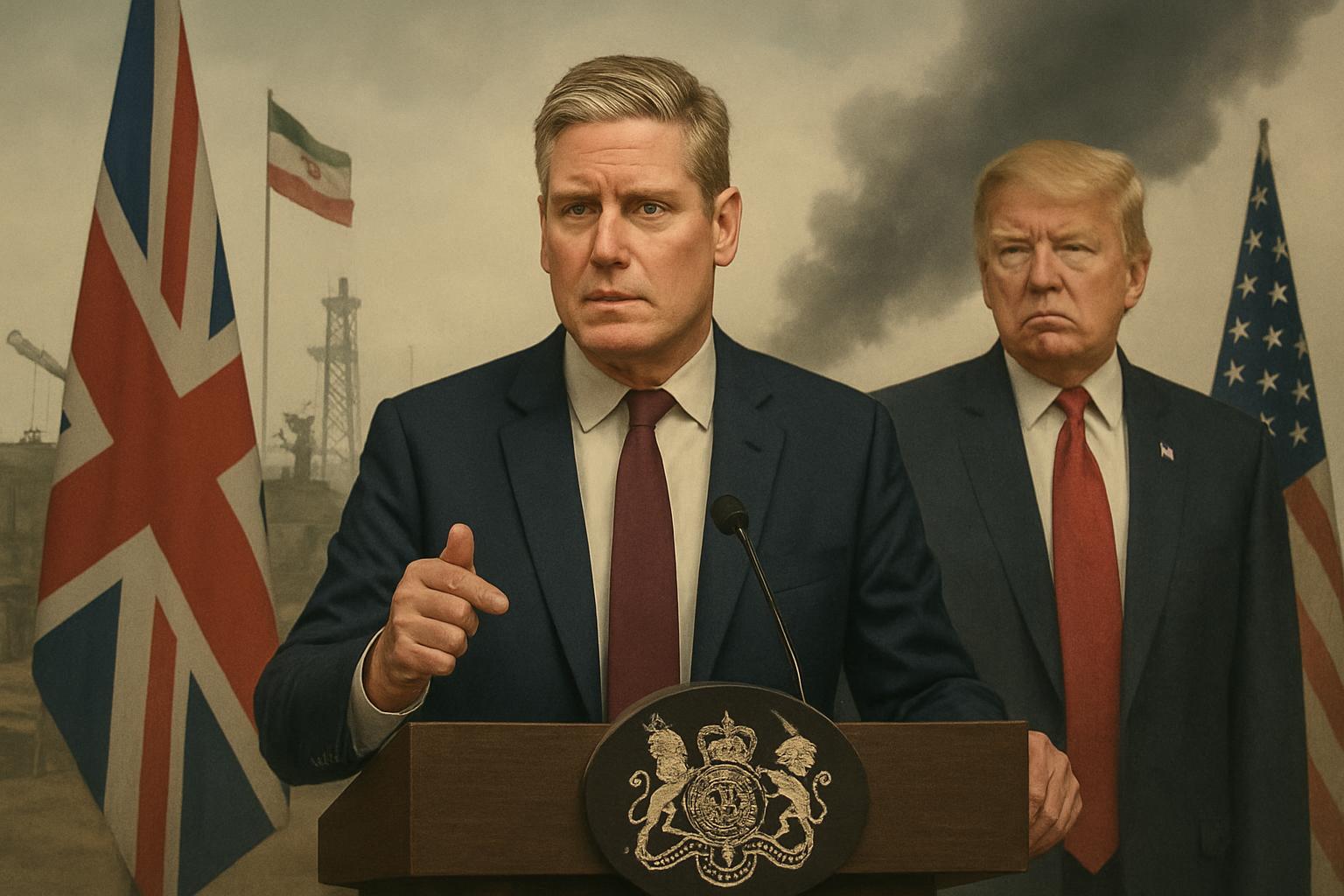
UK-Iran Tensions: Starmer Defends Cautious Approach Amid Trump Criticism

UK Government to Reform Asylum Seeker Support and Employment Policies

UK Faces Dilemmas Amid Iran Conflict and China Spying Allegations
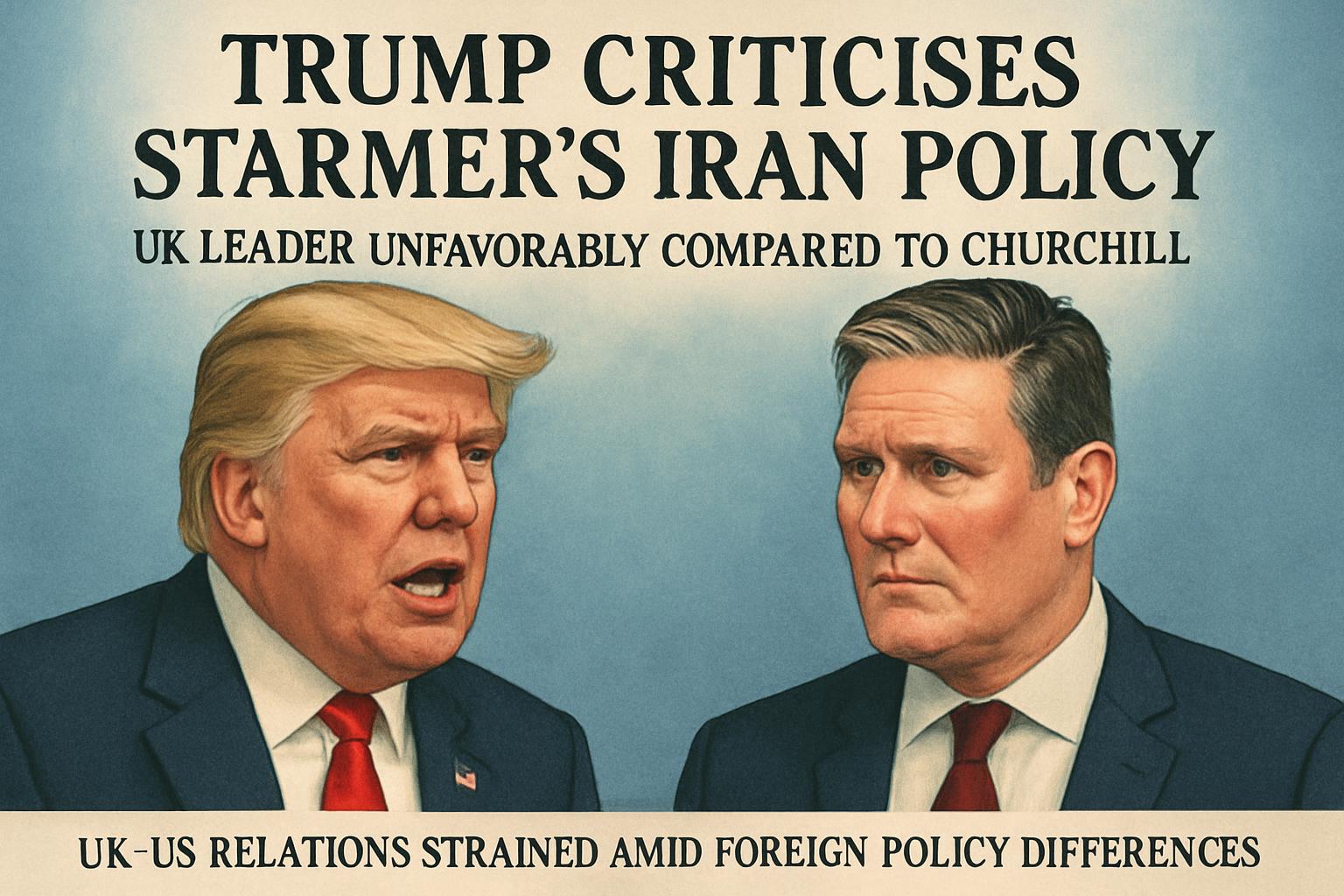
Diplomatic Tensions Rise as Trump Criticizes Starmer's Iran Policy

Canada and Australia Forge Strategic Partnership Amid Global Uncertainty
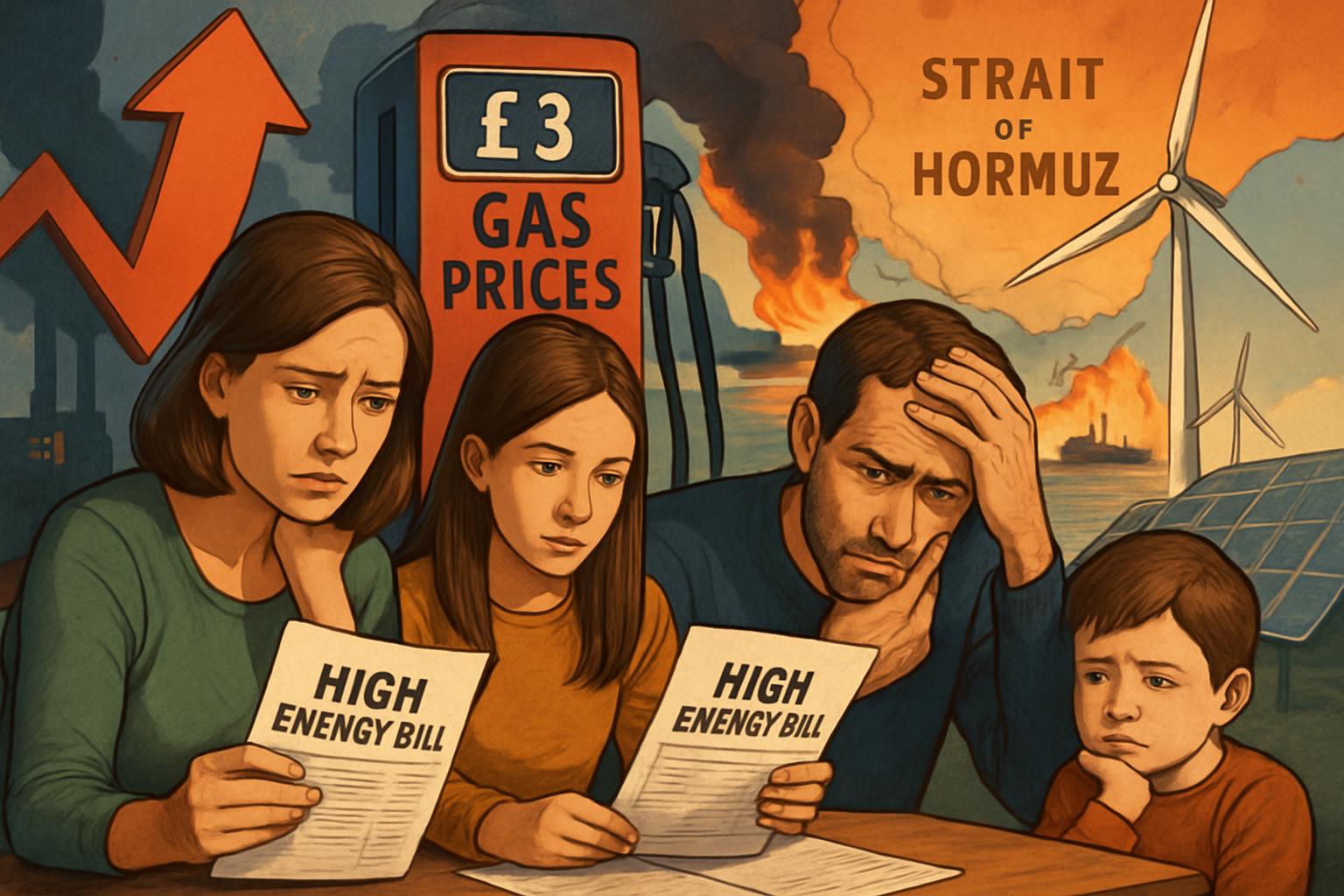
Middle East Conflict Drives UK Energy Prices to New Highs
UK and Germany Forge New Treaty to Combat Smuggling and Boost Defence Ties
In This Article
 Leila Hassan| Published
 HIGHLIGHTS
- Germany plans to tighten laws against people-smuggling to the UK by the end of the year, as part of a new UK-Germany treaty.
- The treaty aims to disrupt smuggling operations by targeting warehouses and logistical hubs in Germany used for Channel crossings.
- The agreement also includes expanded defence cooperation, with a focus on joint export campaigns for military equipment.
- The treaty marks a strategic effort by the UK to strengthen ties with Germany post-Brexit, without reopening formal EU relations.
- The UK and Germany will also explore educational and cultural exchanges, enhancing youth mobility between the two nations.
In a significant diplomatic move, the UK and Germany have signed a new bilateral treaty aimed at curbing people-smuggling operations and enhancing defence cooperation. The agreement, signed during German Chancellor Friedrich Merz's visit to the UK, marks a pivotal step in addressing illegal Channel crossings and strengthening post-Brexit ties between the two nations.
Crackdown on Smuggling Operations
A central element of the treaty is Germany's commitment to amend its laws, making it illegal to facilitate unauthorized migration to the UK. This legislative change, expected by the end of the year, will empower German authorities to target warehouses and logistical hubs used by smuggling networks. The UK government anticipates that these measures will significantly disrupt the supply chain behind dangerous Channel crossings, which have seen over 21,000 people make the perilous journey this year alone.
Defence and Economic Cooperation
Beyond migration, the treaty underscores a robust defence partnership, with plans to boost UK defence exports through joint campaigns for co-produced military equipment like Boxer armoured vehicles and Typhoon jets. This initiative is projected to generate billions in additional exports, bolstering both economies. The agreement also establishes a UK-Germany Business Forum to facilitate bilateral investment.
Strengthening Post-Brexit Relations
The treaty represents a strategic effort by UK Prime Minister Keir Starmer to rebuild Britain's influence in Europe without reopening formal EU ties. It also addresses gaps in coordination left by Brexit, particularly in mutual security and defence. A senior German official emphasized that the treaty complements, rather than replaces, existing NATO guarantees.
Cultural and Educational Exchanges
In addition to security and economic measures, the treaty includes provisions for enhancing youth and academic mobility. By 2025, visa-free school group travel between the UK and Germany will be introduced, fostering cultural and educational exchanges. This initiative aims to increase opportunities for language and cultural experiences, potentially serving as a model for future EU-UK cooperation.
WHAT THIS MIGHT MEAN
The UK-Germany treaty could significantly impact the dynamics of illegal migration in Europe, potentially reducing the number of dangerous Channel crossings. If successful, the treaty might serve as a blueprint for similar agreements with other European nations. On the defence front, the expanded cooperation could enhance the UK's military export capabilities, strengthening its global defence industry presence.
Politically, the treaty may bolster Keir Starmer's standing as he navigates post-Brexit challenges, demonstrating a commitment to maintaining strong European ties. However, the effectiveness of the treaty will depend on its implementation and the ability of both nations to address the complexities of migration and security in a rapidly changing geopolitical landscape.
Related Articles
UK-Iran Tensions: Starmer Defends Cautious Approach Amid Trump Criticism
UK Government to Reform Asylum Seeker Support and Employment Policies
UK Faces Dilemmas Amid Iran Conflict and China Spying Allegations
Diplomatic Tensions Rise as Trump Criticizes Starmer's Iran Policy
Canada and Australia Forge Strategic Partnership Amid Global Uncertainty
Middle East Conflict Drives UK Energy Prices to New Highs