
UK Government Borrowing Surpasses Expectations Amid Economic Pressures
In This Article
HIGHLIGHTS
- UK government borrowing reached £11.7bn in November, surpassing the expected £10bn, but was £1.9bn lower than the previous year.
- The Office for National Statistics attributed the decrease to higher tax and national insurance receipts.
- Borrowing for the financial year to November totaled £132.3bn, £10bn more than the same period last year.
- The Bank of England cut interest rates for the sixth time since August, aiming to support the struggling UK economy.
- Chancellor Rachel Reeves increased her fiscal headroom to £22bn in the autumn budget, allowing more flexibility in public finances.
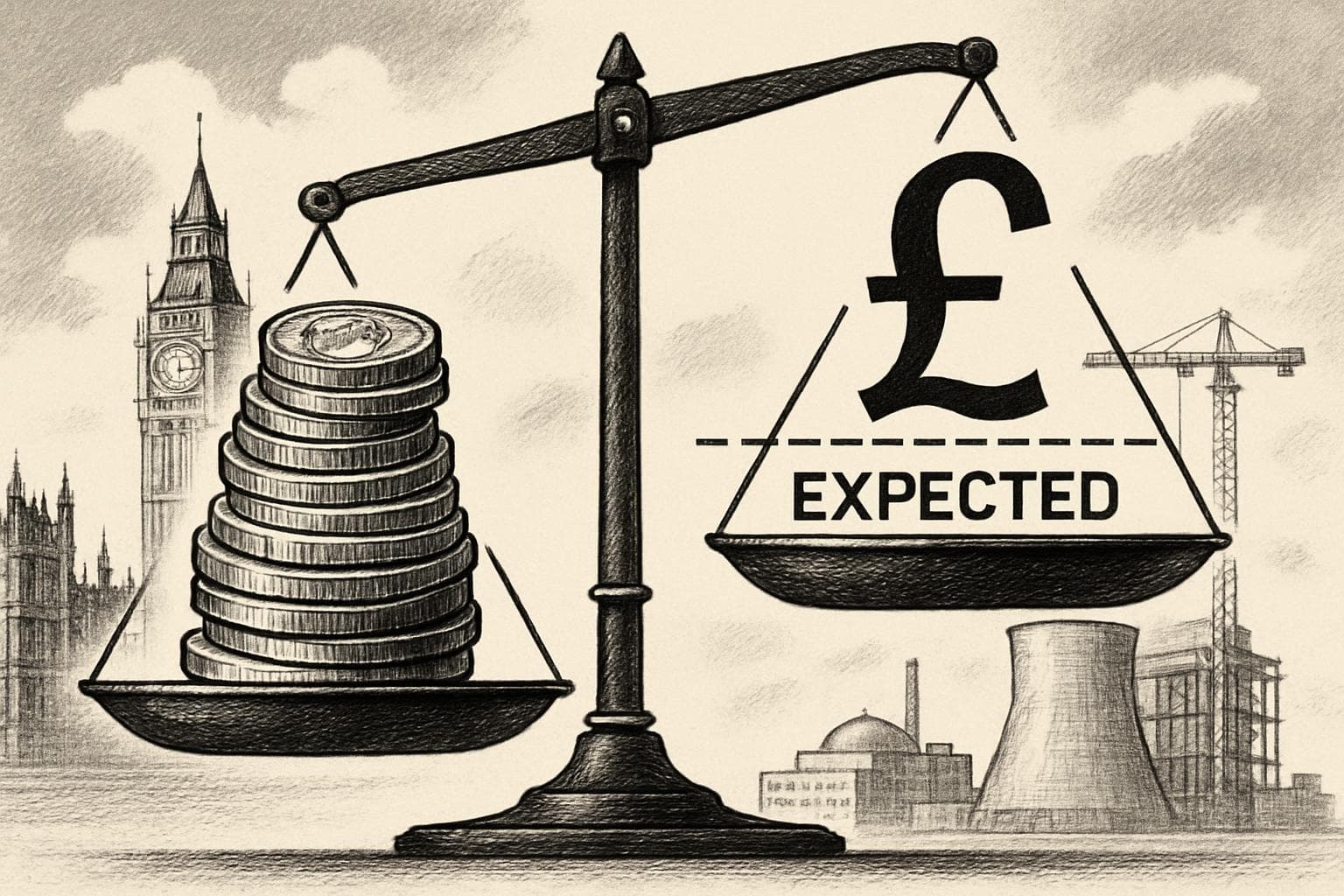
In November, the UK government borrowed £11.7 billion, exceeding analysts' expectations of £10 billion, according to the latest figures from the Office for National Statistics (ONS). Despite the higher-than-anticipated borrowing, the figure was £1.9 billion lower than the same month last year, marking the lowest November borrowing in four years. The ONS attributed this decline to increased receipts from taxes and national insurance contributions.
Economic Context and Budgetary Measures
The borrowing figures emerged in the wake of Chancellor Rachel Reeves's autumn budget, which aimed to address economic pressures. The financial year to November saw borrowing reach £132.3 billion, £10 billion more than the same period in the previous year, and the second-highest on record for this timeframe, surpassed only by 2020 during the height of the Covid pandemic.
James Murray, Chief Secretary to the Treasury, emphasized the government's commitment to reducing debt and borrowing, stating, "£1 in every £10 we spend goes on debt interest – money that could otherwise be invested in public services." The budget outlined measures to cut debt, with Reeves increasing her fiscal headroom to £22 billion, providing more flexibility against potential financial downturns.
Economic Indicators and Market Reactions
The Bank of England's decision to cut interest rates for the sixth time since August provided a pre-Christmas boost to the UK's struggling economy. This move aimed to alleviate pressure on borrowers as the economy faced challenges, including a GDP contraction in October and flatlining growth forecasts for the fourth quarter.
Revenue from compulsory social contributions rose by £3 billion from the previous year, reaching £17.2 billion, following changes to national insurance rates. Additionally, public sector net investment increased by £1.9 billion, driven by a £1.6 billion payment towards the Hinkley Point C nuclear plant construction.
WHAT THIS MIGHT MEAN
Looking ahead, the UK government's borrowing trajectory will likely remain a focal point for economic analysts and policymakers. With the increased fiscal headroom, Chancellor Reeves has more flexibility to navigate potential economic challenges. However, the ongoing need to balance public spending with debt reduction will continue to shape fiscal policy decisions. As the UK economy grapples with slow growth, the effectiveness of recent interest rate cuts and budgetary measures will be closely monitored to assess their impact on economic recovery and public finances.
Related Articles
UK Achieves Record Budget Surplus Amid Calls for Fiscal Policy Reform
Middle East Conflict Drives UK Energy Prices to New Highs

Government Announces £4 Billion Overhaul of SEND Support in England

UK Government Announces Major Overhaul of SEND System with £3.4 Billion Investment

Prince Andrew's Ties to Epstein Under Scrutiny Amid Calls for Inquiry

Government Criticized for Mishandling Maccabi Tel Aviv Fan Ban
UK Government Borrowing Surpasses Expectations Amid Economic Pressures
In This Article
 Daniel Rivera| Published
 HIGHLIGHTS
- UK government borrowing reached £11.7bn in November, surpassing the expected £10bn, but was £1.9bn lower than the previous year.
- The Office for National Statistics attributed the decrease to higher tax and national insurance receipts.
- Borrowing for the financial year to November totaled £132.3bn, £10bn more than the same period last year.
- The Bank of England cut interest rates for the sixth time since August, aiming to support the struggling UK economy.
- Chancellor Rachel Reeves increased her fiscal headroom to £22bn in the autumn budget, allowing more flexibility in public finances.
In November, the UK government borrowed £11.7 billion, exceeding analysts' expectations of £10 billion, according to the latest figures from the Office for National Statistics (ONS). Despite the higher-than-anticipated borrowing, the figure was £1.9 billion lower than the same month last year, marking the lowest November borrowing in four years. The ONS attributed this decline to increased receipts from taxes and national insurance contributions.
Economic Context and Budgetary Measures
The borrowing figures emerged in the wake of Chancellor Rachel Reeves's autumn budget, which aimed to address economic pressures. The financial year to November saw borrowing reach £132.3 billion, £10 billion more than the same period in the previous year, and the second-highest on record for this timeframe, surpassed only by 2020 during the height of the Covid pandemic.
James Murray, Chief Secretary to the Treasury, emphasized the government's commitment to reducing debt and borrowing, stating, "£1 in every £10 we spend goes on debt interest – money that could otherwise be invested in public services." The budget outlined measures to cut debt, with Reeves increasing her fiscal headroom to £22 billion, providing more flexibility against potential financial downturns.
Economic Indicators and Market Reactions
The Bank of England's decision to cut interest rates for the sixth time since August provided a pre-Christmas boost to the UK's struggling economy. This move aimed to alleviate pressure on borrowers as the economy faced challenges, including a GDP contraction in October and flatlining growth forecasts for the fourth quarter.
Revenue from compulsory social contributions rose by £3 billion from the previous year, reaching £17.2 billion, following changes to national insurance rates. Additionally, public sector net investment increased by £1.9 billion, driven by a £1.6 billion payment towards the Hinkley Point C nuclear plant construction.
WHAT THIS MIGHT MEAN
Looking ahead, the UK government's borrowing trajectory will likely remain a focal point for economic analysts and policymakers. With the increased fiscal headroom, Chancellor Reeves has more flexibility to navigate potential economic challenges. However, the ongoing need to balance public spending with debt reduction will continue to shape fiscal policy decisions. As the UK economy grapples with slow growth, the effectiveness of recent interest rate cuts and budgetary measures will be closely monitored to assess their impact on economic recovery and public finances.
Related Articles
UK Achieves Record Budget Surplus Amid Calls for Fiscal Policy Reform
Middle East Conflict Drives UK Energy Prices to New Highs
Government Announces £4 Billion Overhaul of SEND Support in England
UK Government Announces Major Overhaul of SEND System with £3.4 Billion Investment
Prince Andrew's Ties to Epstein Under Scrutiny Amid Calls for Inquiry
Government Criticized for Mishandling Maccabi Tel Aviv Fan Ban