
UK Heatwave Intensifies with Record Temperatures and Water Restrictions
In This Article
HIGHLIGHTS
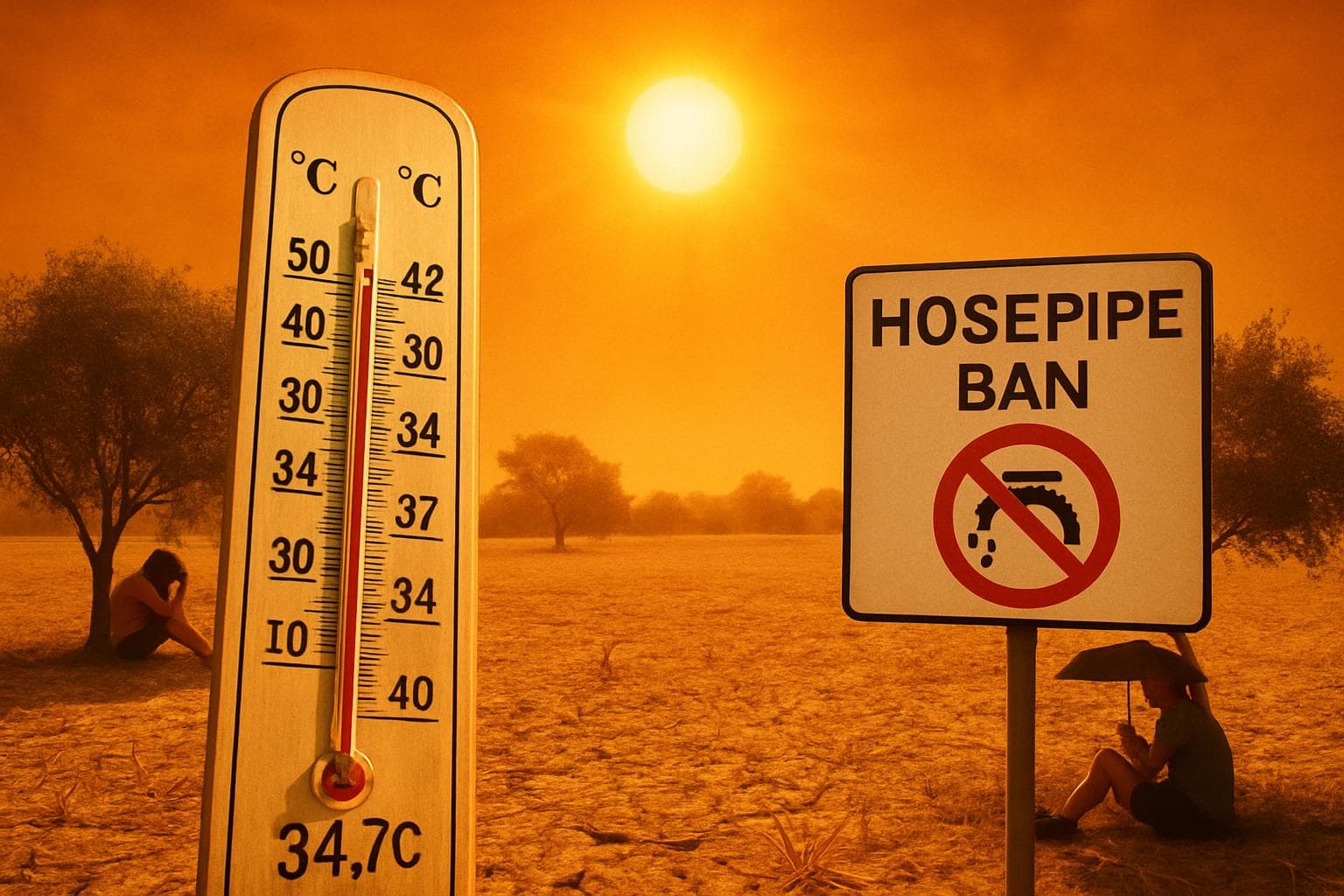
- The UK is experiencing its third heatwave of the summer, with temperatures peaking at 34.7C in the West Midlands.
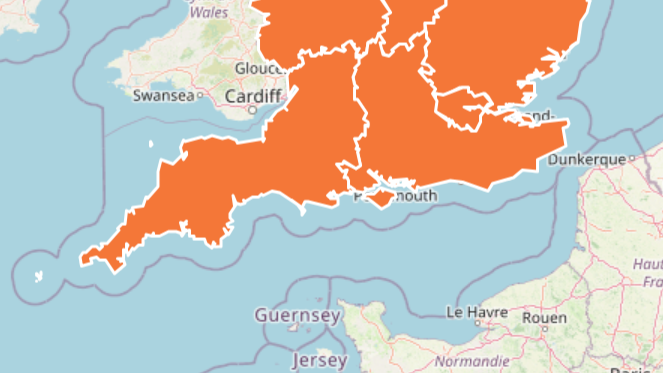
- Amber heat health alerts are in effect across southern England, the Midlands, and East Anglia, warning of potential health risks.
- Hosepipe bans have been imposed in Yorkshire, Kent, and Sussex, affecting over seven million people.
- The Met Office advises staying hydrated and avoiding the sun during peak UV hours to prevent heat-related illnesses.
- The heatwave is expected to subside by Monday, with cooler temperatures and rain forecasted.
The United Kingdom is grappling with its third heatwave of the summer, as temperatures soared to a staggering 34.7C in Astwood Bank, West Midlands, on Friday. This extreme weather has prompted the UK Health Security Agency (UKHSA) to issue amber heat health alerts across southern England, the Midlands, and East Anglia, which will remain in place until Monday. These alerts highlight the potential health risks, particularly for the elderly and those with pre-existing conditions.
Heat Health Alerts and Safety Measures
The Met Office has warned of the dangers posed by high UV levels, advising the public to stay hydrated and avoid sun exposure between 11:00 BST and 15:00 BST. The agency reports an average of 2,000 heat-related deaths annually in England, underscoring the importance of these precautions. NHS urgent care doctor Lorna Powell emphasized that individuals with health conditions like heart or kidney problems are particularly vulnerable during such extreme heat.
Hosepipe Bans and Water Conservation
In response to the prolonged dry spell, hosepipe bans have been implemented in Yorkshire, Kent, and Sussex, affecting over seven million residents. Yorkshire Water and South East Water have restricted the use of hosepipes for activities such as watering gardens and washing cars, as demand for drinking water has reached unprecedented levels. Violators of the ban could face fines of up to £1,000.
Regional Weather Variations
While the Midlands and south Wales experienced the highest temperatures, Scotland and Northern Ireland also recorded their warmest days of the year, with highs of 31C and 29.5C, respectively. The Met Office has issued wildfire warnings for these regions, urging caution due to the dry conditions.
Looking Ahead
The heatwave is expected to taper off by Monday, as cooler Atlantic air brings relief in the form of cloud cover and showers. This change in weather is anticipated to alleviate some of the pressure on water resources and reduce the risk of heat-related health issues.
WHAT THIS MIGHT MEAN
As the heatwave subsides, attention will likely shift to evaluating the impact on public health and water resources. Experts may call for long-term strategies to mitigate the effects of increasingly frequent heatwaves, such as enhancing urban infrastructure to cope with extreme temperatures. Additionally, water companies might explore more sustainable practices to manage demand during prolonged dry spells. The government's response to these challenges could shape future policies on climate resilience and public health preparedness.
Images from the Web
Related Articles

Saharan Dust to Illuminate UK Skies with Vivid Sunrises and Sunsets

UK Government to Reform Asylum Seeker Support and Employment Policies

Breakthrough Drug Offers Hope for Children with Severe Epilepsy
South West Water Faces Legal Repercussions Over Devon Parasite Outbreak

Persistent Safety Concerns in Nottingham Maternity Services Amidst Calls for Systemic Reform

Government Announces £4 Billion Overhaul of SEND Support in England
UK Heatwave Intensifies with Record Temperatures and Water Restrictions
In This Article
 Leila Hassan| Published
 HIGHLIGHTS
- The UK is experiencing its third heatwave of the summer, with temperatures peaking at 34.7C in the West Midlands.
- Amber heat health alerts are in effect across southern England, the Midlands, and East Anglia, warning of potential health risks.
- Hosepipe bans have been imposed in Yorkshire, Kent, and Sussex, affecting over seven million people.
- The Met Office advises staying hydrated and avoiding the sun during peak UV hours to prevent heat-related illnesses.
- The heatwave is expected to subside by Monday, with cooler temperatures and rain forecasted.
The United Kingdom is grappling with its third heatwave of the summer, as temperatures soared to a staggering 34.7C in Astwood Bank, West Midlands, on Friday. This extreme weather has prompted the UK Health Security Agency (UKHSA) to issue amber heat health alerts across southern England, the Midlands, and East Anglia, which will remain in place until Monday. These alerts highlight the potential health risks, particularly for the elderly and those with pre-existing conditions.
Heat Health Alerts and Safety Measures
The Met Office has warned of the dangers posed by high UV levels, advising the public to stay hydrated and avoid sun exposure between 11:00 BST and 15:00 BST. The agency reports an average of 2,000 heat-related deaths annually in England, underscoring the importance of these precautions. NHS urgent care doctor Lorna Powell emphasized that individuals with health conditions like heart or kidney problems are particularly vulnerable during such extreme heat.
Hosepipe Bans and Water Conservation
In response to the prolonged dry spell, hosepipe bans have been implemented in Yorkshire, Kent, and Sussex, affecting over seven million residents. Yorkshire Water and South East Water have restricted the use of hosepipes for activities such as watering gardens and washing cars, as demand for drinking water has reached unprecedented levels. Violators of the ban could face fines of up to £1,000.
Regional Weather Variations
While the Midlands and south Wales experienced the highest temperatures, Scotland and Northern Ireland also recorded their warmest days of the year, with highs of 31C and 29.5C, respectively. The Met Office has issued wildfire warnings for these regions, urging caution due to the dry conditions.
Looking Ahead
The heatwave is expected to taper off by Monday, as cooler Atlantic air brings relief in the form of cloud cover and showers. This change in weather is anticipated to alleviate some of the pressure on water resources and reduce the risk of heat-related health issues.
WHAT THIS MIGHT MEAN
As the heatwave subsides, attention will likely shift to evaluating the impact on public health and water resources. Experts may call for long-term strategies to mitigate the effects of increasingly frequent heatwaves, such as enhancing urban infrastructure to cope with extreme temperatures. Additionally, water companies might explore more sustainable practices to manage demand during prolonged dry spells. The government's response to these challenges could shape future policies on climate resilience and public health preparedness.
Images from the Web
Related Articles
Saharan Dust to Illuminate UK Skies with Vivid Sunrises and Sunsets
UK Government to Reform Asylum Seeker Support and Employment Policies
Breakthrough Drug Offers Hope for Children with Severe Epilepsy
South West Water Faces Legal Repercussions Over Devon Parasite Outbreak
Persistent Safety Concerns in Nottingham Maternity Services Amidst Calls for Systemic Reform
Government Announces £4 Billion Overhaul of SEND Support in England