
UK Immigration Reforms Spark Controversy Amid Labour Party Concerns
In This Article
HIGHLIGHTS
- Shabana Mahmood plans to overhaul the UK asylum system, sparking unease among Labour ministers and aides.
- The reforms include reassessing refugee status every two years and curbing asylum appeals.
- Mahmood has threatened visa bans on countries not cooperating with deportations, similar to policies from the Trump era.
- Critics warn the changes could lead to a "Windrush scandal" and disrupt refugee families' lives.
- Mahmood aims to introduce three new safe routes for refugees from war-torn countries like Sudan and Eritrea.
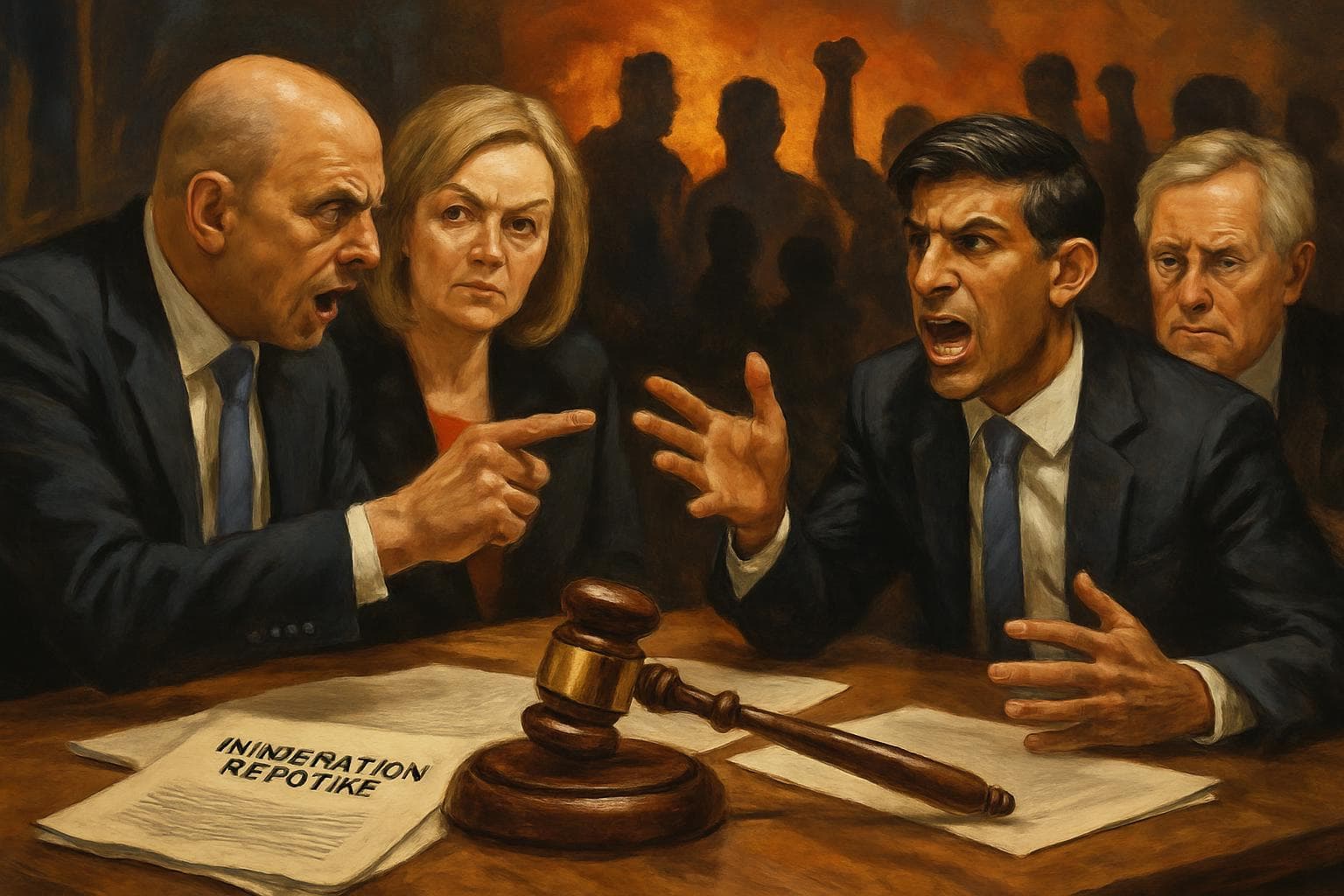
The UK government is poised to implement sweeping reforms to its asylum system, a move that has stirred significant unease within the Labour Party. Home Secretary Shabana Mahmood's proposals, which include reassessing refugee status every two years and limiting asylum appeals, have been met with skepticism from senior party figures and legal experts.
Proposed Changes and Political Reactions
Mahmood's plans, described by The Times as a "significant escalation" against illegal migration, have prompted concerns among Labour ministers, with some reportedly on "resignation watch." The Guardian highlights that Mahmood warned of "dark forces" exploiting migration issues to incite anger, potentially affecting second-generation immigrants like herself. The reforms aim to tighten the application of the European Convention on Human Rights, particularly concerning family life, to facilitate more deportations.
Visa Bans and International Implications
In a move reminiscent of former US President Donald Trump's policies, Mahmood has threatened visa bans on Angola, Namibia, and the Democratic Republic of Congo for not cooperating with deportations. This policy could extend to other countries, including Iran and Bangladesh, if they fail to comply. The Telegraph reports that these measures are part of a broader strategy to control illegal migration.
Criticism and Humanitarian Concerns
Critics, including charities, warn that the proposed changes could lead to a situation akin to the "Windrush scandal," leaving refugees in a state of uncertainty and disrupting their integration into UK society. The Guardian notes that the reforms could uproot children from schools and hinder adults from establishing careers. Despite these concerns, Mahmood insists that the changes are necessary to maintain public support for refugees and prevent societal division.
New Safe Routes for Refugees
To balance the tougher stance, Mahmood plans to introduce three new safe routes for refugees from conflict zones such as Sudan and Eritrea. These routes aim to provide legal pathways for those seeking sanctuary in the UK, although their status will be subject to regular review.
WHAT THIS MIGHT MEAN
The proposed reforms could have significant legal and political implications. If implemented, they may face legal challenges, particularly concerning the European Convention on Human Rights. Politically, the Labour Party risks internal division, which could impact its performance in the next general election. Experts suggest that while the reforms aim to address illegal migration, they must be carefully balanced to avoid humanitarian crises and maintain the UK's reputation as a haven for refugees. As the debate unfolds, the government's ability to navigate these complex issues will be crucial in shaping the future of UK immigration policy.
Related Articles

UK Government to Reform Asylum Seeker Support and Employment Policies

UK Faces Dilemmas Amid Iran Conflict and China Spying Allegations

UK-Iran Tensions: Starmer Defends Cautious Approach Amid Trump Criticism

Canada and Australia Forge Strategic Partnership Amid Global Uncertainty
Middle East Conflict Drives UK Energy Prices to New Highs

UK Reinforces Military Presence in Cyprus Amid Middle East Tensions
UK Immigration Reforms Spark Controversy Amid Labour Party Concerns
In This Article
 James Okoro| Published
 HIGHLIGHTS
- Shabana Mahmood plans to overhaul the UK asylum system, sparking unease among Labour ministers and aides.
- The reforms include reassessing refugee status every two years and curbing asylum appeals.
- Mahmood has threatened visa bans on countries not cooperating with deportations, similar to policies from the Trump era.
- Critics warn the changes could lead to a "Windrush scandal" and disrupt refugee families' lives.
- Mahmood aims to introduce three new safe routes for refugees from war-torn countries like Sudan and Eritrea.
The UK government is poised to implement sweeping reforms to its asylum system, a move that has stirred significant unease within the Labour Party. Home Secretary Shabana Mahmood's proposals, which include reassessing refugee status every two years and limiting asylum appeals, have been met with skepticism from senior party figures and legal experts.
Proposed Changes and Political Reactions
Mahmood's plans, described by The Times as a "significant escalation" against illegal migration, have prompted concerns among Labour ministers, with some reportedly on "resignation watch." The Guardian highlights that Mahmood warned of "dark forces" exploiting migration issues to incite anger, potentially affecting second-generation immigrants like herself. The reforms aim to tighten the application of the European Convention on Human Rights, particularly concerning family life, to facilitate more deportations.
Visa Bans and International Implications
In a move reminiscent of former US President Donald Trump's policies, Mahmood has threatened visa bans on Angola, Namibia, and the Democratic Republic of Congo for not cooperating with deportations. This policy could extend to other countries, including Iran and Bangladesh, if they fail to comply. The Telegraph reports that these measures are part of a broader strategy to control illegal migration.
Criticism and Humanitarian Concerns
Critics, including charities, warn that the proposed changes could lead to a situation akin to the "Windrush scandal," leaving refugees in a state of uncertainty and disrupting their integration into UK society. The Guardian notes that the reforms could uproot children from schools and hinder adults from establishing careers. Despite these concerns, Mahmood insists that the changes are necessary to maintain public support for refugees and prevent societal division.
New Safe Routes for Refugees
To balance the tougher stance, Mahmood plans to introduce three new safe routes for refugees from conflict zones such as Sudan and Eritrea. These routes aim to provide legal pathways for those seeking sanctuary in the UK, although their status will be subject to regular review.
WHAT THIS MIGHT MEAN
The proposed reforms could have significant legal and political implications. If implemented, they may face legal challenges, particularly concerning the European Convention on Human Rights. Politically, the Labour Party risks internal division, which could impact its performance in the next general election. Experts suggest that while the reforms aim to address illegal migration, they must be carefully balanced to avoid humanitarian crises and maintain the UK's reputation as a haven for refugees. As the debate unfolds, the government's ability to navigate these complex issues will be crucial in shaping the future of UK immigration policy.
Related Articles
UK Government to Reform Asylum Seeker Support and Employment Policies
UK Faces Dilemmas Amid Iran Conflict and China Spying Allegations
UK-Iran Tensions: Starmer Defends Cautious Approach Amid Trump Criticism
Canada and Australia Forge Strategic Partnership Amid Global Uncertainty
Middle East Conflict Drives UK Energy Prices to New Highs
UK Reinforces Military Presence in Cyprus Amid Middle East Tensions