
UK Inflation Rate Falls to 3.6% Amid Energy Price Adjustments
In This Article
HIGHLIGHTS
- UK inflation rate fell to 3.6% in October, marking the first decline in five months, according to the Office for National Statistics (ONS).
- The decrease was largely due to slower increases in gas and electricity prices, influenced by changes in the Ofgem energy price cap.
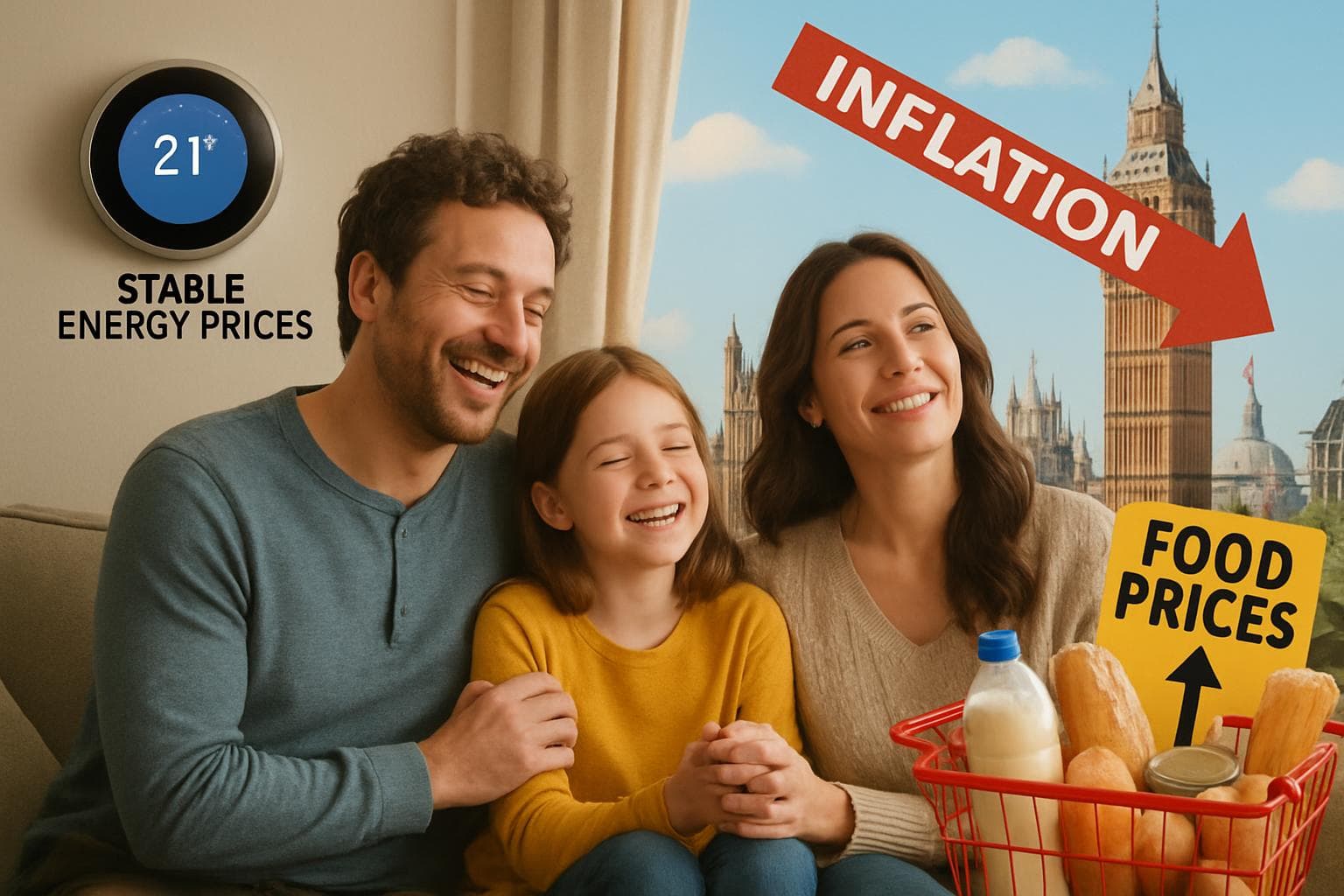
- Food prices rose by 4.9% in October, continuing to pressure household budgets despite the overall inflation drop.
- Chancellor Rachel Reeves plans to address the cost of living in the upcoming budget, aiming to reduce inflation further.
- The UK maintains the highest inflation rate in the G7, with ongoing concerns about rising food and energy costs.
The United Kingdom's inflation rate has decreased to 3.6% in October, marking the first decline in five months, as reported by the Office for National Statistics (ONS). This drop offers a glimmer of hope for households grappling with the cost of living crisis, as it suggests that inflation may have peaked.
Energy Prices and Inflation Dynamics
The primary driver behind the easing inflation was the slower rise in gas and electricity prices, following adjustments to the Ofgem energy price cap. Grant Fitzner, the ONS chief economist, noted that while household energy prices continued to rise, the rate was less pronounced than in previous months. The hospitality sector also contributed to the inflation dip, with hotel prices falling in October.
Persistent Pressure from Food Prices
Despite the overall decrease in inflation, food prices surged by 4.9% in October, up from 4.5% in September, exerting significant pressure on household budgets. The ONS highlighted that prices for staples such as bread, cereals, and fish have increased, making it challenging for families to feel the relief from the inflation drop.
Political Reactions and Economic Policy
The inflation figures arrive ahead of Chancellor Rachel Reeves' crucial budget announcement. Reeves has pledged to implement measures to reduce living costs and inflation, aiming to facilitate a potential interest rate cut by the Bank of England. "This fall in inflation is good news for households and businesses, but I'm determined to do more to bring prices down," Reeves stated.
Political responses have varied, with Liberal Democrats urging for emergency measures to cut energy bills and a VAT reduction for hospitality. Meanwhile, the Conservative Party has criticized Labour's economic policies, attributing the inflationary pressures to previous government actions.
WHAT THIS MIGHT MEAN
As the UK navigates its economic challenges, the upcoming budget will be pivotal in shaping the country's financial landscape. Chancellor Rachel Reeves' strategies to tackle inflation and the cost of living will be closely scrutinized, with potential implications for interest rates and economic growth. Should the budget successfully address these issues, it could pave the way for a reduction in borrowing costs, providing further relief to households. However, persistent high food prices and external economic pressures may complicate these efforts, requiring ongoing adjustments to economic policy.
Related Articles
UK Achieves Record Budget Surplus Amid Calls for Fiscal Policy Reform
Trump Raises Import Tariffs to 15% After Supreme Court Setback

UK Government to Reform Asylum Seeker Support and Employment Policies

Breakthrough Drug Offers Hope for Children with Severe Epilepsy
Middle East Conflict Drives UK Energy Prices to New Highs

Labour MP's Husband Arrested in UK-China Espionage Probe
UK Inflation Rate Falls to 3.6% Amid Energy Price Adjustments
In This Article
 Daniel Rivera| Published
 HIGHLIGHTS
- UK inflation rate fell to 3.6% in October, marking the first decline in five months, according to the Office for National Statistics (ONS).
- The decrease was largely due to slower increases in gas and electricity prices, influenced by changes in the Ofgem energy price cap.
- Food prices rose by 4.9% in October, continuing to pressure household budgets despite the overall inflation drop.
- Chancellor Rachel Reeves plans to address the cost of living in the upcoming budget, aiming to reduce inflation further.
- The UK maintains the highest inflation rate in the G7, with ongoing concerns about rising food and energy costs.
The United Kingdom's inflation rate has decreased to 3.6% in October, marking the first decline in five months, as reported by the Office for National Statistics (ONS). This drop offers a glimmer of hope for households grappling with the cost of living crisis, as it suggests that inflation may have peaked.
Energy Prices and Inflation Dynamics
The primary driver behind the easing inflation was the slower rise in gas and electricity prices, following adjustments to the Ofgem energy price cap. Grant Fitzner, the ONS chief economist, noted that while household energy prices continued to rise, the rate was less pronounced than in previous months. The hospitality sector also contributed to the inflation dip, with hotel prices falling in October.
Persistent Pressure from Food Prices
Despite the overall decrease in inflation, food prices surged by 4.9% in October, up from 4.5% in September, exerting significant pressure on household budgets. The ONS highlighted that prices for staples such as bread, cereals, and fish have increased, making it challenging for families to feel the relief from the inflation drop.
Political Reactions and Economic Policy
The inflation figures arrive ahead of Chancellor Rachel Reeves' crucial budget announcement. Reeves has pledged to implement measures to reduce living costs and inflation, aiming to facilitate a potential interest rate cut by the Bank of England. "This fall in inflation is good news for households and businesses, but I'm determined to do more to bring prices down," Reeves stated.
Political responses have varied, with Liberal Democrats urging for emergency measures to cut energy bills and a VAT reduction for hospitality. Meanwhile, the Conservative Party has criticized Labour's economic policies, attributing the inflationary pressures to previous government actions.
WHAT THIS MIGHT MEAN
As the UK navigates its economic challenges, the upcoming budget will be pivotal in shaping the country's financial landscape. Chancellor Rachel Reeves' strategies to tackle inflation and the cost of living will be closely scrutinized, with potential implications for interest rates and economic growth. Should the budget successfully address these issues, it could pave the way for a reduction in borrowing costs, providing further relief to households. However, persistent high food prices and external economic pressures may complicate these efforts, requiring ongoing adjustments to economic policy.
Related Articles
UK Achieves Record Budget Surplus Amid Calls for Fiscal Policy Reform
Trump Raises Import Tariffs to 15% After Supreme Court Setback
UK Government to Reform Asylum Seeker Support and Employment Policies
Breakthrough Drug Offers Hope for Children with Severe Epilepsy
Middle East Conflict Drives UK Energy Prices to New Highs
Labour MP's Husband Arrested in UK-China Espionage Probe