
UK Enforces Age Verification on Porn Sites Amid Concerns Over Online Child Safety
In This Article
HIGHLIGHTS
- The UK has implemented new online safety rules requiring age verification on approximately 6,000 pornographic sites to protect children.
- Technology Secretary Peter Kyle apologized for the delay in implementing these protections, acknowledging past failures to safeguard children from harmful online content.
- Platforms like Pornhub, Reddit, and X have committed to age checks, but skepticism remains about the effectiveness and enforcement of these measures.
- Experts and charities emphasize the importance of tech companies' responsibility in child protection, urging further legislative action.
- Discussions are ongoing about additional measures, such as curfews and time limits, to address social media addiction among children.
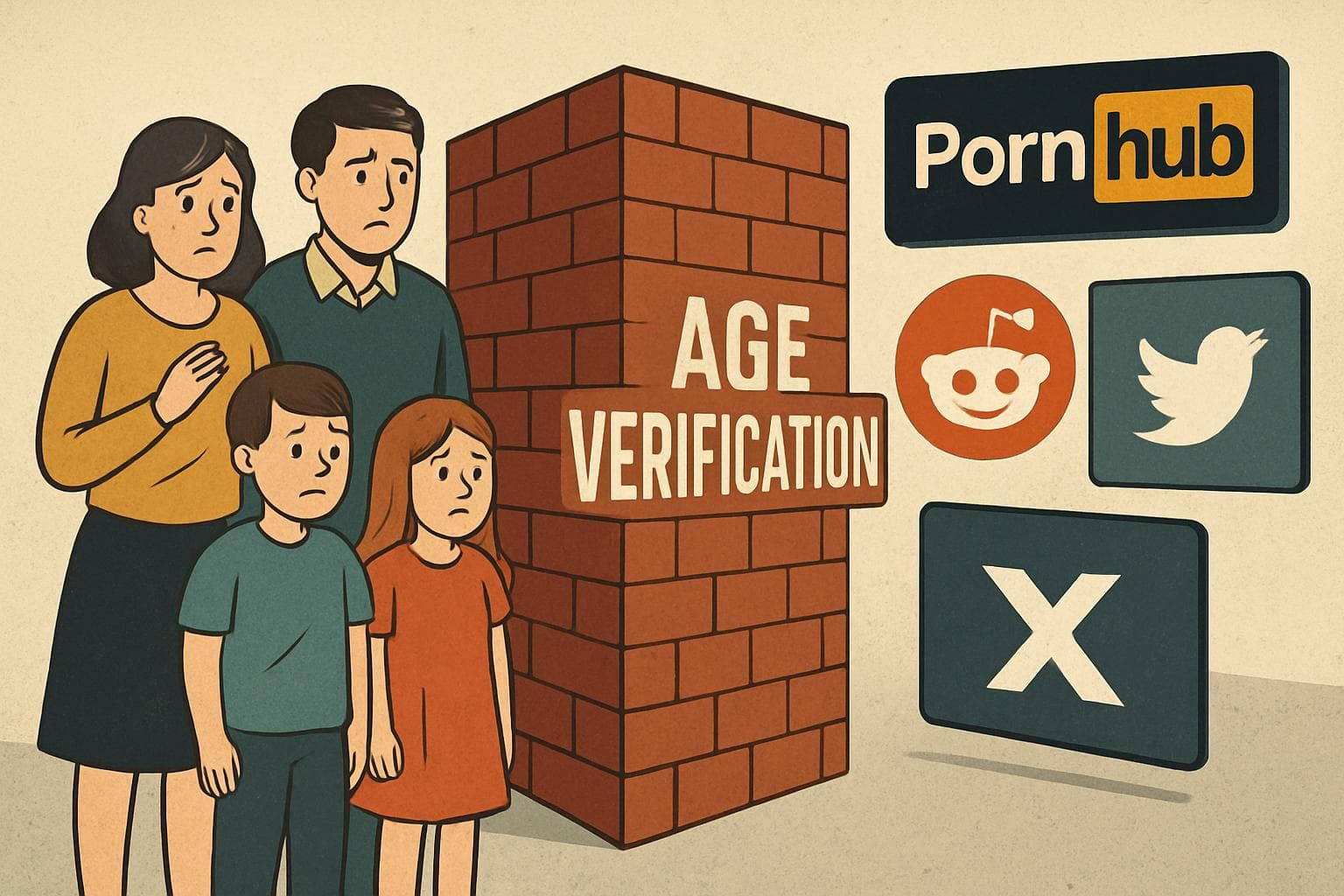
The UK has taken a significant step in enhancing online child safety by mandating age verification on approximately 6,000 pornographic websites. This move, effective from Friday, is part of a broader effort to protect minors from harmful online content. Ofcom, the media regulator, announced that platforms including Pornhub, Reddit, and X (formerly Twitter) have agreed to implement these checks.
A Long-Awaited Measure
Technology Secretary Peter Kyle expressed regret over the delay in introducing these protections, acknowledging that a generation of children was exposed to toxic online content due to governmental inaction. Speaking to Mumsnet, Kyle described the new rules as the most substantial advancement in online safety since the internet's inception. "We have let down children and parents who have struggled to shield their kids from harmful content," he admitted.
Skepticism and Challenges
Despite these advancements, experts remain skeptical about the effectiveness of the age verification system. Concerns persist that children might find ways to bypass these checks. Chris Sherwood, CEO of the NSPCC, emphasized that tech companies must prioritize child protection, stating, "Children and their parents should not bear the sole responsibility for online safety."
Calls for Further Action
The introduction of these measures has sparked discussions about additional steps to combat social media addiction among children. Beeban Kidron, an internet safety advocate, urged the government to update the Online Safety Act to address disinformation and addictive algorithms. Justine Roberts, CEO of Mumsnet, stressed that while the legislation is a positive start, it should be the beginning of more comprehensive online safeguards.
WHAT THIS MIGHT MEAN
The implementation of age verification on pornographic sites marks a pivotal moment in the UK's approach to online child safety. However, the effectiveness of these measures will depend on rigorous enforcement and the tech industry's commitment to compliance. As discussions continue, the government may explore additional regulations, such as curfews and time limits, to further protect children from the adverse effects of social media. The success of these initiatives could set a precedent for other countries grappling with similar challenges, potentially leading to a global shift in internet safety standards.
Related Articles

Canada and Australia Forge Strategic Partnership Amid Global Uncertainty
UK Government to Reform Asylum Seeker Support and Employment Policies
Middle East Conflict Drives UK Energy Prices to New Highs

UK Faces Dilemmas Amid Iran Conflict and China Spying Allegations

UK Reinforces Military Presence in Cyprus Amid Middle East Tensions

Police Federation Chief Arrested Amid Fraud Investigation
UK Enforces Age Verification on Porn Sites Amid Concerns Over Online Child Safety
In This Article
 Himanshu Kaushik| Published
 HIGHLIGHTS
- The UK has implemented new online safety rules requiring age verification on approximately 6,000 pornographic sites to protect children.
- Technology Secretary Peter Kyle apologized for the delay in implementing these protections, acknowledging past failures to safeguard children from harmful online content.
- Platforms like Pornhub, Reddit, and X have committed to age checks, but skepticism remains about the effectiveness and enforcement of these measures.
- Experts and charities emphasize the importance of tech companies' responsibility in child protection, urging further legislative action.
- Discussions are ongoing about additional measures, such as curfews and time limits, to address social media addiction among children.
The UK has taken a significant step in enhancing online child safety by mandating age verification on approximately 6,000 pornographic websites. This move, effective from Friday, is part of a broader effort to protect minors from harmful online content. Ofcom, the media regulator, announced that platforms including Pornhub, Reddit, and X (formerly Twitter) have agreed to implement these checks.
A Long-Awaited Measure
Technology Secretary Peter Kyle expressed regret over the delay in introducing these protections, acknowledging that a generation of children was exposed to toxic online content due to governmental inaction. Speaking to Mumsnet, Kyle described the new rules as the most substantial advancement in online safety since the internet's inception. "We have let down children and parents who have struggled to shield their kids from harmful content," he admitted.
Skepticism and Challenges
Despite these advancements, experts remain skeptical about the effectiveness of the age verification system. Concerns persist that children might find ways to bypass these checks. Chris Sherwood, CEO of the NSPCC, emphasized that tech companies must prioritize child protection, stating, "Children and their parents should not bear the sole responsibility for online safety."
Calls for Further Action
The introduction of these measures has sparked discussions about additional steps to combat social media addiction among children. Beeban Kidron, an internet safety advocate, urged the government to update the Online Safety Act to address disinformation and addictive algorithms. Justine Roberts, CEO of Mumsnet, stressed that while the legislation is a positive start, it should be the beginning of more comprehensive online safeguards.
WHAT THIS MIGHT MEAN
The implementation of age verification on pornographic sites marks a pivotal moment in the UK's approach to online child safety. However, the effectiveness of these measures will depend on rigorous enforcement and the tech industry's commitment to compliance. As discussions continue, the government may explore additional regulations, such as curfews and time limits, to further protect children from the adverse effects of social media. The success of these initiatives could set a precedent for other countries grappling with similar challenges, potentially leading to a global shift in internet safety standards.
Related Articles
Canada and Australia Forge Strategic Partnership Amid Global Uncertainty
UK Government to Reform Asylum Seeker Support and Employment Policies
Middle East Conflict Drives UK Energy Prices to New Highs
UK Faces Dilemmas Amid Iran Conflict and China Spying Allegations
UK Reinforces Military Presence in Cyprus Amid Middle East Tensions
Police Federation Chief Arrested Amid Fraud Investigation