
UK Nationals in Israel Face Uncertainty Amid Escalating Israel-Iran Conflict
In This Article
HIGHLIGHTS
- A group of 45 British nationals, led by the Muslim Women's Council, fled Israel amid escalating conflict with Iran, citing abandonment by the UK government.
- The UK Foreign Office has removed embassy families from Israel but advises British nationals to stay, causing confusion over inconsistent safety measures.
- The Foreign, Commonwealth and Development Office (FCDO) emphasizes the safety of British citizens, urging them to register and follow local alerts.
- The UK government maintains that land borders with Jordan and Egypt are open, offering consular support for those choosing to leave Israel.
- Prime Minister Keir Starmer chaired an emergency meeting to address the volatile situation, with over 1,000 people registering their presence with the FCDO.
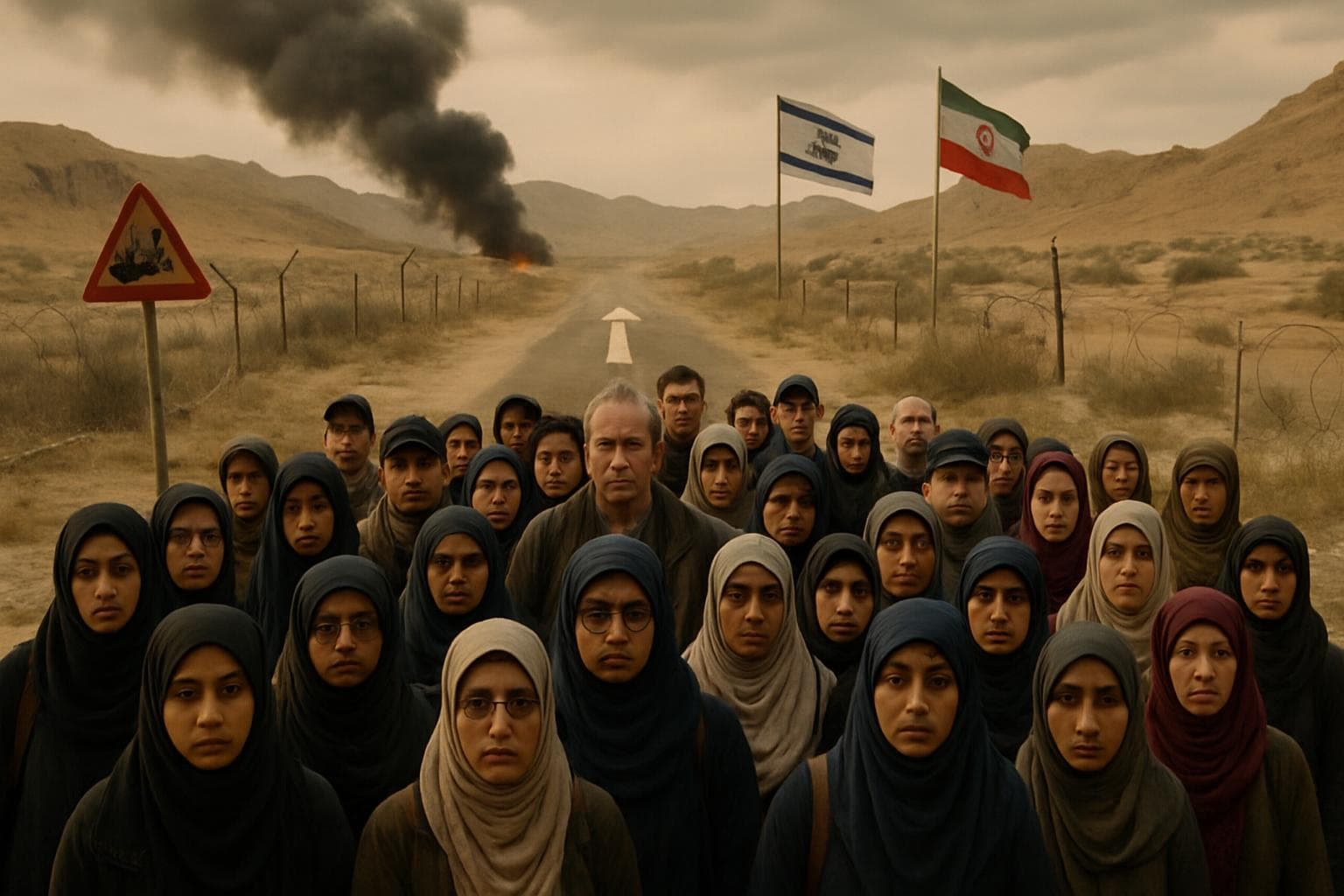
As tensions between Israel and Iran intensify, a group of 45 British nationals, including members of the Muslim Women's Council, have expressed feelings of abandonment by the UK government. The group, which embarked on a spiritual visit to Jerusalem on June 9, found themselves caught in the crossfire of escalating military actions. Despite the UK Foreign Office's assurances of prioritizing citizen safety, the group reported minimal support from the Foreign, Commonwealth and Development Office (FCDO) as they navigated their way to safety in Jordan.
Conflicting Government Advice
The UK government has faced criticism for its seemingly inconsistent approach to the safety of British nationals in Israel. While families of Foreign Office officials have been evacuated as a precaution, the broader travel advice for British citizens remains unchanged. Nationals are urged to register their presence online and follow local guidance, but are not advised to leave the region. This disparity has led to confusion and frustration among those questioning the government's prioritization of its personnel over ordinary citizens.
Efforts to Ensure Safety
The FCDO has highlighted the open land borders with Jordan and Egypt, offering consular assistance to those opting to leave Israel. Despite the volatile situation, the government has not advised a general departure, citing the availability of commercial flights and overland routes. Prime Minister Keir Starmer chaired an emergency Cobra meeting to assess the situation, emphasizing the government's commitment to de-escalation and citizen safety.
Personal Accounts and Government Response
Bana Gora, CEO of the Muslim Women's Council, described the ordeal as traumatizing, recounting the challenges faced while crossing borders with limited support. The group's experience has sparked broader concerns about the UK's response to the crisis. Meanwhile, over 1,000 individuals have registered with the FCDO, enabling the government to better assess on-ground needs and potential support requirements.
WHAT THIS MIGHT MEAN
As the conflict between Israel and Iran continues to escalate, the UK government faces mounting pressure to reassess its travel advice and support mechanisms for British nationals in the region. The disparity in treatment between diplomatic staff and ordinary citizens could lead to increased scrutiny and calls for more consistent safety measures. Should the situation deteriorate further, the UK may need to consider more proactive evacuation efforts or enhanced consular support. The government's ability to navigate these challenges will be crucial in maintaining public trust and ensuring the safety of its citizens abroad.
Related Articles
Middle East Conflict Drives UK Energy Prices to New Highs

US and Israel Intensify Military Campaign as Iran's Capabilities Dwindle

UK Faces Dilemmas Amid Iran Conflict and China Spying Allegations

Intensified US-Israel Strikes on Iran Spark Global Outcry

UK Reinforces Military Presence in Cyprus Amid Middle East Tensions
Senate Blocks Resolution to Limit Trump's Military Actions in Iran
UK Nationals in Israel Face Uncertainty Amid Escalating Israel-Iran Conflict
In This Article
 James Okoro| Published
 HIGHLIGHTS
- A group of 45 British nationals, led by the Muslim Women's Council, fled Israel amid escalating conflict with Iran, citing abandonment by the UK government.
- The UK Foreign Office has removed embassy families from Israel but advises British nationals to stay, causing confusion over inconsistent safety measures.
- The Foreign, Commonwealth and Development Office (FCDO) emphasizes the safety of British citizens, urging them to register and follow local alerts.
- The UK government maintains that land borders with Jordan and Egypt are open, offering consular support for those choosing to leave Israel.
- Prime Minister Keir Starmer chaired an emergency meeting to address the volatile situation, with over 1,000 people registering their presence with the FCDO.
As tensions between Israel and Iran intensify, a group of 45 British nationals, including members of the Muslim Women's Council, have expressed feelings of abandonment by the UK government. The group, which embarked on a spiritual visit to Jerusalem on June 9, found themselves caught in the crossfire of escalating military actions. Despite the UK Foreign Office's assurances of prioritizing citizen safety, the group reported minimal support from the Foreign, Commonwealth and Development Office (FCDO) as they navigated their way to safety in Jordan.
Conflicting Government Advice
The UK government has faced criticism for its seemingly inconsistent approach to the safety of British nationals in Israel. While families of Foreign Office officials have been evacuated as a precaution, the broader travel advice for British citizens remains unchanged. Nationals are urged to register their presence online and follow local guidance, but are not advised to leave the region. This disparity has led to confusion and frustration among those questioning the government's prioritization of its personnel over ordinary citizens.
Efforts to Ensure Safety
The FCDO has highlighted the open land borders with Jordan and Egypt, offering consular assistance to those opting to leave Israel. Despite the volatile situation, the government has not advised a general departure, citing the availability of commercial flights and overland routes. Prime Minister Keir Starmer chaired an emergency Cobra meeting to assess the situation, emphasizing the government's commitment to de-escalation and citizen safety.
Personal Accounts and Government Response
Bana Gora, CEO of the Muslim Women's Council, described the ordeal as traumatizing, recounting the challenges faced while crossing borders with limited support. The group's experience has sparked broader concerns about the UK's response to the crisis. Meanwhile, over 1,000 individuals have registered with the FCDO, enabling the government to better assess on-ground needs and potential support requirements.
WHAT THIS MIGHT MEAN
As the conflict between Israel and Iran continues to escalate, the UK government faces mounting pressure to reassess its travel advice and support mechanisms for British nationals in the region. The disparity in treatment between diplomatic staff and ordinary citizens could lead to increased scrutiny and calls for more consistent safety measures. Should the situation deteriorate further, the UK may need to consider more proactive evacuation efforts or enhanced consular support. The government's ability to navigate these challenges will be crucial in maintaining public trust and ensuring the safety of its citizens abroad.
Related Articles
Middle East Conflict Drives UK Energy Prices to New Highs
US and Israel Intensify Military Campaign as Iran's Capabilities Dwindle
UK Faces Dilemmas Amid Iran Conflict and China Spying Allegations
Intensified US-Israel Strikes on Iran Spark Global Outcry
UK Reinforces Military Presence in Cyprus Amid Middle East Tensions
Senate Blocks Resolution to Limit Trump's Military Actions in Iran