
UK Parliament to Vote on Troop Deployment to Ukraine, Starmer Confirms
In This Article
HIGHLIGHTS
- Keir Starmer has pledged that MPs will vote on deploying UK troops to Ukraine if a peace agreement is reached.
- The UK and France have agreed to send troops to Ukraine to deter further Russian aggression, pending a peace deal.
- Starmer emphasized that any troop deployment would align with existing military plans and require a parliamentary vote.
- The UK and France signed a declaration of intent to deploy forces, but full security guarantees remain unagreed.
- Concerns were raised about the potential overstretching of UK armed forces due to existing commitments.
In a significant development, UK Labour leader Keir Starmer has confirmed that Members of Parliament (MPs) will have the opportunity to debate and vote on the deployment of British troops to Ukraine, should a peace agreement be reached. This announcement comes amid ongoing discussions between the UK, France, and other allies about potential military involvement in Ukraine to deter further Russian aggression.
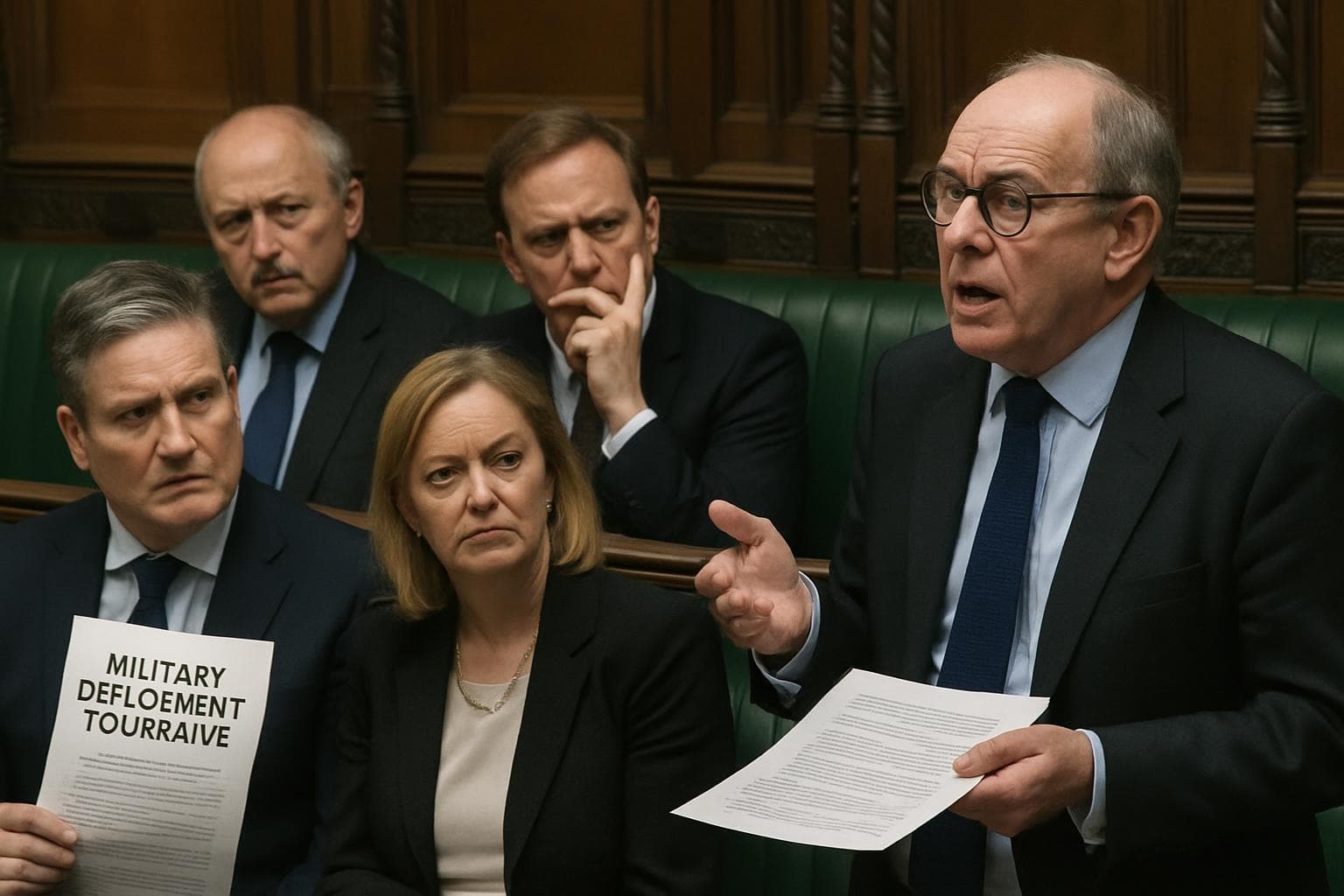
During a session of Prime Minister's Questions, Starmer assured MPs that any deployment of British forces would be consistent with existing military plans and subject to parliamentary approval. "We will set out the details in a statement at the earliest opportunity," Starmer stated, emphasizing the importance of transparency and parliamentary involvement in such critical decisions.
Commitment to Peace and Security
The UK and France have reiterated their commitment to support Ukraine in the event of a peace deal, signing a "declaration of intent" to deploy troops for deterrence operations. This agreement was reached following a summit in Paris, where leaders discussed the strategic deployment of forces on land, air, and sea. However, full security guarantees have yet to be finalized, and the United States, a key player in the peace efforts, has not signed the pledge.
Parliamentary Oversight and Military Strategy
Starmer's announcement underscores the evolving role of parliamentary oversight in military decisions. While the prime minister formally authorizes military action, recent conventions have allowed MPs to debate and vote on such matters. This practice, however, has been applied inconsistently in the past, as seen in the 2013 vote against military action in Syria and the 2018 strikes in Syria without parliamentary consultation.
Concerns Over Military Capacity
The proposal to deploy troops has sparked concerns about the potential overstretching of UK armed forces. Tan Dhesi, Chairman of the Commons Defence Committee, welcomed the announcement but cautioned about the challenges it poses to existing military commitments. "It intensifies the very real challenges our armed forces are already facing," Dhesi noted.
WHAT THIS MIGHT MEAN
As discussions continue, the potential deployment of UK troops to Ukraine hinges on the successful negotiation of a peace agreement and the establishment of comprehensive security guarantees. Should a deal be reached, the parliamentary vote will be a critical juncture, reflecting the UK's commitment to democratic oversight in military affairs. Experts suggest that the decision could set a precedent for future military engagements, emphasizing the importance of parliamentary involvement in such decisions. However, the risk of overstretching military resources remains a concern, potentially impacting the UK's ability to fulfill existing international commitments.
Related Articles

UK Faces Dilemmas Amid Iran Conflict and China Spying Allegations
Russian LNG Tanker Sinks in Mediterranean Amid Accusations of Ukrainian Drone Attack
UK-Iran Tensions: Starmer Defends Cautious Approach Amid Trump Criticism
UK Government to Reform Asylum Seeker Support and Employment Policies
UK Reinforces Military Presence in Cyprus Amid Middle East Tensions
Labour MP's Husband Arrested in UK-China Espionage Probe
UK Parliament to Vote on Troop Deployment to Ukraine, Starmer Confirms
In This Article
 Ethan Brooks| Published
 HIGHLIGHTS
- Keir Starmer has pledged that MPs will vote on deploying UK troops to Ukraine if a peace agreement is reached.
- The UK and France have agreed to send troops to Ukraine to deter further Russian aggression, pending a peace deal.
- Starmer emphasized that any troop deployment would align with existing military plans and require a parliamentary vote.
- The UK and France signed a declaration of intent to deploy forces, but full security guarantees remain unagreed.
- Concerns were raised about the potential overstretching of UK armed forces due to existing commitments.
In a significant development, UK Labour leader Keir Starmer has confirmed that Members of Parliament (MPs) will have the opportunity to debate and vote on the deployment of British troops to Ukraine, should a peace agreement be reached. This announcement comes amid ongoing discussions between the UK, France, and other allies about potential military involvement in Ukraine to deter further Russian aggression.
During a session of Prime Minister's Questions, Starmer assured MPs that any deployment of British forces would be consistent with existing military plans and subject to parliamentary approval. "We will set out the details in a statement at the earliest opportunity," Starmer stated, emphasizing the importance of transparency and parliamentary involvement in such critical decisions.
Commitment to Peace and Security
The UK and France have reiterated their commitment to support Ukraine in the event of a peace deal, signing a "declaration of intent" to deploy troops for deterrence operations. This agreement was reached following a summit in Paris, where leaders discussed the strategic deployment of forces on land, air, and sea. However, full security guarantees have yet to be finalized, and the United States, a key player in the peace efforts, has not signed the pledge.
Parliamentary Oversight and Military Strategy
Starmer's announcement underscores the evolving role of parliamentary oversight in military decisions. While the prime minister formally authorizes military action, recent conventions have allowed MPs to debate and vote on such matters. This practice, however, has been applied inconsistently in the past, as seen in the 2013 vote against military action in Syria and the 2018 strikes in Syria without parliamentary consultation.
Concerns Over Military Capacity
The proposal to deploy troops has sparked concerns about the potential overstretching of UK armed forces. Tan Dhesi, Chairman of the Commons Defence Committee, welcomed the announcement but cautioned about the challenges it poses to existing military commitments. "It intensifies the very real challenges our armed forces are already facing," Dhesi noted.
WHAT THIS MIGHT MEAN
As discussions continue, the potential deployment of UK troops to Ukraine hinges on the successful negotiation of a peace agreement and the establishment of comprehensive security guarantees. Should a deal be reached, the parliamentary vote will be a critical juncture, reflecting the UK's commitment to democratic oversight in military affairs. Experts suggest that the decision could set a precedent for future military engagements, emphasizing the importance of parliamentary involvement in such decisions. However, the risk of overstretching military resources remains a concern, potentially impacting the UK's ability to fulfill existing international commitments.
Related Articles
UK Faces Dilemmas Amid Iran Conflict and China Spying Allegations
Russian LNG Tanker Sinks in Mediterranean Amid Accusations of Ukrainian Drone Attack
UK-Iran Tensions: Starmer Defends Cautious Approach Amid Trump Criticism
UK Government to Reform Asylum Seeker Support and Employment Policies
UK Reinforces Military Presence in Cyprus Amid Middle East Tensions
Labour MP's Husband Arrested in UK-China Espionage Probe