
Hunger Strikes in UK Prisons: Palestine Action Detainees Temporarily Resume Eating Amid Health Concerns

In This Article
HIGHLIGHTS
- Amy Gardiner-Gibson, also known as Amu Gib, ended her hunger strike after 49 days, joining Qesser Zuhrah in temporarily resuming eating.
- The hunger strike began on November 2, with detainees protesting against their treatment and the ban on Palestine Action.
- Four detainees remain on hunger strike, demanding improved conditions and the lifting of non-association orders.
- The Ministry of Justice has emphasized the importance of prisoner safety and has longstanding procedures for handling hunger strikes.
- A High Court judgment on the proscription of Palestine Action is expected in the New Year.
In a significant development, two detainees affiliated with the Palestine Action group have temporarily ended their hunger strikes due to deteriorating health conditions. Amy Gardiner-Gibson, known as Amu Gib, concluded her protest after 49 days, while Qesser Zuhrah paused her strike after 48 days. Both detainees are held on remand at HMP Bronzefield in Surrey, facing charges related to alleged criminal activities on behalf of the now-banned Palestine Action group.
The hunger strike, which commenced on November 2, involves detainees protesting their treatment and the ban on the group under terrorism legislation. The Ministry of Justice has reiterated its commitment to prisoner safety, stating, "We want these prisoners to accept support and get better, and we will not create perverse incentives that would encourage more people to put themselves at risk through hunger strikes."
Ongoing Protests and Demands
Despite the temporary pause, four detainees continue their hunger strike, demanding improved conditions, including the lifting of non-association orders and equal access to courses and activities as sentenced prisoners. The Prisoners for Palestine group has highlighted the extended remand periods, which exceed the usual six-month legal limit, as a significant concern.
Legal and Political Context
The High Court is currently reviewing the home secretary's decision to proscribe Palestine Action, with a judgment anticipated in the New Year. The detainees have called for the charges against them to be dropped, asserting their innocence regarding the alleged offences.
Voices from the Protest
In a statement, Zuhrah expressed her determination to resume the protest if their demands are not met, saying, "Our demands remain inescapable, and this pause is your chance to meet them." Gib echoed this sentiment, emphasizing their commitment to resistance against what they perceive as injustice.
WHAT THIS MIGHT MEAN
As the High Court prepares to deliver its judgment on the proscription of Palestine Action, the outcome could significantly impact the detainees' legal standing and future protests. If the court rules in favor of lifting the ban, it may lead to a reassessment of the charges against the detainees. Conversely, if the ban is upheld, it could intensify the detainees' resolve to continue their protests.
The Ministry of Justice's handling of the situation will also be under scrutiny, particularly regarding the treatment of remand detainees and the procedures for managing hunger strikes. The case highlights broader issues of prisoner rights and the balance between security measures and humane treatment within the UK prison system.
Images from the Web

Related Articles

High Court Ruling Delays Trial of Pro-Palestine Activists

Supreme Court Ruling Expands Compensation for Children Injured at Birth
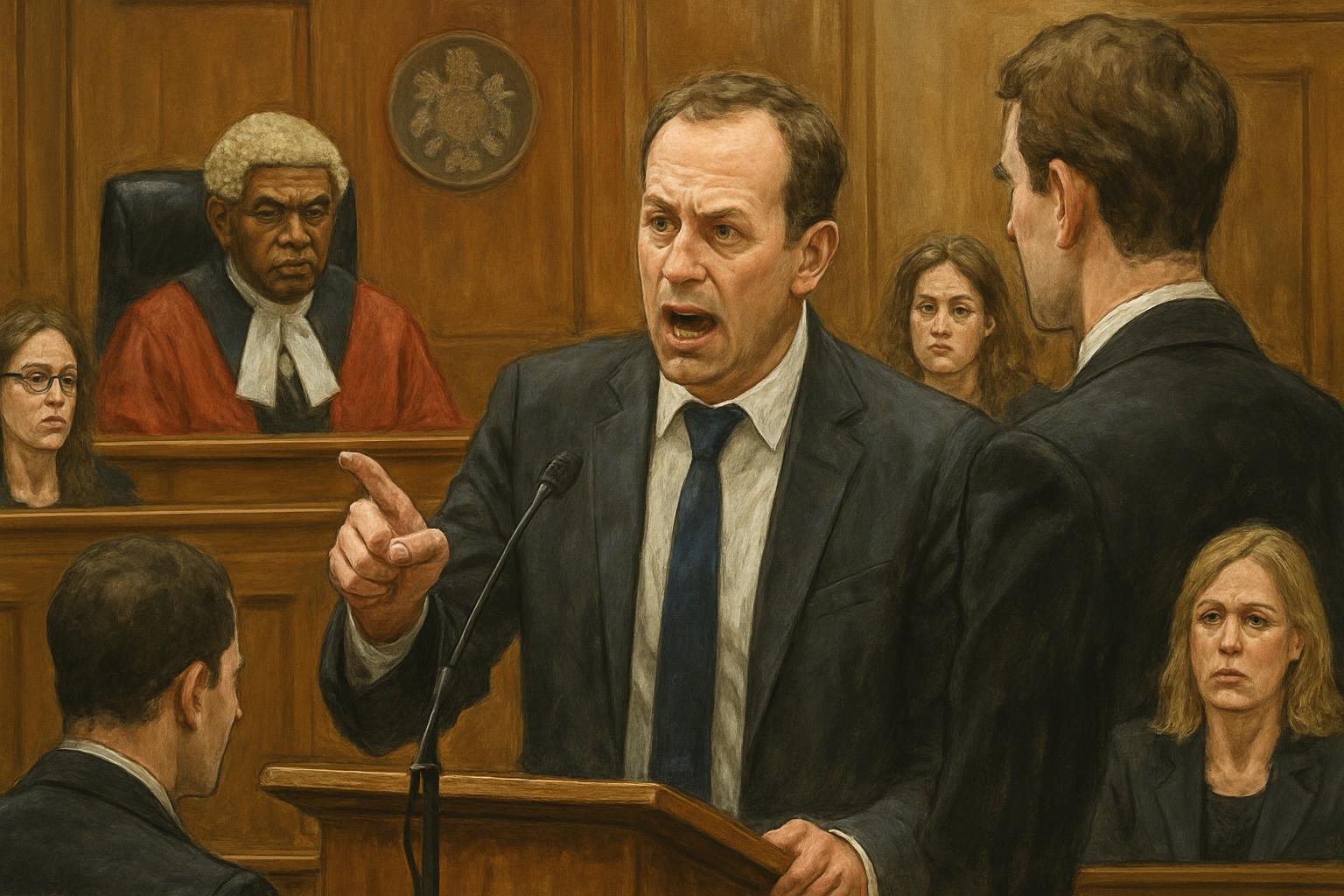
Allegations of Unlawful Reporting Methods in Stephen Lawrence Case Denied by Ex-Daily Mail Reporter

Unlawful Ban on Palestine Action and Other UK Political Developments

Noel Clarke Arrested Over 2007 Attempted Rape Allegation

Paul Dacre Denies "Preposterous" Hacking Allegations in High-Profile Privacy Case
Hunger Strikes in UK Prisons: Palestine Action Detainees Temporarily Resume Eating Amid Health Concerns
In This Article
 Ethan Brooks| Published
 HIGHLIGHTS
- Amy Gardiner-Gibson, also known as Amu Gib, ended her hunger strike after 49 days, joining Qesser Zuhrah in temporarily resuming eating.
- The hunger strike began on November 2, with detainees protesting against their treatment and the ban on Palestine Action.
- Four detainees remain on hunger strike, demanding improved conditions and the lifting of non-association orders.
- The Ministry of Justice has emphasized the importance of prisoner safety and has longstanding procedures for handling hunger strikes.
- A High Court judgment on the proscription of Palestine Action is expected in the New Year.
In a significant development, two detainees affiliated with the Palestine Action group have temporarily ended their hunger strikes due to deteriorating health conditions. Amy Gardiner-Gibson, known as Amu Gib, concluded her protest after 49 days, while Qesser Zuhrah paused her strike after 48 days. Both detainees are held on remand at HMP Bronzefield in Surrey, facing charges related to alleged criminal activities on behalf of the now-banned Palestine Action group.
The hunger strike, which commenced on November 2, involves detainees protesting their treatment and the ban on the group under terrorism legislation. The Ministry of Justice has reiterated its commitment to prisoner safety, stating, "We want these prisoners to accept support and get better, and we will not create perverse incentives that would encourage more people to put themselves at risk through hunger strikes."
Ongoing Protests and Demands
Despite the temporary pause, four detainees continue their hunger strike, demanding improved conditions, including the lifting of non-association orders and equal access to courses and activities as sentenced prisoners. The Prisoners for Palestine group has highlighted the extended remand periods, which exceed the usual six-month legal limit, as a significant concern.
Legal and Political Context
The High Court is currently reviewing the home secretary's decision to proscribe Palestine Action, with a judgment anticipated in the New Year. The detainees have called for the charges against them to be dropped, asserting their innocence regarding the alleged offences.
Voices from the Protest
In a statement, Zuhrah expressed her determination to resume the protest if their demands are not met, saying, "Our demands remain inescapable, and this pause is your chance to meet them." Gib echoed this sentiment, emphasizing their commitment to resistance against what they perceive as injustice.
WHAT THIS MIGHT MEAN
As the High Court prepares to deliver its judgment on the proscription of Palestine Action, the outcome could significantly impact the detainees' legal standing and future protests. If the court rules in favor of lifting the ban, it may lead to a reassessment of the charges against the detainees. Conversely, if the ban is upheld, it could intensify the detainees' resolve to continue their protests.
The Ministry of Justice's handling of the situation will also be under scrutiny, particularly regarding the treatment of remand detainees and the procedures for managing hunger strikes. The case highlights broader issues of prisoner rights and the balance between security measures and humane treatment within the UK prison system.
Images from the Web
Related Articles
High Court Ruling Delays Trial of Pro-Palestine Activists
Supreme Court Ruling Expands Compensation for Children Injured at Birth
Allegations of Unlawful Reporting Methods in Stephen Lawrence Case Denied by Ex-Daily Mail Reporter
Unlawful Ban on Palestine Action and Other UK Political Developments
Noel Clarke Arrested Over 2007 Attempted Rape Allegation
Paul Dacre Denies "Preposterous" Hacking Allegations in High-Profile Privacy Case