
Nationwide Protests Erupt Over Asylum Seekers in UK Hotels Amid Rising Tensions
In This Article
HIGHLIGHTS
- Protests against housing asylum seekers in hotels have erupted across the UK, with significant police presence to manage tensions.
- Anti-immigration demonstrators clashed with counter-protesters, leading to multiple arrests for public order offences and assaults on emergency workers.
- Far-right groups, including the Homeland party, are reportedly organizing these protests, raising concerns about extremist influence.
- A High Court ruling in Epping has temporarily blocked the use of a hotel for asylum seekers, prompting legal challenges from local councils.
- Counter-protesters emphasize solidarity with asylum seekers, condemning the rhetoric used by anti-immigration groups.
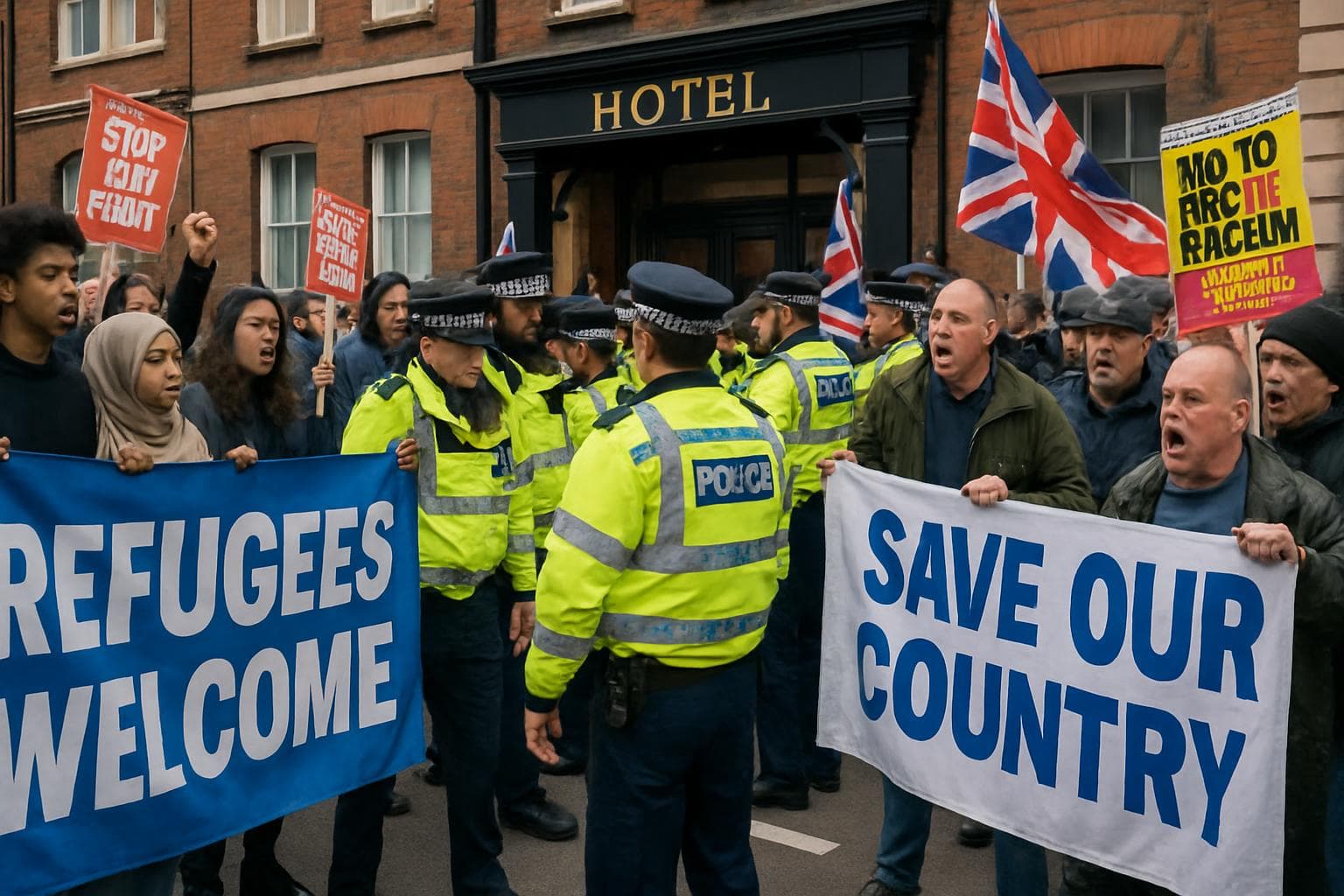
Protests against the use of hotels to house asylum seekers have swept across the UK, with demonstrators clashing with counter-protesters in cities such as Bristol, Liverpool, and Perth. The protests, organized under slogans like "Abolish Asylum System," have seen significant police involvement to maintain order and prevent violence.
Protests and Arrests
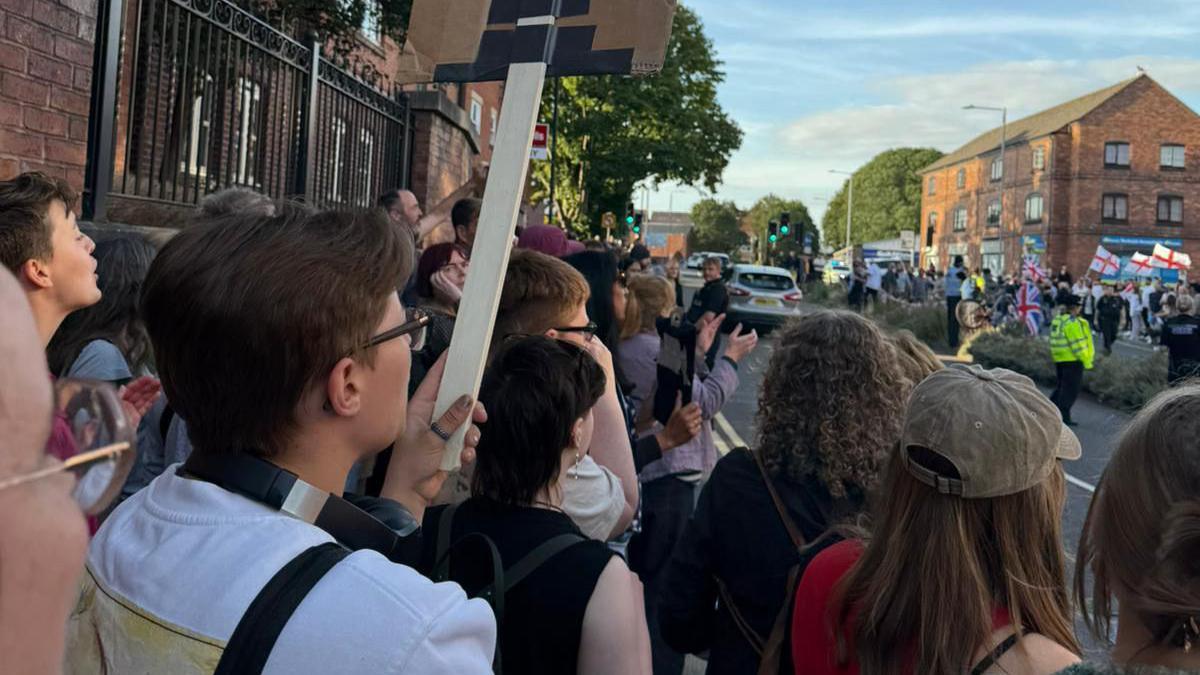
In Horley, Surrey, around 200 anti-immigration protesters gathered outside the Four Points by Sheraton Hotel, clashing with approximately 50 counter-demonstrators from Stand Up to Racism. Surrey Police reported three arrests for breaches of peace and community protection notices. Meanwhile, in Worcester, West Mercia Police made additional arrests following protests earlier in the week, including charges of assaulting emergency workers.
Far-Right Influence
Concerns have been raised about the involvement of far-right groups, such as the Homeland party, in organizing these protests. The Guardian reported that Homeland activists have been active in various locations, including Epping and Nuneaton, using social media to mobilize support. This has amplified fears of extremist elements exploiting the situation to incite racial tensions.
Legal and Community Responses
The protests follow a High Court ruling that temporarily blocked the use of a hotel in Epping for asylum seekers, prompting local councils to consider similar legal actions. Counter-protesters, including groups like Perth Against Racism, have emphasized the need for compassion and solidarity with asylum seekers, arguing that the issues facing communities are not caused by migrants but by political policies.
Community Impact
In Mold, Flintshire, protests against potential asylum seeker accommodation drew about 300 people, with counter-protesters advocating for inclusivity and support for diverse backgrounds. Police maintained a presence to prevent confrontations, and the Home Office has declined to comment on the situation.
WHAT THIS MIGHT MEAN
The ongoing protests and legal challenges could lead to significant policy discussions regarding the accommodation of asylum seekers in the UK. If far-right groups continue to influence these protests, there may be increased scrutiny and potential government intervention to address extremist activities. Local councils' legal actions might set precedents for how asylum seeker accommodations are managed, potentially influencing national policies. As tensions rise, the emphasis on community solidarity and accurate information will be crucial in shaping public perception and policy outcomes.
Images from the Web
Related Articles

UK Government to Reform Asylum Seeker Support and Employment Policies

Police Federation Chief Arrested Amid Fraud Investigation

UK Faces Dilemmas Amid Iran Conflict and China Spying Allegations

UK Reinforces Military Presence in Cyprus Amid Middle East Tensions

UK-Iran Tensions: Starmer Defends Cautious Approach Amid Trump Criticism
Persistent Safety Concerns in Nottingham Maternity Services Amidst Calls for Systemic Reform
Nationwide Protests Erupt Over Asylum Seekers in UK Hotels Amid Rising Tensions
In This Article
 Ethan Brooks| Published
 HIGHLIGHTS
- Protests against housing asylum seekers in hotels have erupted across the UK, with significant police presence to manage tensions.
- Anti-immigration demonstrators clashed with counter-protesters, leading to multiple arrests for public order offences and assaults on emergency workers.
- Far-right groups, including the Homeland party, are reportedly organizing these protests, raising concerns about extremist influence.
- A High Court ruling in Epping has temporarily blocked the use of a hotel for asylum seekers, prompting legal challenges from local councils.
- Counter-protesters emphasize solidarity with asylum seekers, condemning the rhetoric used by anti-immigration groups.
Protests against the use of hotels to house asylum seekers have swept across the UK, with demonstrators clashing with counter-protesters in cities such as Bristol, Liverpool, and Perth. The protests, organized under slogans like "Abolish Asylum System," have seen significant police involvement to maintain order and prevent violence.
Protests and Arrests
In Horley, Surrey, around 200 anti-immigration protesters gathered outside the Four Points by Sheraton Hotel, clashing with approximately 50 counter-demonstrators from Stand Up to Racism. Surrey Police reported three arrests for breaches of peace and community protection notices. Meanwhile, in Worcester, West Mercia Police made additional arrests following protests earlier in the week, including charges of assaulting emergency workers.
Far-Right Influence
Concerns have been raised about the involvement of far-right groups, such as the Homeland party, in organizing these protests. The Guardian reported that Homeland activists have been active in various locations, including Epping and Nuneaton, using social media to mobilize support. This has amplified fears of extremist elements exploiting the situation to incite racial tensions.
Legal and Community Responses
The protests follow a High Court ruling that temporarily blocked the use of a hotel in Epping for asylum seekers, prompting local councils to consider similar legal actions. Counter-protesters, including groups like Perth Against Racism, have emphasized the need for compassion and solidarity with asylum seekers, arguing that the issues facing communities are not caused by migrants but by political policies.
Community Impact
In Mold, Flintshire, protests against potential asylum seeker accommodation drew about 300 people, with counter-protesters advocating for inclusivity and support for diverse backgrounds. Police maintained a presence to prevent confrontations, and the Home Office has declined to comment on the situation.
WHAT THIS MIGHT MEAN
The ongoing protests and legal challenges could lead to significant policy discussions regarding the accommodation of asylum seekers in the UK. If far-right groups continue to influence these protests, there may be increased scrutiny and potential government intervention to address extremist activities. Local councils' legal actions might set precedents for how asylum seeker accommodations are managed, potentially influencing national policies. As tensions rise, the emphasis on community solidarity and accurate information will be crucial in shaping public perception and policy outcomes.
Images from the Web
Related Articles
UK Government to Reform Asylum Seeker Support and Employment Policies
Police Federation Chief Arrested Amid Fraud Investigation
UK Faces Dilemmas Amid Iran Conflict and China Spying Allegations
UK Reinforces Military Presence in Cyprus Amid Middle East Tensions
UK-Iran Tensions: Starmer Defends Cautious Approach Amid Trump Criticism
Persistent Safety Concerns in Nottingham Maternity Services Amidst Calls for Systemic Reform