
UK Regulator Targets Apple and Google's Mobile Platform Dominance
In This Article
HIGHLIGHTS
- The UK's Competition and Markets Authority (CMA) is investigating Apple and Google for holding an "effective duopoly" in mobile platforms.
- The CMA proposes designating the companies with "strategic market status," potentially requiring changes to their app stores and operating systems.
- Apple and Google have expressed concerns about the proposed changes, citing potential impacts on innovation and user security.
- The CMA aims to promote competition and consumer choice, focusing on app store practices and digital wallet restrictions.
- Critics argue the CMA's approach is too cautious, delaying significant changes like allowing alternative app stores until 2026.
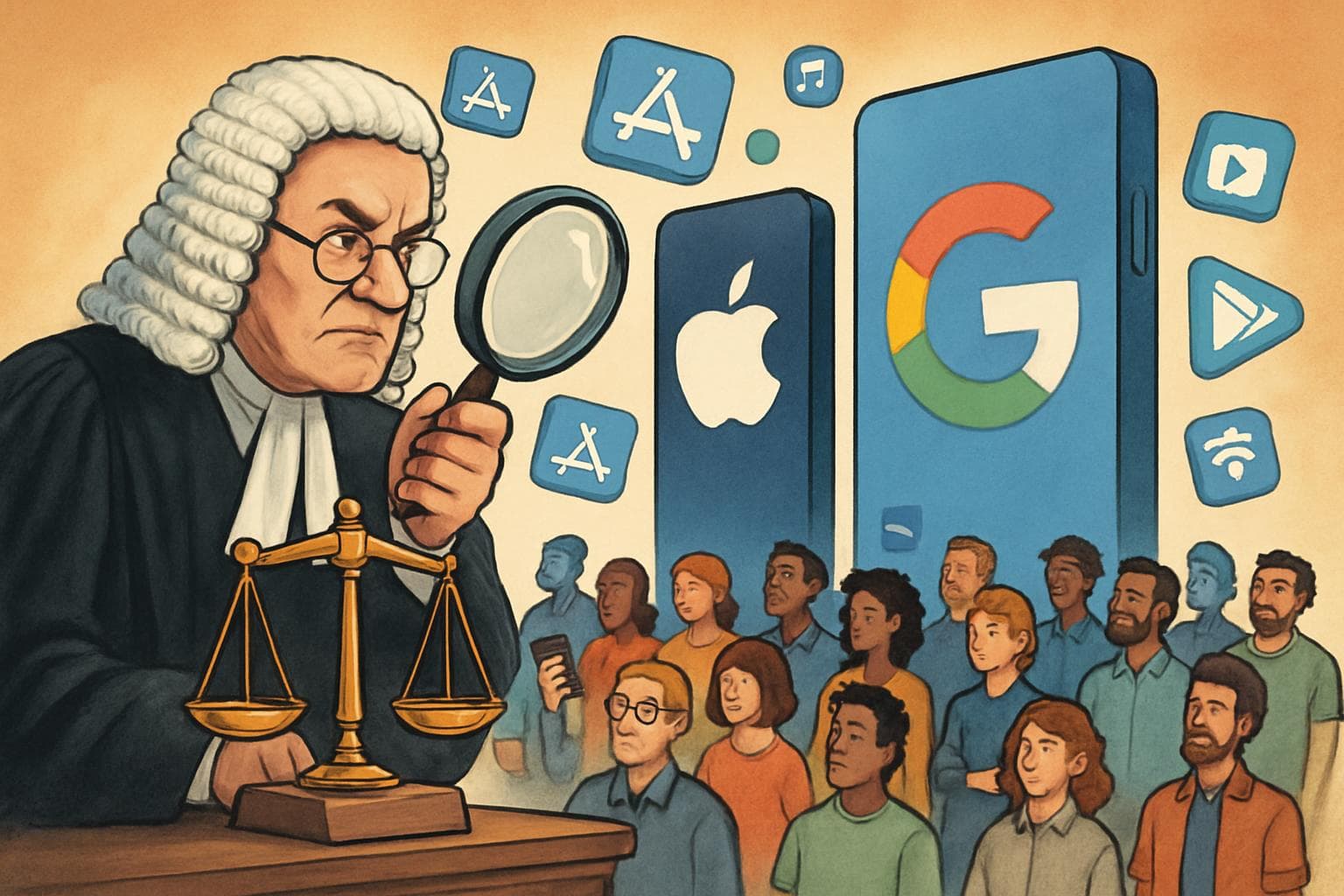
The UK's Competition and Markets Authority (CMA) has announced plans to address the dominance of Apple and Google in the mobile platform market, citing concerns over their "effective duopoly." This move could lead to significant changes in how these tech giants operate their app stores and mobile services in the UK.
CMA's Strategic Market Status Proposal
The CMA's investigation, which began earlier this year, suggests that Apple and Google hold substantial market power, with their platforms running on 90-100% of UK mobile devices. The regulator proposes designating both companies with "strategic market status," a classification that could compel them to alter their business practices to foster competition and enhance consumer choice.
Focus on App Stores and Consumer Choice
A key area of the CMA's focus is the companies' app stores, which have faced criticism over high transaction fees and restrictive practices. The regulator aims to ensure a fair and transparent app review process and to allow consumers more freedom in choosing where to make purchases. Additionally, the CMA is examining restrictions on digital wallets to enable greater competition among financial technology firms.
Tech Giants' Concerns and Criticisms
Apple and Google have voiced concerns over the proposed changes. Apple warned that the new rules might undermine user privacy and security, while Google emphasized the need for evidence-based regulation that does not hinder growth. Critics, including Epic Games CEO Tim Sweeney, argue that the CMA's approach is too cautious, delaying significant reforms like the introduction of alternative app stores until 2026.
Broader Implications and Global Context
The CMA's actions are part of a broader trend of regulatory scrutiny faced by tech giants in the UK, EU, and US. Consumer rights groups, such as Which?, have welcomed the investigation, highlighting the need to address the harm caused by the companies' market dominance. As the CMA continues its probe, the final decision is expected in October, with potential implications for the digital market landscape.
WHAT THIS MIGHT MEAN
If the CMA's proposals are finalized, Apple and Google may need to implement significant changes to their UK operations, potentially setting a precedent for other regions. This could lead to increased competition in the app store market, benefiting consumers and developers alike. However, the tech giants' concerns about innovation and security may prompt further negotiations or legal challenges. As global regulatory bodies intensify their scrutiny of digital markets, the outcomes of this investigation could influence future regulatory frameworks and industry practices worldwide.
Related Articles

Tech Giants Pledge to Cover AI Data Center Energy Costs Amid Rising Electricity Concerns

Canada and Australia Forge Strategic Partnership Amid Global Uncertainty

Middle East Conflict Drives UK Energy Prices to New Highs

UK Reinforces Military Presence in Cyprus Amid Middle East Tensions

UK-Iran Tensions: Starmer Defends Cautious Approach Amid Trump Criticism

Diplomatic Tensions Rise as Trump Criticizes Starmer's Iran Policy
UK Regulator Targets Apple and Google's Mobile Platform Dominance
In This Article
 Daniel Rivera| Published
 HIGHLIGHTS
- The UK's Competition and Markets Authority (CMA) is investigating Apple and Google for holding an "effective duopoly" in mobile platforms.
- The CMA proposes designating the companies with "strategic market status," potentially requiring changes to their app stores and operating systems.
- Apple and Google have expressed concerns about the proposed changes, citing potential impacts on innovation and user security.
- The CMA aims to promote competition and consumer choice, focusing on app store practices and digital wallet restrictions.
- Critics argue the CMA's approach is too cautious, delaying significant changes like allowing alternative app stores until 2026.
The UK's Competition and Markets Authority (CMA) has announced plans to address the dominance of Apple and Google in the mobile platform market, citing concerns over their "effective duopoly." This move could lead to significant changes in how these tech giants operate their app stores and mobile services in the UK.
CMA's Strategic Market Status Proposal
The CMA's investigation, which began earlier this year, suggests that Apple and Google hold substantial market power, with their platforms running on 90-100% of UK mobile devices. The regulator proposes designating both companies with "strategic market status," a classification that could compel them to alter their business practices to foster competition and enhance consumer choice.
Focus on App Stores and Consumer Choice
A key area of the CMA's focus is the companies' app stores, which have faced criticism over high transaction fees and restrictive practices. The regulator aims to ensure a fair and transparent app review process and to allow consumers more freedom in choosing where to make purchases. Additionally, the CMA is examining restrictions on digital wallets to enable greater competition among financial technology firms.
Tech Giants' Concerns and Criticisms
Apple and Google have voiced concerns over the proposed changes. Apple warned that the new rules might undermine user privacy and security, while Google emphasized the need for evidence-based regulation that does not hinder growth. Critics, including Epic Games CEO Tim Sweeney, argue that the CMA's approach is too cautious, delaying significant reforms like the introduction of alternative app stores until 2026.
Broader Implications and Global Context
The CMA's actions are part of a broader trend of regulatory scrutiny faced by tech giants in the UK, EU, and US. Consumer rights groups, such as Which?, have welcomed the investigation, highlighting the need to address the harm caused by the companies' market dominance. As the CMA continues its probe, the final decision is expected in October, with potential implications for the digital market landscape.
WHAT THIS MIGHT MEAN
If the CMA's proposals are finalized, Apple and Google may need to implement significant changes to their UK operations, potentially setting a precedent for other regions. This could lead to increased competition in the app store market, benefiting consumers and developers alike. However, the tech giants' concerns about innovation and security may prompt further negotiations or legal challenges. As global regulatory bodies intensify their scrutiny of digital markets, the outcomes of this investigation could influence future regulatory frameworks and industry practices worldwide.
Related Articles
Tech Giants Pledge to Cover AI Data Center Energy Costs Amid Rising Electricity Concerns
Canada and Australia Forge Strategic Partnership Amid Global Uncertainty
Middle East Conflict Drives UK Energy Prices to New Highs
UK Reinforces Military Presence in Cyprus Amid Middle East Tensions
UK-Iran Tensions: Starmer Defends Cautious Approach Amid Trump Criticism
Diplomatic Tensions Rise as Trump Criticizes Starmer's Iran Policy