
UK Government to Issue Screen Time Guidance for Young Children
In This Article
HIGHLIGHTS
- The UK government will release its first official guidance on screen time for children under five in April, amid concerns over its impact on language development.
- Research indicates 98% of children under two engage with screens daily, with excessive use linked to reduced vocabulary.
- A panel led by Children's Commissioner Dame Rachel de Souza will develop the guidance, incorporating insights from parents and experts.
- Education Secretary Bridget Phillipson emphasizes the need for balanced screen use, integrating it with activities like reading and play.
- The World Health Organization recommends limiting screen time to one hour per day for children aged two to four.
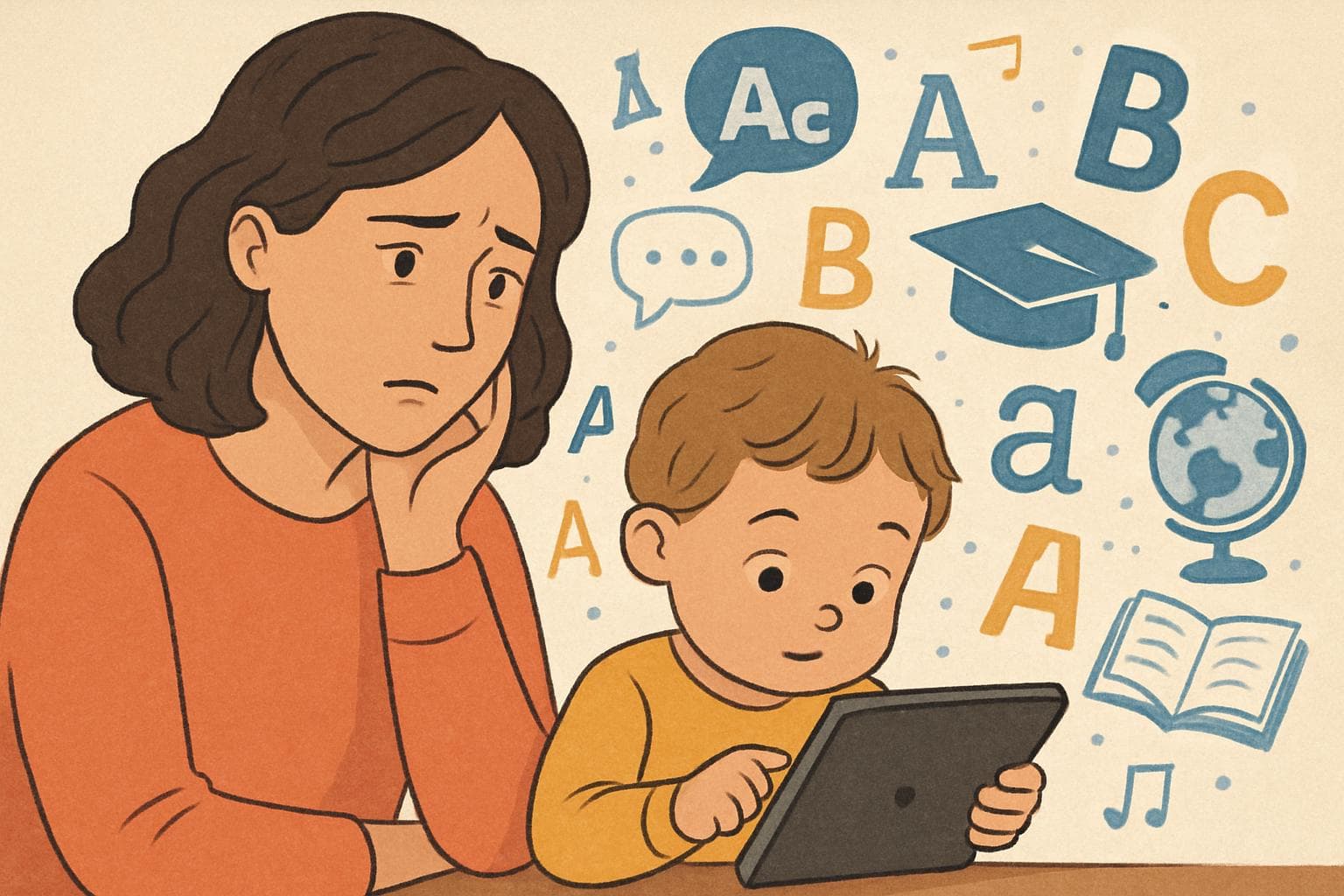
The UK government is set to publish its first official guidance on screen time for children under five, addressing growing concerns about its impact on early childhood development. This initiative comes in response to research revealing that 98% of children under two are exposed to screens daily, with excessive use potentially hindering language skills.
Impact on Language Development
Research commissioned by the government highlights a worrying trend: children aged two with high screen exposure—around five hours daily—demonstrate significantly lower vocabulary than peers with limited screen time. The study found that these children could articulate fewer words, underscoring the need for parental guidance on managing screen use effectively.
Formulating the Guidance
A national working group, led by Children's Commissioner for England Dame Rachel de Souza and Professor Russell Viner, former chief scientific adviser to the Department for Education, will spearhead the development of this guidance. The panel will consult with parents, educators, and early years practitioners to ensure the advice is practical and evidence-based. The terms of reference for their work will be released soon.
Balancing Screen Use with Developmental Activities
Education Secretary Bridget Phillipson acknowledges that screens are now integral to family life, emphasizing the importance of using them wisely. "Screens are part of family life now. The question parents are asking isn't whether to use them, but how to use them well," Phillipson stated. She suggests integrating screen time with developmental activities like storytelling and educational games to enhance language skills.
Broader Implications and Recommendations
The World Health Organization advises limiting screen time to one hour per day for children aged two to four. The research also found that 19% of two-year-olds engage in video gaming, contributing to an average screen time of 140 minutes daily. Neil Leitch, CEO of the Early Years Alliance, supports the initiative but stresses the need for comprehensive guidance that includes digital literacy and online safety.
WHAT THIS MIGHT MEAN
The forthcoming guidance on screen time for young children could significantly influence parenting practices and early childhood education in the UK. By providing clear, evidence-based recommendations, the government aims to mitigate the negative effects of excessive screen use on language development. Experts suggest that this initiative could lead to broader discussions on digital literacy and online safety, potentially shaping future educational policies. As the guidance is implemented, its impact on children's development and family dynamics will be closely monitored, offering valuable insights for policymakers and educators alike.
Related Articles
UK Government Launches Campaign to Tackle Harmful Online Content for Children

Government Announces £4 Billion Overhaul of SEND Support in England
New Guidance on Gender Identity in English Schools Emphasizes Parental Involvement
UK Schools to Expand Special Educational Needs Support with New Initiatives

US Supreme Court Ruling Sparks Trade Uncertainty in Asia and Beyond
UK Government Announces Major Overhaul of SEND System with £3.4 Billion Investment
UK Government to Issue Screen Time Guidance for Young Children
In This Article
 Himanshu Kaushik| Published
 HIGHLIGHTS
- The UK government will release its first official guidance on screen time for children under five in April, amid concerns over its impact on language development.
- Research indicates 98% of children under two engage with screens daily, with excessive use linked to reduced vocabulary.
- A panel led by Children's Commissioner Dame Rachel de Souza will develop the guidance, incorporating insights from parents and experts.
- Education Secretary Bridget Phillipson emphasizes the need for balanced screen use, integrating it with activities like reading and play.
- The World Health Organization recommends limiting screen time to one hour per day for children aged two to four.
The UK government is set to publish its first official guidance on screen time for children under five, addressing growing concerns about its impact on early childhood development. This initiative comes in response to research revealing that 98% of children under two are exposed to screens daily, with excessive use potentially hindering language skills.
Impact on Language Development
Research commissioned by the government highlights a worrying trend: children aged two with high screen exposure—around five hours daily—demonstrate significantly lower vocabulary than peers with limited screen time. The study found that these children could articulate fewer words, underscoring the need for parental guidance on managing screen use effectively.
Formulating the Guidance
A national working group, led by Children's Commissioner for England Dame Rachel de Souza and Professor Russell Viner, former chief scientific adviser to the Department for Education, will spearhead the development of this guidance. The panel will consult with parents, educators, and early years practitioners to ensure the advice is practical and evidence-based. The terms of reference for their work will be released soon.
Balancing Screen Use with Developmental Activities
Education Secretary Bridget Phillipson acknowledges that screens are now integral to family life, emphasizing the importance of using them wisely. "Screens are part of family life now. The question parents are asking isn't whether to use them, but how to use them well," Phillipson stated. She suggests integrating screen time with developmental activities like storytelling and educational games to enhance language skills.
Broader Implications and Recommendations
The World Health Organization advises limiting screen time to one hour per day for children aged two to four. The research also found that 19% of two-year-olds engage in video gaming, contributing to an average screen time of 140 minutes daily. Neil Leitch, CEO of the Early Years Alliance, supports the initiative but stresses the need for comprehensive guidance that includes digital literacy and online safety.
WHAT THIS MIGHT MEAN
The forthcoming guidance on screen time for young children could significantly influence parenting practices and early childhood education in the UK. By providing clear, evidence-based recommendations, the government aims to mitigate the negative effects of excessive screen use on language development. Experts suggest that this initiative could lead to broader discussions on digital literacy and online safety, potentially shaping future educational policies. As the guidance is implemented, its impact on children's development and family dynamics will be closely monitored, offering valuable insights for policymakers and educators alike.
Related Articles
UK Government Launches Campaign to Tackle Harmful Online Content for Children
Government Announces £4 Billion Overhaul of SEND Support in England
New Guidance on Gender Identity in English Schools Emphasizes Parental Involvement
UK Schools to Expand Special Educational Needs Support with New Initiatives
US Supreme Court Ruling Sparks Trade Uncertainty in Asia and Beyond
UK Government Announces Major Overhaul of SEND System with £3.4 Billion Investment