
UK Government Moves to Ban Palestine Action Following RAF Base Incident
In This Article
HIGHLIGHTS
- The UK government plans to ban Palestine Action, labeling it a terrorist organisation after activists vandalized military planes at RAF Brize Norton.
- Home Secretary Yvette Cooper is set to present the proposal to Parliament, requiring new legislation for enactment.
- The incident has sparked a security review at UK military bases, with counter-terrorism police investigating.
- Amnesty International UK and other campaigners have criticized the use of counter-terrorism laws against protest groups.
- Palestine Action claims its actions are against Britain's military involvement in the Middle East, sparking debate over the group's methods and intentions.
The UK government is poised to ban the activist group Palestine Action, branding it a terrorist organisation, following a high-profile security breach at RAF Brize Norton. Home Secretary Yvette Cooper is expected to present a written statement to Parliament on Monday, initiating the legislative process required to proscribe the group under the Terrorism Act 2000.
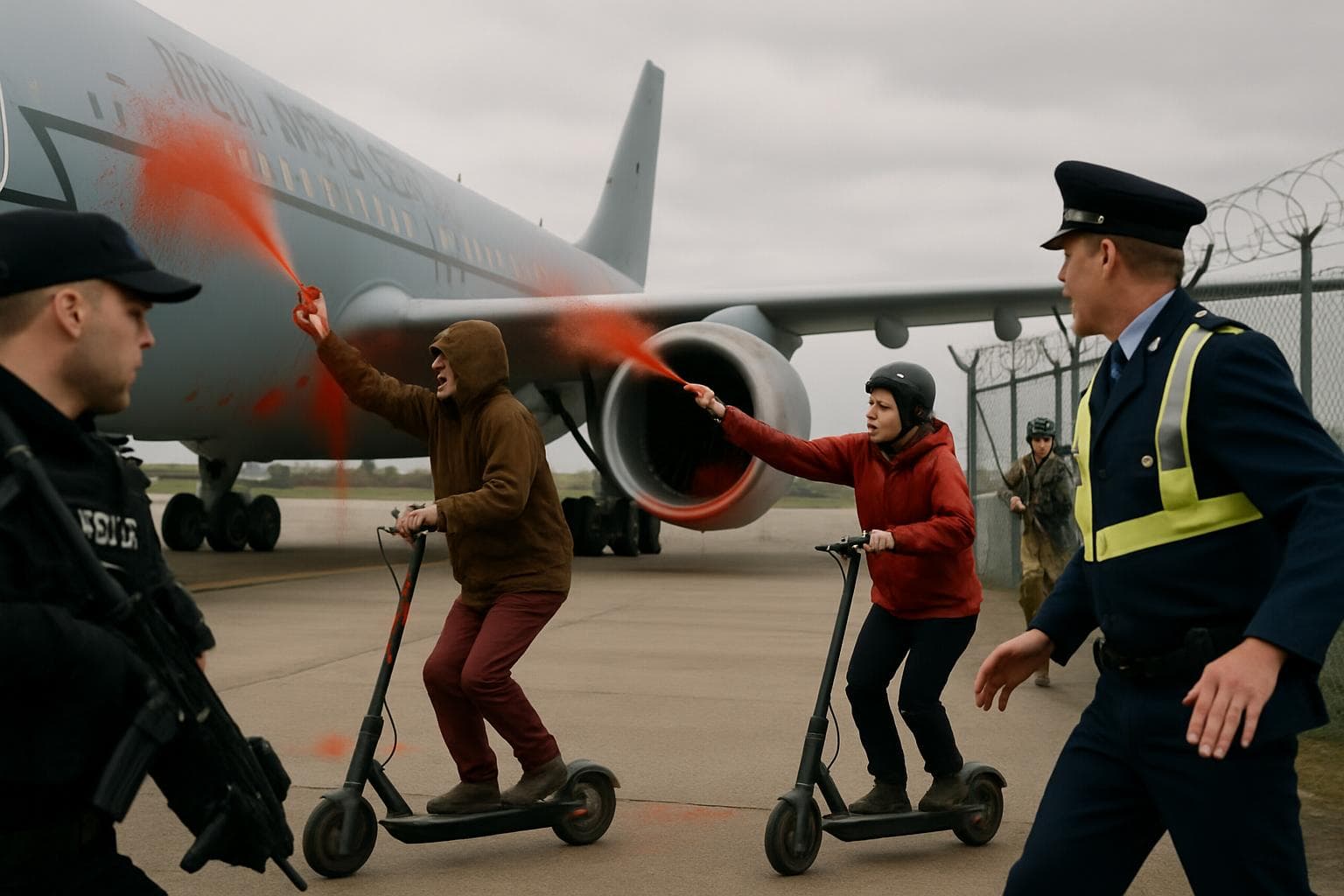
The move comes in response to an incident where pro-Palestinian activists infiltrated the Oxfordshire airbase, vandalizing two military planes with red paint. The breach has prompted a comprehensive security review across military installations in the UK, with counter-terrorism police and the Ministry of Defence actively investigating the matter.
Palestine Action, founded in 2020, has been vocal in its opposition to Britain's military activities in the Middle East. The group released footage showing activists riding scooters inside the airbase at night, spraying paint into the jet engines of RAF Voyager aircraft. A spokesperson for the group stated, "Despite publicly condemning the Israeli government, Britain continues to send military cargo, fly spy planes over Gaza, and refuel US and Israeli fighter jets."
The proposed ban has sparked controversy, with Amnesty International UK expressing concern over the use of counter-terrorism powers against protest groups. "Terrorism powers should never have been used to aggravate criminal charges against Palestine Action activists," the organization stated.
Prime Minister Sir Keir Starmer condemned the activists' actions as "disgraceful," while former Home Secretary Suella Braverman supported the ban, emphasizing a zero-tolerance stance on terrorism. Meanwhile, Palestine Action maintains that its actions represent those opposed to Israel's military actions in Gaza, declaring, "If they want to ban us, they ban us all."
WHAT THIS MIGHT MEAN
If the UK government successfully bans Palestine Action, it could set a precedent for how protest groups are treated under counter-terrorism laws. This move may lead to increased scrutiny of activist organizations and potentially stifle dissenting voices. Legal experts warn that such actions could blur the lines between legitimate protest and terrorism, raising concerns about civil liberties.
Politically, the decision could further polarize opinions on the UK's foreign policy and its involvement in Middle Eastern conflicts. As the debate unfolds, it will be crucial for lawmakers to balance national security interests with the protection of democratic freedoms. The outcome of this legislative process may influence future government responses to activist movements and their methods of protest.
Related Articles

UK Government Considers Removing Andrew Mountbatten-Windsor from Royal Succession Amid Arrest

UK Faces Dilemmas Amid Iran Conflict and China Spying Allegations
UK Reinforces Military Presence in Cyprus Amid Middle East Tensions
Iran Postpones Khamenei Funeral Amid Escalating US-Israeli Strikes
Hamas Leadership Vote Amidst Critical Crossroads for the Movement
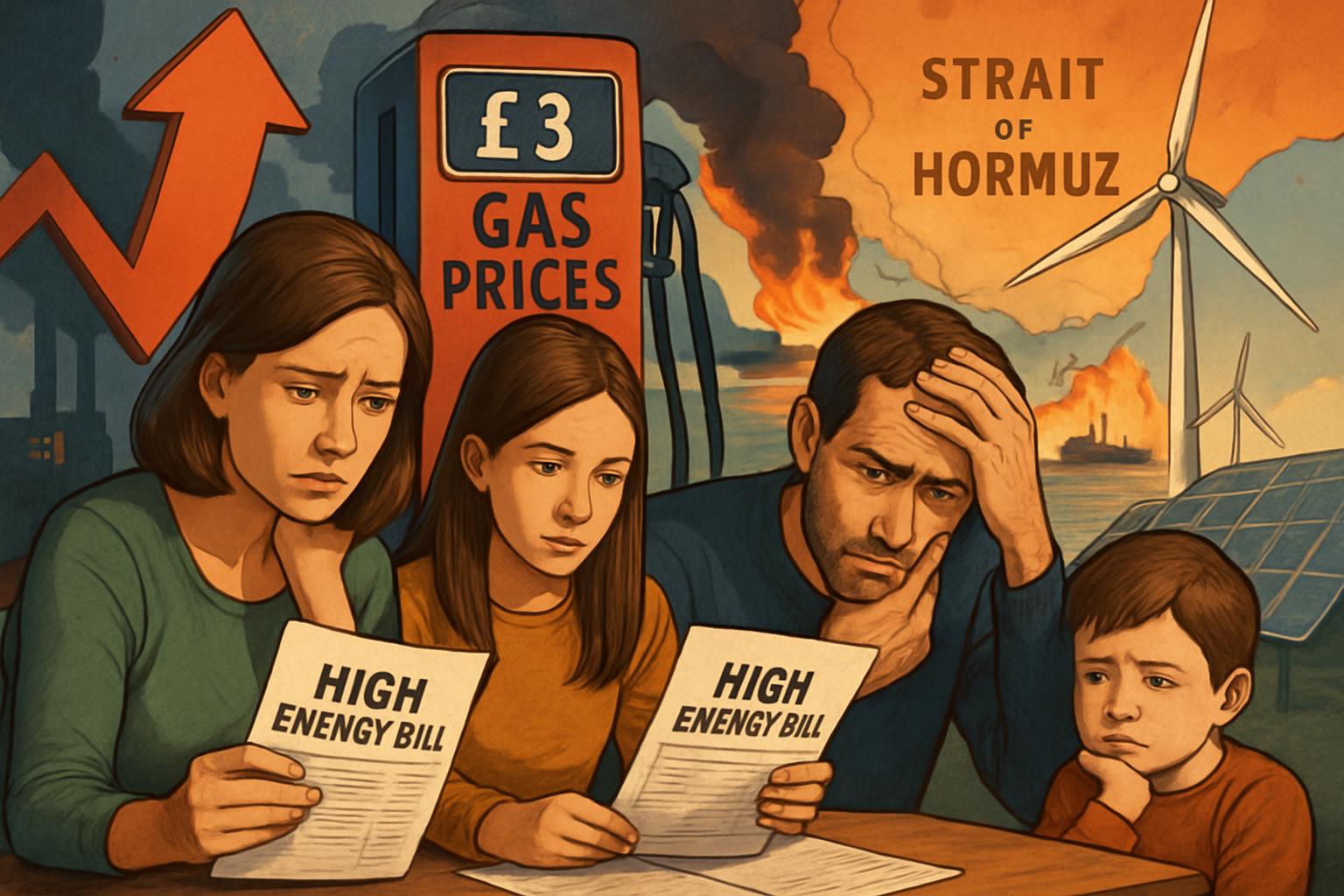
Middle East Conflict Drives UK Energy Prices to New Highs
UK Government Moves to Ban Palestine Action Following RAF Base Incident
In This Article
 Ethan Brooks| Published
 HIGHLIGHTS
- The UK government plans to ban Palestine Action, labeling it a terrorist organisation after activists vandalized military planes at RAF Brize Norton.
- Home Secretary Yvette Cooper is set to present the proposal to Parliament, requiring new legislation for enactment.
- The incident has sparked a security review at UK military bases, with counter-terrorism police investigating.
- Amnesty International UK and other campaigners have criticized the use of counter-terrorism laws against protest groups.
- Palestine Action claims its actions are against Britain's military involvement in the Middle East, sparking debate over the group's methods and intentions.
The UK government is poised to ban the activist group Palestine Action, branding it a terrorist organisation, following a high-profile security breach at RAF Brize Norton. Home Secretary Yvette Cooper is expected to present a written statement to Parliament on Monday, initiating the legislative process required to proscribe the group under the Terrorism Act 2000.
The move comes in response to an incident where pro-Palestinian activists infiltrated the Oxfordshire airbase, vandalizing two military planes with red paint. The breach has prompted a comprehensive security review across military installations in the UK, with counter-terrorism police and the Ministry of Defence actively investigating the matter.
Palestine Action, founded in 2020, has been vocal in its opposition to Britain's military activities in the Middle East. The group released footage showing activists riding scooters inside the airbase at night, spraying paint into the jet engines of RAF Voyager aircraft. A spokesperson for the group stated, "Despite publicly condemning the Israeli government, Britain continues to send military cargo, fly spy planes over Gaza, and refuel US and Israeli fighter jets."
The proposed ban has sparked controversy, with Amnesty International UK expressing concern over the use of counter-terrorism powers against protest groups. "Terrorism powers should never have been used to aggravate criminal charges against Palestine Action activists," the organization stated.
Prime Minister Sir Keir Starmer condemned the activists' actions as "disgraceful," while former Home Secretary Suella Braverman supported the ban, emphasizing a zero-tolerance stance on terrorism. Meanwhile, Palestine Action maintains that its actions represent those opposed to Israel's military actions in Gaza, declaring, "If they want to ban us, they ban us all."
WHAT THIS MIGHT MEAN
If the UK government successfully bans Palestine Action, it could set a precedent for how protest groups are treated under counter-terrorism laws. This move may lead to increased scrutiny of activist organizations and potentially stifle dissenting voices. Legal experts warn that such actions could blur the lines between legitimate protest and terrorism, raising concerns about civil liberties.
Politically, the decision could further polarize opinions on the UK's foreign policy and its involvement in Middle Eastern conflicts. As the debate unfolds, it will be crucial for lawmakers to balance national security interests with the protection of democratic freedoms. The outcome of this legislative process may influence future government responses to activist movements and their methods of protest.
Related Articles
UK Government Considers Removing Andrew Mountbatten-Windsor from Royal Succession Amid Arrest
UK Faces Dilemmas Amid Iran Conflict and China Spying Allegations
UK Reinforces Military Presence in Cyprus Amid Middle East Tensions
Iran Postpones Khamenei Funeral Amid Escalating US-Israeli Strikes
Hamas Leadership Vote Amidst Critical Crossroads for the Movement
Middle East Conflict Drives UK Energy Prices to New Highs