
UK to Recognize Palestinian State Amidst Escalating Gaza Crisis

In This Article
HIGHLIGHTS
- The UK plans to recognize a Palestinian state in September unless Israel meets specific conditions, including a ceasefire and commitment to a two-state solution.
- Prime Minister Keir Starmer emphasized the urgency due to the worsening humanitarian crisis in Gaza and diminishing prospects for peace.
- Israel's Prime Minister Benjamin Netanyahu criticized the UK's stance, arguing it rewards terrorism.
- The UK joins France in its recognition plan, marking a significant shift among G7 nations regarding Palestinian statehood.
- The humanitarian situation in Gaza is dire, with the World Food Programme warning of severe food shortages.
The United Kingdom has announced its intention to formally recognize a Palestinian state this September unless Israel agrees to a series of conditions aimed at alleviating the humanitarian crisis in Gaza and advancing the Middle East peace process. Prime Minister Keir Starmer outlined the UK's position, which hinges on Israel committing to a ceasefire, allowing aid into Gaza, and engaging in a long-term peace process that supports a two-state solution.
Conditions for Recognition
The UK government, under mounting pressure from domestic and international fronts, has set forth a roadmap requiring Israel to take "substantive steps" to address the dire situation in Gaza. These steps include halting annexations in the West Bank and ensuring the flow of humanitarian aid. Starmer's announcement follows France's similar commitment, making the UK the second G7 nation to take such a stance.
Humanitarian Concerns in Gaza
The humanitarian crisis in Gaza has reached alarming levels, with the World Food Programme describing the situation as the worst hunger crisis seen this century. Reports indicate that aid shipments are insufficient to meet basic needs, exacerbating the plight of the population. The Gaza health ministry reports a death toll exceeding 60,000, with nearly half being women and children.
Reactions and Political Implications
Israeli Prime Minister Benjamin Netanyahu has condemned the UK's decision, suggesting it rewards terrorism. He warned that a "jihadist state" on Israel's border could pose future threats to the UK. Meanwhile, US President Donald Trump, who recently met with Starmer, stated that the topic was not discussed during their meeting, though he expressed indifference to the UK's decision.
The UK's move has been welcomed by some political figures, such as Liberal Democrat leader Sir Ed Davey, who urged immediate recognition and more robust action to address the humanitarian disaster in Gaza.
WHAT THIS MIGHT MEAN
The UK's decision to recognize a Palestinian state could significantly impact the dynamics of the Israel-Palestine conflict. If Israel fails to meet the UK's conditions, the recognition could alter diplomatic relations and influence other nations to follow suit. Experts suggest that this move might pressure Israel to reconsider its current policies, though it could also lead to heightened tensions in the region.
Politically, the UK's stance may strengthen calls for a renewed focus on the two-state solution, potentially revitalizing stalled peace negotiations. However, the risk of escalating violence remains if the conditions are not met, underscoring the fragile nature of the situation. As the September UN General Assembly approaches, the international community will be watching closely to see how these developments unfold.
Related Articles

UK Faces Dilemmas Amid Iran Conflict and China Spying Allegations

Breakthrough Drug Offers Hope for Children with Severe Epilepsy
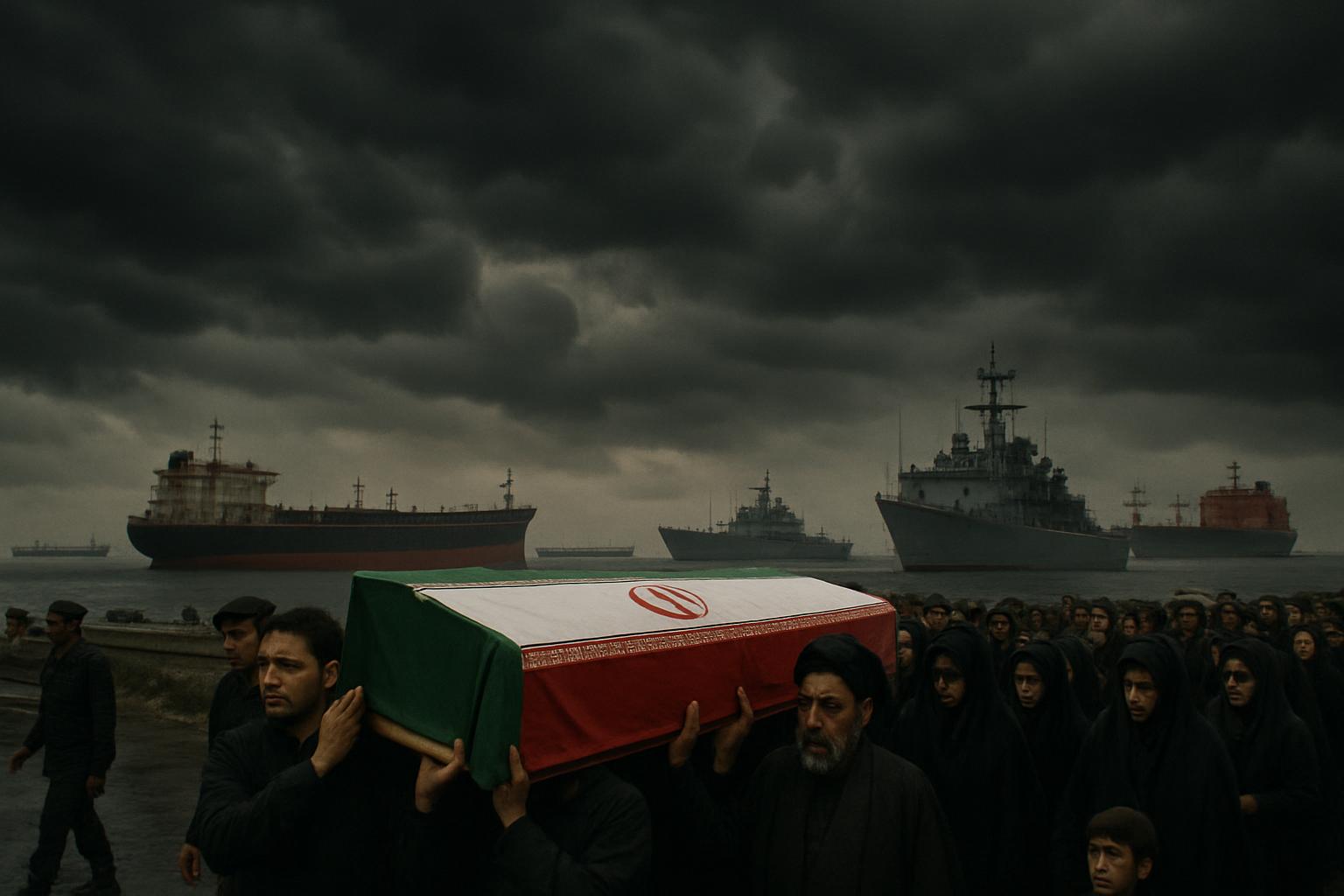
Iran Postpones Khamenei Funeral Amid Escalating US-Israeli Strikes

Government Announces £4 Billion Overhaul of SEND Support in England

US Ambassador's Biblical Land Remarks Spark Outcry from Arab Nations

Palestinian-American Teen Killed by Israeli Settlers in West Bank Sparks Calls for Accountability
UK to Recognize Palestinian State Amidst Escalating Gaza Crisis
In This Article
 Ethan Brooks| Published
 HIGHLIGHTS
- The UK plans to recognize a Palestinian state in September unless Israel meets specific conditions, including a ceasefire and commitment to a two-state solution.
- Prime Minister Keir Starmer emphasized the urgency due to the worsening humanitarian crisis in Gaza and diminishing prospects for peace.
- Israel's Prime Minister Benjamin Netanyahu criticized the UK's stance, arguing it rewards terrorism.
- The UK joins France in its recognition plan, marking a significant shift among G7 nations regarding Palestinian statehood.
- The humanitarian situation in Gaza is dire, with the World Food Programme warning of severe food shortages.
The United Kingdom has announced its intention to formally recognize a Palestinian state this September unless Israel agrees to a series of conditions aimed at alleviating the humanitarian crisis in Gaza and advancing the Middle East peace process. Prime Minister Keir Starmer outlined the UK's position, which hinges on Israel committing to a ceasefire, allowing aid into Gaza, and engaging in a long-term peace process that supports a two-state solution.
Conditions for Recognition
The UK government, under mounting pressure from domestic and international fronts, has set forth a roadmap requiring Israel to take "substantive steps" to address the dire situation in Gaza. These steps include halting annexations in the West Bank and ensuring the flow of humanitarian aid. Starmer's announcement follows France's similar commitment, making the UK the second G7 nation to take such a stance.
Humanitarian Concerns in Gaza
The humanitarian crisis in Gaza has reached alarming levels, with the World Food Programme describing the situation as the worst hunger crisis seen this century. Reports indicate that aid shipments are insufficient to meet basic needs, exacerbating the plight of the population. The Gaza health ministry reports a death toll exceeding 60,000, with nearly half being women and children.
Reactions and Political Implications
Israeli Prime Minister Benjamin Netanyahu has condemned the UK's decision, suggesting it rewards terrorism. He warned that a "jihadist state" on Israel's border could pose future threats to the UK. Meanwhile, US President Donald Trump, who recently met with Starmer, stated that the topic was not discussed during their meeting, though he expressed indifference to the UK's decision.
The UK's move has been welcomed by some political figures, such as Liberal Democrat leader Sir Ed Davey, who urged immediate recognition and more robust action to address the humanitarian disaster in Gaza.
WHAT THIS MIGHT MEAN
The UK's decision to recognize a Palestinian state could significantly impact the dynamics of the Israel-Palestine conflict. If Israel fails to meet the UK's conditions, the recognition could alter diplomatic relations and influence other nations to follow suit. Experts suggest that this move might pressure Israel to reconsider its current policies, though it could also lead to heightened tensions in the region.
Politically, the UK's stance may strengthen calls for a renewed focus on the two-state solution, potentially revitalizing stalled peace negotiations. However, the risk of escalating violence remains if the conditions are not met, underscoring the fragile nature of the situation. As the September UN General Assembly approaches, the international community will be watching closely to see how these developments unfold.
Related Articles
UK Faces Dilemmas Amid Iran Conflict and China Spying Allegations
Breakthrough Drug Offers Hope for Children with Severe Epilepsy
Iran Postpones Khamenei Funeral Amid Escalating US-Israeli Strikes
Government Announces £4 Billion Overhaul of SEND Support in England
US Ambassador's Biblical Land Remarks Spark Outcry from Arab Nations
Palestinian-American Teen Killed by Israeli Settlers in West Bank Sparks Calls for Accountability