
UK Urges Iran to Seek Diplomatic Solutions Amid Rising Tensions Over US Airstrikes
In This Article
HIGHLIGHTS
- UK Foreign Secretary David Lammy urges Iran to return to diplomatic negotiations amid heightened tensions following US airstrikes on Iranian nuclear sites.
- Lammy refrains from explicitly supporting or condemning the US strikes, emphasizing the need for Iran to comply with nuclear obligations.
- Iran threatens "everlasting consequences" in response to the US actions, raising concerns over potential retaliation and regional instability.
- The UK government stresses its non-involvement in the US military actions, focusing on de-escalation to prevent further economic and geopolitical fallout.
- Discussions involving the UK, France, and Germany with Iran remain challenging, with Iran accused of continuing uranium enrichment beyond agreed limits.
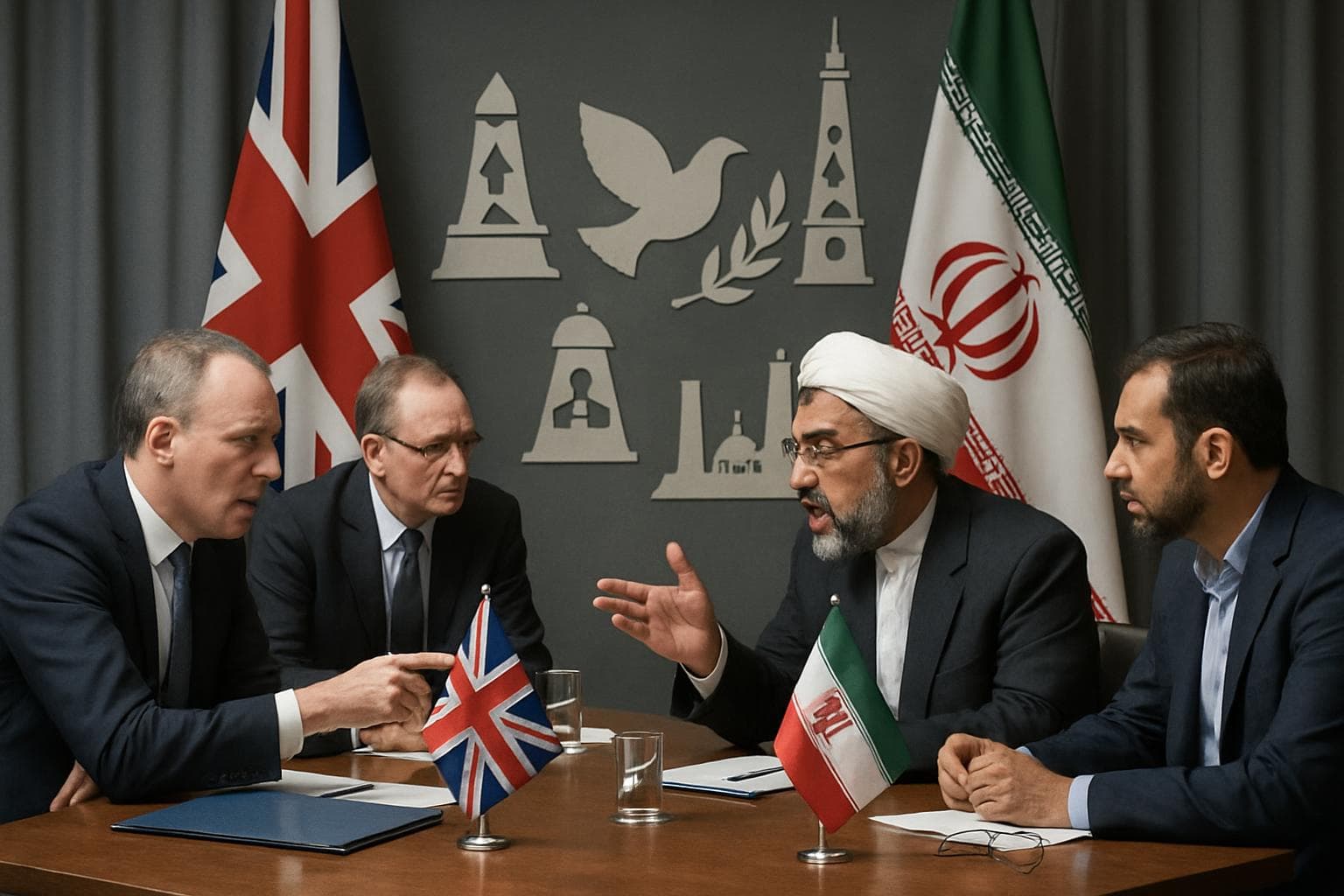
In the wake of recent US airstrikes targeting Iran's nuclear facilities, UK Foreign Secretary David Lammy has called for Iran to engage in diplomatic negotiations to de-escalate the situation. Speaking on BBC Radio 4, Lammy emphasized the importance of Iran taking "the off-ramp" to avoid further conflict and potential retaliation, which could destabilize the region.
Diplomatic Efforts and Regional Concerns
Lammy's comments come after the US conducted airstrikes on three Iranian nuclear sites over the weekend, a move that has prompted Iran to vow "everlasting consequences." The UK, while not involved in the strikes, is urging Iran to comply with international nuclear agreements and return to the negotiating table with the E3—comprising the UK, France, and Germany—and the US.
Prime Minister Sir Keir Starmer reiterated the UK's commitment to de-escalation, highlighting concerns over regional stability and potential impacts on global energy prices. "We are absolutely focused on de-escalation in the Middle East," Starmer stated, emphasizing the need to stabilize the situation.
Legal and Political Implications
The legality of the US strikes remains a contentious issue, with Lammy sidestepping questions about their legitimacy under international law. He noted that while the UK does not support a nuclear-armed Iran, it also does not endorse the US's military approach to resolving the issue. Lammy pointed out that diplomatic efforts have so far failed to halt Iran's uranium enrichment, which the International Atomic Energy Agency has confirmed to be at 60%.
Challenges in Negotiations
Despite ongoing diplomatic efforts, discussions with Iran have proven difficult. Lammy acknowledged that recent talks in Geneva involving the UK, France, and Germany were "very tough," with Iran accused of engaging in "deception and obfuscation" regarding its nuclear program. The UK continues to advocate for a civil nuclear capability in Iran that is properly monitored, while urging Tehran to cease enrichment activities that exceed the limits set by the 2015 nuclear deal.
WHAT THIS MIGHT MEAN
The current situation presents several potential outcomes. If Iran chooses to retaliate, it could lead to increased military tensions in the Middle East, potentially affecting global oil markets and international relations. Alternatively, a return to diplomatic negotiations could pave the way for a renewed nuclear agreement, easing regional tensions and fostering stability.
Experts suggest that the involvement of major powers like China and Russia could influence Iran's decision-making process, potentially encouraging a diplomatic resolution. However, the path forward remains uncertain, with the international community closely monitoring Iran's next moves and the potential implications for global security.
Related Articles
Middle East Conflict Drives UK Energy Prices to New Highs
UK Reinforces Military Presence in Cyprus Amid Middle East Tensions
Canada and Australia Forge Strategic Partnership Amid Global Uncertainty
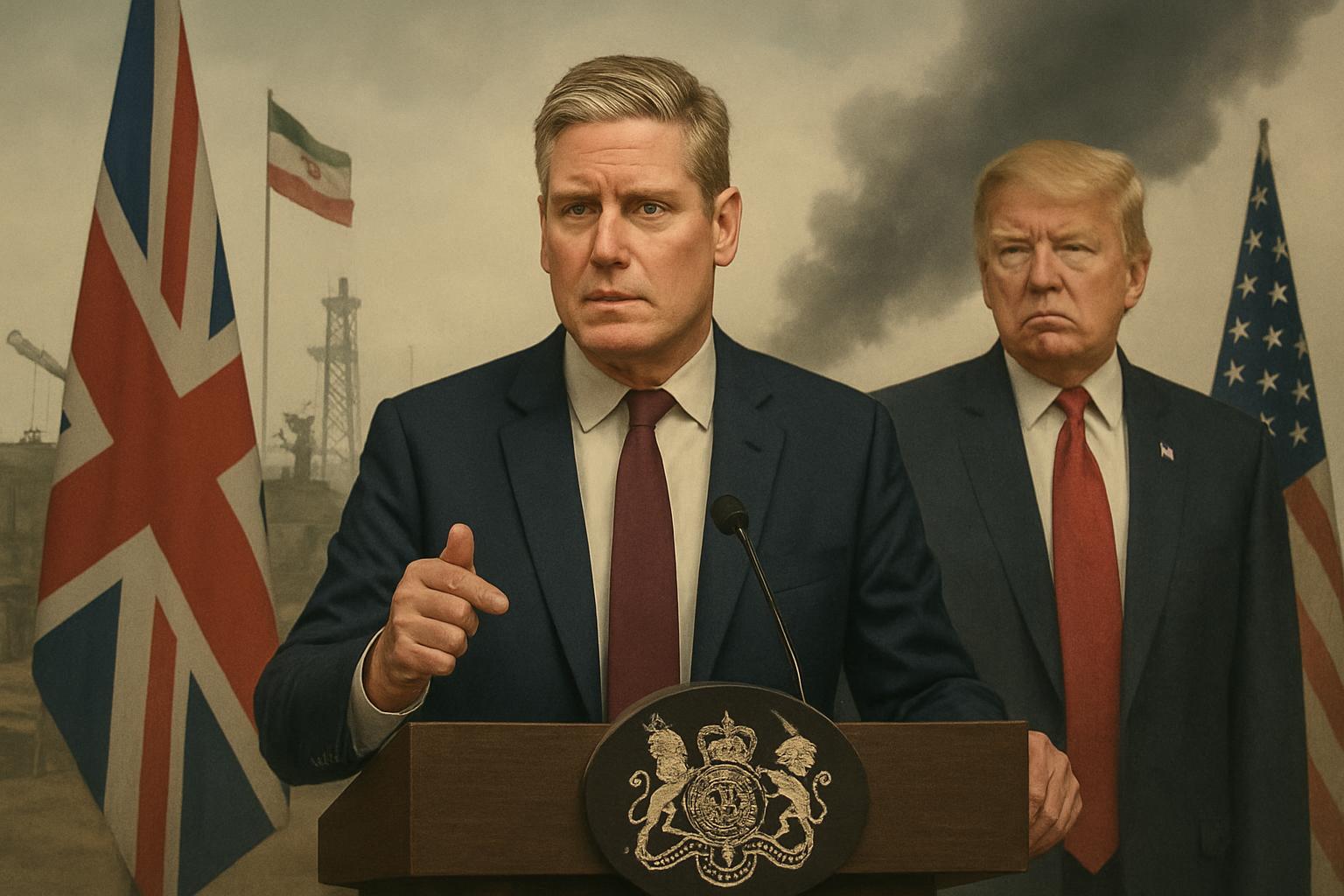
UK-Iran Tensions: Starmer Defends Cautious Approach Amid Trump Criticism

UK Faces Dilemmas Amid Iran Conflict and China Spying Allegations
US and Israel Intensify Military Campaign as Iran's Capabilities Dwindle
UK Urges Iran to Seek Diplomatic Solutions Amid Rising Tensions Over US Airstrikes
In This Article
 James Okoro| Published
 HIGHLIGHTS
- UK Foreign Secretary David Lammy urges Iran to return to diplomatic negotiations amid heightened tensions following US airstrikes on Iranian nuclear sites.
- Lammy refrains from explicitly supporting or condemning the US strikes, emphasizing the need for Iran to comply with nuclear obligations.
- Iran threatens "everlasting consequences" in response to the US actions, raising concerns over potential retaliation and regional instability.
- The UK government stresses its non-involvement in the US military actions, focusing on de-escalation to prevent further economic and geopolitical fallout.
- Discussions involving the UK, France, and Germany with Iran remain challenging, with Iran accused of continuing uranium enrichment beyond agreed limits.
In the wake of recent US airstrikes targeting Iran's nuclear facilities, UK Foreign Secretary David Lammy has called for Iran to engage in diplomatic negotiations to de-escalate the situation. Speaking on BBC Radio 4, Lammy emphasized the importance of Iran taking "the off-ramp" to avoid further conflict and potential retaliation, which could destabilize the region.
Diplomatic Efforts and Regional Concerns
Lammy's comments come after the US conducted airstrikes on three Iranian nuclear sites over the weekend, a move that has prompted Iran to vow "everlasting consequences." The UK, while not involved in the strikes, is urging Iran to comply with international nuclear agreements and return to the negotiating table with the E3—comprising the UK, France, and Germany—and the US.
Prime Minister Sir Keir Starmer reiterated the UK's commitment to de-escalation, highlighting concerns over regional stability and potential impacts on global energy prices. "We are absolutely focused on de-escalation in the Middle East," Starmer stated, emphasizing the need to stabilize the situation.
Legal and Political Implications
The legality of the US strikes remains a contentious issue, with Lammy sidestepping questions about their legitimacy under international law. He noted that while the UK does not support a nuclear-armed Iran, it also does not endorse the US's military approach to resolving the issue. Lammy pointed out that diplomatic efforts have so far failed to halt Iran's uranium enrichment, which the International Atomic Energy Agency has confirmed to be at 60%.
Challenges in Negotiations
Despite ongoing diplomatic efforts, discussions with Iran have proven difficult. Lammy acknowledged that recent talks in Geneva involving the UK, France, and Germany were "very tough," with Iran accused of engaging in "deception and obfuscation" regarding its nuclear program. The UK continues to advocate for a civil nuclear capability in Iran that is properly monitored, while urging Tehran to cease enrichment activities that exceed the limits set by the 2015 nuclear deal.
WHAT THIS MIGHT MEAN
The current situation presents several potential outcomes. If Iran chooses to retaliate, it could lead to increased military tensions in the Middle East, potentially affecting global oil markets and international relations. Alternatively, a return to diplomatic negotiations could pave the way for a renewed nuclear agreement, easing regional tensions and fostering stability.
Experts suggest that the involvement of major powers like China and Russia could influence Iran's decision-making process, potentially encouraging a diplomatic resolution. However, the path forward remains uncertain, with the international community closely monitoring Iran's next moves and the potential implications for global security.
Related Articles
Middle East Conflict Drives UK Energy Prices to New Highs
UK Reinforces Military Presence in Cyprus Amid Middle East Tensions
Canada and Australia Forge Strategic Partnership Amid Global Uncertainty
UK-Iran Tensions: Starmer Defends Cautious Approach Amid Trump Criticism
UK Faces Dilemmas Amid Iran Conflict and China Spying Allegations
US and Israel Intensify Military Campaign as Iran's Capabilities Dwindle