
UK Vehicle Production Plummets to Historic Lows Amid Tariff and Industry Challenges
In This Article
HIGHLIGHTS
- UK vehicle production hit its lowest level since 1953, with a 12% decline to 417,200 units in the first half of the year.
- The closure of Vauxhall's Luton van plant contributed to a 45% drop in van production.
- A new US-UK tariff deal, effective from June 30, reduced tariffs from 27.5% to 10%, potentially boosting exports.
- The UK government reintroduced electric vehicle grants, but industry confusion persists over eligibility criteria.
- The Society of Motor Manufacturers and Traders (SMMT) remains cautious about reaching pre-pandemic production levels by the end of the decade.
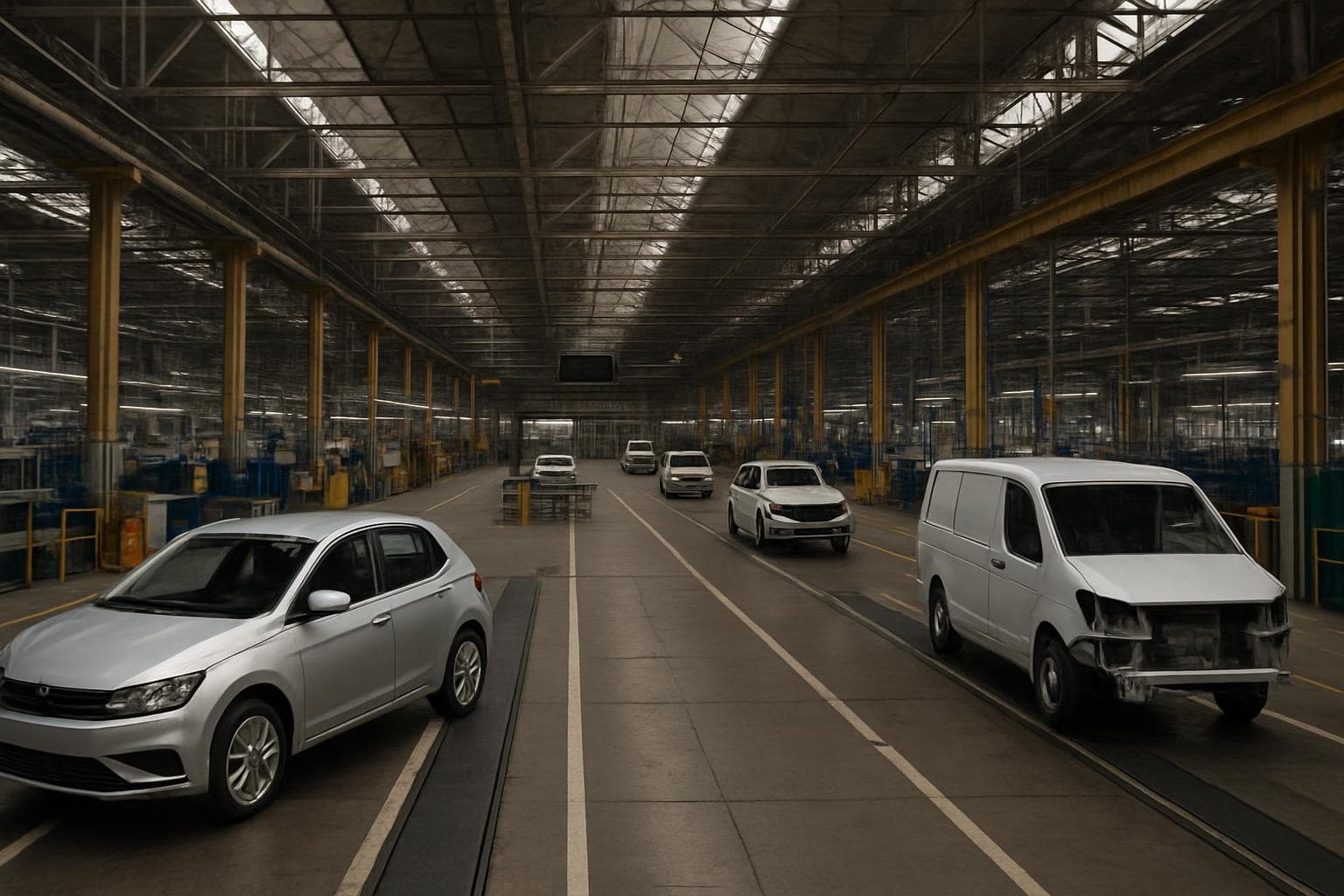
British car and van manufacturing has reached its lowest point since 1953, excluding the pandemic period, as the sector grapples with significant challenges. Data from the Society of Motor Manufacturers and Traders (SMMT) reveals a 12% decline in vehicle production to 417,200 units in the first half of the year. The closure of Vauxhall's Luton van plant further exacerbated the situation, leading to a 45% drop in van production.
Impact of US Tariffs and New Trade Deal
The industry faced additional hurdles due to tariffs imposed by the US, which is the UK's second-largest automotive market. These tariffs, initially set at 25%, threatened to close off vital export opportunities, particularly for luxury carmakers like Bentley and Jaguar Land Rover. However, a new US-UK trade agreement, effective from June 30, has reduced tariffs to 10%, allowing for 100,000 exports annually at this lower rate. This development is expected to stabilize the industry, although growth beyond current levels will require further negotiations.
Electric Vehicle Grants and Industry Confusion
In an effort to boost the transition to electric vehicles, the UK government has reintroduced grants of up to £3,750 for electric cars priced below £37,000. While this move is welcomed by the industry, confusion remains over the eligibility criteria, which are tied to carbon emissions during production. SMMT Chief Executive Mike Hawes expressed concern over the lack of clarity, noting that the industry is still seeking guidance on which models will qualify for these subsidies.
Future Prospects and Industry Outlook
Despite the challenges, there is cautious optimism within the industry. The SMMT hopes that the first half of the year represents the nadir for UK automotive production. However, achieving the government's target of producing 1.3 million vehicles annually by 2035 remains ambitious. The industry acknowledges the need for new entrants to meet these goals, particularly in the electric vehicle sector, where production rose by 1.8% in the first half of the year.
WHAT THIS MIGHT MEAN
Looking ahead, the UK automotive industry faces a complex landscape. The recent tariff reduction with the US offers a lifeline, but sustained growth will depend on further trade negotiations and market conditions. The reintroduction of electric vehicle grants could stimulate demand, yet the lack of clarity around eligibility may hinder immediate benefits. Experts suggest that the industry's recovery will hinge on strategic investments in electric vehicle production and the successful navigation of international trade dynamics. As the sector adapts to these changes, the coming years will be crucial in determining the trajectory of UK vehicle manufacturing.
Related Articles
Middle East Conflict Drives UK Energy Prices to New Highs

Canada and Australia Forge Strategic Partnership Amid Global Uncertainty

Tech Giants Pledge to Cover AI Data Center Energy Costs Amid Rising Electricity Concerns

UK Reinforces Military Presence in Cyprus Amid Middle East Tensions

UK-Iran Tensions: Starmer Defends Cautious Approach Amid Trump Criticism

Diplomatic Tensions Rise as Trump Criticizes Starmer's Iran Policy
UK Vehicle Production Plummets to Historic Lows Amid Tariff and Industry Challenges
In This Article
 Daniel Rivera| Published
 HIGHLIGHTS
- UK vehicle production hit its lowest level since 1953, with a 12% decline to 417,200 units in the first half of the year.
- The closure of Vauxhall's Luton van plant contributed to a 45% drop in van production.
- A new US-UK tariff deal, effective from June 30, reduced tariffs from 27.5% to 10%, potentially boosting exports.
- The UK government reintroduced electric vehicle grants, but industry confusion persists over eligibility criteria.
- The Society of Motor Manufacturers and Traders (SMMT) remains cautious about reaching pre-pandemic production levels by the end of the decade.
British car and van manufacturing has reached its lowest point since 1953, excluding the pandemic period, as the sector grapples with significant challenges. Data from the Society of Motor Manufacturers and Traders (SMMT) reveals a 12% decline in vehicle production to 417,200 units in the first half of the year. The closure of Vauxhall's Luton van plant further exacerbated the situation, leading to a 45% drop in van production.
Impact of US Tariffs and New Trade Deal
The industry faced additional hurdles due to tariffs imposed by the US, which is the UK's second-largest automotive market. These tariffs, initially set at 25%, threatened to close off vital export opportunities, particularly for luxury carmakers like Bentley and Jaguar Land Rover. However, a new US-UK trade agreement, effective from June 30, has reduced tariffs to 10%, allowing for 100,000 exports annually at this lower rate. This development is expected to stabilize the industry, although growth beyond current levels will require further negotiations.
Electric Vehicle Grants and Industry Confusion
In an effort to boost the transition to electric vehicles, the UK government has reintroduced grants of up to £3,750 for electric cars priced below £37,000. While this move is welcomed by the industry, confusion remains over the eligibility criteria, which are tied to carbon emissions during production. SMMT Chief Executive Mike Hawes expressed concern over the lack of clarity, noting that the industry is still seeking guidance on which models will qualify for these subsidies.
Future Prospects and Industry Outlook
Despite the challenges, there is cautious optimism within the industry. The SMMT hopes that the first half of the year represents the nadir for UK automotive production. However, achieving the government's target of producing 1.3 million vehicles annually by 2035 remains ambitious. The industry acknowledges the need for new entrants to meet these goals, particularly in the electric vehicle sector, where production rose by 1.8% in the first half of the year.
WHAT THIS MIGHT MEAN
Looking ahead, the UK automotive industry faces a complex landscape. The recent tariff reduction with the US offers a lifeline, but sustained growth will depend on further trade negotiations and market conditions. The reintroduction of electric vehicle grants could stimulate demand, yet the lack of clarity around eligibility may hinder immediate benefits. Experts suggest that the industry's recovery will hinge on strategic investments in electric vehicle production and the successful navigation of international trade dynamics. As the sector adapts to these changes, the coming years will be crucial in determining the trajectory of UK vehicle manufacturing.
Related Articles
Middle East Conflict Drives UK Energy Prices to New Highs
Canada and Australia Forge Strategic Partnership Amid Global Uncertainty
Tech Giants Pledge to Cover AI Data Center Energy Costs Amid Rising Electricity Concerns
UK Reinforces Military Presence in Cyprus Amid Middle East Tensions
UK-Iran Tensions: Starmer Defends Cautious Approach Amid Trump Criticism
Diplomatic Tensions Rise as Trump Criticizes Starmer's Iran Policy