
Ukraine Peace Talks: Europe and US Stand Firm on Kyiv's Inclusion
In This Article
HIGHLIGHTS
- US Vice-President JD Vance and UK Foreign Secretary David Lammy hosted Ukraine peace talks in Kent, emphasizing support for Ukraine.
- European leaders insist Ukraine must be included in any peace negotiations, rejecting territorial concessions to Russia.
- President Trump and President Putin are set to meet in Alaska, with Trump suggesting potential territorial swaps to end the conflict.
- Ukrainian President Zelensky firmly opposes ceding land, asserting Ukraine's involvement is crucial for any peace deal.
- European allies presented a counterproposal demanding reciprocal territorial exchanges and a ceasefire before further negotiations.
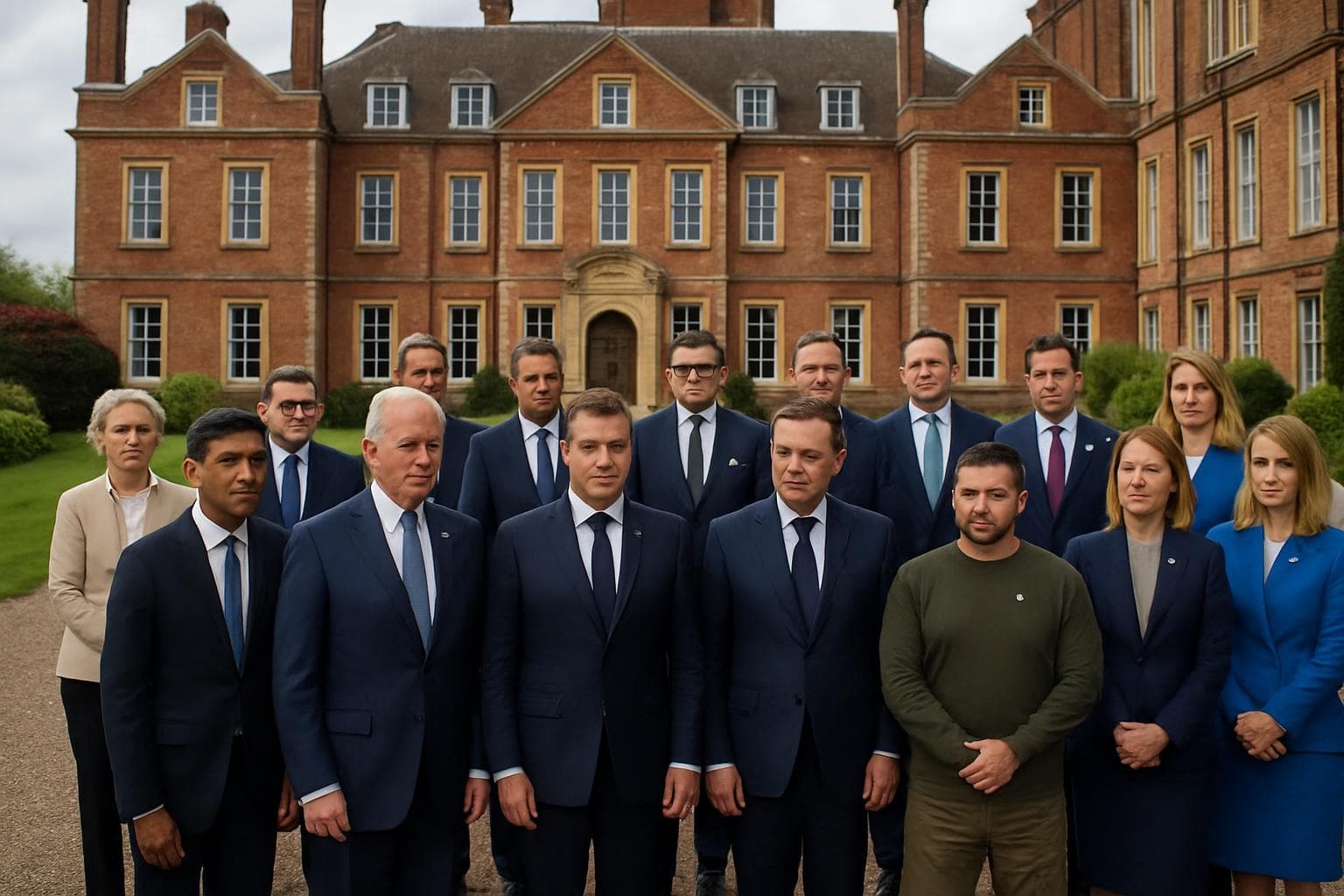
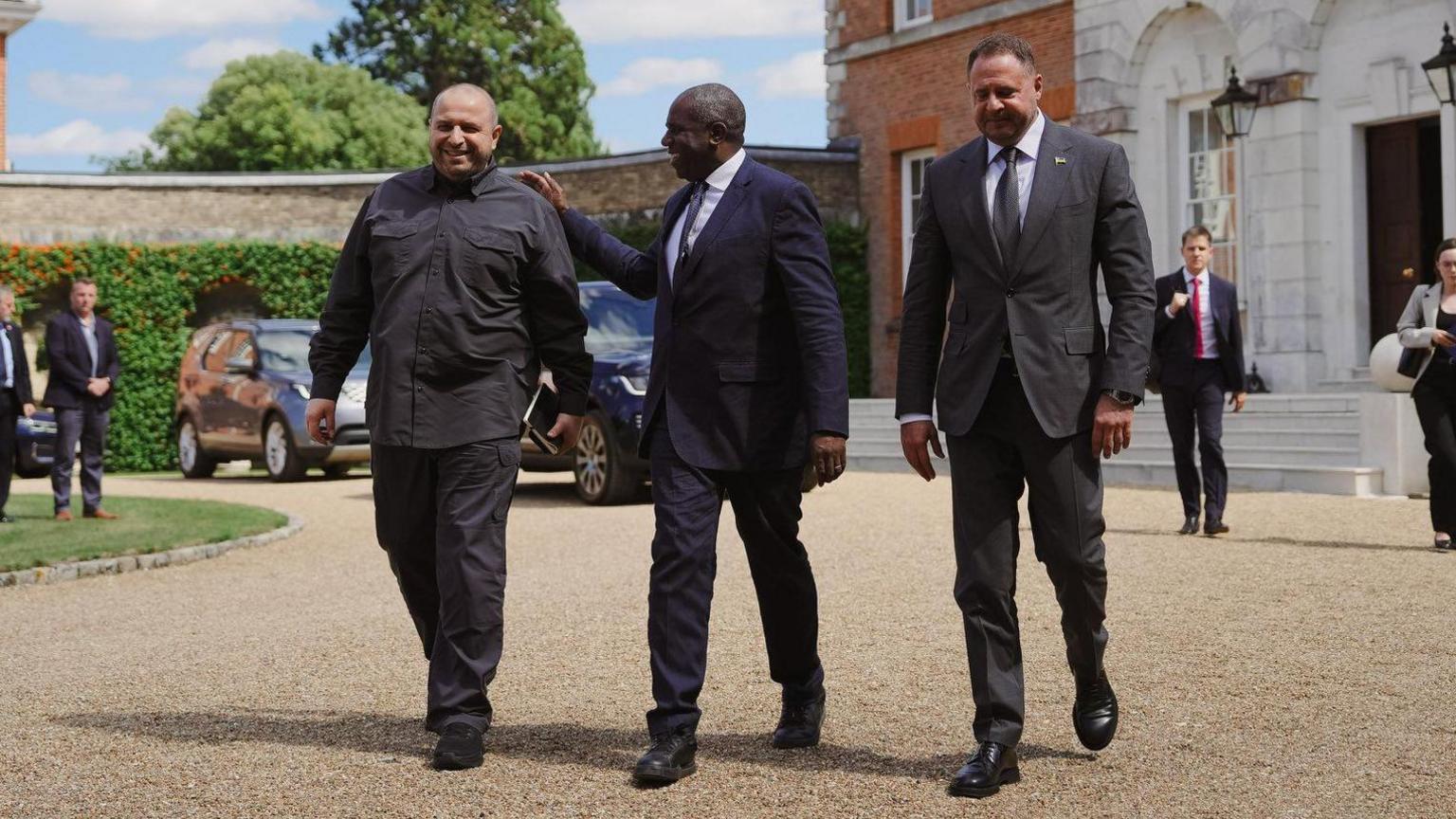
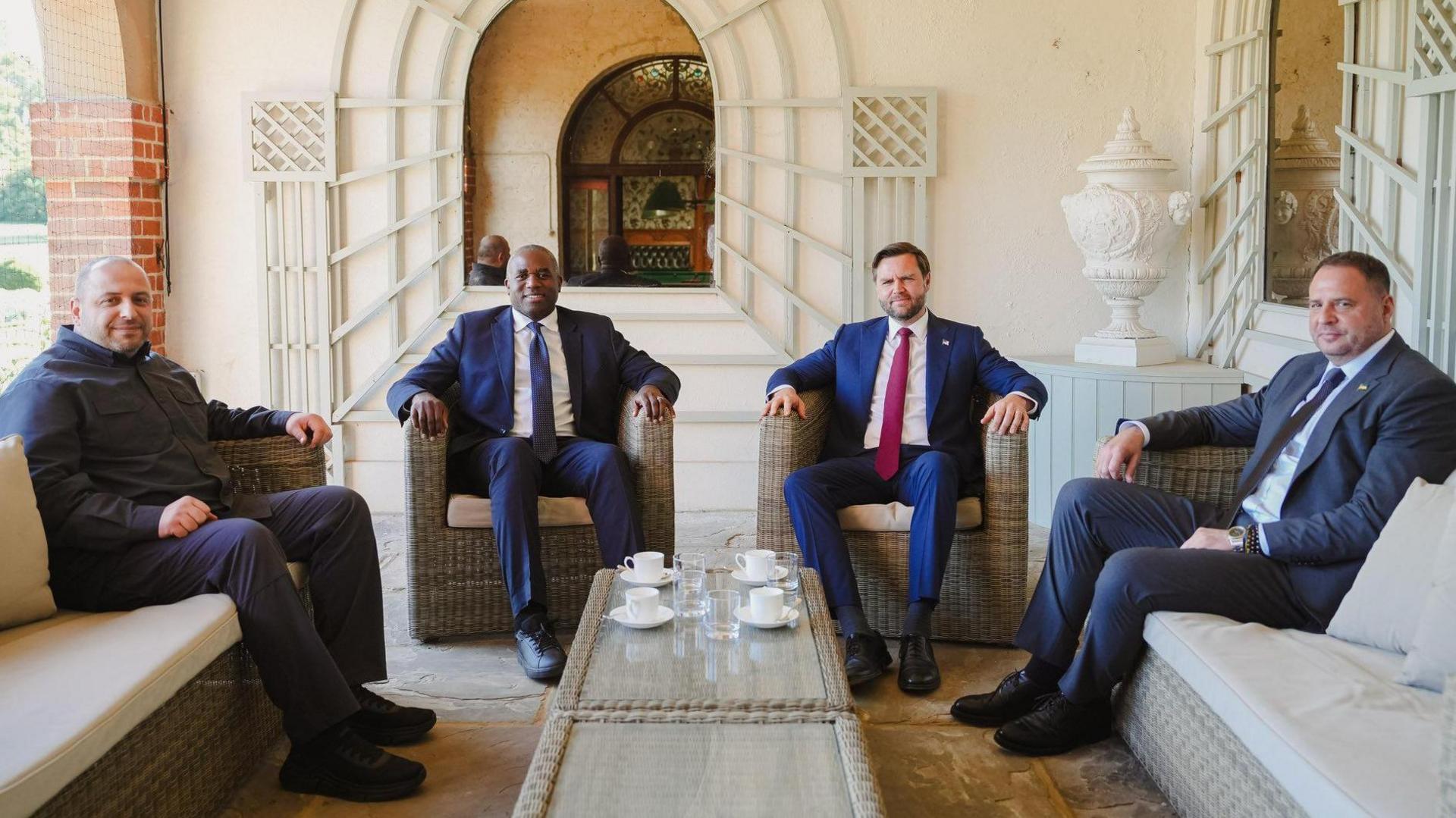
In a significant diplomatic move, US Vice-President JD Vance and UK Foreign Secretary David Lammy convened a meeting with Ukrainian and European officials at Chevening House in Kent to discuss the ongoing conflict in Ukraine. This gathering comes ahead of a pivotal summit between US President Donald Trump and Russian President Vladimir Putin, scheduled for August 15 in Alaska. The meeting aimed to solidify international support for Ukraine and ensure its involvement in any peace negotiations.
Diplomatic Efforts and European Unity
The talks, requested by the US, included key figures such as Rustem Umerov, Ukraine's National Security and Defence Council Secretary, and Andriy Yermak, head of President Zelensky's office. European leaders from France, Germany, Italy, Finland, and Poland, along with NATO representatives, also participated. UK Prime Minister Keir Starmer, in a call with President Zelensky, emphasized the importance of the forum in advancing peace efforts.
European leaders issued a joint statement underscoring that Ukraine's participation is essential in any peace process. "The path to peace in Ukraine cannot be decided without Ukraine," they declared, reaffirming their commitment to Ukraine's sovereignty and territorial integrity.
Trump's Controversial Proposal
President Trump has suggested that resolving the conflict might involve "some swapping of territories," a notion met with strong resistance from Kyiv. Zelensky, in a defiant Telegram post, stated, "Ukrainians will not give their land to the occupier," emphasizing that any decisions excluding Ukraine would be ineffective.
Despite Trump's openness to a trilateral meeting with Putin and Zelensky, the current plan involves a bilateral discussion with Putin, as requested by the Russian leader. The White House has not confirmed whether a trilateral summit will occur.
European Counterproposal
During the Chevening meeting, European representatives presented a counterproposal, insisting on a ceasefire and reciprocal territorial exchanges as prerequisites for further negotiations. This approach aims to ensure that any territorial adjustments are balanced and accompanied by robust security guarantees.
French President Emmanuel Macron highlighted the necessity of Ukraine's involvement in the peace process, stating, "Ukraine’s future cannot be decided without the Ukrainians."
WHAT THIS MIGHT MEAN
As the Trump-Putin summit approaches, the international community remains vigilant about the potential outcomes. If Ukraine is excluded from negotiations, it could lead to increased tensions and undermine the legitimacy of any peace agreement. European leaders are likely to continue advocating for Ukraine's inclusion and may push for additional diplomatic measures to ensure a balanced resolution.
The possibility of territorial concessions remains contentious, with Zelensky's firm stance against ceding land likely to resonate with both domestic and international audiences. The outcome of the Alaska summit could significantly impact the trajectory of the conflict and the broader geopolitical landscape, with potential implications for US-Ukraine relations and European security dynamics.
Images from the Web
Related Articles
Spain's Sánchez Stands Firm Against Trump's Trade Threat Over Iran Stance

UK-Iran Tensions: Starmer Defends Cautious Approach Amid Trump Criticism
Russian LNG Tanker Sinks in Mediterranean Amid Accusations of Ukrainian Drone Attack

UK Faces Dilemmas Amid Iran Conflict and China Spying Allegations
Senate Blocks Resolution to Limit Trump's Military Actions in Iran
Iran Postpones Khamenei Funeral Amid Escalating US-Israeli Strikes
Ukraine Peace Talks: Europe and US Stand Firm on Kyiv's Inclusion
In This Article
 Ethan Brooks| Published
 HIGHLIGHTS
- US Vice-President JD Vance and UK Foreign Secretary David Lammy hosted Ukraine peace talks in Kent, emphasizing support for Ukraine.
- European leaders insist Ukraine must be included in any peace negotiations, rejecting territorial concessions to Russia.
- President Trump and President Putin are set to meet in Alaska, with Trump suggesting potential territorial swaps to end the conflict.
- Ukrainian President Zelensky firmly opposes ceding land, asserting Ukraine's involvement is crucial for any peace deal.
- European allies presented a counterproposal demanding reciprocal territorial exchanges and a ceasefire before further negotiations.
In a significant diplomatic move, US Vice-President JD Vance and UK Foreign Secretary David Lammy convened a meeting with Ukrainian and European officials at Chevening House in Kent to discuss the ongoing conflict in Ukraine. This gathering comes ahead of a pivotal summit between US President Donald Trump and Russian President Vladimir Putin, scheduled for August 15 in Alaska. The meeting aimed to solidify international support for Ukraine and ensure its involvement in any peace negotiations.
Diplomatic Efforts and European Unity
The talks, requested by the US, included key figures such as Rustem Umerov, Ukraine's National Security and Defence Council Secretary, and Andriy Yermak, head of President Zelensky's office. European leaders from France, Germany, Italy, Finland, and Poland, along with NATO representatives, also participated. UK Prime Minister Keir Starmer, in a call with President Zelensky, emphasized the importance of the forum in advancing peace efforts.
European leaders issued a joint statement underscoring that Ukraine's participation is essential in any peace process. "The path to peace in Ukraine cannot be decided without Ukraine," they declared, reaffirming their commitment to Ukraine's sovereignty and territorial integrity.
Trump's Controversial Proposal
President Trump has suggested that resolving the conflict might involve "some swapping of territories," a notion met with strong resistance from Kyiv. Zelensky, in a defiant Telegram post, stated, "Ukrainians will not give their land to the occupier," emphasizing that any decisions excluding Ukraine would be ineffective.
Despite Trump's openness to a trilateral meeting with Putin and Zelensky, the current plan involves a bilateral discussion with Putin, as requested by the Russian leader. The White House has not confirmed whether a trilateral summit will occur.
European Counterproposal
During the Chevening meeting, European representatives presented a counterproposal, insisting on a ceasefire and reciprocal territorial exchanges as prerequisites for further negotiations. This approach aims to ensure that any territorial adjustments are balanced and accompanied by robust security guarantees.
French President Emmanuel Macron highlighted the necessity of Ukraine's involvement in the peace process, stating, "Ukraine’s future cannot be decided without the Ukrainians."
WHAT THIS MIGHT MEAN
As the Trump-Putin summit approaches, the international community remains vigilant about the potential outcomes. If Ukraine is excluded from negotiations, it could lead to increased tensions and undermine the legitimacy of any peace agreement. European leaders are likely to continue advocating for Ukraine's inclusion and may push for additional diplomatic measures to ensure a balanced resolution.
The possibility of territorial concessions remains contentious, with Zelensky's firm stance against ceding land likely to resonate with both domestic and international audiences. The outcome of the Alaska summit could significantly impact the trajectory of the conflict and the broader geopolitical landscape, with potential implications for US-Ukraine relations and European security dynamics.
Images from the Web
Related Articles
Spain's Sánchez Stands Firm Against Trump's Trade Threat Over Iran Stance
UK-Iran Tensions: Starmer Defends Cautious Approach Amid Trump Criticism
Russian LNG Tanker Sinks in Mediterranean Amid Accusations of Ukrainian Drone Attack
UK Faces Dilemmas Amid Iran Conflict and China Spying Allegations
Senate Blocks Resolution to Limit Trump's Military Actions in Iran
Iran Postpones Khamenei Funeral Amid Escalating US-Israeli Strikes