
UK Government Unveils Ambitious Cancer Survival Plan Amid NHS Improvements
In This Article
HIGHLIGHTS
- Shrewsbury and Telford Hospital Trust improved cancer diagnosis times, meeting NHS targets with 86% diagnosed within 28 days.
- The UK government aims for 75% of cancer patients to survive at least five years by 2035, with a £2bn investment in cancer services.
- Current five-year cancer survival rates in the UK are at 60%, lagging behind other developed nations.
- The government plans to meet all cancer waiting time standards by 2029, including the challenging 62-day treatment target.
- Health Secretary Wes Streeting emphasizes the need for significant investment and technological advancements to improve cancer outcomes.
The UK government has announced a comprehensive strategy to significantly improve cancer survival rates by 2035, aiming for three-quarters of patients to survive at least five years post-diagnosis. This ambitious plan comes as the Shrewsbury and Telford Hospital Trust (SaTH) reports notable progress in meeting NHS cancer diagnosis targets.
NHS Trust Achievements
Recent statistics from SaTH reveal that 86% of patients received a cancer diagnosis within 28 days, surpassing the NHS target of 75%. This marks a significant improvement from November's figure of 68.8%. Ned Hobbs, a representative from the trust, attributed this success to increased staffing and concerted efforts to expedite testing and reporting. However, the trust acknowledges the need for further improvements, particularly in meeting the 62-day treatment target, where current performance stands at 70.2%.
Government's Cancer Strategy
In a bid to transform cancer care, the UK government has pledged a £2bn investment to enhance early diagnosis and treatment. Health Secretary Wes Streeting, a kidney cancer survivor, emphasized the critical need for this initiative, stating, "Cancer survival shouldn't come down to who won the lottery of life." The strategy aims to meet all cancer waiting time standards by 2029, including the challenging 62-day target from referral to treatment.
Technological and Diagnostic Advances
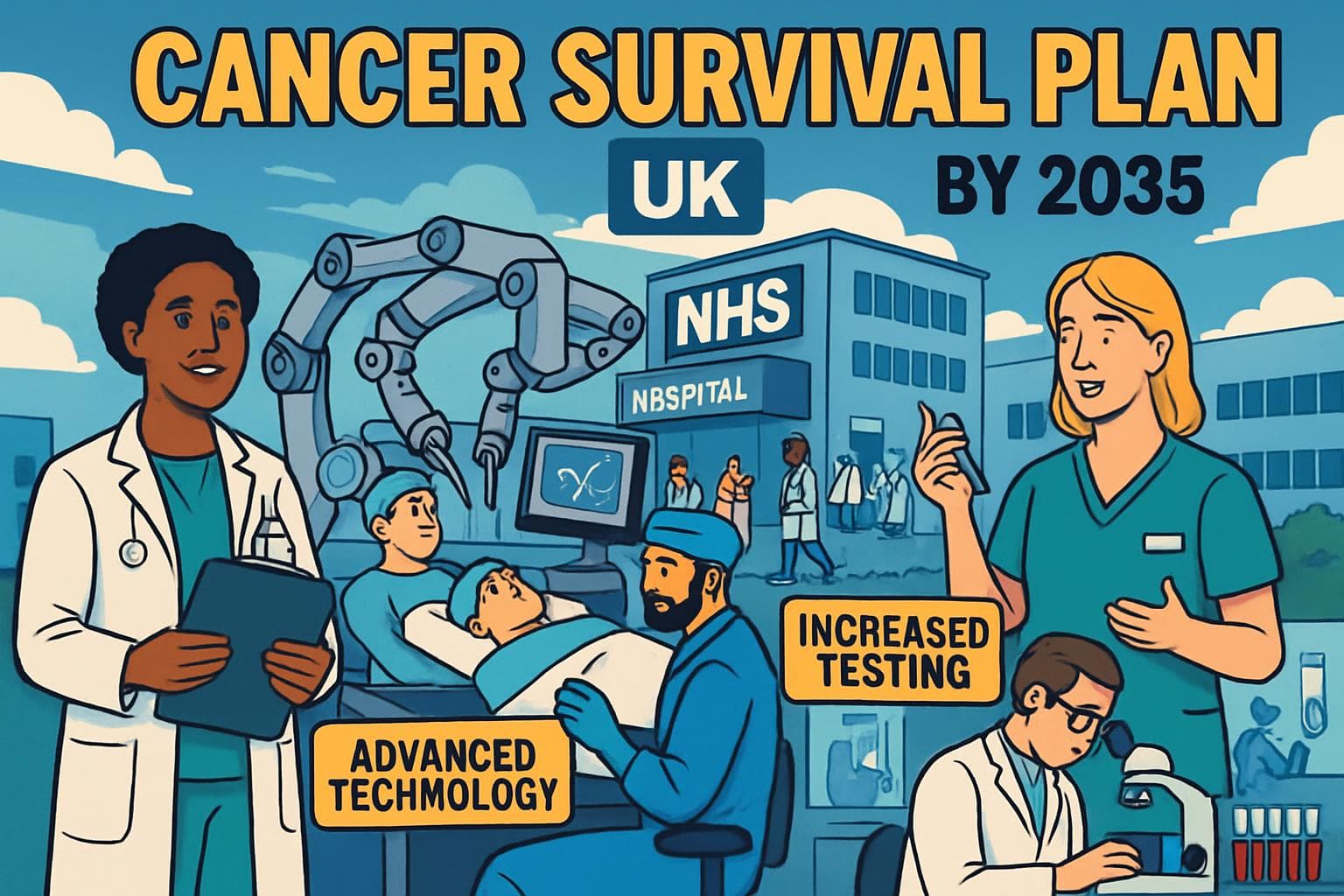
The government's plan includes delivering 9.5 million additional tests and scans by 2029, expanding robotic surgery, and increasing precision treatments like immunotherapy. Community diagnostic centers will extend their operating hours, and targeted screening programs for lung and bowel cancer will be expanded. These measures are expected to save 320,000 lives over the next decade.
Addressing Workforce Challenges
Despite these ambitious goals, experts warn that achieving them will require substantial investment in staffing and resources. The Royal College of Radiologists highlights a 30% shortfall in specialist cancer staff, underscoring the need for workforce expansion to meet rising demand.
WHAT THIS MIGHT MEAN
The government's ambitious cancer strategy, if successfully implemented, could position the UK as a leader in cancer care by 2035. However, achieving these targets will necessitate overcoming significant workforce and resource challenges. The planned £2bn investment and technological advancements are promising, but their effectiveness will depend on timely execution and sustained funding. As the NHS strives to meet these goals, the focus will likely shift towards innovative recruitment strategies and partnerships with private and international healthcare providers to bridge the staffing gap. The success of this initiative could serve as a model for other countries grappling with similar healthcare challenges.
Related Articles
Persistent Safety Concerns in Nottingham Maternity Services Amidst Calls for Systemic Reform

Birmingham's Proactive Approach to Measles Outbreak Offers Lessons for North London

UK Government to Reform Asylum Seeker Support and Employment Policies

Middle East Conflict Drives UK Energy Prices to New Highs

Government Announces £4 Billion Overhaul of SEND Support in England

UK Government Announces Major Overhaul of SEND System with £3.4 Billion Investment
UK Government Unveils Ambitious Cancer Survival Plan Amid NHS Improvements
In This Article
 Maya Singh| Published
 HIGHLIGHTS
- Shrewsbury and Telford Hospital Trust improved cancer diagnosis times, meeting NHS targets with 86% diagnosed within 28 days.
- The UK government aims for 75% of cancer patients to survive at least five years by 2035, with a £2bn investment in cancer services.
- Current five-year cancer survival rates in the UK are at 60%, lagging behind other developed nations.
- The government plans to meet all cancer waiting time standards by 2029, including the challenging 62-day treatment target.
- Health Secretary Wes Streeting emphasizes the need for significant investment and technological advancements to improve cancer outcomes.
The UK government has announced a comprehensive strategy to significantly improve cancer survival rates by 2035, aiming for three-quarters of patients to survive at least five years post-diagnosis. This ambitious plan comes as the Shrewsbury and Telford Hospital Trust (SaTH) reports notable progress in meeting NHS cancer diagnosis targets.
NHS Trust Achievements
Recent statistics from SaTH reveal that 86% of patients received a cancer diagnosis within 28 days, surpassing the NHS target of 75%. This marks a significant improvement from November's figure of 68.8%. Ned Hobbs, a representative from the trust, attributed this success to increased staffing and concerted efforts to expedite testing and reporting. However, the trust acknowledges the need for further improvements, particularly in meeting the 62-day treatment target, where current performance stands at 70.2%.
Government's Cancer Strategy
In a bid to transform cancer care, the UK government has pledged a £2bn investment to enhance early diagnosis and treatment. Health Secretary Wes Streeting, a kidney cancer survivor, emphasized the critical need for this initiative, stating, "Cancer survival shouldn't come down to who won the lottery of life." The strategy aims to meet all cancer waiting time standards by 2029, including the challenging 62-day target from referral to treatment.
Technological and Diagnostic Advances
The government's plan includes delivering 9.5 million additional tests and scans by 2029, expanding robotic surgery, and increasing precision treatments like immunotherapy. Community diagnostic centers will extend their operating hours, and targeted screening programs for lung and bowel cancer will be expanded. These measures are expected to save 320,000 lives over the next decade.
Addressing Workforce Challenges
Despite these ambitious goals, experts warn that achieving them will require substantial investment in staffing and resources. The Royal College of Radiologists highlights a 30% shortfall in specialist cancer staff, underscoring the need for workforce expansion to meet rising demand.
WHAT THIS MIGHT MEAN
The government's ambitious cancer strategy, if successfully implemented, could position the UK as a leader in cancer care by 2035. However, achieving these targets will necessitate overcoming significant workforce and resource challenges. The planned £2bn investment and technological advancements are promising, but their effectiveness will depend on timely execution and sustained funding. As the NHS strives to meet these goals, the focus will likely shift towards innovative recruitment strategies and partnerships with private and international healthcare providers to bridge the staffing gap. The success of this initiative could serve as a model for other countries grappling with similar healthcare challenges.
Related Articles
Persistent Safety Concerns in Nottingham Maternity Services Amidst Calls for Systemic Reform
Birmingham's Proactive Approach to Measles Outbreak Offers Lessons for North London
UK Government to Reform Asylum Seeker Support and Employment Policies
Middle East Conflict Drives UK Energy Prices to New Highs
Government Announces £4 Billion Overhaul of SEND Support in England
UK Government Announces Major Overhaul of SEND System with £3.4 Billion Investment