
UN Takes Control of Syria's Al-Hol Camp Amid Rising Tensions
In This Article
HIGHLIGHTS
- The UN has assumed control of the al-Hol camp in Syria after Kurdish forces withdrew amid Syrian government advances.
- Syrian forces have established a security perimeter around the camp, but conditions remain tense and humanitarian aid is suspended.
- The US has begun transferring up to 7,000 suspected IS fighters from Syria to Iraq, with 150 detainees already moved.
- Rights groups warn that detainees, including British nationals, risk torture and execution without fair trials.
- The Syrian government supports the US operation, while the UN and others call for the repatriation of foreign IS suspects.
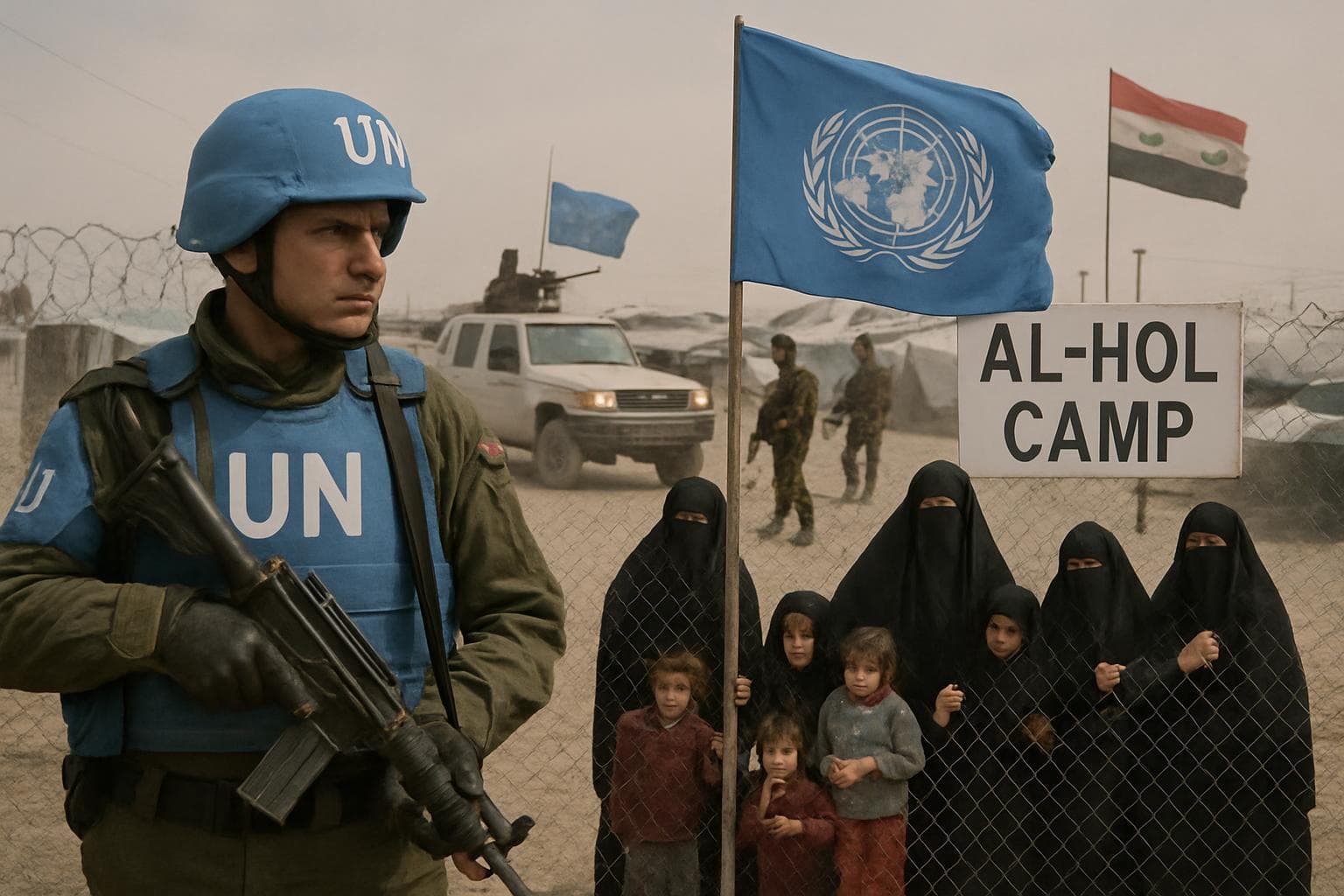
The United Nations has taken over the management of the al-Hol camp in northeastern Syria, a facility housing thousands of individuals with alleged ties to the Islamic State (IS). This development follows the withdrawal of Kurdish-led forces, who retreated in the face of advancing Syrian government troops, leading to unrest and the suspension of humanitarian operations.
Transition of Control
The Syrian government, having recently regained control over much of the region, has established a security perimeter around the camp. UN official Edem Wosornu briefed the Security Council, confirming that the UNHCR is now responsible for camp management and is working with Syrian authorities to restore humanitarian access. Despite these efforts, UN spokesman Stéphane Dujarric described the situation as "tense and volatile," with aid operations still on hold.
US and Iraqi Involvement
In a parallel move, the United States has initiated the transfer of up to 7,000 suspected IS fighters from Syrian prisons to Iraq. US Central Command confirmed that 150 detainees have already been relocated to a secure location across the border. Iraqi authorities have pledged to prosecute these individuals under Iraqi law, with Iraq's deputy UN ambassador, Mohammed Sahib Mejid Marzooq, emphasizing the need for international support to prevent Iraq from bearing the burden alone.
Human Rights Concerns
Rights organizations have expressed alarm over the potential for detainees to face severe abuses, including torture and execution, without due process. The Reprieve charity highlighted the presence of up to ten British men among those transferred, urging the UK government to intervene. The charity also noted that around 55 to 60 British nationals, mostly children, remain detained in the region.
Calls for Repatriation
The Kurdish-led Syrian Democratic Forces, along with the US and UN, have long advocated for the repatriation of foreign IS suspects and their families, citing the dire conditions in the camps and prisons. However, many countries have been reluctant to take back their nationals, leaving the situation unresolved.
WHAT THIS MIGHT MEAN
The UN's intervention at al-Hol camp marks a significant shift in the management of IS detainees in Syria, but the path forward remains fraught with challenges. The Syrian government's increased control over the region could lead to further consolidation of power, potentially impacting the stability of the area. Meanwhile, the US-led transfer of detainees to Iraq raises questions about the long-term handling of IS suspects and the potential for human rights violations.
As the international community grapples with these developments, the call for repatriation of foreign IS suspects grows louder. The reluctance of many countries to accept their nationals back complicates efforts to resolve the humanitarian crisis. Moving forward, diplomatic engagement and international cooperation will be crucial in addressing the complex legal and ethical issues surrounding the detention and prosecution of IS affiliates.
Related Articles

US and Israel Intensify Military Campaign as Iran's Capabilities Dwindle

Canada Calls for De-escalation Amid US-Israel Strikes on Iran

US-Iran Tensions Escalate Amid Renewed Nuclear Talks and Protests

China Sets Lowest GDP Growth Target in Decades Amid Economic Challenges

Breakthrough Drug Offers Hope for Children with Severe Epilepsy

Cuba Faces Widespread Blackout Amid Deepening Fuel Crisis
UN Takes Control of Syria's Al-Hol Camp Amid Rising Tensions
In This Article
 James Okoro| Published
 HIGHLIGHTS
- The UN has assumed control of the al-Hol camp in Syria after Kurdish forces withdrew amid Syrian government advances.
- Syrian forces have established a security perimeter around the camp, but conditions remain tense and humanitarian aid is suspended.
- The US has begun transferring up to 7,000 suspected IS fighters from Syria to Iraq, with 150 detainees already moved.
- Rights groups warn that detainees, including British nationals, risk torture and execution without fair trials.
- The Syrian government supports the US operation, while the UN and others call for the repatriation of foreign IS suspects.
The United Nations has taken over the management of the al-Hol camp in northeastern Syria, a facility housing thousands of individuals with alleged ties to the Islamic State (IS). This development follows the withdrawal of Kurdish-led forces, who retreated in the face of advancing Syrian government troops, leading to unrest and the suspension of humanitarian operations.
Transition of Control
The Syrian government, having recently regained control over much of the region, has established a security perimeter around the camp. UN official Edem Wosornu briefed the Security Council, confirming that the UNHCR is now responsible for camp management and is working with Syrian authorities to restore humanitarian access. Despite these efforts, UN spokesman Stéphane Dujarric described the situation as "tense and volatile," with aid operations still on hold.
US and Iraqi Involvement
In a parallel move, the United States has initiated the transfer of up to 7,000 suspected IS fighters from Syrian prisons to Iraq. US Central Command confirmed that 150 detainees have already been relocated to a secure location across the border. Iraqi authorities have pledged to prosecute these individuals under Iraqi law, with Iraq's deputy UN ambassador, Mohammed Sahib Mejid Marzooq, emphasizing the need for international support to prevent Iraq from bearing the burden alone.
Human Rights Concerns
Rights organizations have expressed alarm over the potential for detainees to face severe abuses, including torture and execution, without due process. The Reprieve charity highlighted the presence of up to ten British men among those transferred, urging the UK government to intervene. The charity also noted that around 55 to 60 British nationals, mostly children, remain detained in the region.
Calls for Repatriation
The Kurdish-led Syrian Democratic Forces, along with the US and UN, have long advocated for the repatriation of foreign IS suspects and their families, citing the dire conditions in the camps and prisons. However, many countries have been reluctant to take back their nationals, leaving the situation unresolved.
WHAT THIS MIGHT MEAN
The UN's intervention at al-Hol camp marks a significant shift in the management of IS detainees in Syria, but the path forward remains fraught with challenges. The Syrian government's increased control over the region could lead to further consolidation of power, potentially impacting the stability of the area. Meanwhile, the US-led transfer of detainees to Iraq raises questions about the long-term handling of IS suspects and the potential for human rights violations.
As the international community grapples with these developments, the call for repatriation of foreign IS suspects grows louder. The reluctance of many countries to accept their nationals back complicates efforts to resolve the humanitarian crisis. Moving forward, diplomatic engagement and international cooperation will be crucial in addressing the complex legal and ethical issues surrounding the detention and prosecution of IS affiliates.
Related Articles
US and Israel Intensify Military Campaign as Iran's Capabilities Dwindle
Canada Calls for De-escalation Amid US-Israel Strikes on Iran
US-Iran Tensions Escalate Amid Renewed Nuclear Talks and Protests
China Sets Lowest GDP Growth Target in Decades Amid Economic Challenges
Breakthrough Drug Offers Hope for Children with Severe Epilepsy
Cuba Faces Widespread Blackout Amid Deepening Fuel Crisis