
US Airstrikes on Iran: A Turning Point in Middle East Tensions
In This Article
HIGHLIGHTS
- The US has conducted airstrikes on Iranian nuclear sites, joining Israel's efforts to dismantle Iran's nuclear program.
- Israeli Prime Minister Netanyahu praised US President Trump for the military intervention, which he believes changes the conflict's trajectory.
- US lawmakers are divided, with some demanding congressional approval for military actions, citing the War Powers Resolution.
- Iran's options for retaliation are limited, with threats to target US ships and bases, but its deterrent capacity has been weakened.
- The conflict's escalation depends on Iran's response and potential involvement of regional militias allied with Tehran.
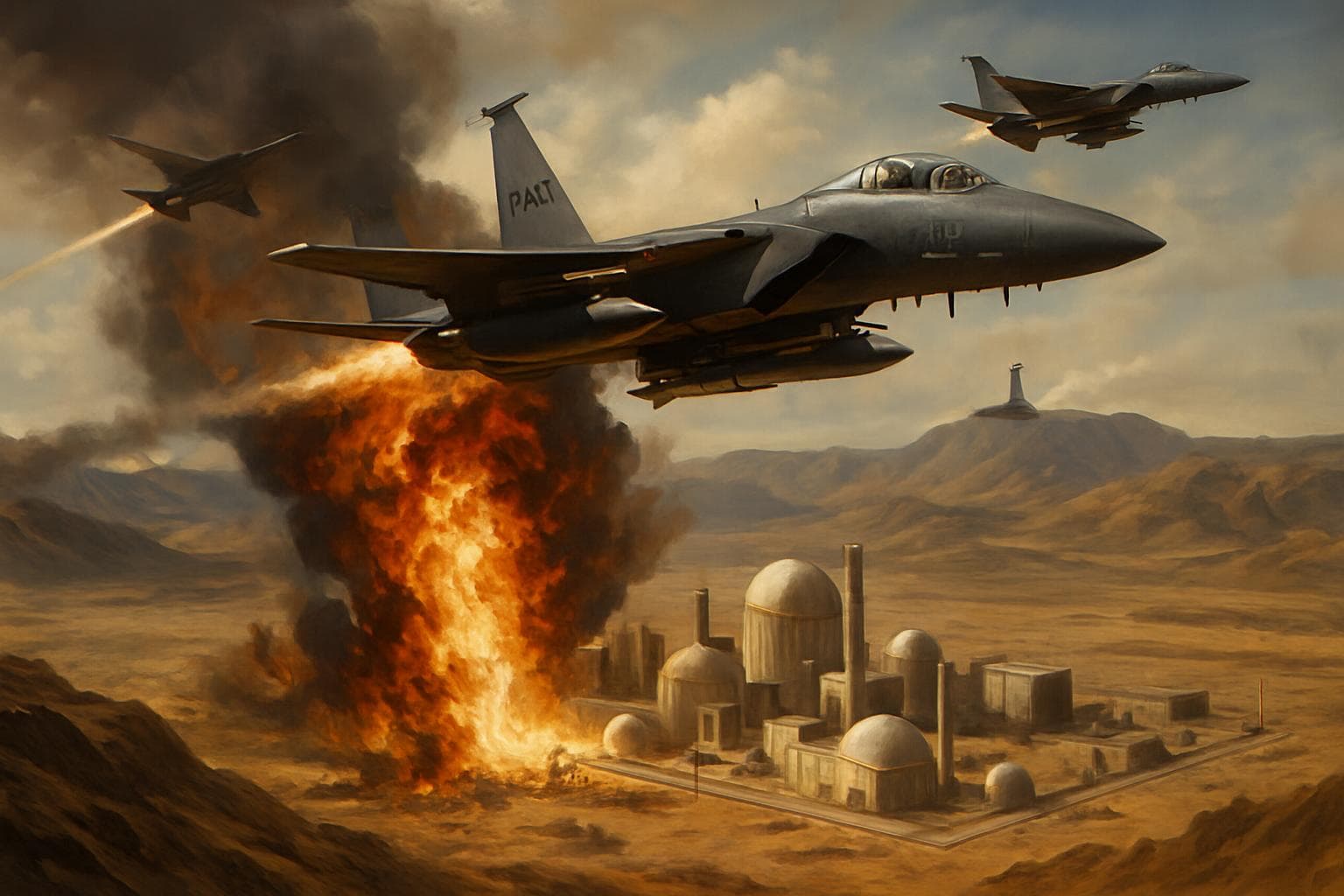
In a significant escalation of Middle East tensions, the United States has launched airstrikes on Iranian nuclear sites, aligning with Israel's ongoing military campaign against Iran's nuclear program. The strikes, announced by President Donald Trump, targeted three key nuclear facilities, marking a decisive shift in US involvement in the conflict.
Netanyahu's Triumph and US Involvement
Israeli Prime Minister Benjamin Netanyahu, a long-time advocate for US military intervention against Iran, expressed his gratitude to President Trump for the bold decision. Netanyahu, who has consistently viewed Iran as a major threat to Israel, believes this move could alter the course of the conflict. Despite Israel's claims of self-sufficiency in dealing with the Iranian threat, it was widely acknowledged that only the US possessed the necessary firepower to penetrate Iran's heavily fortified nuclear sites.
Political Reactions and Legal Concerns
The US airstrikes have sparked a mixed reaction among American lawmakers, highlighting deep political divisions. Progressive Democrat Ro Khanna and Republican Thomas Massie have called for a congressional vote on military actions, invoking the War Powers Resolution. This law requires congressional approval for military engagements, a point emphasized by Senate Minority Leader Chuck Schumer, who urged an immediate Senate vote.
Iran's Limited Retaliation Options
Iran, which had warned against US involvement, now faces limited options for retaliation. While Iranian officials have threatened to target US military bases and ships, recent Israeli strikes have diminished Iran's long-range missile capabilities. Nevertheless, Iran retains a network of regional militias, such as Hezbollah and the Houthis, which could potentially escalate the conflict.
Potential for Escalation
The future of the US-Iran conflict hinges on Iran's response and the potential involvement of its regional allies. The US has taken precautions, dispersing its naval presence and strengthening air defenses. However, any aggressive move by Iran could trigger a broader US military response, further destabilizing the region.
WHAT THIS MIGHT MEAN
The recent US airstrikes on Iran's nuclear sites could lead to several potential outcomes. If Iran chooses to retaliate, it may target US military assets in the region, risking a broader conflict. The involvement of Iranian-backed militias could further complicate the situation, drawing in additional regional players. Politically, the US administration may face increased pressure from Congress to justify its actions and seek formal authorization for continued military involvement. As tensions simmer, diplomatic efforts may emerge as a crucial avenue to prevent further escalation and seek a peaceful resolution to the conflict.
Related Articles
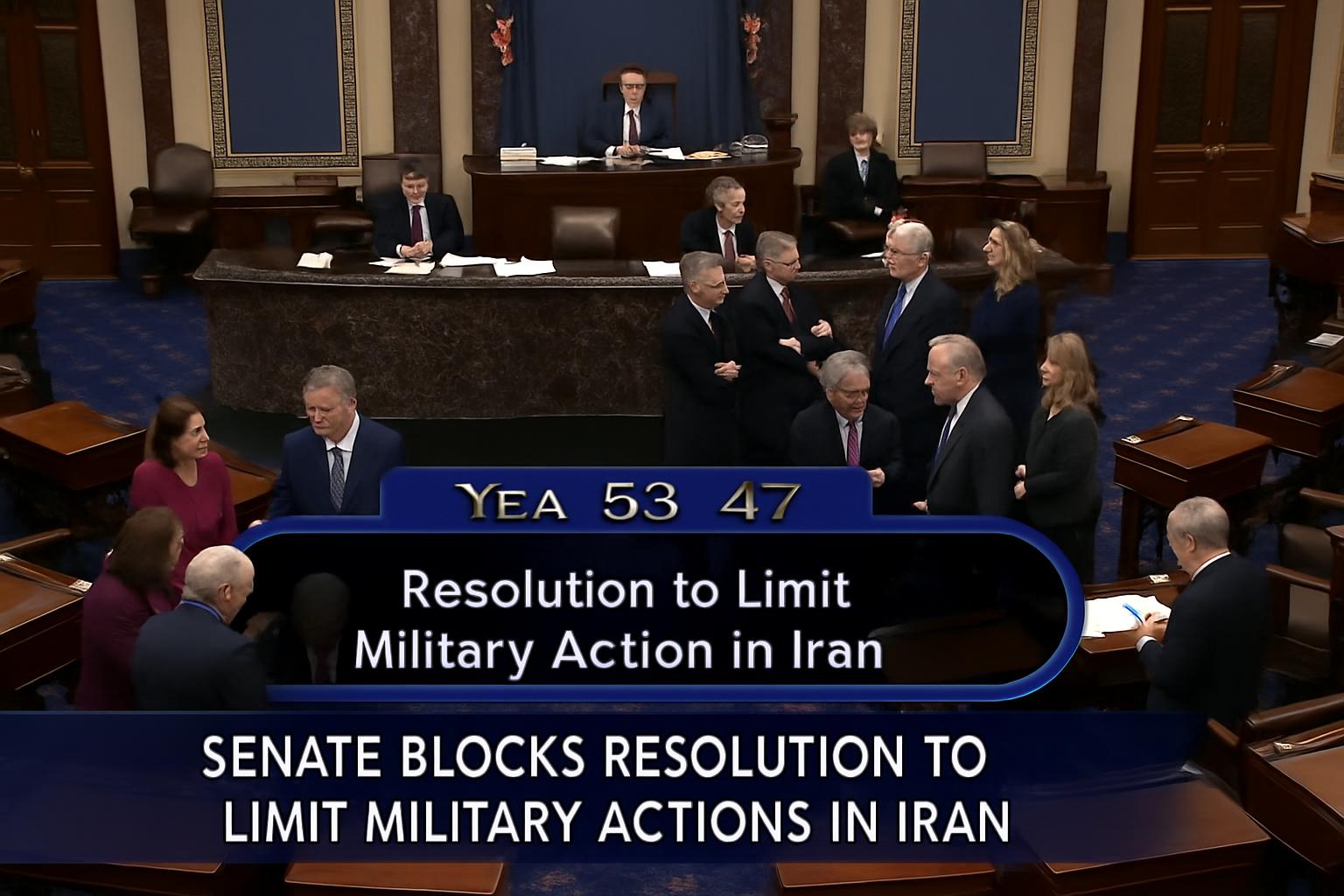
Senate Blocks Resolution to Limit Trump's Military Actions in Iran
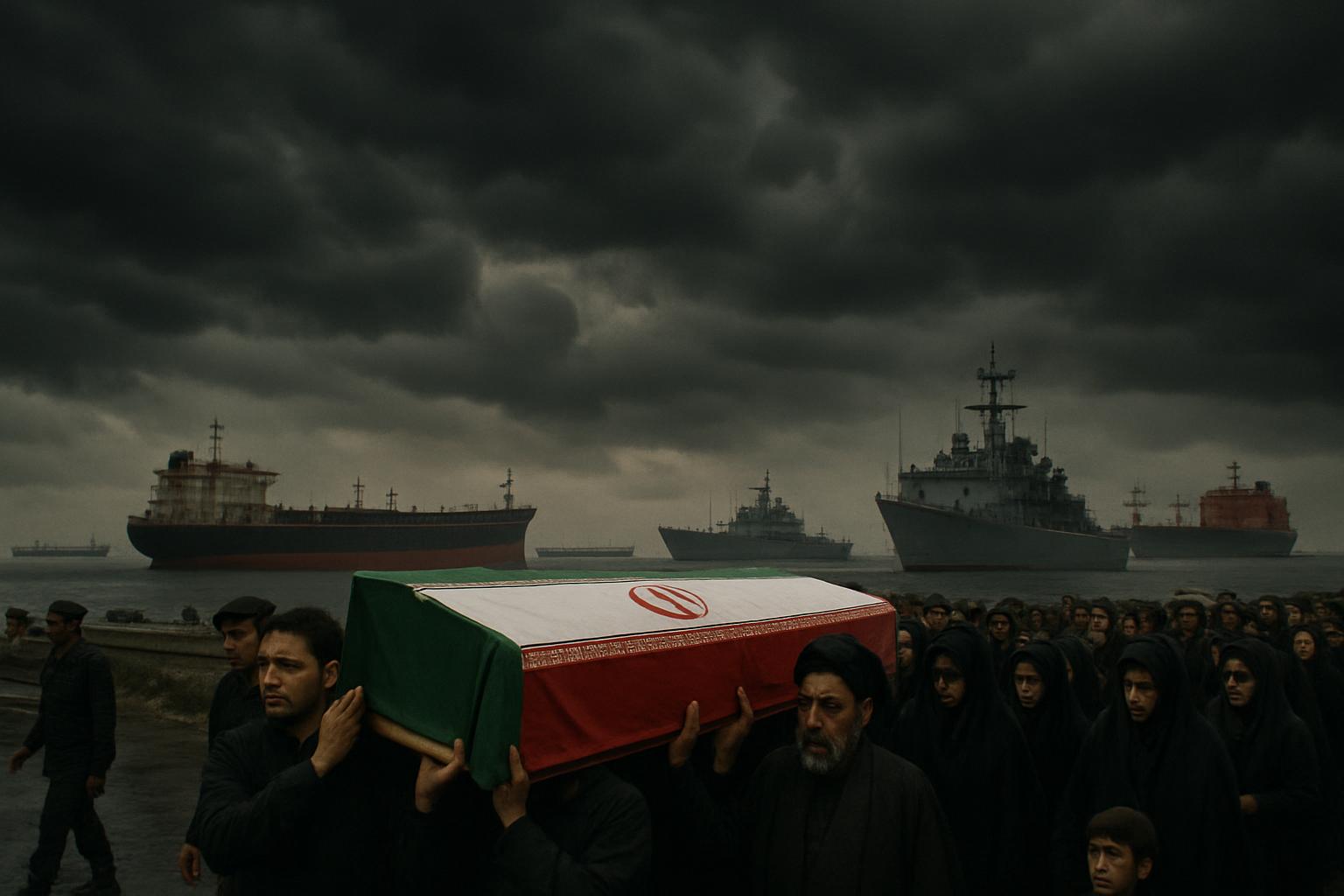
Iran Postpones Khamenei Funeral Amid Escalating US-Israeli Strikes

UK Faces Dilemmas Amid Iran Conflict and China Spying Allegations
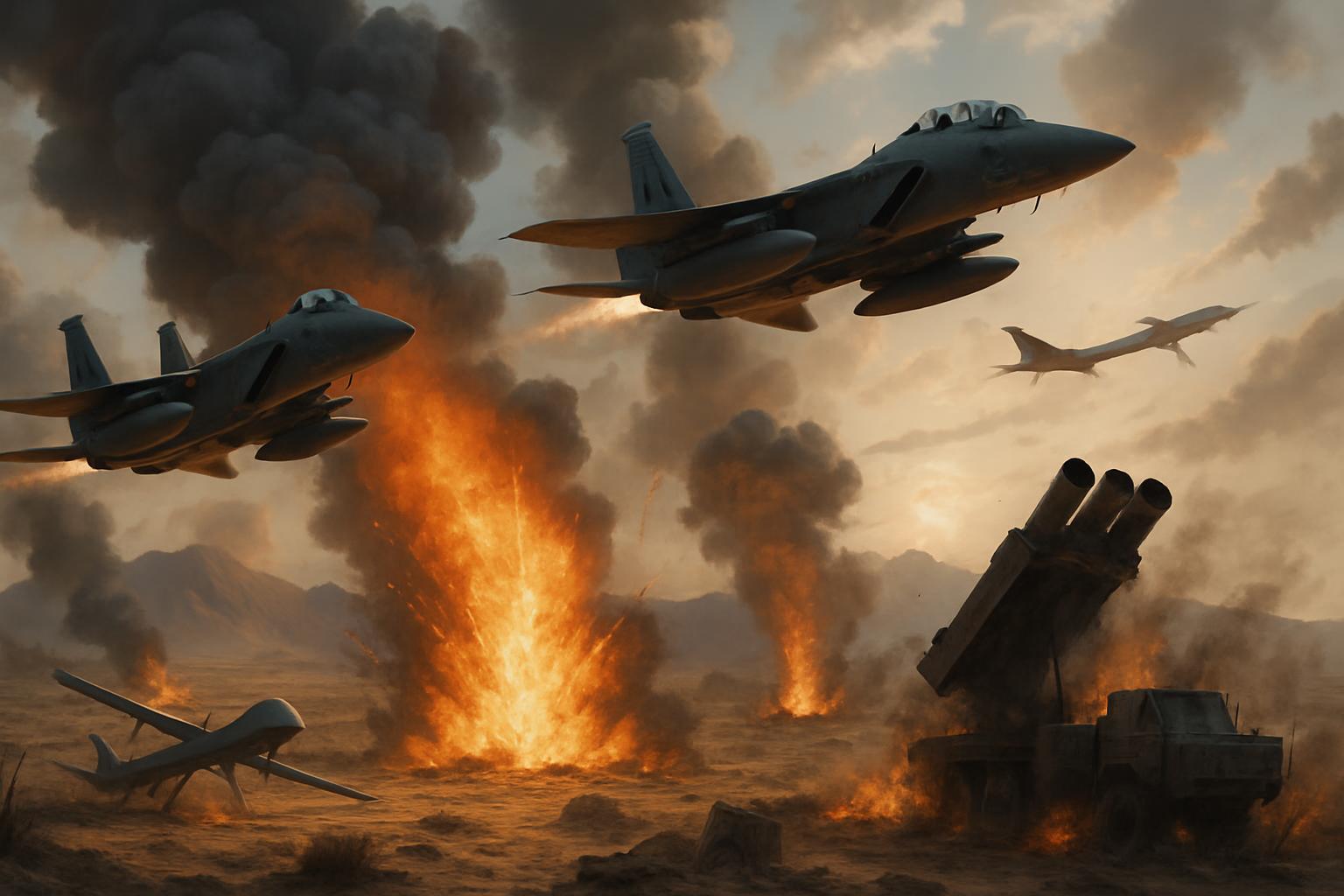
US and Israel Intensify Military Campaign as Iran's Capabilities Dwindle
Intensified US-Israel Strikes on Iran Spark Global Outcry

Spain's Sánchez Stands Firm Against Trump's Trade Threat Over Iran Stance
US Airstrikes on Iran: A Turning Point in Middle East Tensions
In This Article
 Ethan Brooks| Published
 HIGHLIGHTS
- The US has conducted airstrikes on Iranian nuclear sites, joining Israel's efforts to dismantle Iran's nuclear program.
- Israeli Prime Minister Netanyahu praised US President Trump for the military intervention, which he believes changes the conflict's trajectory.
- US lawmakers are divided, with some demanding congressional approval for military actions, citing the War Powers Resolution.
- Iran's options for retaliation are limited, with threats to target US ships and bases, but its deterrent capacity has been weakened.
- The conflict's escalation depends on Iran's response and potential involvement of regional militias allied with Tehran.
In a significant escalation of Middle East tensions, the United States has launched airstrikes on Iranian nuclear sites, aligning with Israel's ongoing military campaign against Iran's nuclear program. The strikes, announced by President Donald Trump, targeted three key nuclear facilities, marking a decisive shift in US involvement in the conflict.
Netanyahu's Triumph and US Involvement
Israeli Prime Minister Benjamin Netanyahu, a long-time advocate for US military intervention against Iran, expressed his gratitude to President Trump for the bold decision. Netanyahu, who has consistently viewed Iran as a major threat to Israel, believes this move could alter the course of the conflict. Despite Israel's claims of self-sufficiency in dealing with the Iranian threat, it was widely acknowledged that only the US possessed the necessary firepower to penetrate Iran's heavily fortified nuclear sites.
Political Reactions and Legal Concerns
The US airstrikes have sparked a mixed reaction among American lawmakers, highlighting deep political divisions. Progressive Democrat Ro Khanna and Republican Thomas Massie have called for a congressional vote on military actions, invoking the War Powers Resolution. This law requires congressional approval for military engagements, a point emphasized by Senate Minority Leader Chuck Schumer, who urged an immediate Senate vote.
Iran's Limited Retaliation Options
Iran, which had warned against US involvement, now faces limited options for retaliation. While Iranian officials have threatened to target US military bases and ships, recent Israeli strikes have diminished Iran's long-range missile capabilities. Nevertheless, Iran retains a network of regional militias, such as Hezbollah and the Houthis, which could potentially escalate the conflict.
Potential for Escalation
The future of the US-Iran conflict hinges on Iran's response and the potential involvement of its regional allies. The US has taken precautions, dispersing its naval presence and strengthening air defenses. However, any aggressive move by Iran could trigger a broader US military response, further destabilizing the region.
WHAT THIS MIGHT MEAN
The recent US airstrikes on Iran's nuclear sites could lead to several potential outcomes. If Iran chooses to retaliate, it may target US military assets in the region, risking a broader conflict. The involvement of Iranian-backed militias could further complicate the situation, drawing in additional regional players. Politically, the US administration may face increased pressure from Congress to justify its actions and seek formal authorization for continued military involvement. As tensions simmer, diplomatic efforts may emerge as a crucial avenue to prevent further escalation and seek a peaceful resolution to the conflict.
Related Articles
Senate Blocks Resolution to Limit Trump's Military Actions in Iran
Iran Postpones Khamenei Funeral Amid Escalating US-Israeli Strikes
UK Faces Dilemmas Amid Iran Conflict and China Spying Allegations
US and Israel Intensify Military Campaign as Iran's Capabilities Dwindle
Intensified US-Israel Strikes on Iran Spark Global Outcry
Spain's Sánchez Stands Firm Against Trump's Trade Threat Over Iran Stance