
US Allies Break with Trump Over Palestinian State Recognition Amid Gaza Crisis
In This Article
HIGHLIGHTS
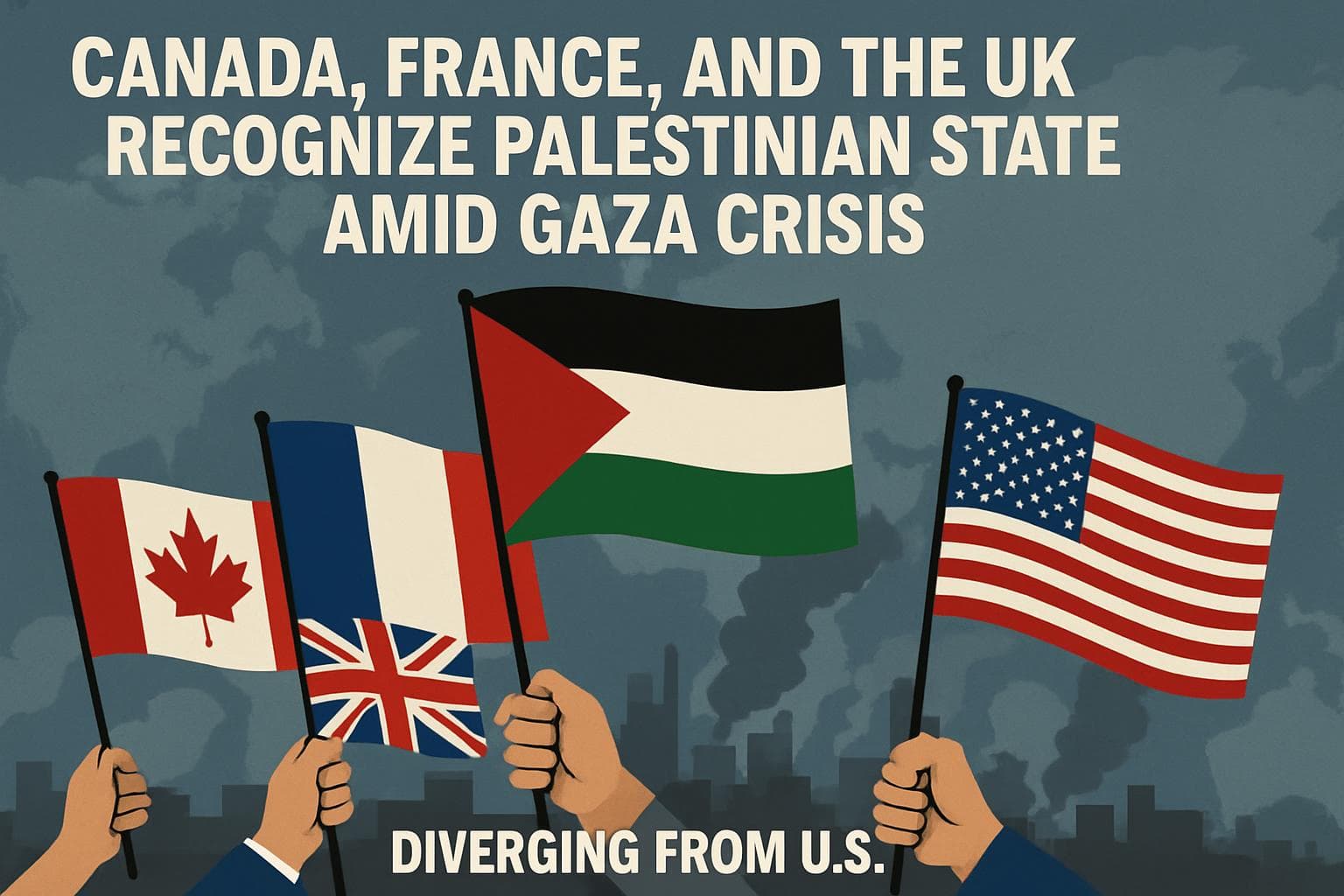
- Canada, France, and the UK plan to recognize a Palestinian state, diverging from the US stance under Trump.
- US Secretary of State Anthony Blinken outlined principles for Gaza's future, which were dismissed by the Trump administration.
- Trump criticized UK Prime Minister Keir Starmer's plan to recognize Palestine, calling it a reward for Hamas.
- The Trump administration boycotted a UN conference led by France and Saudi Arabia, viewing it as anti-Israel.
- Trump's comments on Gaza's humanitarian crisis contrast with Israeli Prime Minister Netanyahu's statements.
In a significant diplomatic shift, Canada, France, and the UK have announced plans to recognize a Palestinian state, marking a departure from the United States' current stance under President Donald Trump. This divergence comes amid ongoing tensions in the Gaza Strip following the October 7, 2023, Hamas attacks and subsequent Israeli military operations.
Diplomatic Tensions and Policy Divergence
The US Secretary of State, Anthony Blinken, had previously articulated a set of principles for Gaza's future during a G7 meeting in Tokyo. These principles included no forcible displacement of Palestinians, no Israeli re-occupation of Gaza, and a Palestinian-led governance structure excluding Hamas. However, these ideas were swiftly dismissed by the Trump administration, which has maintained a firm pro-Israel stance.
The Trump administration's approach has been met with criticism from traditional allies. At a recent United Nations conference led by France and Saudi Arabia, the US was notably absent, with State Department spokeswoman Tammy Bruce labeling the event a "publicity stunt." The conference aimed to revive discussions around the two-state solution, a concept that has gained renewed support from several US allies.
Trump's Response to International Developments
President Trump has openly criticized UK Prime Minister Keir Starmer's pledge to recognize a Palestinian state, arguing that it rewards Hamas. This criticism comes despite Trump's earlier, more neutral stance during a meeting with Starmer in Scotland. Trump's comments align with the US State Department's view that such recognition undermines the victims of the recent Hamas attacks.
Meanwhile, Trump's remarks on the humanitarian situation in Gaza have sparked further debate. Contradicting Israeli Prime Minister Benjamin Netanyahu's claims that there is no starvation in Gaza, Trump acknowledged the severe food shortages, stating, "Those children look pretty hungry to me."
Growing Domestic and International Pressure
Within the US, there is growing dissent among Trump's supporters regarding Israel's actions in Gaza. Prominent figures like Steve Bannon have noted a shift in sentiment, particularly among younger Americans, who are increasingly critical of Israel's conduct.
WHAT THIS MIGHT MEAN
The divergence between the US and its allies over Palestinian state recognition could lead to a realignment of diplomatic relations in the Middle East. If Canada, France, and the UK proceed with their plans, it may pressure the US to reconsider its stance, especially if public opinion continues to shift domestically.
The humanitarian crisis in Gaza remains a critical issue. Trump's acknowledgment of the situation may influence US policy, potentially leading to increased humanitarian aid or diplomatic interventions. However, without a clear long-term strategy from the Trump administration, the path to lasting peace in the region remains uncertain.
As international pressure mounts, the US may face challenges in maintaining its traditional alliances while balancing domestic political considerations. The evolving dynamics could reshape the landscape of Middle East diplomacy in the coming months.
Images from the Web
Related Articles

UK Faces Dilemmas Amid Iran Conflict and China Spying Allegations

Intensified US-Israel Strikes on Iran Spark Global Outcry
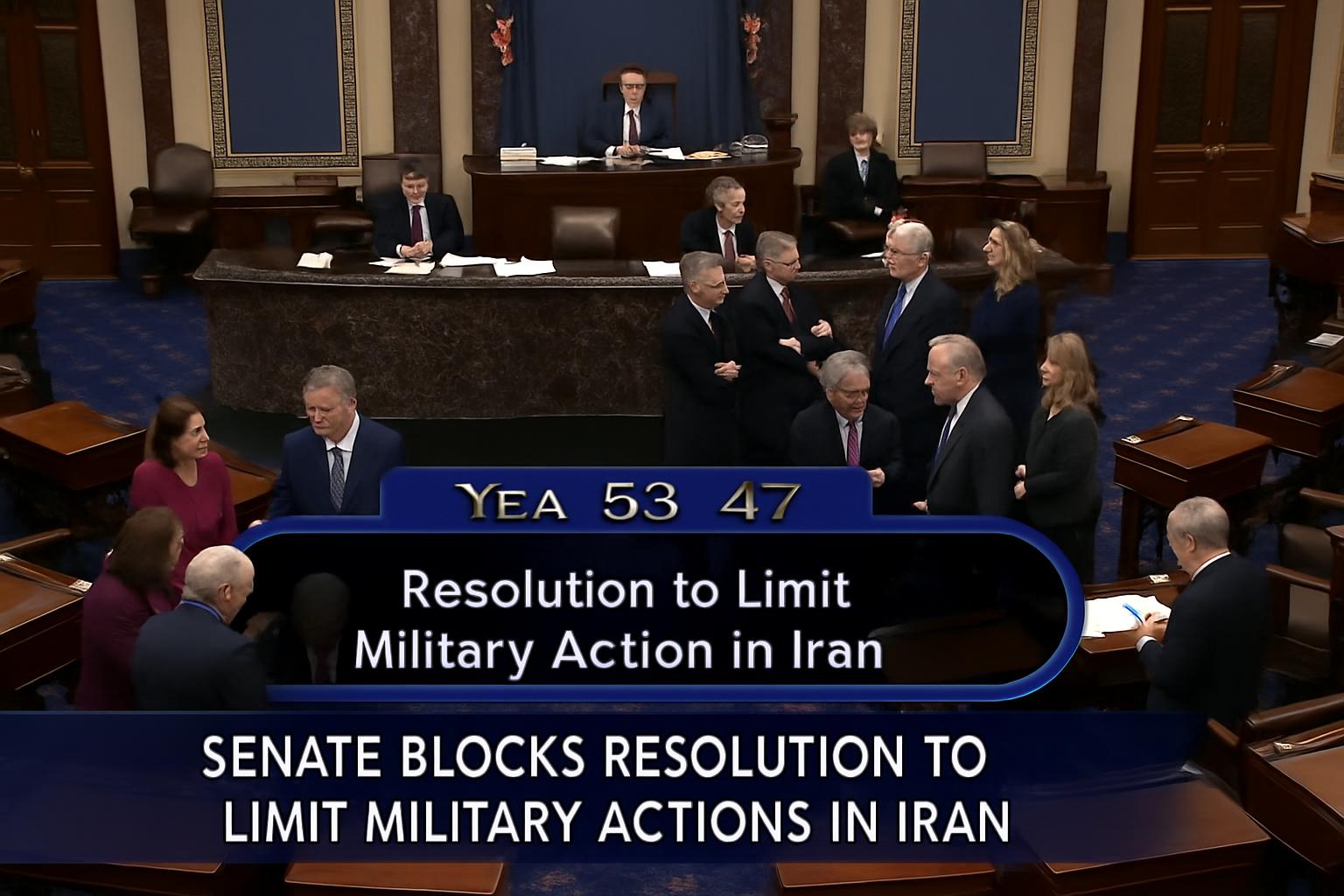
Senate Blocks Resolution to Limit Trump's Military Actions in Iran
US and Israel Intensify Military Campaign as Iran's Capabilities Dwindle
Canada and Australia Forge Strategic Partnership Amid Global Uncertainty
Tech Giants Pledge to Cover AI Data Center Energy Costs Amid Rising Electricity Concerns
US Allies Break with Trump Over Palestinian State Recognition Amid Gaza Crisis
In This Article
 Ethan Brooks| Published
 HIGHLIGHTS
- Canada, France, and the UK plan to recognize a Palestinian state, diverging from the US stance under Trump.
- US Secretary of State Anthony Blinken outlined principles for Gaza's future, which were dismissed by the Trump administration.
- Trump criticized UK Prime Minister Keir Starmer's plan to recognize Palestine, calling it a reward for Hamas.
- The Trump administration boycotted a UN conference led by France and Saudi Arabia, viewing it as anti-Israel.
- Trump's comments on Gaza's humanitarian crisis contrast with Israeli Prime Minister Netanyahu's statements.
In a significant diplomatic shift, Canada, France, and the UK have announced plans to recognize a Palestinian state, marking a departure from the United States' current stance under President Donald Trump. This divergence comes amid ongoing tensions in the Gaza Strip following the October 7, 2023, Hamas attacks and subsequent Israeli military operations.
Diplomatic Tensions and Policy Divergence
The US Secretary of State, Anthony Blinken, had previously articulated a set of principles for Gaza's future during a G7 meeting in Tokyo. These principles included no forcible displacement of Palestinians, no Israeli re-occupation of Gaza, and a Palestinian-led governance structure excluding Hamas. However, these ideas were swiftly dismissed by the Trump administration, which has maintained a firm pro-Israel stance.
The Trump administration's approach has been met with criticism from traditional allies. At a recent United Nations conference led by France and Saudi Arabia, the US was notably absent, with State Department spokeswoman Tammy Bruce labeling the event a "publicity stunt." The conference aimed to revive discussions around the two-state solution, a concept that has gained renewed support from several US allies.
Trump's Response to International Developments
President Trump has openly criticized UK Prime Minister Keir Starmer's pledge to recognize a Palestinian state, arguing that it rewards Hamas. This criticism comes despite Trump's earlier, more neutral stance during a meeting with Starmer in Scotland. Trump's comments align with the US State Department's view that such recognition undermines the victims of the recent Hamas attacks.
Meanwhile, Trump's remarks on the humanitarian situation in Gaza have sparked further debate. Contradicting Israeli Prime Minister Benjamin Netanyahu's claims that there is no starvation in Gaza, Trump acknowledged the severe food shortages, stating, "Those children look pretty hungry to me."
Growing Domestic and International Pressure
Within the US, there is growing dissent among Trump's supporters regarding Israel's actions in Gaza. Prominent figures like Steve Bannon have noted a shift in sentiment, particularly among younger Americans, who are increasingly critical of Israel's conduct.
WHAT THIS MIGHT MEAN
The divergence between the US and its allies over Palestinian state recognition could lead to a realignment of diplomatic relations in the Middle East. If Canada, France, and the UK proceed with their plans, it may pressure the US to reconsider its stance, especially if public opinion continues to shift domestically.
The humanitarian crisis in Gaza remains a critical issue. Trump's acknowledgment of the situation may influence US policy, potentially leading to increased humanitarian aid or diplomatic interventions. However, without a clear long-term strategy from the Trump administration, the path to lasting peace in the region remains uncertain.
As international pressure mounts, the US may face challenges in maintaining its traditional alliances while balancing domestic political considerations. The evolving dynamics could reshape the landscape of Middle East diplomacy in the coming months.
Images from the Web
Related Articles
UK Faces Dilemmas Amid Iran Conflict and China Spying Allegations
Intensified US-Israel Strikes on Iran Spark Global Outcry
Senate Blocks Resolution to Limit Trump's Military Actions in Iran
US and Israel Intensify Military Campaign as Iran's Capabilities Dwindle
Canada and Australia Forge Strategic Partnership Amid Global Uncertainty
Tech Giants Pledge to Cover AI Data Center Energy Costs Amid Rising Electricity Concerns