
US Military and Allies Launch Major Strikes Against Islamic State in Syria
In This Article
HIGHLIGHTS
- The US and allied forces conducted large-scale strikes against Islamic State targets in Syria on Saturday, as part of Operation Hawkeye Strike.
- The strikes were a response to a December 13 attack by IS in Palmyra that killed two US soldiers and a civilian interpreter.
- Over 90 precision munitions were used against more than 35 targets, involving over 20 aircraft, including US and Jordanian forces.
- The operation follows earlier missions that killed or captured nearly 25 IS members between December 20 and 29.
- The US military aims to combat terrorism and protect its forces, with President Trump emphasizing a strong stance against IS threats.
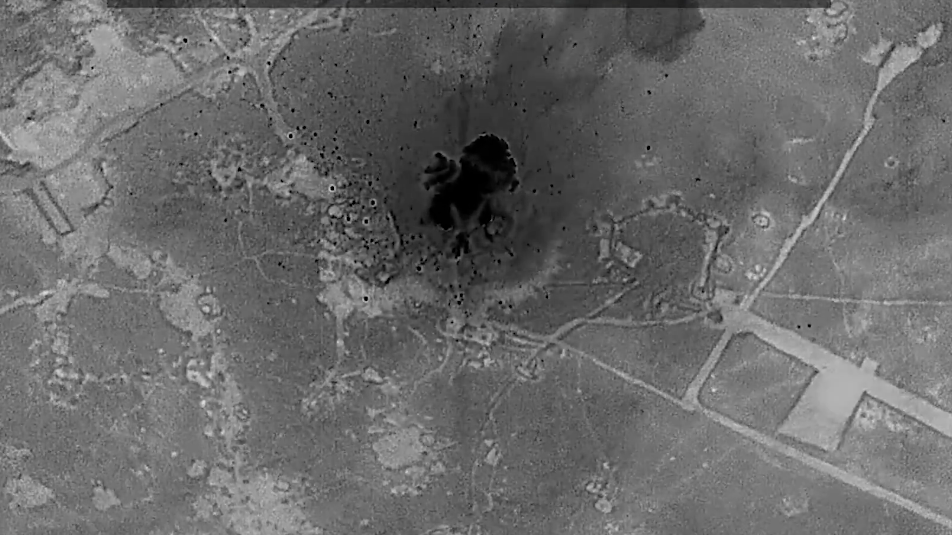
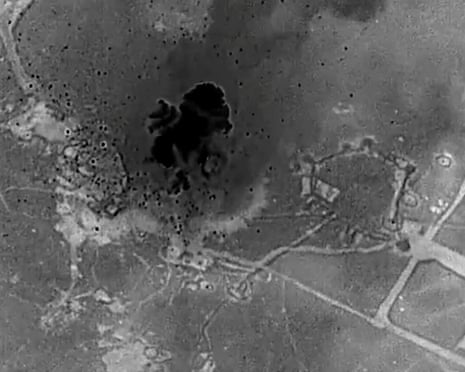
In a decisive military action, the United States and its allies launched extensive strikes against Islamic State (IS) targets in Syria on Saturday. This operation, named Operation Hawkeye Strike, was initiated in response to a deadly attack by IS on December 13 in Palmyra, which resulted in the deaths of two US soldiers and a US civilian interpreter.
Retaliatory Strikes Following Palmyra Attack
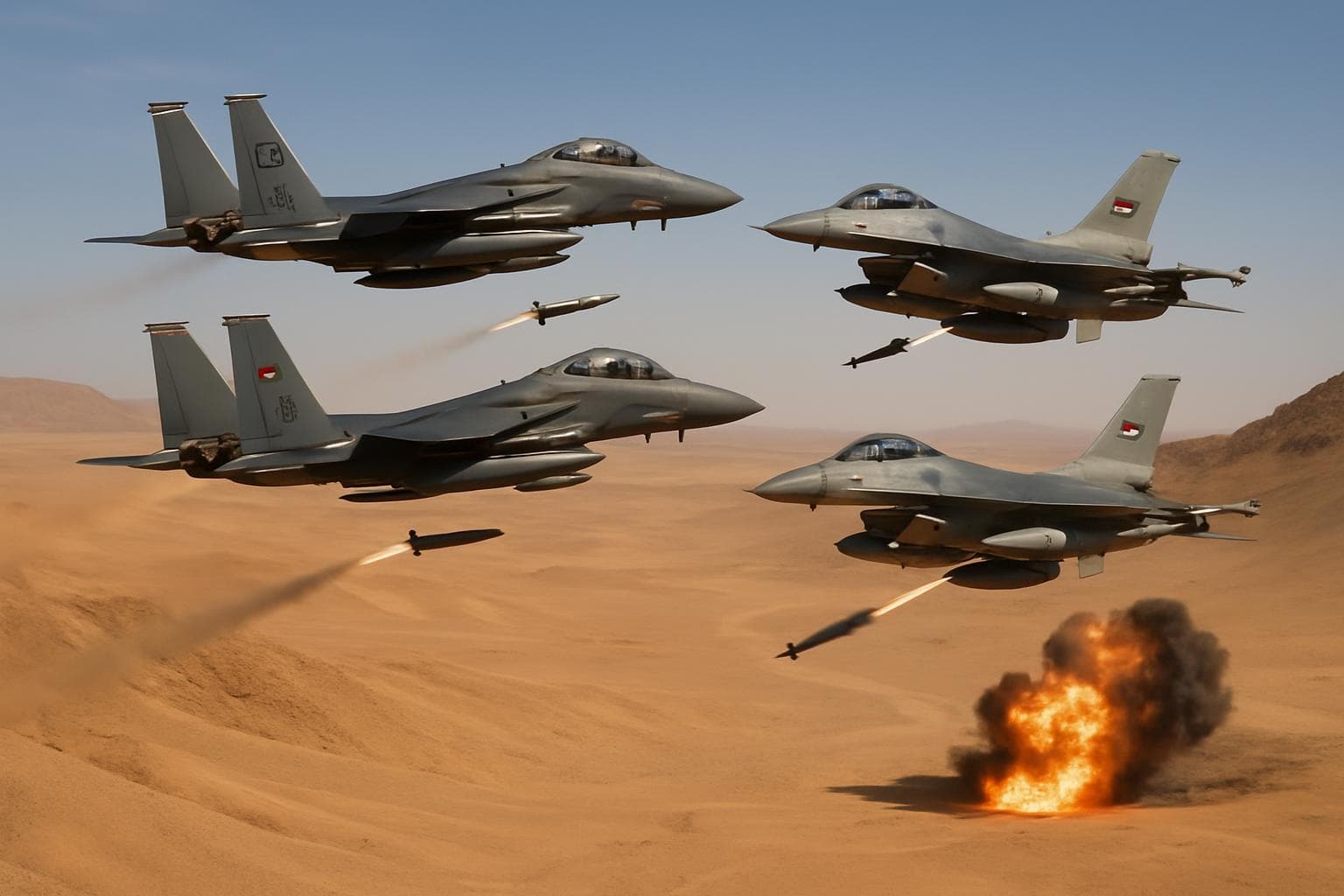
The US Central Command (Centcom) confirmed the strikes, highlighting their objective to dismantle IS capabilities and safeguard US and partner forces in the region. "Our message remains strong: if you harm our warfighters, we will find you and kill you anywhere in the world," Centcom stated. The operation involved over 20 aircraft, including F-15Es, A-10s, AC-130Js, MQ-9s, and Jordanian F-16s, and deployed more than 90 precision munitions against 35 targets.
Operation Hawkeye Strike: A Broader Campaign
Operation Hawkeye Strike was first announced in December following the Palmyra attack. Prior to the latest strikes, US forces had already conducted 11 missions, killing or capturing nearly 25 IS members. The initial mission on December 19 saw US and Jordanian forces targeting over 70 IS sites across central Syria, employing more than 100 precision munitions.
Context and Ongoing Threat
Syria remains a volatile region following the fall of President Bashar al-Assad's regime in December 2024. Although IS has been significantly weakened, it continues to pose a threat, particularly in the north-east. The US, under President Donald Trump's administration, has maintained a firm stance on combating terrorism, despite earlier skepticism about US military presence in Syria.
WHAT THIS MIGHT MEAN
The recent strikes underscore the ongoing commitment of the US and its allies to counter IS threats in Syria. As Operation Hawkeye Strike progresses, the focus will likely remain on dismantling IS infrastructure and preventing future attacks. The political implications of these actions could influence US foreign policy, particularly regarding military presence in the Middle East. Experts suggest that continued international cooperation will be crucial in stabilizing the region and ensuring long-term security.
Images from the Web
Related Articles
US and Israel Intensify Military Campaign as Iran's Capabilities Dwindle
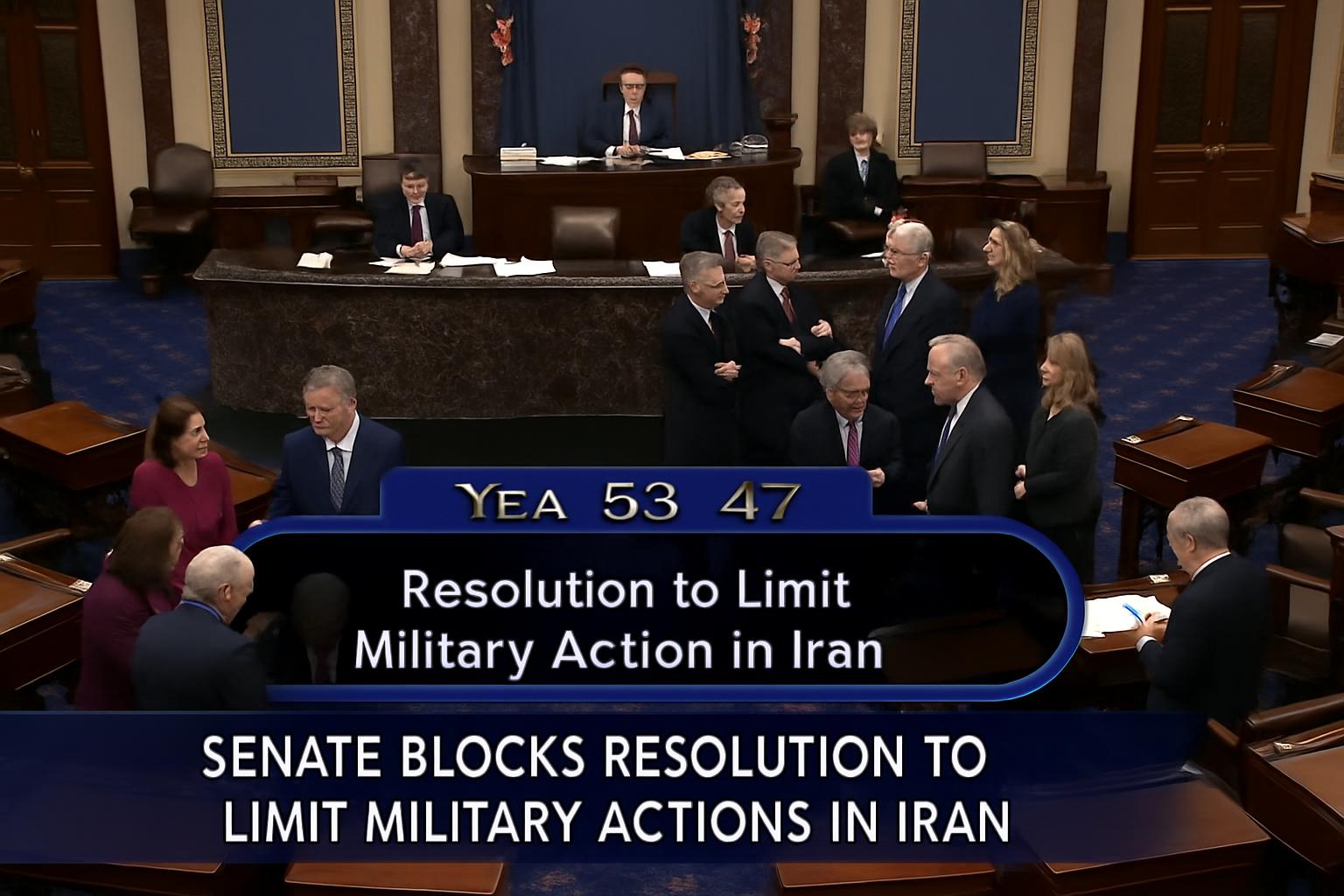
Senate Blocks Resolution to Limit Trump's Military Actions in Iran
Spain's Sánchez Stands Firm Against Trump's Trade Threat Over Iran Stance
Iran Postpones Khamenei Funeral Amid Escalating US-Israeli Strikes

Congress Subpoenas Attorney General Bondi in Epstein Investigation
Cuba Faces Widespread Blackout Amid Deepening Fuel Crisis
US Military and Allies Launch Major Strikes Against Islamic State in Syria
In This Article
 Ethan Brooks| Published
 HIGHLIGHTS
- The US and allied forces conducted large-scale strikes against Islamic State targets in Syria on Saturday, as part of Operation Hawkeye Strike.
- The strikes were a response to a December 13 attack by IS in Palmyra that killed two US soldiers and a civilian interpreter.
- Over 90 precision munitions were used against more than 35 targets, involving over 20 aircraft, including US and Jordanian forces.
- The operation follows earlier missions that killed or captured nearly 25 IS members between December 20 and 29.
- The US military aims to combat terrorism and protect its forces, with President Trump emphasizing a strong stance against IS threats.
In a decisive military action, the United States and its allies launched extensive strikes against Islamic State (IS) targets in Syria on Saturday. This operation, named Operation Hawkeye Strike, was initiated in response to a deadly attack by IS on December 13 in Palmyra, which resulted in the deaths of two US soldiers and a US civilian interpreter.
Retaliatory Strikes Following Palmyra Attack
The US Central Command (Centcom) confirmed the strikes, highlighting their objective to dismantle IS capabilities and safeguard US and partner forces in the region. "Our message remains strong: if you harm our warfighters, we will find you and kill you anywhere in the world," Centcom stated. The operation involved over 20 aircraft, including F-15Es, A-10s, AC-130Js, MQ-9s, and Jordanian F-16s, and deployed more than 90 precision munitions against 35 targets.
Operation Hawkeye Strike: A Broader Campaign
Operation Hawkeye Strike was first announced in December following the Palmyra attack. Prior to the latest strikes, US forces had already conducted 11 missions, killing or capturing nearly 25 IS members. The initial mission on December 19 saw US and Jordanian forces targeting over 70 IS sites across central Syria, employing more than 100 precision munitions.
Context and Ongoing Threat
Syria remains a volatile region following the fall of President Bashar al-Assad's regime in December 2024. Although IS has been significantly weakened, it continues to pose a threat, particularly in the north-east. The US, under President Donald Trump's administration, has maintained a firm stance on combating terrorism, despite earlier skepticism about US military presence in Syria.
WHAT THIS MIGHT MEAN
The recent strikes underscore the ongoing commitment of the US and its allies to counter IS threats in Syria. As Operation Hawkeye Strike progresses, the focus will likely remain on dismantling IS infrastructure and preventing future attacks. The political implications of these actions could influence US foreign policy, particularly regarding military presence in the Middle East. Experts suggest that continued international cooperation will be crucial in stabilizing the region and ensuring long-term security.
Images from the Web
Related Articles
US and Israel Intensify Military Campaign as Iran's Capabilities Dwindle
Senate Blocks Resolution to Limit Trump's Military Actions in Iran
Spain's Sánchez Stands Firm Against Trump's Trade Threat Over Iran Stance
Iran Postpones Khamenei Funeral Amid Escalating US-Israeli Strikes
Congress Subpoenas Attorney General Bondi in Epstein Investigation
Cuba Faces Widespread Blackout Amid Deepening Fuel Crisis