
US Arms Sale to Taiwan Sparks Tensions with China
In This Article
HIGHLIGHTS
- The Trump administration announced an arms sale to Taiwan valued at over $11 billion, including advanced rocket systems and missiles.
- The package, pending US Congress approval, marks the second arms sale to Taiwan since Trump's return to office.
- China criticized the sale, claiming it undermines regional stability and violates diplomatic agreements.
- Taiwan's defense ministry welcomed the deal, emphasizing its role in enhancing the island's deterrence capabilities.
- The US maintains formal diplomatic ties with Beijing but remains Taiwan's largest arms supplier, complicating US-China relations.
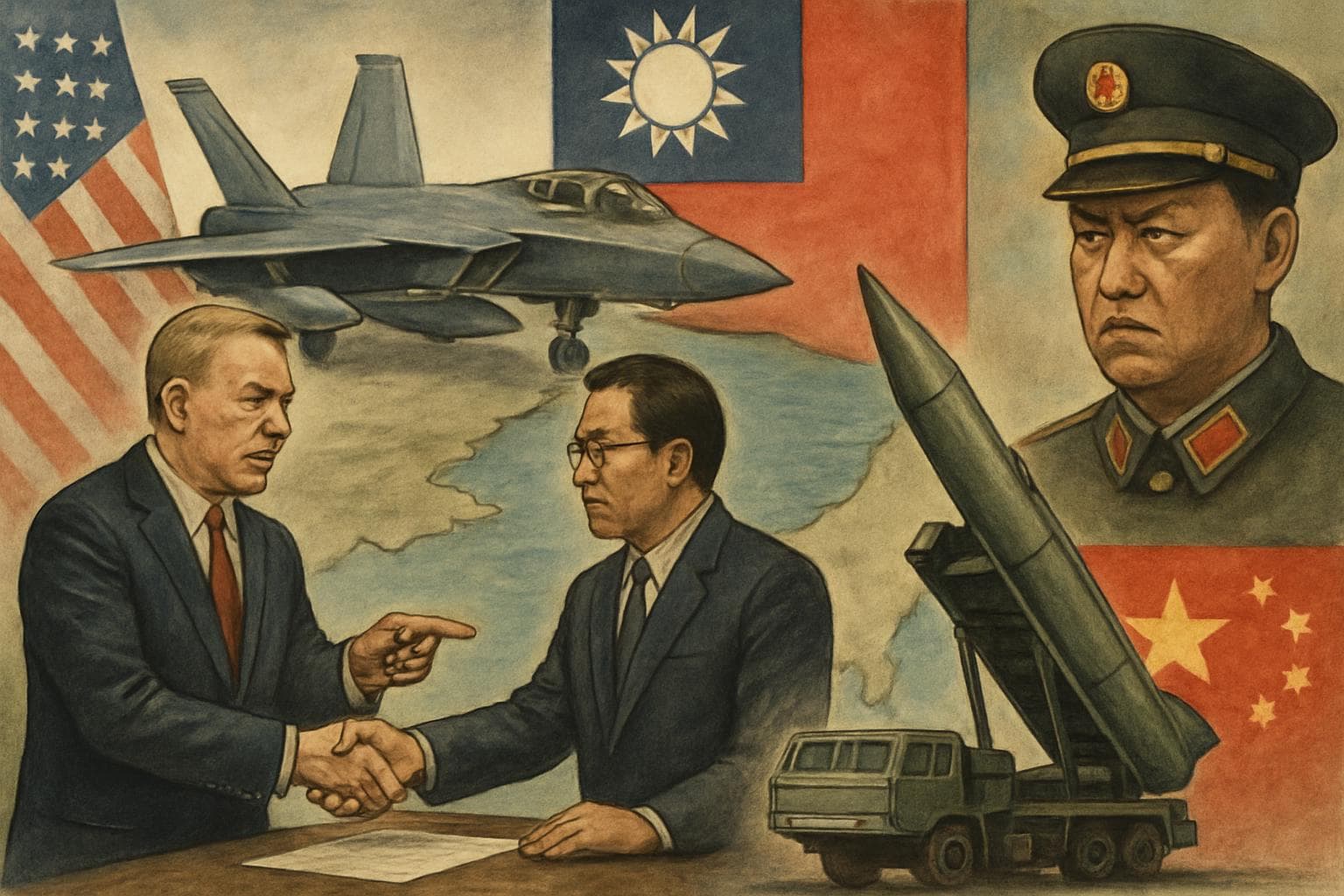
The Trump administration has unveiled a significant arms sale to Taiwan, valued at over $11 billion, which includes advanced rocket launchers, self-propelled howitzers, and a variety of missiles. This announcement, made late Wednesday by the US Defense Security Cooperation Agency, marks the second such deal since Donald Trump resumed office in January. The package, which still requires approval from the US Congress, underscores the ongoing complexities in US-China relations, particularly concerning Taiwan.
Details of the Arms Package
The proposed arms sale includes 82 High Mobility Artillery Rocket Systems (Himars) and 420 Army Tactical Missile Systems (Atacms), valued at over $4 billion. Additionally, the package features 60 self-propelled howitzer systems and related equipment, also worth more than $4 billion, alongside drones and military software exceeding $1 billion. Other components include Javelin and Tow missiles, helicopter spare parts, and refurbishment kits for Harpoon missiles.
Taiwan's Strategic Response
Taiwan's defense ministry expressed gratitude for the US's continued support, highlighting the deal's importance in bolstering the island's defense capabilities. The ministry stated that the arms package would aid in "rapidly building robust deterrence capabilities," a sentiment echoed by President Lai Ching-te, who recently announced plans for a dome-like air defense system.
China's Reaction and Regional Implications
China's foreign ministry condemned the arms sale, arguing it violates diplomatic agreements and threatens regional stability. Spokesperson Guo Jiakun criticized the move as exacerbating tensions in the Taiwan Strait, warning that it could lead to military confrontation. Despite these tensions, the US remains committed to supporting Taiwan's self-defense under federal law, a stance that has become increasingly contentious with Beijing.
WHAT THIS MIGHT MEAN
The approval of this arms sale by the US Congress could further strain US-China relations, potentially leading to increased military posturing in the Taiwan Strait. Experts suggest that while the deal strengthens Taiwan's defense capabilities, it also risks escalating tensions with China, which has vowed to reunify with Taiwan by force if necessary. As Taiwan continues to modernize its military, the region may witness heightened diplomatic and military activities, with the US playing a critical role in maintaining the balance of power.
Related Articles
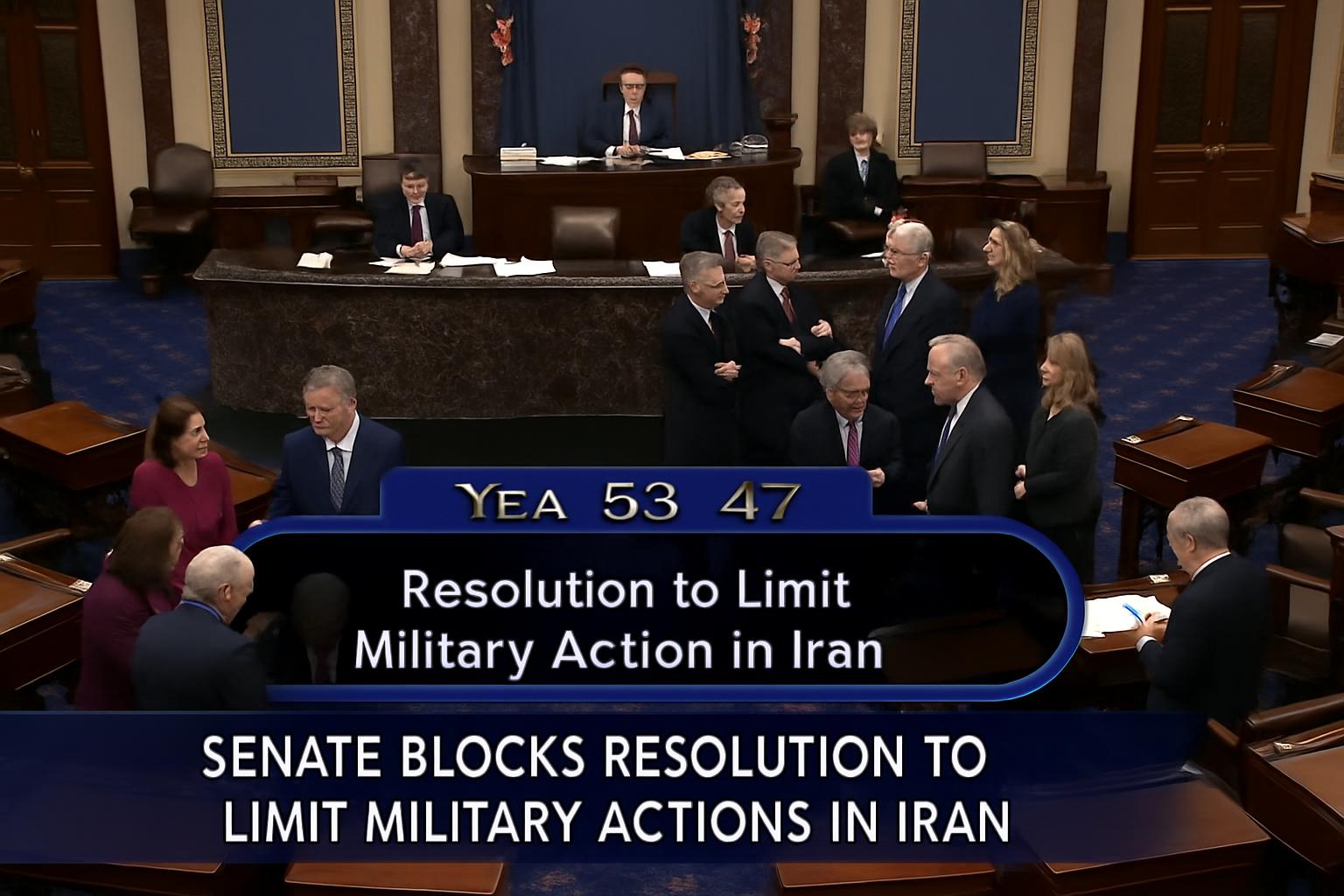
Senate Blocks Resolution to Limit Trump's Military Actions in Iran
Spain's Sánchez Stands Firm Against Trump's Trade Threat Over Iran Stance
Trump's New Tariff Strategy Sparks Global Trade Uncertainty

US-Iran Tensions Escalate Amid Renewed Nuclear Talks and Protests

Greenland Politely Declines Trump's Hospital Ship Offer Amid Healthcare Debate

Tech Giants Pledge to Cover AI Data Center Energy Costs Amid Rising Electricity Concerns
US Arms Sale to Taiwan Sparks Tensions with China
In This Article
 Ethan Brooks| Published
 HIGHLIGHTS
- The Trump administration announced an arms sale to Taiwan valued at over $11 billion, including advanced rocket systems and missiles.
- The package, pending US Congress approval, marks the second arms sale to Taiwan since Trump's return to office.
- China criticized the sale, claiming it undermines regional stability and violates diplomatic agreements.
- Taiwan's defense ministry welcomed the deal, emphasizing its role in enhancing the island's deterrence capabilities.
- The US maintains formal diplomatic ties with Beijing but remains Taiwan's largest arms supplier, complicating US-China relations.
The Trump administration has unveiled a significant arms sale to Taiwan, valued at over $11 billion, which includes advanced rocket launchers, self-propelled howitzers, and a variety of missiles. This announcement, made late Wednesday by the US Defense Security Cooperation Agency, marks the second such deal since Donald Trump resumed office in January. The package, which still requires approval from the US Congress, underscores the ongoing complexities in US-China relations, particularly concerning Taiwan.
Details of the Arms Package
The proposed arms sale includes 82 High Mobility Artillery Rocket Systems (Himars) and 420 Army Tactical Missile Systems (Atacms), valued at over $4 billion. Additionally, the package features 60 self-propelled howitzer systems and related equipment, also worth more than $4 billion, alongside drones and military software exceeding $1 billion. Other components include Javelin and Tow missiles, helicopter spare parts, and refurbishment kits for Harpoon missiles.
Taiwan's Strategic Response
Taiwan's defense ministry expressed gratitude for the US's continued support, highlighting the deal's importance in bolstering the island's defense capabilities. The ministry stated that the arms package would aid in "rapidly building robust deterrence capabilities," a sentiment echoed by President Lai Ching-te, who recently announced plans for a dome-like air defense system.
China's Reaction and Regional Implications
China's foreign ministry condemned the arms sale, arguing it violates diplomatic agreements and threatens regional stability. Spokesperson Guo Jiakun criticized the move as exacerbating tensions in the Taiwan Strait, warning that it could lead to military confrontation. Despite these tensions, the US remains committed to supporting Taiwan's self-defense under federal law, a stance that has become increasingly contentious with Beijing.
WHAT THIS MIGHT MEAN
The approval of this arms sale by the US Congress could further strain US-China relations, potentially leading to increased military posturing in the Taiwan Strait. Experts suggest that while the deal strengthens Taiwan's defense capabilities, it also risks escalating tensions with China, which has vowed to reunify with Taiwan by force if necessary. As Taiwan continues to modernize its military, the region may witness heightened diplomatic and military activities, with the US playing a critical role in maintaining the balance of power.
Related Articles
Senate Blocks Resolution to Limit Trump's Military Actions in Iran
Spain's Sánchez Stands Firm Against Trump's Trade Threat Over Iran Stance
Trump's New Tariff Strategy Sparks Global Trade Uncertainty
US-Iran Tensions Escalate Amid Renewed Nuclear Talks and Protests
Greenland Politely Declines Trump's Hospital Ship Offer Amid Healthcare Debate
Tech Giants Pledge to Cover AI Data Center Energy Costs Amid Rising Electricity Concerns