
US-Backed Gaza Humanitarian Foundation Ends Controversial Aid Operations
In This Article
HIGHLIGHTS
- The US and Israel-backed Gaza Humanitarian Foundation (GHF) has ended its operations in Gaza after six months, citing the "successful completion" of its mission.
- GHF's food distribution sites were controversial, with the UN and other aid agencies refusing to cooperate, citing safety and ethical concerns.
- The UN reported that hundreds of Palestinians were killed near GHF sites, mostly by Israeli fire, while Israel claimed its troops only fired warning shots.
- GHF's model is set to be adopted by the US-led Civil-Military Coordination Centre, despite criticism from Hamas and international bodies.
- Hamas has called for accountability, accusing GHF of contributing to the deaths and injuries of thousands of Gazans.
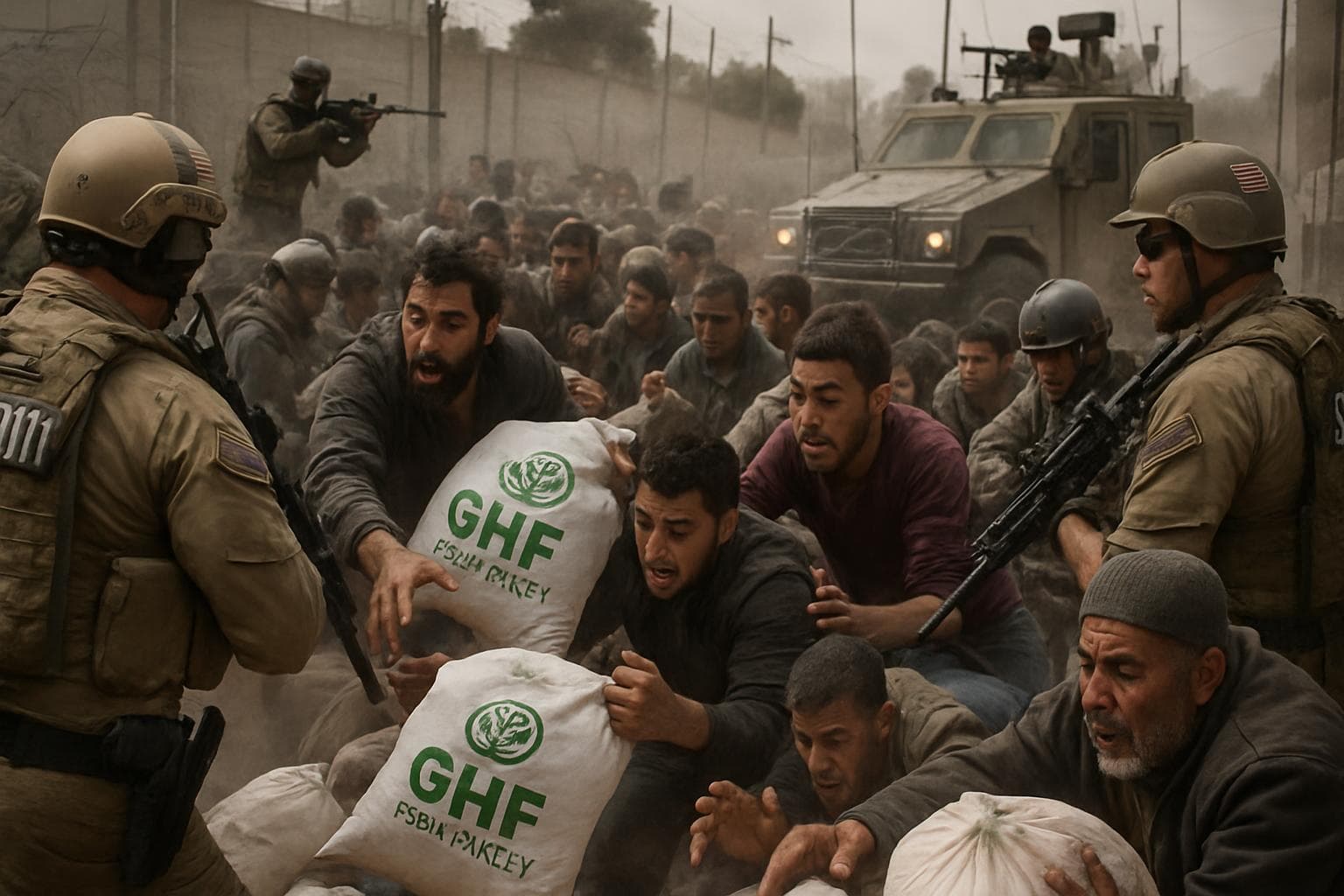
The Gaza Humanitarian Foundation (GHF), a US and Israel-backed organization, has announced the cessation of its aid operations in Gaza, marking the end of a contentious six-month mission. The foundation, which aimed to provide food aid independently of the United Nations, has faced significant criticism and controversy throughout its tenure.
Controversial Operations and Criticism
Launched in May amid a severe blockade by Israel, the GHF sought to distribute food directly to Gazans through its sites, bypassing traditional UN channels. However, the initiative quickly became a flashpoint for chaos and violence. The UN and other aid agencies refused to cooperate with GHF, citing the operation's lack of neutrality and safety. The UN's human rights office reported that at least 859 Palestinians were killed near GHF distribution sites between May and July, with most deaths attributed to Israeli military actions. Israel, however, maintained that its forces only fired warning shots in response to perceived threats.
Completion of Mission and Future Plans
Despite the controversy, GHF declared its mission a success, having delivered over 187 million meals to Gaza's population. Executive Director Jon Acree announced that the US-led Civil-Military Coordination Centre (CMCC) would adopt and expand the GHF model. This move aligns with US efforts to implement President Donald Trump's Gaza peace plan, though it has drawn criticism from various quarters, including Hamas.
Calls for Accountability
Hamas, which has denied allegations of aid diversion, welcomed the closure of GHF but called for accountability for the harm caused to Palestinians. Spokesman Hazem Qassem urged international human rights organizations to ensure GHF does not evade responsibility for the deaths and injuries of thousands of Gazans.
The GHF's operations, conducted in militarized zones and guarded by US private security contractors, have been described by critics as unsafe and unethical. The UN and its partners have consistently highlighted the dangers of channeling desperate civilians into such environments.
WHAT THIS MIGHT MEAN
The closure of the GHF marks a significant shift in the landscape of humanitarian aid in Gaza. As the US-led Civil-Military Coordination Centre prepares to adopt GHF's model, questions remain about the safety and ethics of such operations. The international community will likely scrutinize the CMCC's approach, especially given the previous controversies surrounding GHF.
Politically, the situation underscores the ongoing tensions between Hamas and Israel, with humanitarian aid becoming a focal point of conflict. The call for accountability by Hamas may lead to further investigations and international pressure on both GHF and its backers.
As the situation evolves, the effectiveness and safety of future aid operations in Gaza will be critical in addressing the humanitarian needs of the region's population while navigating the complex political landscape.
Related Articles

Intensified US-Israel Strikes on Iran Spark Global Outcry
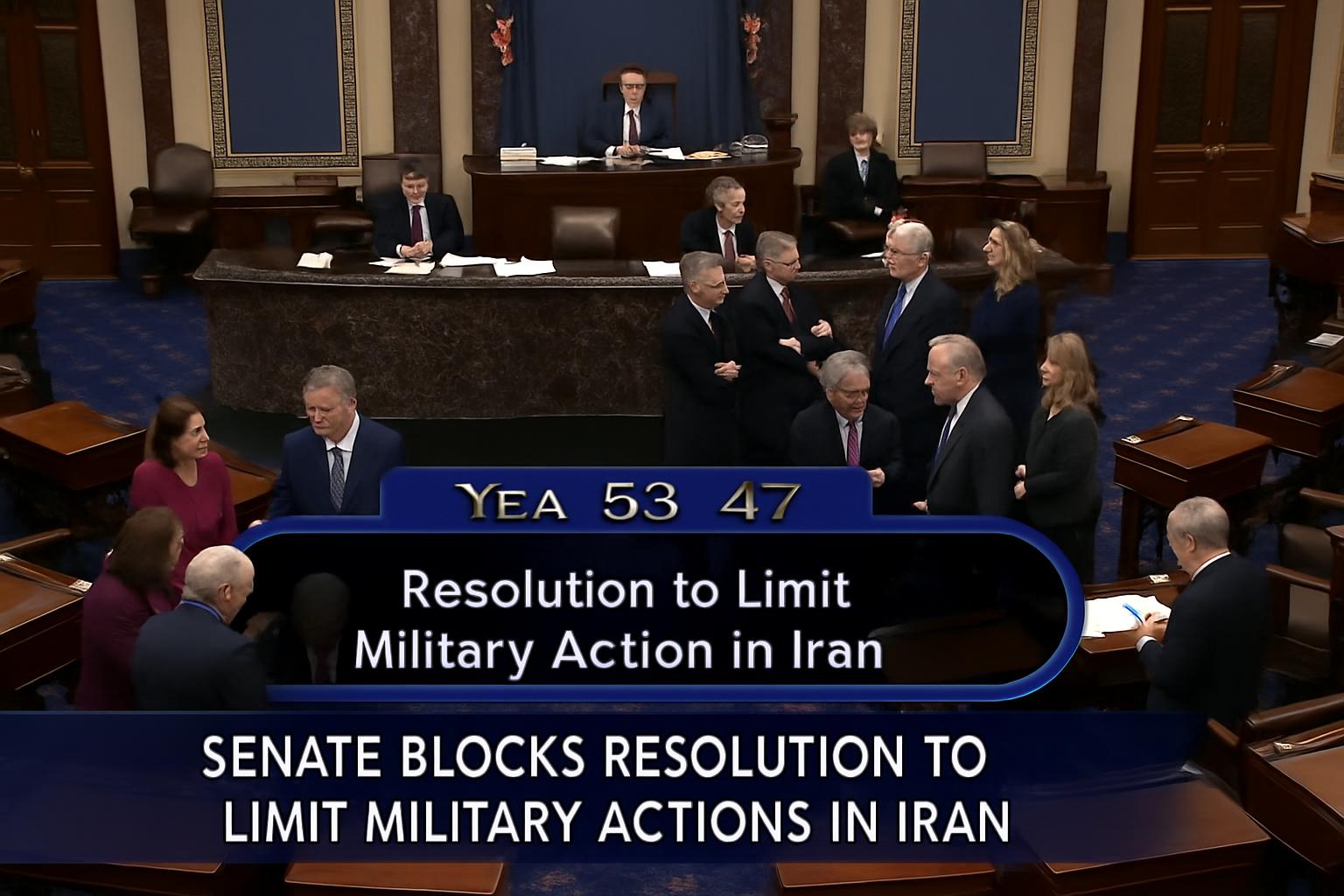
Senate Blocks Resolution to Limit Trump's Military Actions in Iran
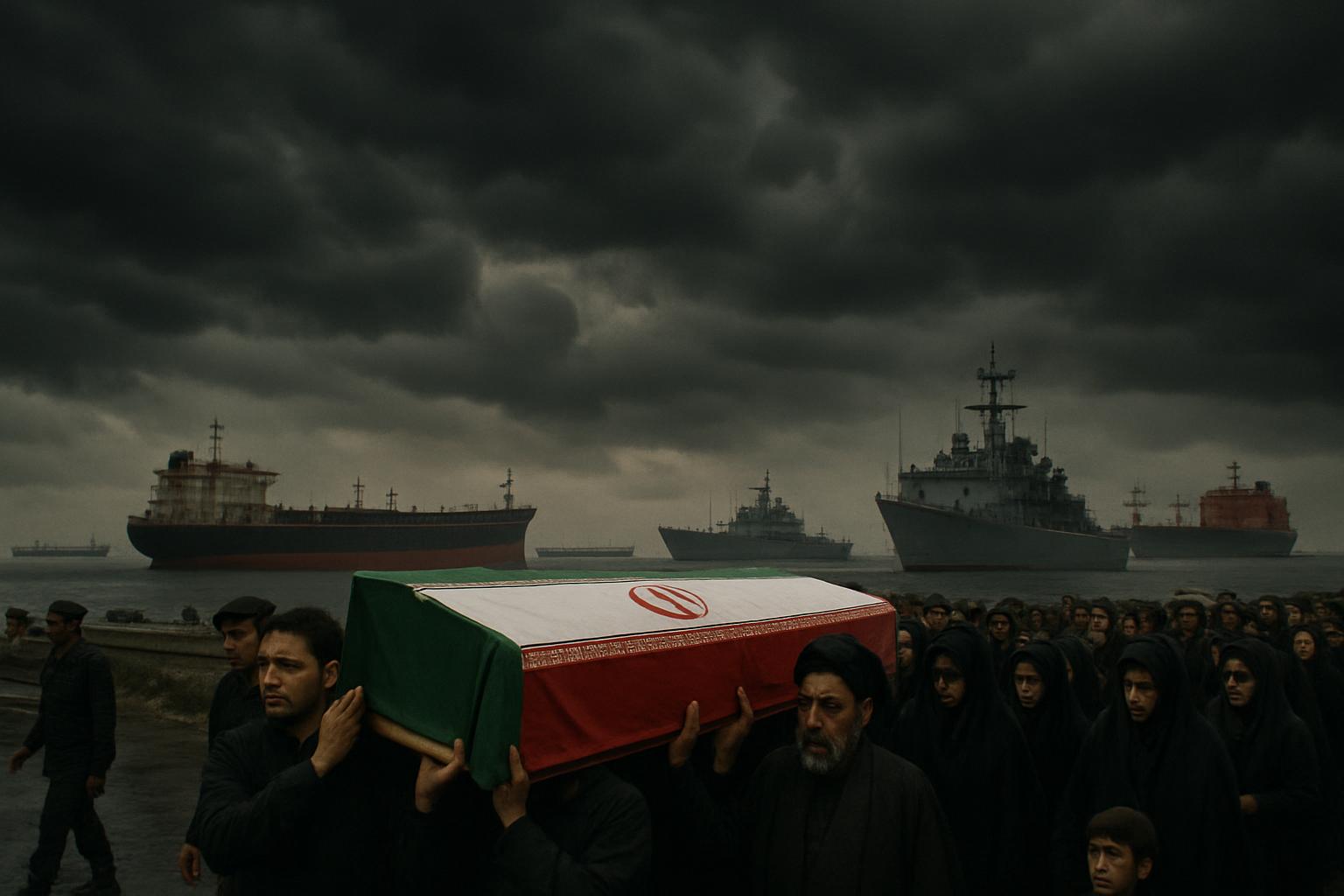
Iran Postpones Khamenei Funeral Amid Escalating US-Israeli Strikes
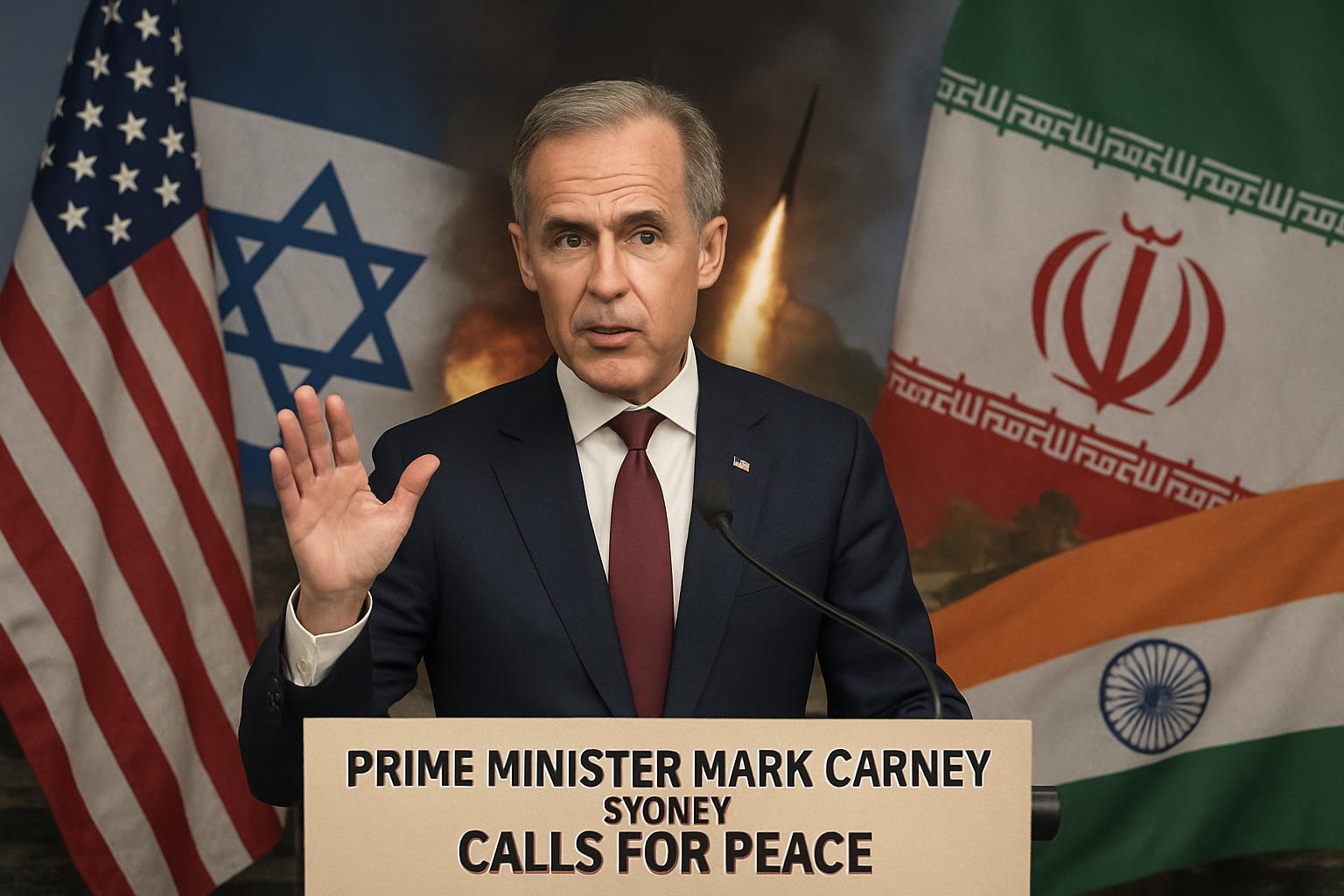
Canada Calls for De-escalation Amid US-Israel Strikes on Iran

UK Faces Dilemmas Amid Iran Conflict and China Spying Allegations

US and Israel Intensify Military Campaign as Iran's Capabilities Dwindle
US-Backed Gaza Humanitarian Foundation Ends Controversial Aid Operations
In This Article
 Ethan Brooks| Published
 HIGHLIGHTS
- The US and Israel-backed Gaza Humanitarian Foundation (GHF) has ended its operations in Gaza after six months, citing the "successful completion" of its mission.
- GHF's food distribution sites were controversial, with the UN and other aid agencies refusing to cooperate, citing safety and ethical concerns.
- The UN reported that hundreds of Palestinians were killed near GHF sites, mostly by Israeli fire, while Israel claimed its troops only fired warning shots.
- GHF's model is set to be adopted by the US-led Civil-Military Coordination Centre, despite criticism from Hamas and international bodies.
- Hamas has called for accountability, accusing GHF of contributing to the deaths and injuries of thousands of Gazans.
The Gaza Humanitarian Foundation (GHF), a US and Israel-backed organization, has announced the cessation of its aid operations in Gaza, marking the end of a contentious six-month mission. The foundation, which aimed to provide food aid independently of the United Nations, has faced significant criticism and controversy throughout its tenure.
Controversial Operations and Criticism
Launched in May amid a severe blockade by Israel, the GHF sought to distribute food directly to Gazans through its sites, bypassing traditional UN channels. However, the initiative quickly became a flashpoint for chaos and violence. The UN and other aid agencies refused to cooperate with GHF, citing the operation's lack of neutrality and safety. The UN's human rights office reported that at least 859 Palestinians were killed near GHF distribution sites between May and July, with most deaths attributed to Israeli military actions. Israel, however, maintained that its forces only fired warning shots in response to perceived threats.
Completion of Mission and Future Plans
Despite the controversy, GHF declared its mission a success, having delivered over 187 million meals to Gaza's population. Executive Director Jon Acree announced that the US-led Civil-Military Coordination Centre (CMCC) would adopt and expand the GHF model. This move aligns with US efforts to implement President Donald Trump's Gaza peace plan, though it has drawn criticism from various quarters, including Hamas.
Calls for Accountability
Hamas, which has denied allegations of aid diversion, welcomed the closure of GHF but called for accountability for the harm caused to Palestinians. Spokesman Hazem Qassem urged international human rights organizations to ensure GHF does not evade responsibility for the deaths and injuries of thousands of Gazans.
The GHF's operations, conducted in militarized zones and guarded by US private security contractors, have been described by critics as unsafe and unethical. The UN and its partners have consistently highlighted the dangers of channeling desperate civilians into such environments.
WHAT THIS MIGHT MEAN
The closure of the GHF marks a significant shift in the landscape of humanitarian aid in Gaza. As the US-led Civil-Military Coordination Centre prepares to adopt GHF's model, questions remain about the safety and ethics of such operations. The international community will likely scrutinize the CMCC's approach, especially given the previous controversies surrounding GHF.
Politically, the situation underscores the ongoing tensions between Hamas and Israel, with humanitarian aid becoming a focal point of conflict. The call for accountability by Hamas may lead to further investigations and international pressure on both GHF and its backers.
As the situation evolves, the effectiveness and safety of future aid operations in Gaza will be critical in addressing the humanitarian needs of the region's population while navigating the complex political landscape.
Related Articles
Intensified US-Israel Strikes on Iran Spark Global Outcry
Senate Blocks Resolution to Limit Trump's Military Actions in Iran
Iran Postpones Khamenei Funeral Amid Escalating US-Israeli Strikes
Canada Calls for De-escalation Amid US-Israel Strikes on Iran
UK Faces Dilemmas Amid Iran Conflict and China Spying Allegations
US and Israel Intensify Military Campaign as Iran's Capabilities Dwindle