
US-Brazil Relations Strain as Trump Imposes Tariffs and Sanctions
In This Article
HIGHLIGHTS
- The US has imposed 50% tariffs on Brazil, citing political persecution of former President Jair Bolsonaro as the reason.
- Brazilian Supreme Court Judge Alexandre de Moraes faces US sanctions for alleged human rights violations and politicized prosecutions.
- The sanctions and tariffs have been criticized as an attack on Brazilian democracy by President Lula's allies.
- The US is Brazil's second-largest trade partner, and the tariffs could significantly impact the South American nation's economy.
- Bolsonaro's supporters view the US actions as a potential lifeline for the former president, who faces multiple legal challenges.
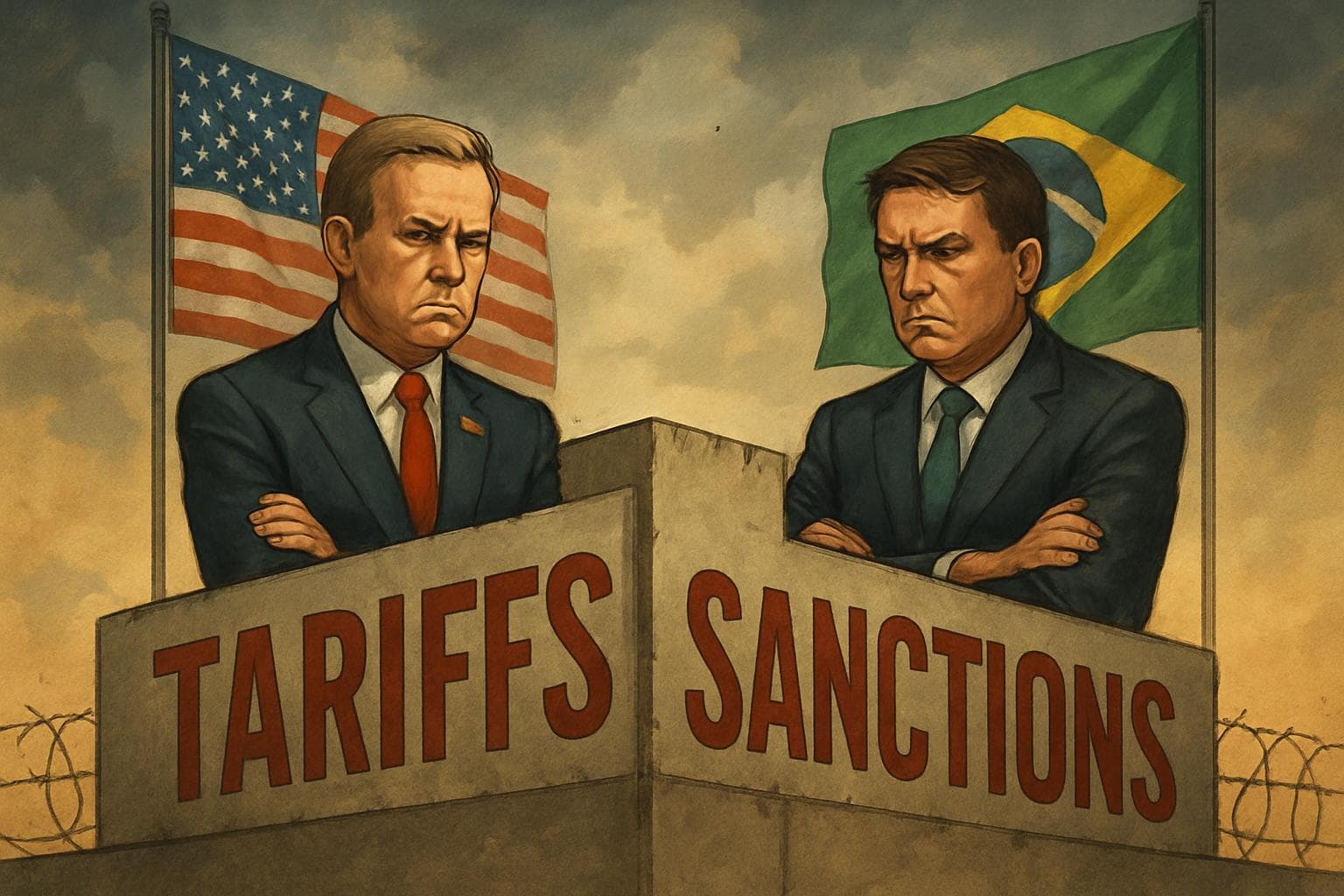
In a move that has escalated tensions between the United States and Brazil, the Trump administration announced a 50% tariff on Brazilian imports while sanctioning a key Brazilian Supreme Court judge. The sanctions target Judge Alexandre de Moraes, who is overseeing the trial of former Brazilian President Jair Bolsonaro, accused of attempting a coup following his 2022 election defeat.
Sanctions on Judge Moraes
The US Treasury, led by Secretary Scott Bessent, accused Judge Moraes of conducting an "unlawful witch hunt" against Bolsonaro and others, citing arbitrary detentions and censorship. Moraes has been instrumental in investigating Bolsonaro's alleged coup plot, which could result in a 43-year prison sentence for the former president. The US sanctions have been criticized by Brazilian President Luiz Inácio Lula da Silva's allies as an attack on the country's democracy.
Impact of Tariffs on Trade
The newly imposed tariffs, which exclude major Brazilian exports like orange juice and aircraft parts, are expected to strain the economic relationship between the two nations. Brazil, the US's 15th largest trading partner, could face significant economic repercussions, given that the US is its second-largest trade partner after China. In response, Brazil has threatened to impose reciprocal tariffs, potentially igniting a trade war.
Political Reactions and Implications
Bolsonaro's supporters, including his son Eduardo Bolsonaro, have welcomed the US actions, viewing them as crucial support for the embattled former president. Meanwhile, Lula's government has condemned the sanctions and tariffs as a dramatic escalation in Trump's efforts to undermine Brazilian democracy. The situation has highlighted the deep political divisions within Brazil and the complex dynamics of international trade relations.
WHAT THIS MIGHT MEAN
The imposition of tariffs and sanctions could lead to a prolonged trade conflict between the US and Brazil, potentially affecting global markets. If Brazil retaliates with its own tariffs, both economies could suffer, impacting industries reliant on bilateral trade. Politically, the US actions may embolden Bolsonaro's supporters while further polarizing Brazilian society. Internationally, this development could strain US relations with other Latin American countries, as they watch the unfolding situation closely. Experts suggest that diplomatic negotiations may be necessary to de-escalate tensions and restore stable trade relations.
Related Articles
Cuba Faces Widespread Blackout Amid Deepening Fuel Crisis
El Mencho's Death Sparks Violent Unrest Across Mexico
Venezuelan Political Prisoners Seek Amnesty Amidst Hopes for Democratic Transition
Willie Colón: The Salsa Legend Who Transformed Latin Music Passes Away at 75
China Sets Lowest GDP Growth Target in Decades Amid Economic Challenges

UK Faces Dilemmas Amid Iran Conflict and China Spying Allegations
US-Brazil Relations Strain as Trump Imposes Tariffs and Sanctions
In This Article
HIGHLIGHTS
- The US has imposed 50% tariffs on Brazil, citing political persecution of former President Jair Bolsonaro as the reason.
- Brazilian Supreme Court Judge Alexandre de Moraes faces US sanctions for alleged human rights violations and politicized prosecutions.
- The sanctions and tariffs have been criticized as an attack on Brazilian democracy by President Lula's allies.
- The US is Brazil's second-largest trade partner, and the tariffs could significantly impact the South American nation's economy.
- Bolsonaro's supporters view the US actions as a potential lifeline for the former president, who faces multiple legal challenges.
In a move that has escalated tensions between the United States and Brazil, the Trump administration announced a 50% tariff on Brazilian imports while sanctioning a key Brazilian Supreme Court judge. The sanctions target Judge Alexandre de Moraes, who is overseeing the trial of former Brazilian President Jair Bolsonaro, accused of attempting a coup following his 2022 election defeat.
Sanctions on Judge Moraes
The US Treasury, led by Secretary Scott Bessent, accused Judge Moraes of conducting an "unlawful witch hunt" against Bolsonaro and others, citing arbitrary detentions and censorship. Moraes has been instrumental in investigating Bolsonaro's alleged coup plot, which could result in a 43-year prison sentence for the former president. The US sanctions have been criticized by Brazilian President Luiz Inácio Lula da Silva's allies as an attack on the country's democracy.
Impact of Tariffs on Trade
The newly imposed tariffs, which exclude major Brazilian exports like orange juice and aircraft parts, are expected to strain the economic relationship between the two nations. Brazil, the US's 15th largest trading partner, could face significant economic repercussions, given that the US is its second-largest trade partner after China. In response, Brazil has threatened to impose reciprocal tariffs, potentially igniting a trade war.
Political Reactions and Implications
Bolsonaro's supporters, including his son Eduardo Bolsonaro, have welcomed the US actions, viewing them as crucial support for the embattled former president. Meanwhile, Lula's government has condemned the sanctions and tariffs as a dramatic escalation in Trump's efforts to undermine Brazilian democracy. The situation has highlighted the deep political divisions within Brazil and the complex dynamics of international trade relations.
WHAT THIS MIGHT MEAN
The imposition of tariffs and sanctions could lead to a prolonged trade conflict between the US and Brazil, potentially affecting global markets. If Brazil retaliates with its own tariffs, both economies could suffer, impacting industries reliant on bilateral trade. Politically, the US actions may embolden Bolsonaro's supporters while further polarizing Brazilian society. Internationally, this development could strain US relations with other Latin American countries, as they watch the unfolding situation closely. Experts suggest that diplomatic negotiations may be necessary to de-escalate tensions and restore stable trade relations.
Related Articles
Cuba Faces Widespread Blackout Amid Deepening Fuel Crisis
El Mencho's Death Sparks Violent Unrest Across Mexico
Venezuelan Political Prisoners Seek Amnesty Amidst Hopes for Democratic Transition
Willie Colón: The Salsa Legend Who Transformed Latin Music Passes Away at 75
China Sets Lowest GDP Growth Target in Decades Amid Economic Challenges
UK Faces Dilemmas Amid Iran Conflict and China Spying Allegations